It’s often said that this world doesn’t move without Black creativity, and nowhere is that more evident than in fashion. Many of the industry’s biggest trends have roots in our community, from Dapper Dan’s logomania to the rise of sneaker culture beyond the court and the enduring popularity of nameplate jewelry. But no conversation about Black style is complete without celebrating the Caribbean. From maximalist crochet and fearless colorblocking to unapologetic self-expression, fashion across the diaspora has always existed in a league of its own.
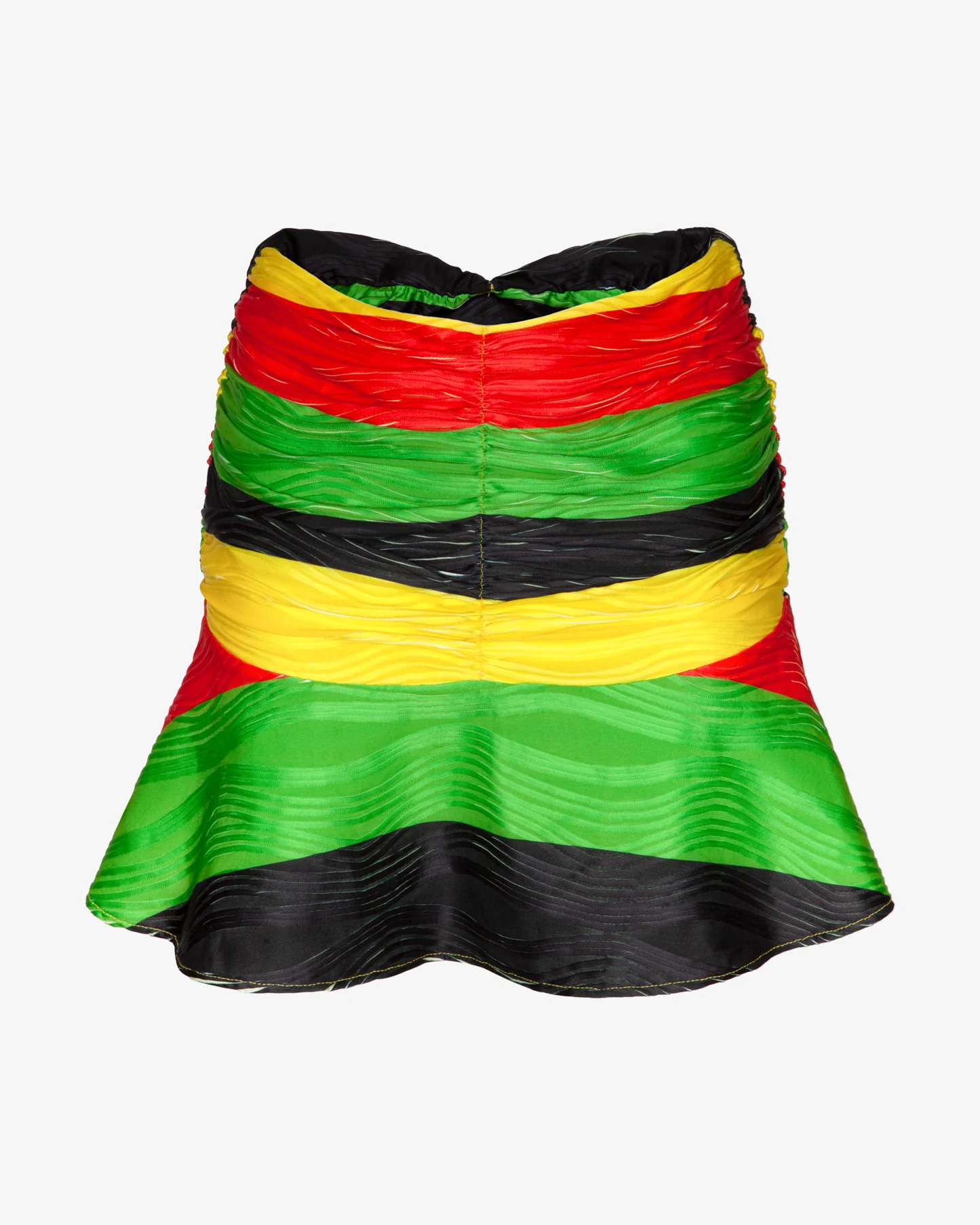
Caribbean style has never been just about getting dressed. It is a reflection of history, resilience and identity shaped by African heritage, colonial influence and the rhythm of island life. Whether it’s the headwrap traditions of Martinique and Guadeloupe, Jamaica’s iconic Rastafarian crochet tam or the breezy silks synonymous with Barbados and Saint Vincent and the Grenadines, clothing has long served as another language for cultural expression. Few movements embody that spirit more than dancehall.
Born in Kingston during the late 1970s, dancehall emerged as more than a genre of music. It became a cultural movement built on infectious rhythms, energetic waist winding, larger-than-life personalities and fearless style. The clothing was every bit as bold as the music itself. Thigh-high one-piece suits, fishnet stockings, metallic bralettes and sky-high platform boots became staples of the scene, but the fashion represented something much deeper than nightlife.
As explored in the essay Fabricating Identities: Survival and the Imagination in Jamaican Dancehall Culture, these flamboyant looks challenged the rigid stereotypes often imposed on Jamaican women. At the center of that revolution was Jamaica’s first Dancehall Queen, Carlene Smith, who helped define what became known as the “bashment look” through sequined bra tops, dramatic two-piece sets and custom-made boots. Artists like Lady Saw and Patra soon expanded that visual language with cheeky cut-off denim shorts, mesh jackets and oversized gold hoop earrings, creating a bold and liberating approach to womenswear that would influence fashion far beyond the island.
Across the Caribbean, that same fearless approach to self-expression has long echoed through Carnival, where fashion becomes performance and celebration becomes resistance. Rooted in late 18th-century Trinidad and Tobago, Carnival emerged as enslaved Africans blended their own cultural traditions with the masquerade celebrations of French plantation owners. Following Emancipation, revelers reclaimed those traditions by creating “mas” costumes inspired by pirates, angels, queens and Indigenous figures, celebrating freedom through vibrant color, elaborate craftsmanship and joyful expression.
Today, Carnival continues to flourish throughout Trinidad and Tobago, Jamaica, Miami, Toronto and beyond. Revelers adorn themselves in crystal-covered bikinis, intricate beadwork, dramatic feathered costumes and radiant beauty looks that transform city streets into moving works of art. That same spirit of spectacle continues to inspire contemporary fashion. Designers like Harris Reed have embraced similarly theatrical silhouettes and feathered creations that evoke Carnival’s larger-than-life energy, including Iman’s unforgettable look for the 2021 Met Gala.
Beauty has always been just as central to the celebration. Throughout Trinidad, traditions rooted in African, East Indian and Indigenous cultures have shaped generations of beauty rituals. Glittering eye makeup, intricate face painting and vibrant body art allow revelers to embody different characters while celebrating individuality. Botanical haircare remains equally important, with aloe vera and hibiscus long used to hydrate strands, strengthen hair and enhance shine before the festivities begin.
Those practices extend across the Caribbean. In Jamaica, aloe vera is commonly used to nourish hair after protective styles while Black castor oil remains a trusted remedy for dryness, damage and healthy growth. These time-honored ingredients continue to inspire modern beauty routines, proving that some of the industry’s best innovations have existed in Caribbean households for generations.
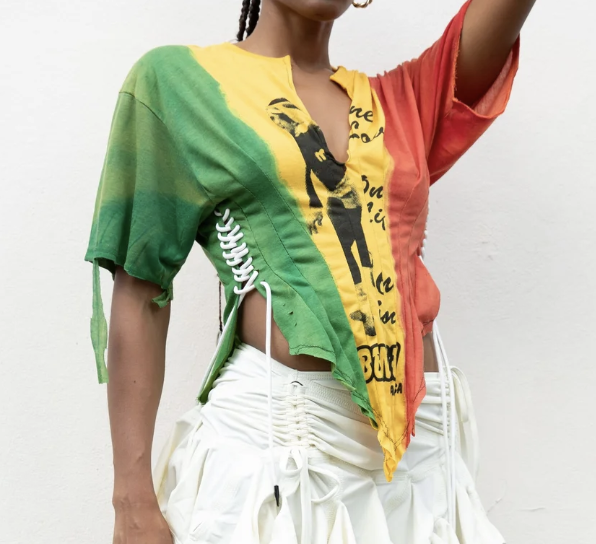
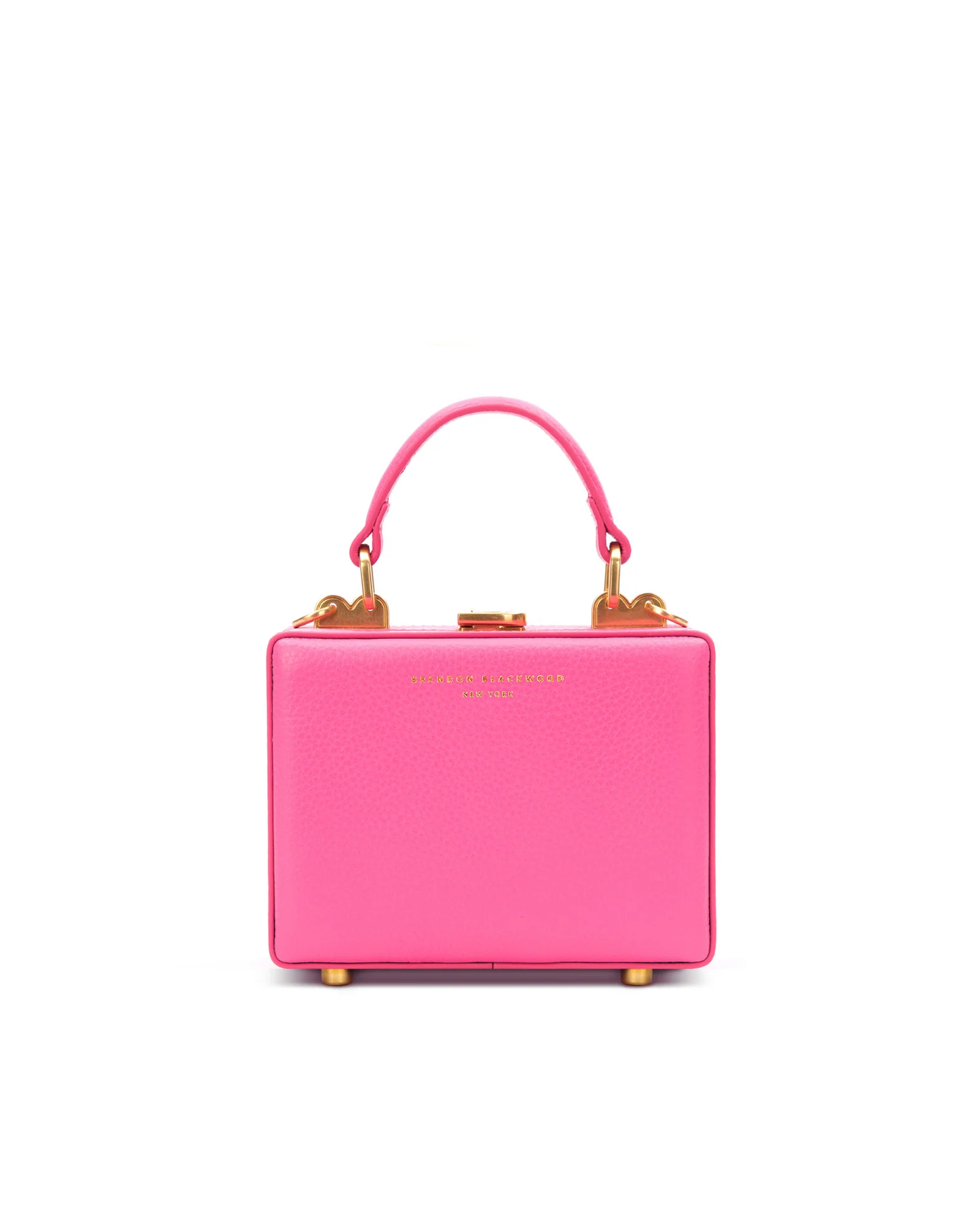
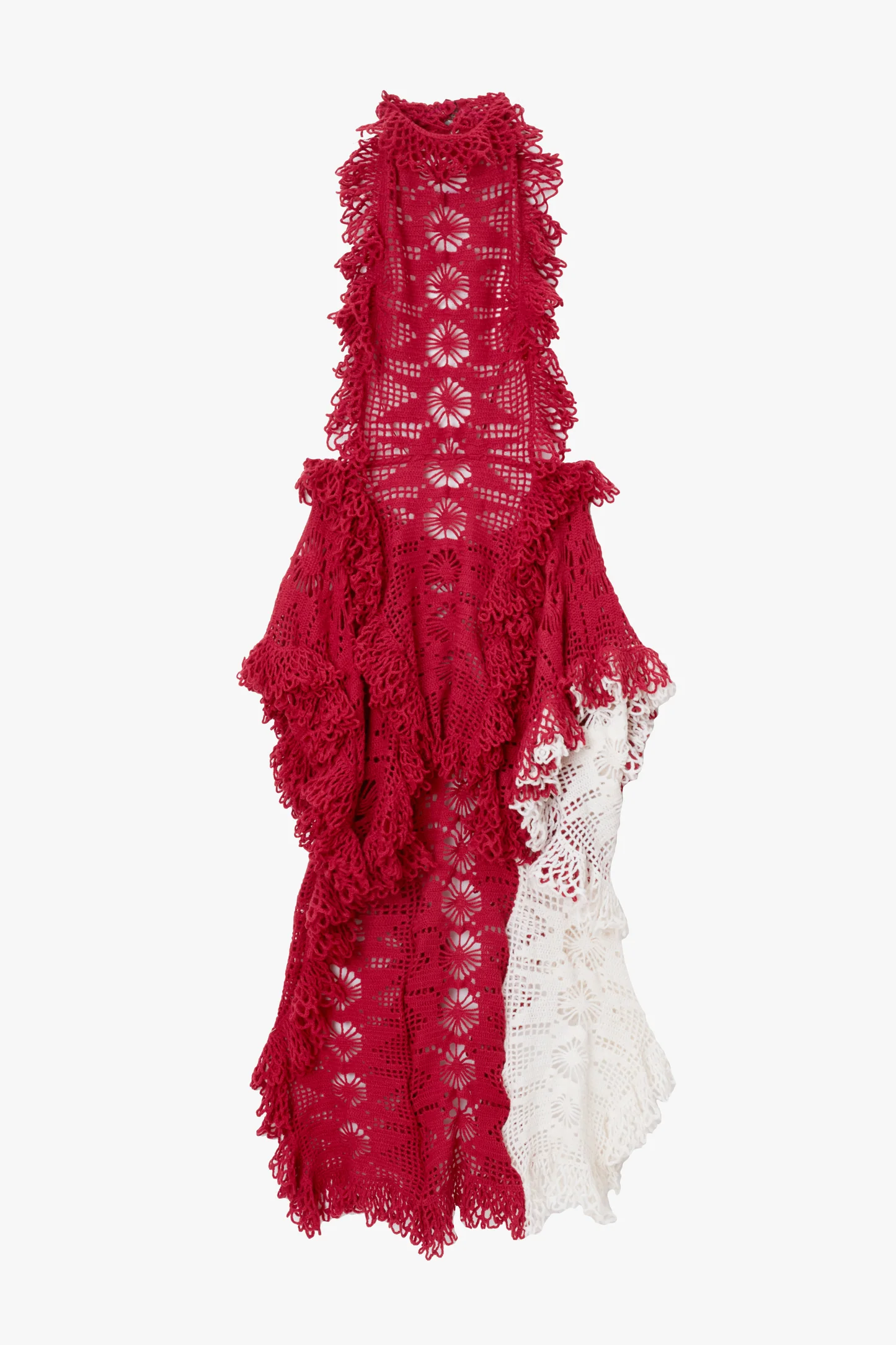
The region’s influence reaches far beyond beauty rituals and Carnival celebrations. It continues to shape some of fashion’s most influential creatives. Jamaica alone has produced a remarkable roster of visionaries. Brandon Blackwood has redefined modern accessories through his namesake label. Rachel Scott has transformed Diotima into one of luxury fashion’s most celebrated brands by elevating traditional Jamaican crochet through impeccable craftsmanship. Francesca Lake seamlessly blends her dancehall upbringing with her religious influences to create intricate, deeply personal collections. Tyson Beckford forever changed the face of male modeling while Grace Jones built an enduring legacy through her fearless androgyny and boundary-pushing approach to beauty and performance.
Elsewhere in the Caribbean, Antigua-born June Ambrose remains one of fashion’s most influential image architects. From her iconic costume design work on Belly to helping shape Jay-Z’s visual legacy for nearly three decades, her impact on style is impossible to overstate.
Together, these creatives reinforce what the Caribbean has always known. Its fashion has never been about blending in. It is expressive, fearless, deeply personal and rooted in generations of storytelling. Its influence stretches from dancehall and Carnival to luxury runways, beauty campaigns and red carpets around the world. And it deserves to be celebrated not only during Caribbean American Heritage Month but every single day.
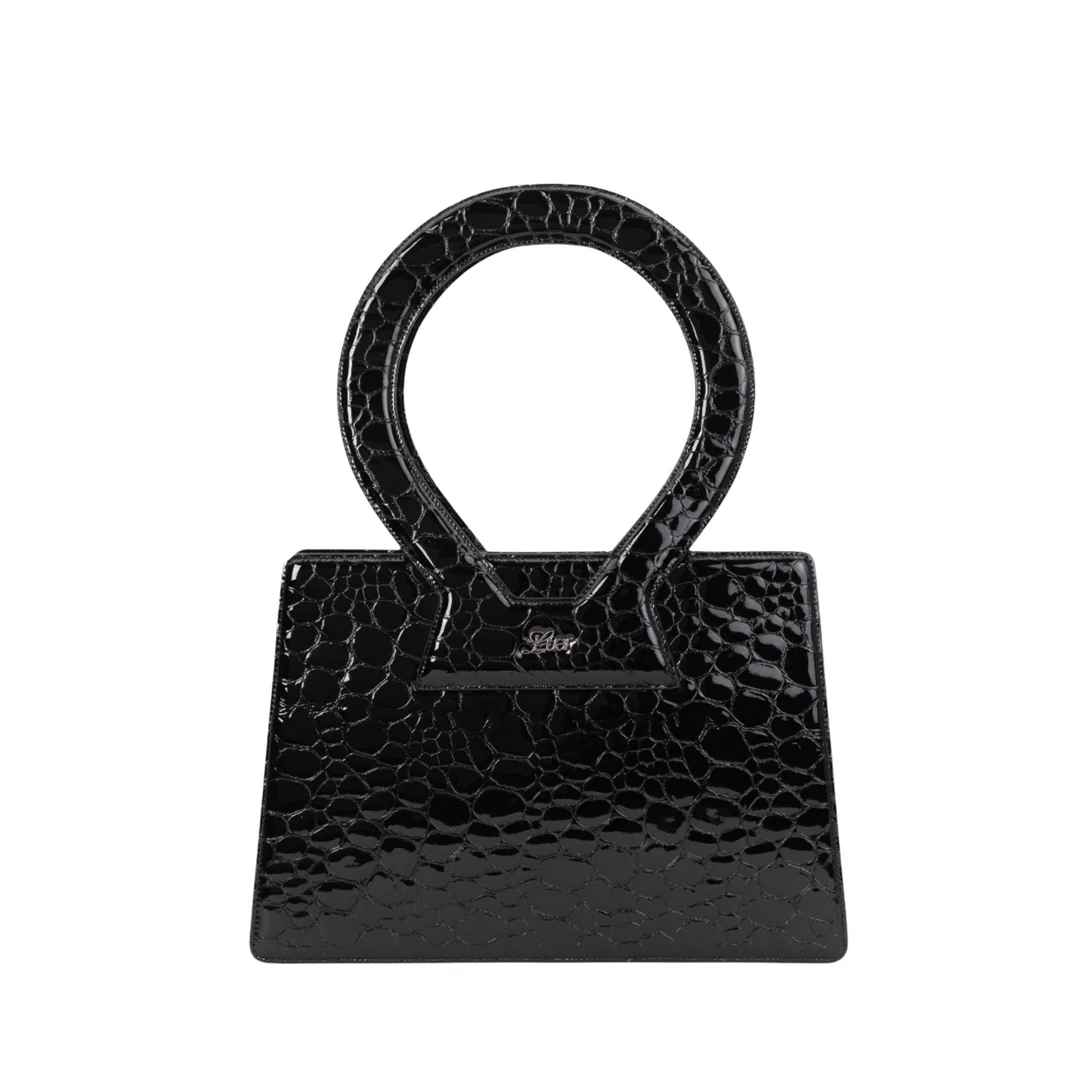
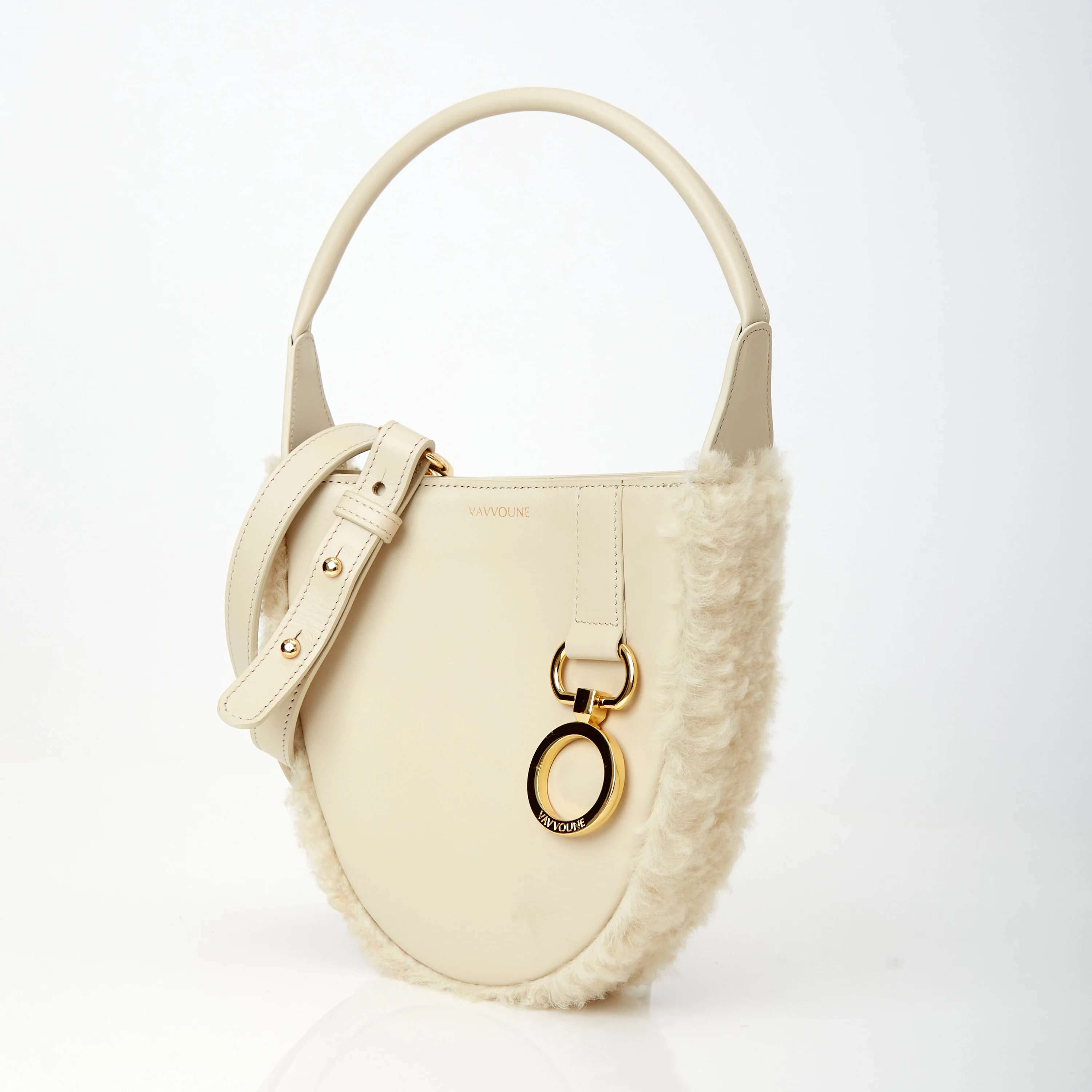
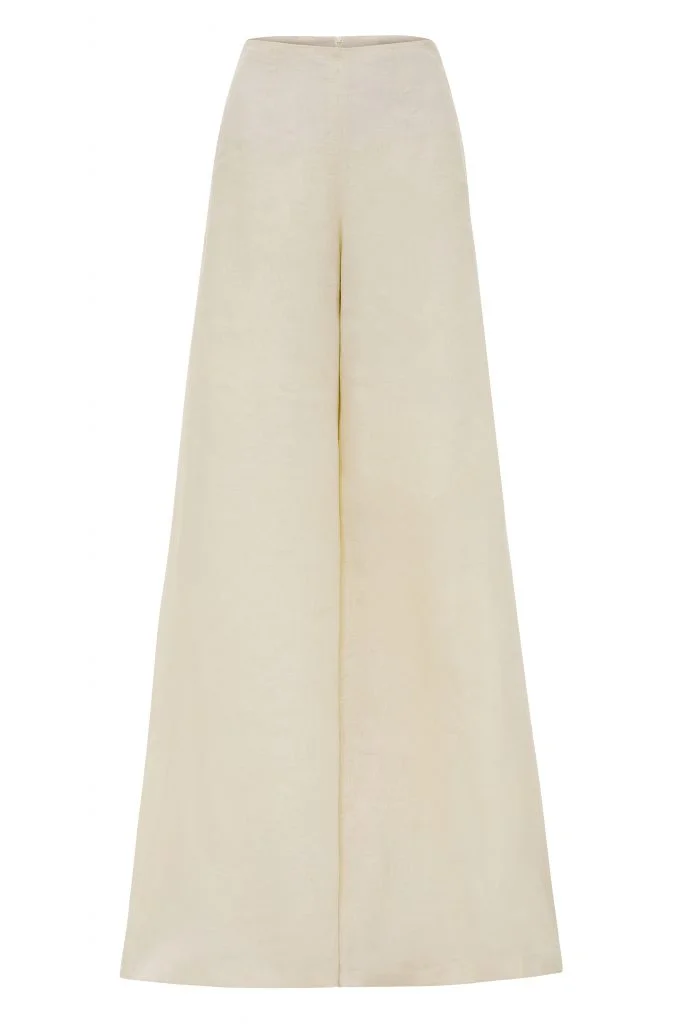
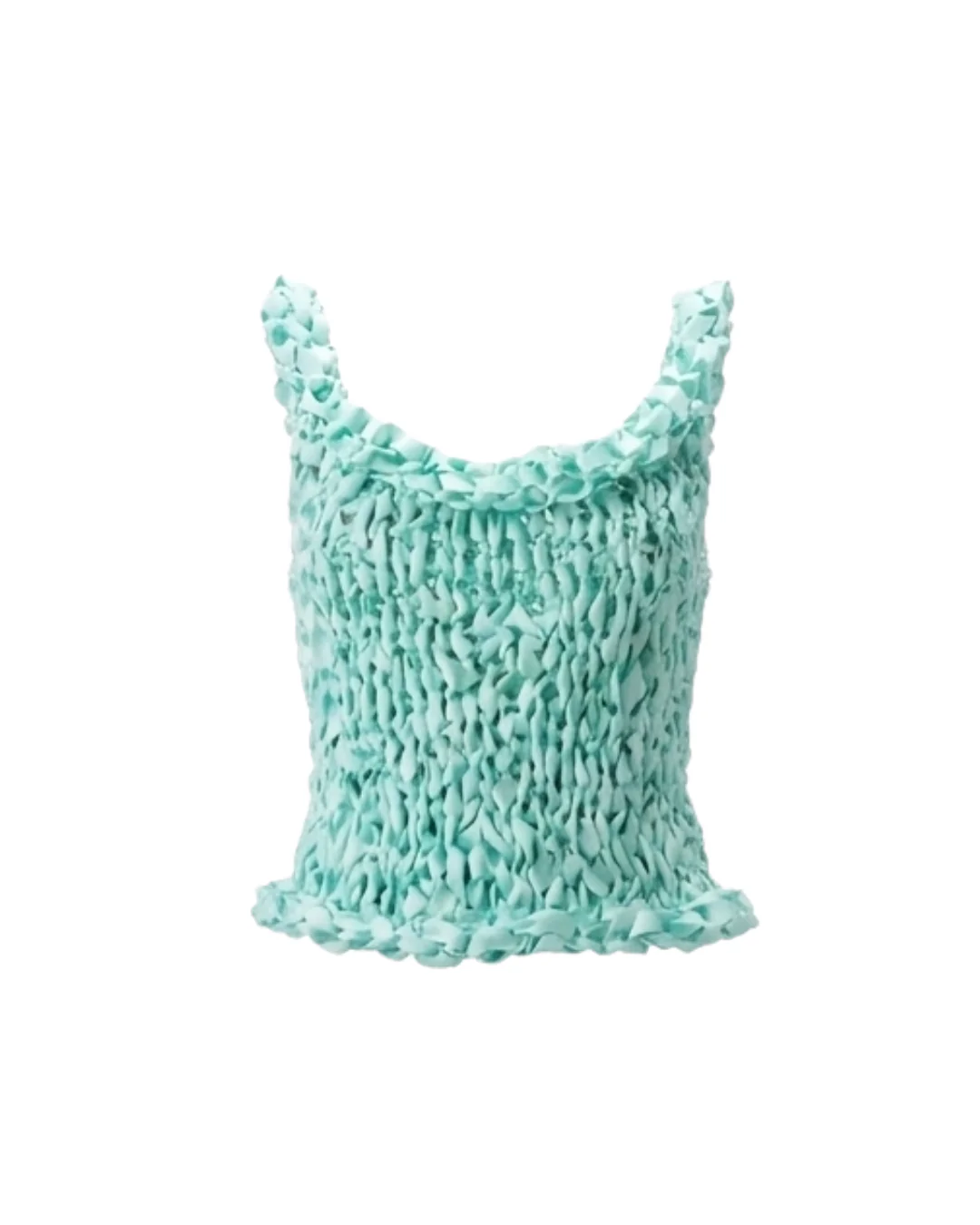
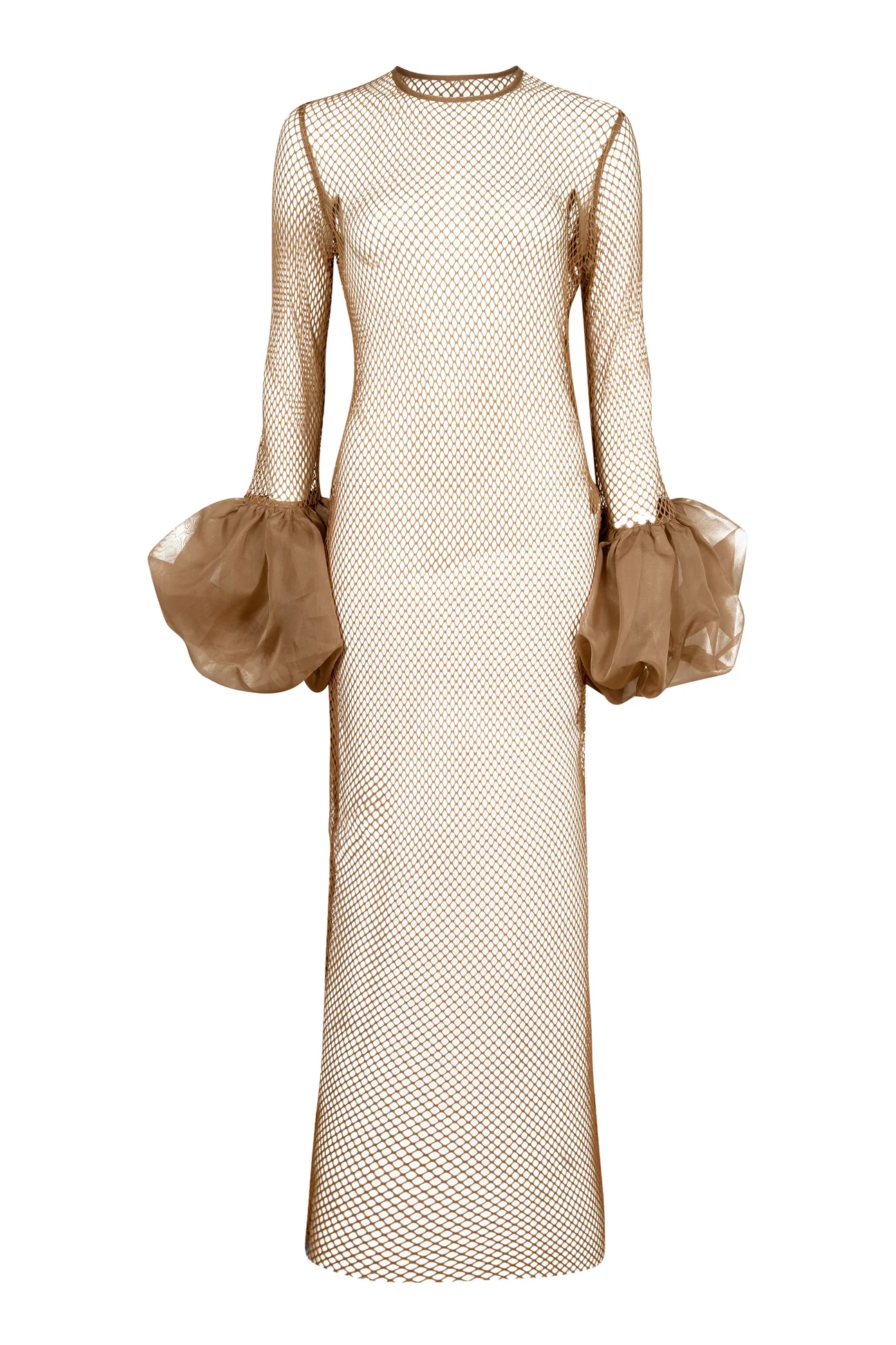
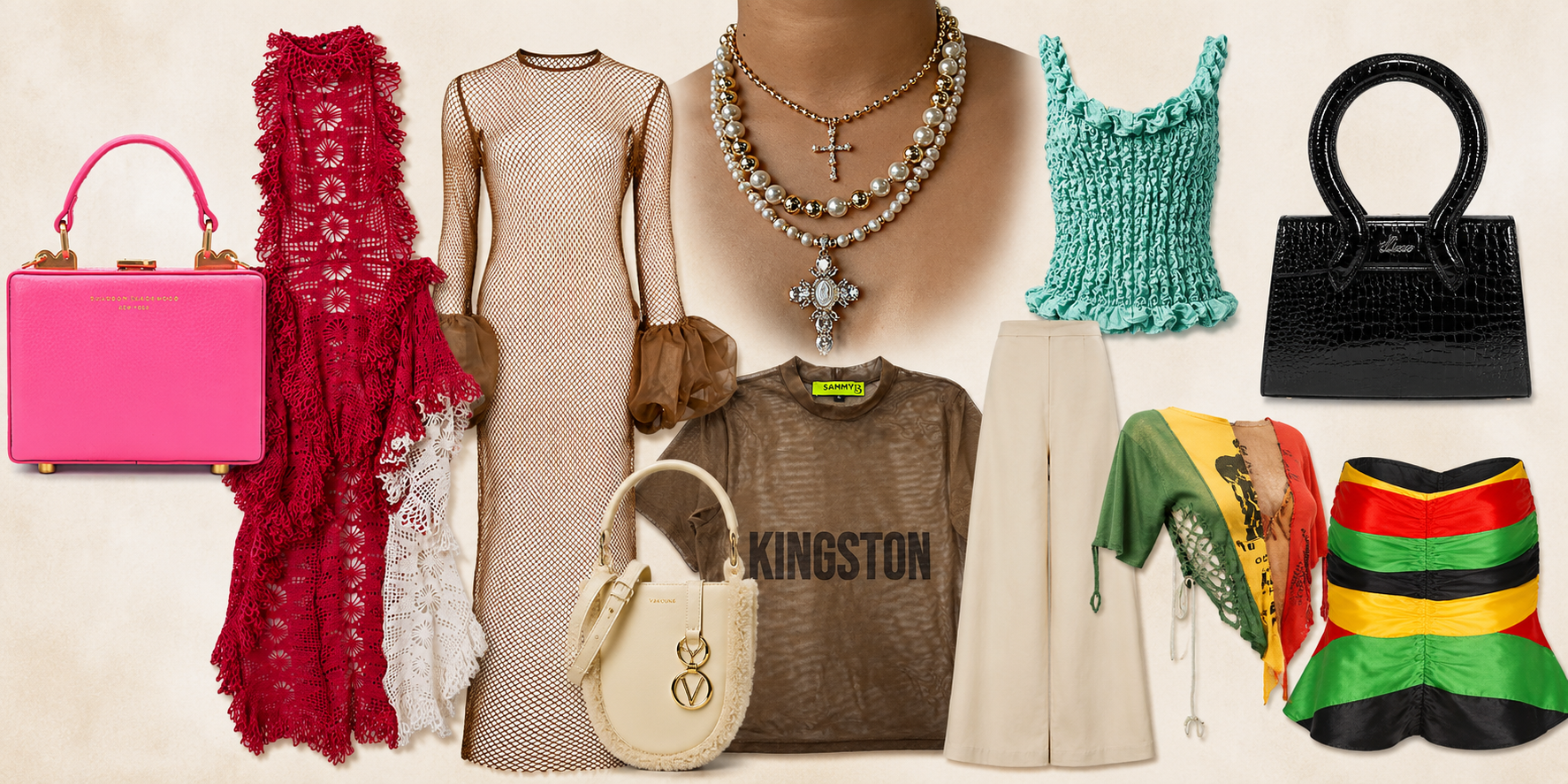
Whether you’re curating your summer wardrobe or planning your next getaway to Grenada, there’s no better time to give the islands their flowers. Ahead, shop some of the best Caribbean brands to add to your closet this season.
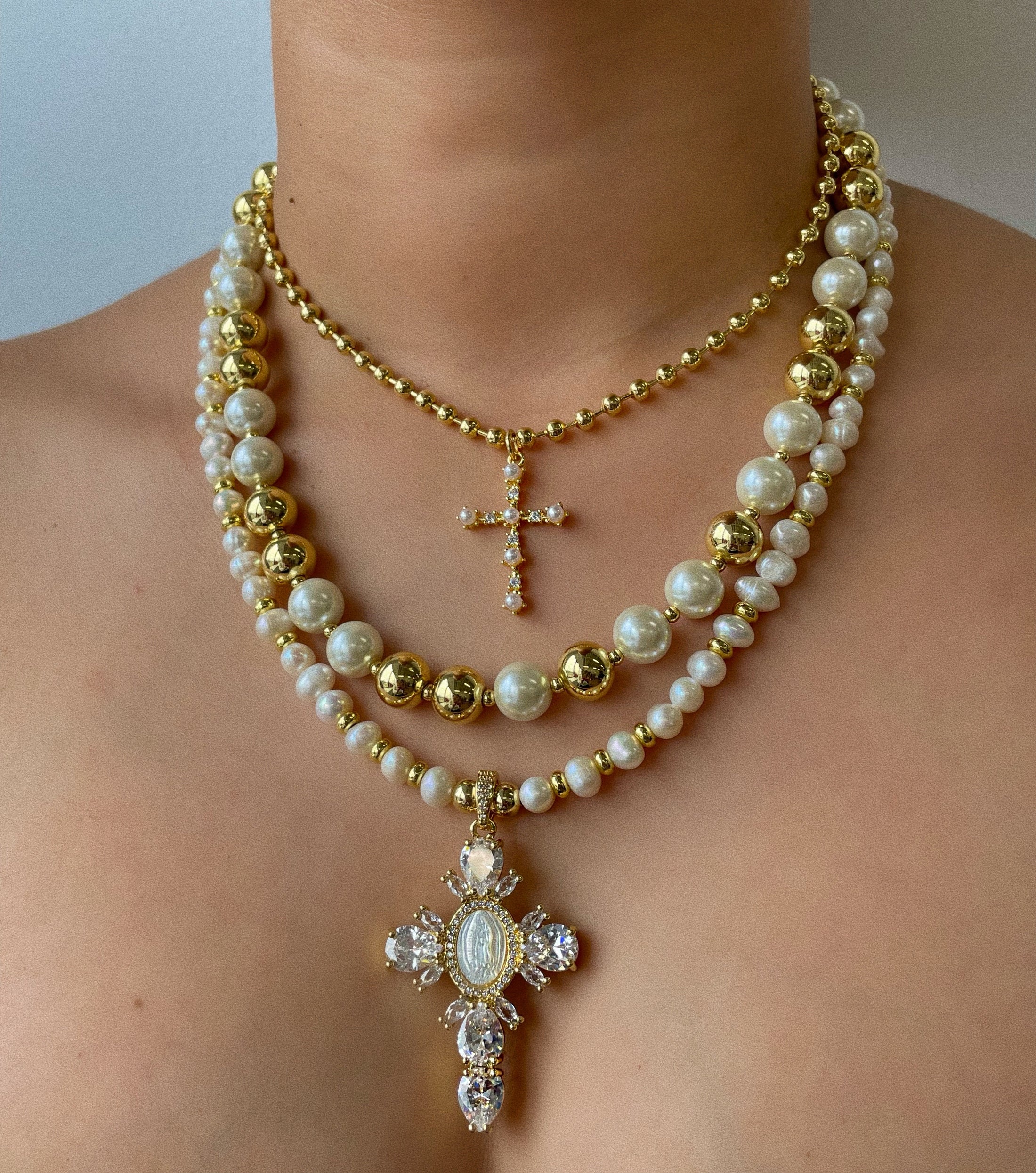
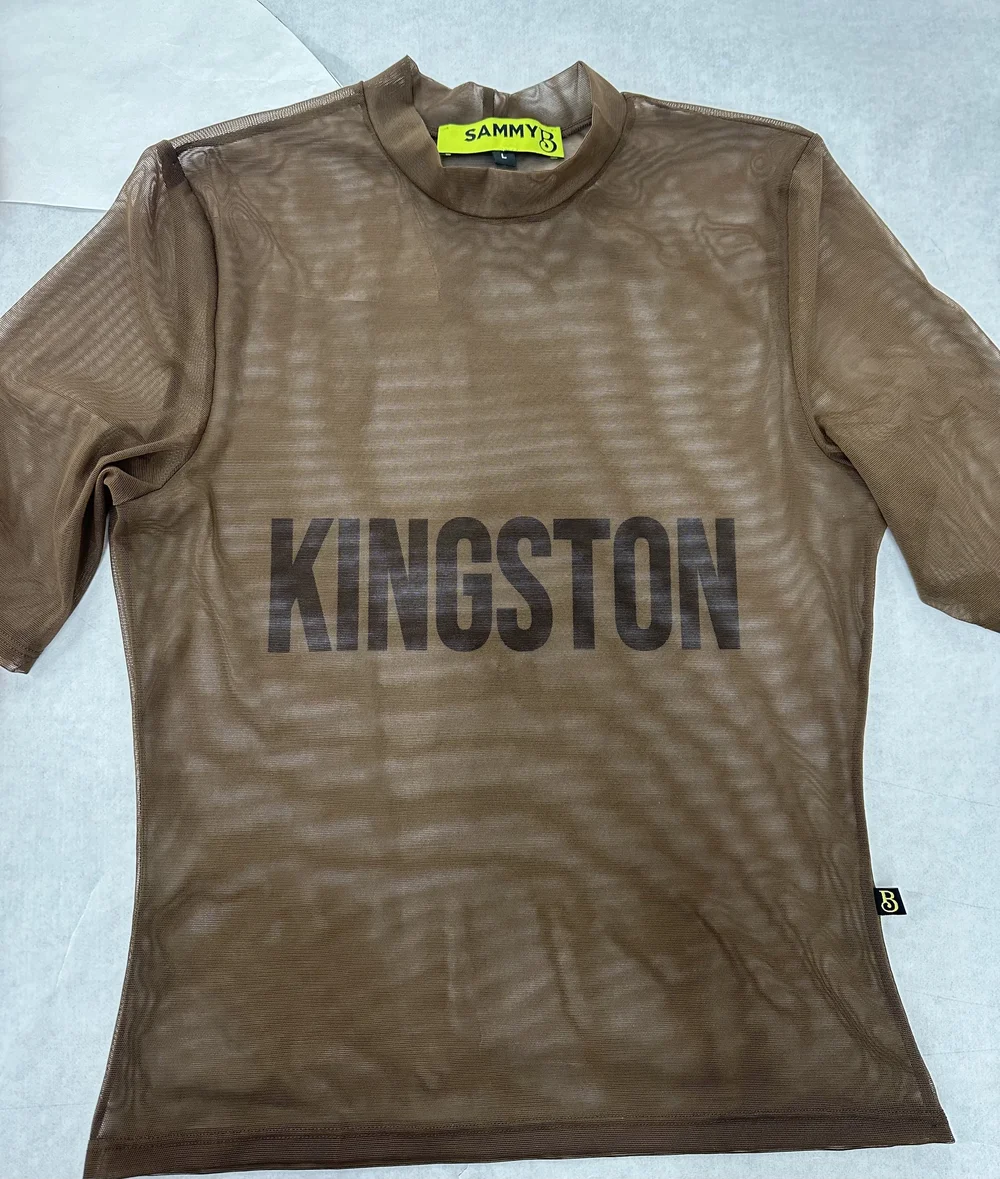
Price: $68