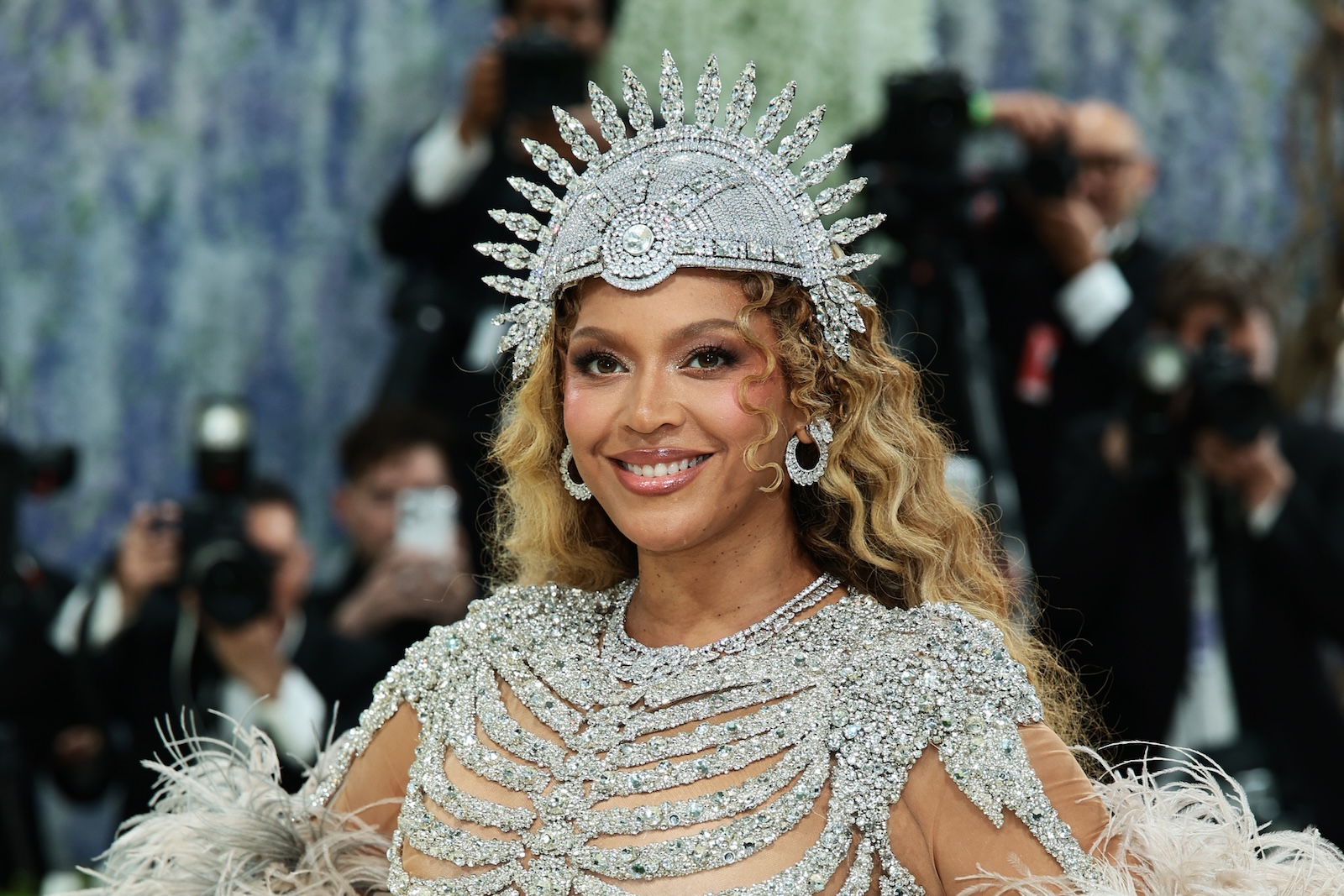
It seems that Black women can do many things in the entertainment industry. They can become the most-awarded artist in Grammy history, break Billboard records, dominate the global touring circuit, and build billion-dollar brands. Yet there remains one thing Black women in entertainment are rarely afforded the freedom to do: age publicly. The conversation around aging in the industry crossed my mind after coming across a clip of Victoria Monét on Angie Martinez’s In Real Life podcast.
In the clip, Monét discussed how issues within her team, as well as pushback from her label, delayed her creative process. At one point, she recalled being told that the label wanted more music because, in their eyes, she wasn’t getting any younger. Never mind that Monét was coming off the biggest success of her career. Never mind that she had spent years writing hits for other artists before stepping into the spotlight herself. The implication was clear: for women in entertainment, success often comes with an expiration date.
This notion of women being forced to choose between youth and longevity isn’t new. For decades, the entertainment industry has operated under the assumption that women become less marketable as they grow older. But today, there is a new force helping enforce those standards: stan culture. Following this year’s Met Gala, social media was flooded with commentary about the appearances of Rihanna and Beyoncé. Some critiques focused on styling choices. Many others focused on the visible signs that two women in their late thirties and forties are, in fact, getting older. Neither woman looked unusual or unhealthy. They looked like successful women living through the natural passage of time. Yet much of the conversation treated aging itself as an offense.
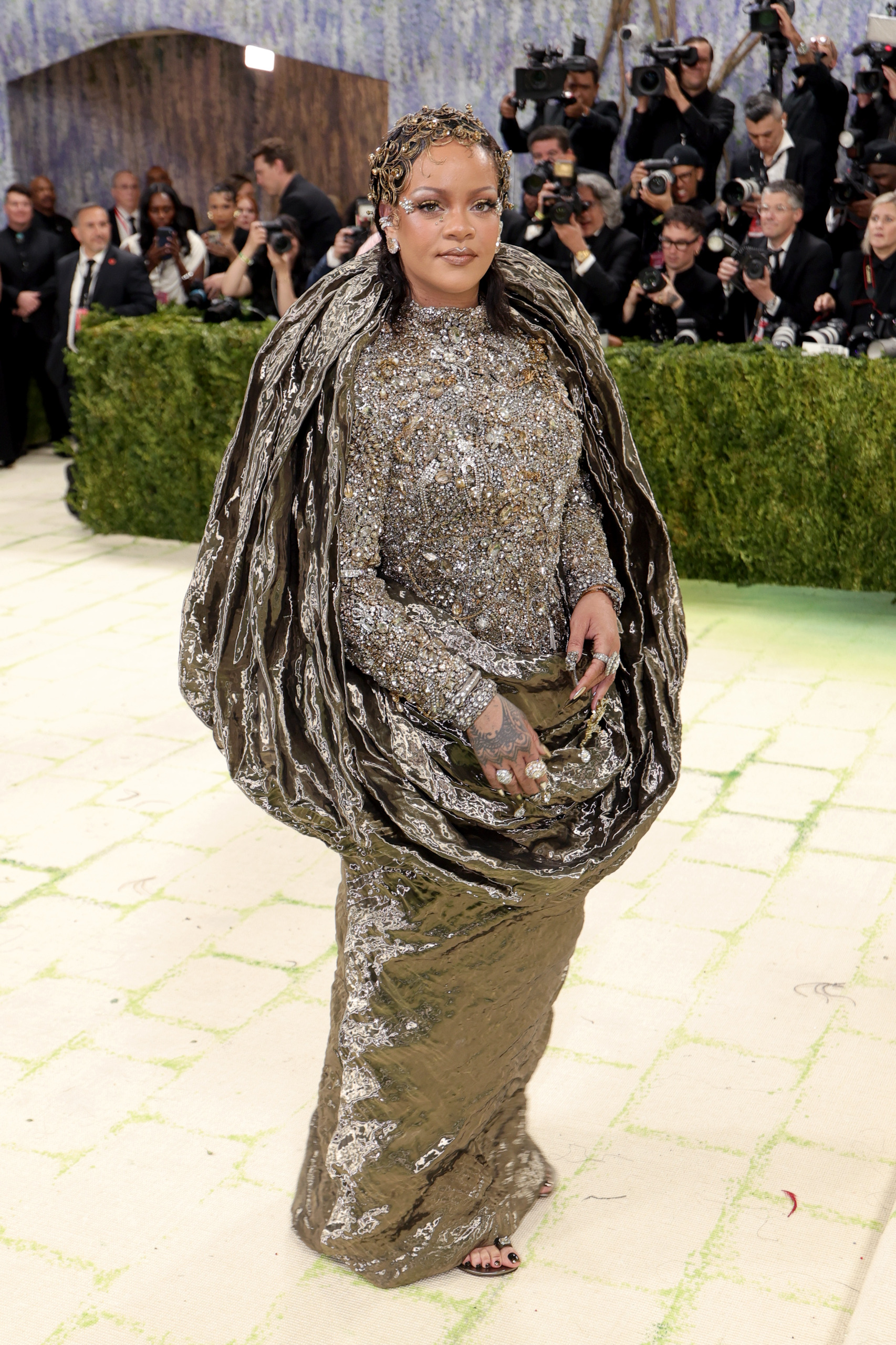
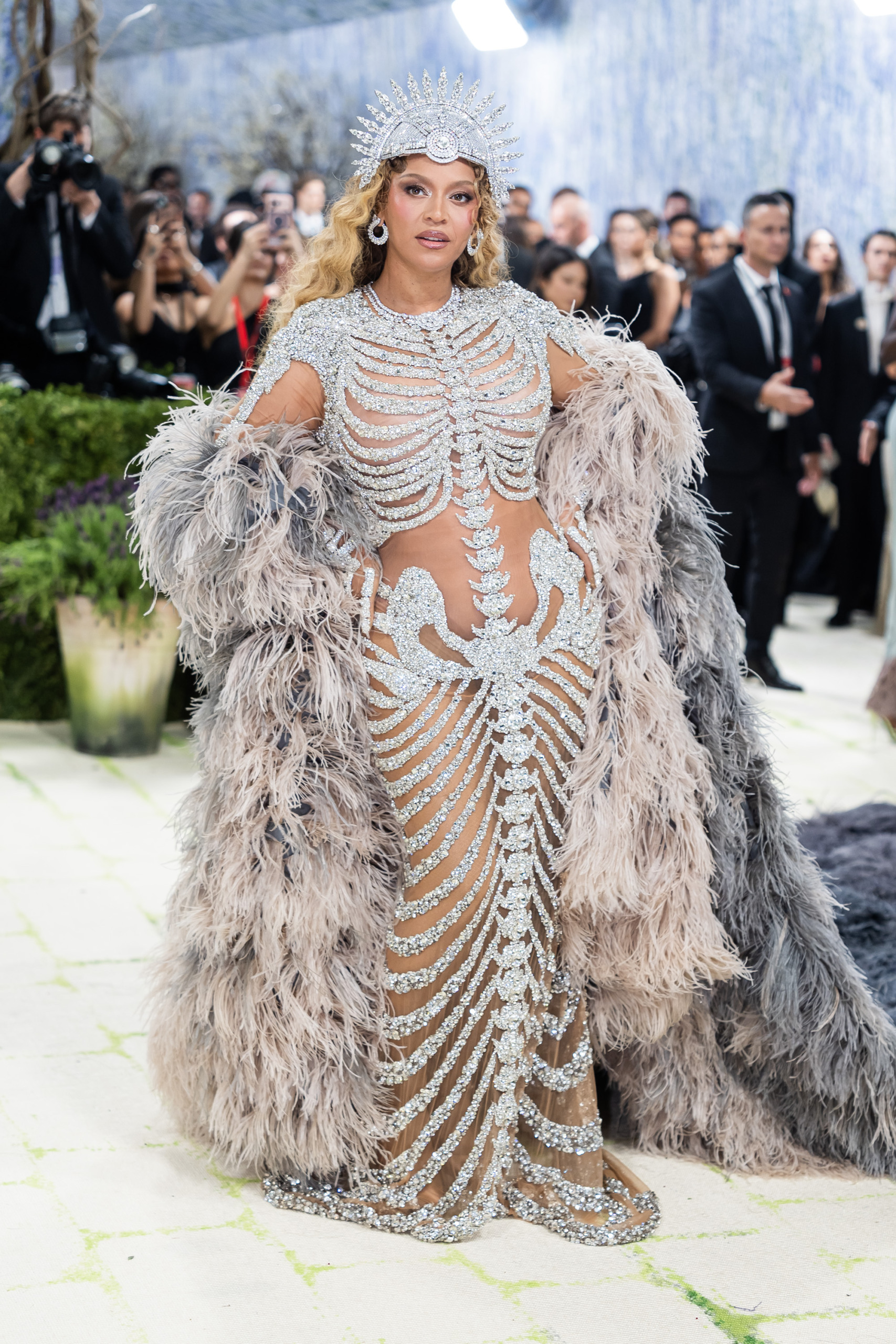
Neither Beyoncé nor Rihanna is a stranger to criticism. Both have spent their careers under intense public scrutiny. What felt different this time, however, was how much of the discourse centered on the reality that they no longer look exactly as they did ten or twenty years ago. As if the greatest offense a woman can commit in entertainment is aging at all.
There’s an interesting contradiction in how the industry and the general public feel about aging. On one hand, if you’re seen with wrinkles, stubborn belly fat, or not moving as fast on stage anymore, you’re viewed as losing steam. On the other hand, Billboard stats, awards, and iconic hits that remain beloved 20 years later don’t happen overnight. Artists have to age, mature, and grow alongside their audiences.
That’s not to say men necessarily have it easier. For the last decade, JAŸ-Z has been mocked for everything from his Basquiat-inspired locs to coming off like the uncle yelling at the sky with his recent comments on the Drake and Kendrick battle in GQ. There’s also constant chatter online about how younger generations don’t listen to Jay or connect with his rap style. Even as an elder Gen Zer, that’s wild to hear. But it’s also been nearly a decade since his last album, an album celebrated for its grown-man maturity and self-reflection.
Usher is another male musician who has been judged under the weight of aging. Whether it’s people claiming the older women he dated “aged” him, criticism of his musical output in the mid-2010s and early 2020s, or even his continued attempts to maintain his status as a sex symbol without crossing into cringe territory (cherries, anyone?), aging remains a part of the conversation. Still, the criticism aimed at Black women who continue to perform and mythologize their work in the public eye often becomes heavier. As these women age, they become reflections not only of themselves but of the audiences who have grown alongside them.

For many Black women of the Baby Boomer generation, Diana Ross has been a lifelong example of glamour and beauty. From decade to decade, Ross has reinvented herself, becoming whatever version of Diana the moment required. Whether that was the Studio 54 diva of the ’70s, we’ve watched her transform from a skinny, doe-eyed Black girl from Detroit into the blueprint for generations of divas who followed. More notable, however, is Tina Turner’s relationship with aging. By the late 1970s, Turner had left Ike and was on her own, trying to figure out her next artistic move. As examined in the biopic What’s Love Got to Do With It, many promoters and labels weren’t sold on investing in her. Could she create without Ike? Was there still a demand for her?
In an industry already shaped by racism and sexism, Turner was facing an uphill battle. Yet her story ultimately challenged one of entertainment’s most enduring assumptions: that women have an expiration date. While many artists spend their careers trying to outrun age, Turner transformed experience into part of her appeal. Rather than disappearing, she became bigger than ever, emerging as a global superstar decades into her career and proving that longevity could be just as compelling as youth.
As we entered the ’80s and ’90s, Black stars became more visible than ever. Whitney Houston became a prime example of that. The expectation was perfection: that her innocence, beauty, and once-in-a-generation voice could be packaged into something digestible. But Black women shouldn’t have to live inside that boxed-in Barbie syndrome forever, especially as they navigate personal battles.
For Houston, the pressure of perfection, questions about where she belonged as a Black woman in a pop space, and the addiction that developed before fame all collided as her marriage, motherhood, and public persona became public fodder and concern. The same can be said about Janet Jackson. Her body and weight have been such a lifelong part of her public story that she wrote a book in 2011 about her struggles with both and the insecurities she carried about her image.
Few artists are asked to compete with their younger selves as often as Mariah Carey. By the mid-2010s, conversations around Mariah’s weight, stage presence, and vocal delivery had almost become a running gag. To expect the ageless butterfly—who famously doesn’t have birthdays—to maintain the same whistle notes, body, voice, and image she had in 1992, or even in 2005, is both impossible and ridiculous. No artist can compete with her legendary No. 1 hits, yet that’s often the standard Mariah Carey is held to.
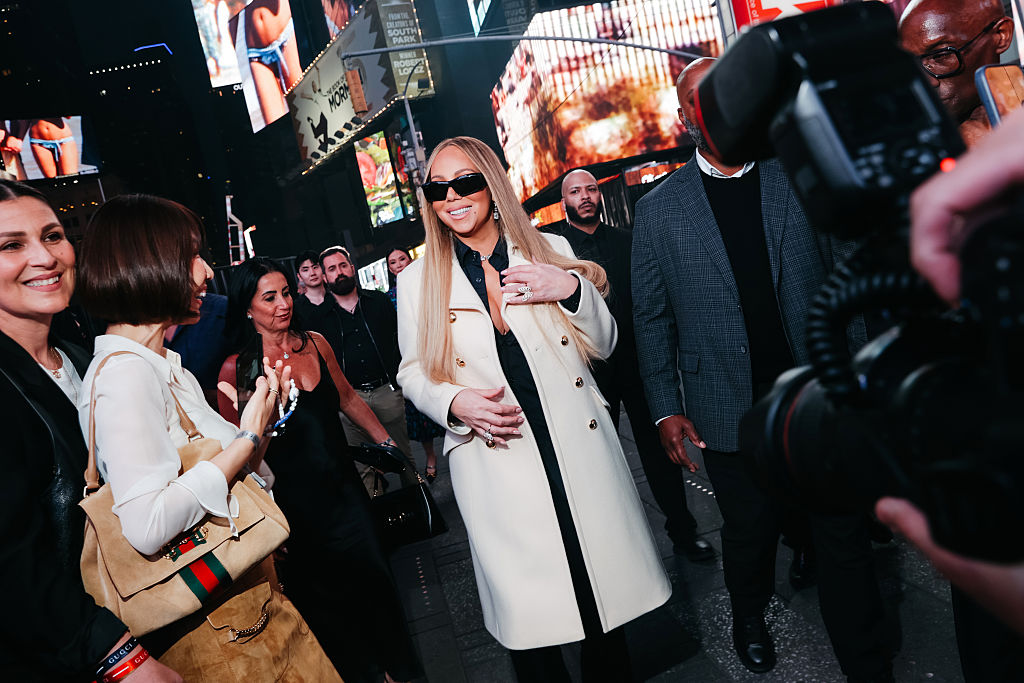
Black women are often granted success, visibility, and admiration, yet rarely the freedom to evolve without scrutiny. Perhaps the anxiety surrounding aging female entertainers has less to do with the artists themselves than with what they represent. For audiences who have spent decades growing up alongside these women, every wrinkle, vocal change, reinvention, or life transition becomes a reminder that time is moving forward for everyone else too.
These women don’t simply represent themselves anymore. They represent entire chapters of people’s lives. Their music soundtracked first crushes, heartbreaks, high school dances, college years, marriages, motherhood, and moments of self-discovery. When we look at them, we’re often looking at earlier versions of ourselves. Sitting in both the Renaissance and Cowboy Carter tours, there was something surreal about watching Blue Ivy and Rumi appear beside her. Not because it made Beyoncé seem older, but because it reminded me of how much time had passed. The same is true of Rihanna. I was 8 years old when “Pon de Replay” introduced her to the world. Today, she’s a billionaire, a mother, and someone who no longer feels obligated to release music every year simply because audiences demand it. The constant need to prove yourself begins to fade. You become more comfortable with who you are. You stop performing for everyone else.
Maybe that’s why aging feels so uncomfortable in pop culture. It’s easier to critique a celebrity’s changing appearance, priorities, or public image than it is to acknowledge what those changes reflect back to us. As audiences age, our relationship to these artists changes too. We stop seeing them solely as stars and begin to appreciate them as people. The music hits differently. The choices make more sense. The lineage becomes clearer. What once looked like reinvention often reveals itself to be growth.
More importantly, there’s something deeply rewarding about watching your favorite artists live long enough to become fuller versions of themselves. To watch them fall in love, have children, make mistakes, start over, find new creative directions, and return with a deeper understanding of who they are. The music often improves because the life behind it grows richer. Eventually, the experiences they’re singing about begin to meet the experiences we’re living through ourselves. That’s the whole point of aging anyway. Not to remain frozen in time, but to keep growing, keep learning, and hopefully have something worth sharing on the other side of it.