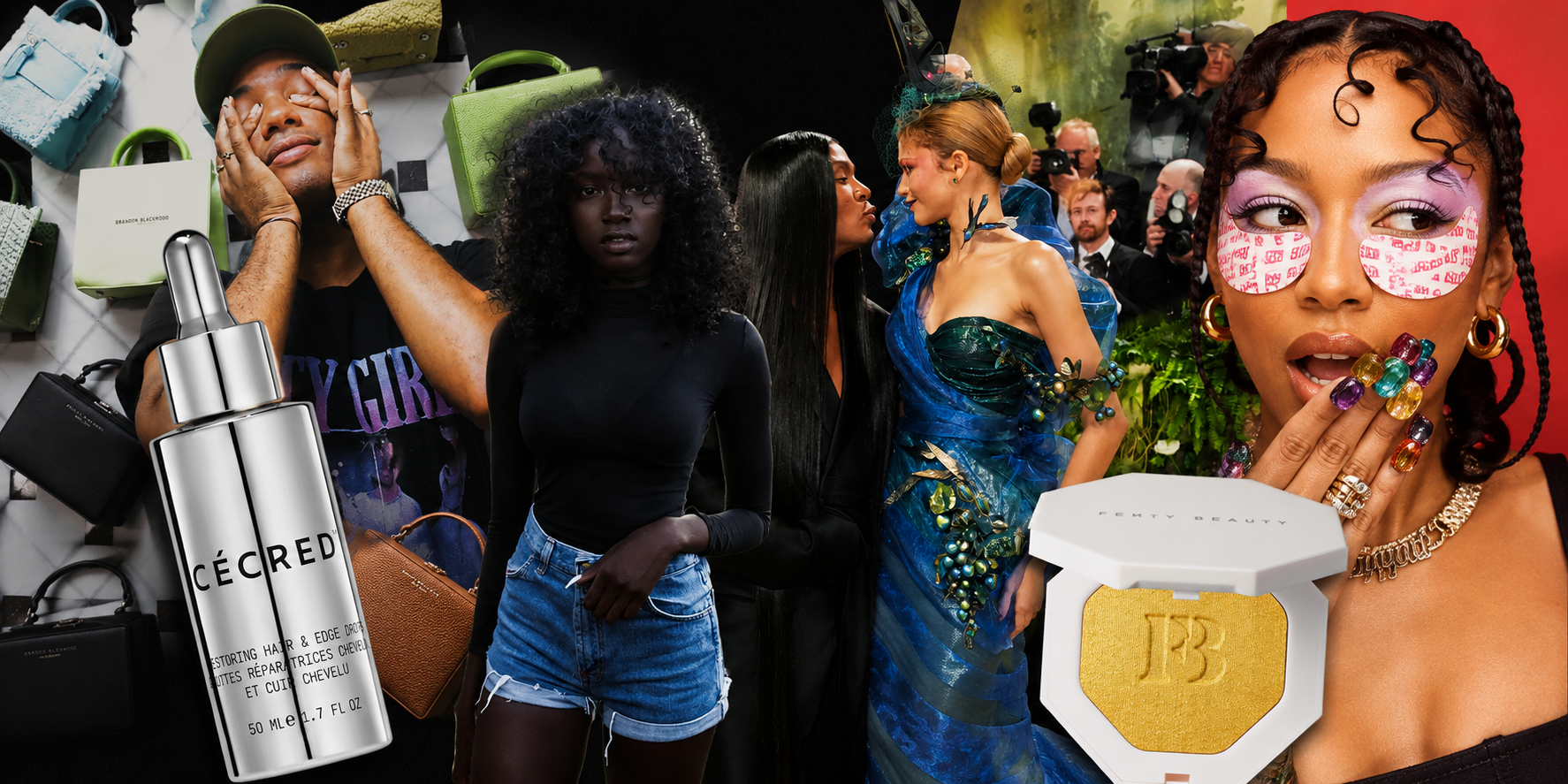
If the previous era established Black fashion and beauty as the blueprint for contemporary culture, the decade that followed fundamentally changed who held the blueprint. The defining story of modern fashion is no longer simply one of representation. It is one of ownership. Black designers, founders, stylists, image makers and entrepreneurs are no longer waiting for institutions to recognize their influence. They are building brands, leading luxury houses, reshaping corporate boardrooms and creating new ecosystems that center Black consumers from the very beginning. For perhaps the first time in American fashion history, Black creativity is not only setting the cultural agenda. It is increasingly controlling the business behind it.
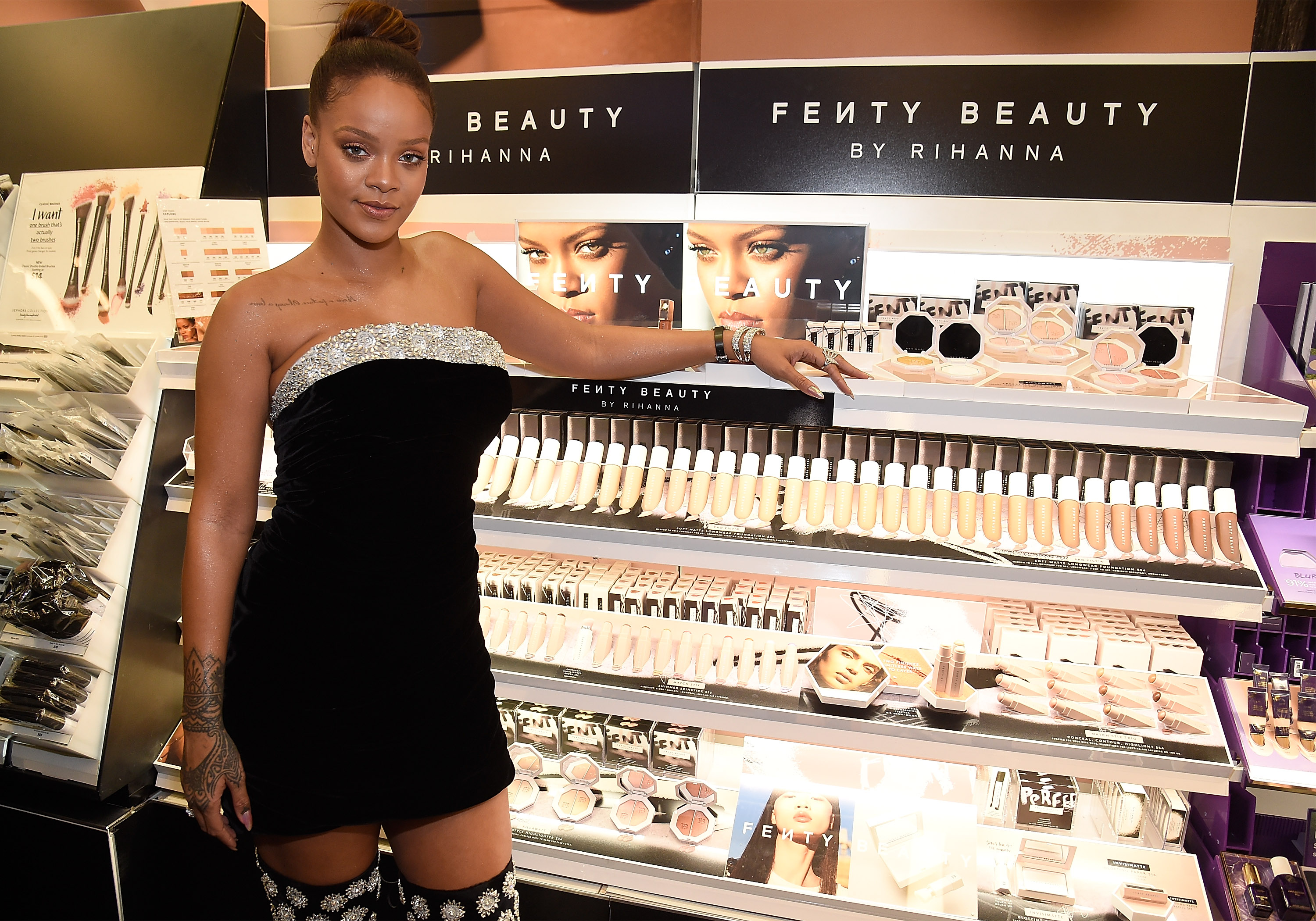
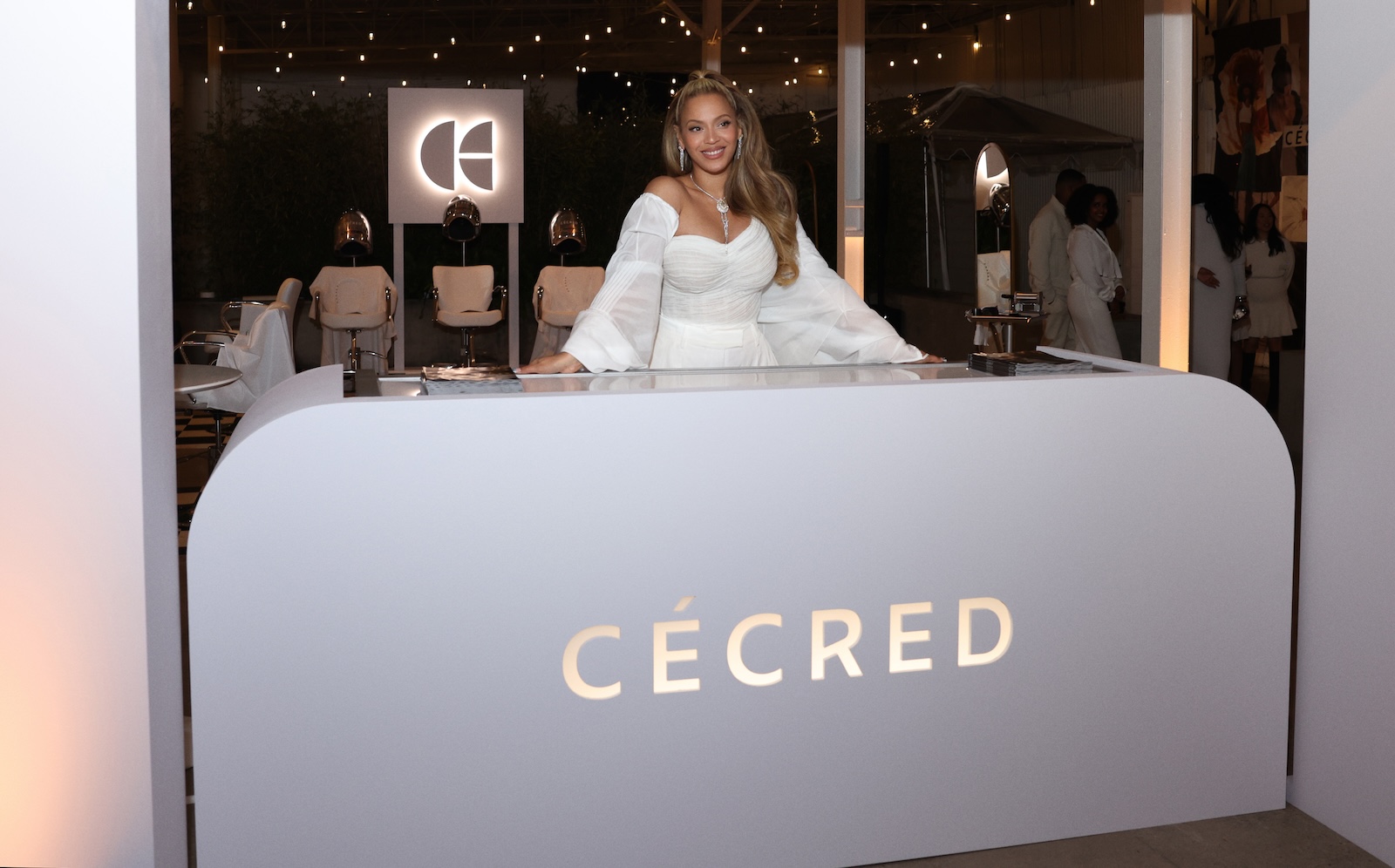
That transformation can be seen across every corner of the industry. Rihanna’s Fenty Beauty forever changed the cosmetics business by proving that inclusivity was not a niche marketing strategy but the future of beauty. Telfar Clemens reimagined luxury through accessibility, creating an “It” bag defined not by exclusivity but by community. Hanifa merged technology with storytelling through groundbreaking digital runway presentations, while founders behind Pattern Beauty, Topicals, Cécred, Ami Colé, Mielle Organics and Brandon Blackwood built businesses that addressed consumers long overlooked by mainstream brands. Together, these companies demonstrated that Black-owned brands were no longer responding to the market. They were redefining it.
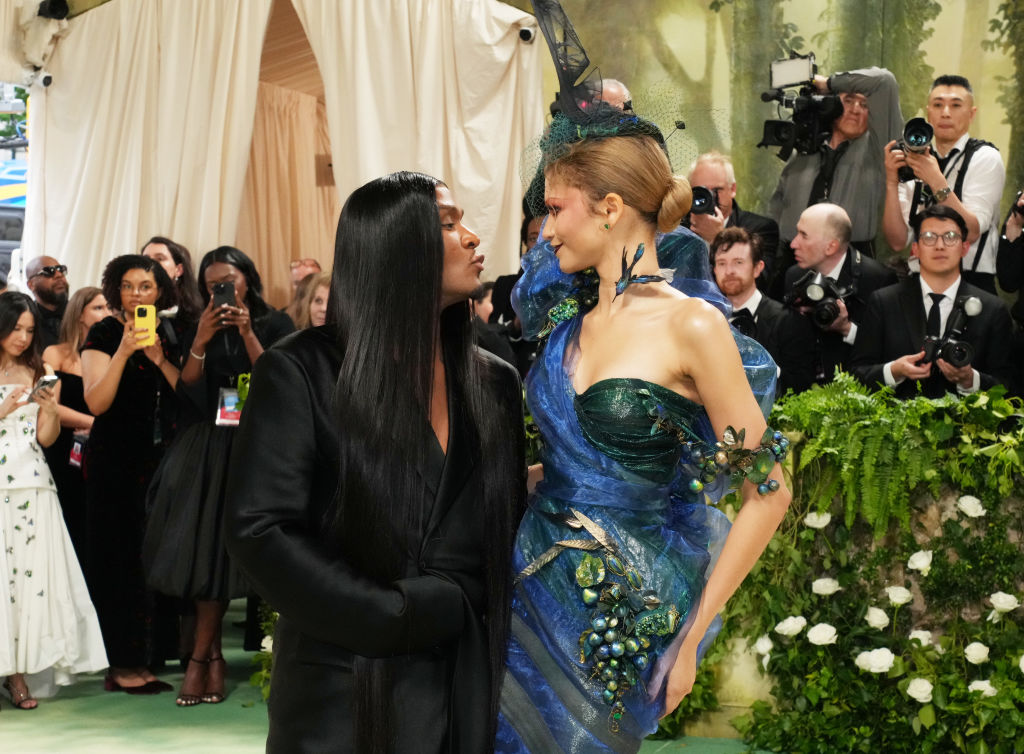
Luxury fashion experienced an equally profound shift. Virgil Abloh’s appointment as Men’s Artistic Director of Louis Vuitton shattered one of fashion’s most enduring glass ceilings, while Kerby Jean-Raymond’s historic Pyer Moss couture presentation reframed Black history as haute couture. Stylists including Law Roach, Zerina Akers, Jason Bolden, Kollin Carter and Wayman + Micah transformed celebrity dressing into cultural storytelling, while designers like Christopher John Rogers, Sergio Hudson and Theophilio became symbols of a new generation whose work moved seamlessly between the runway, Hollywood and the White House. Representation expanded alongside ownership as models like Paloma Elsesser, Precious Lee, Aaron Rose Philip and Anok Yai challenged longstanding ideas about beauty, size, disability and gender expression, while organizations including the Black Fashion Council and the Fifteen Percent Pledge pushed the industry toward structural change rather than symbolic inclusion. Cultural moments such as Black Panther, Ruth E. Carter’s Academy Award-winning costume design and Beyoncé’s Renaissance World Tour further demonstrated that Black fashion had become one of the world’s most powerful vehicles for storytelling, politics and cultural expression.

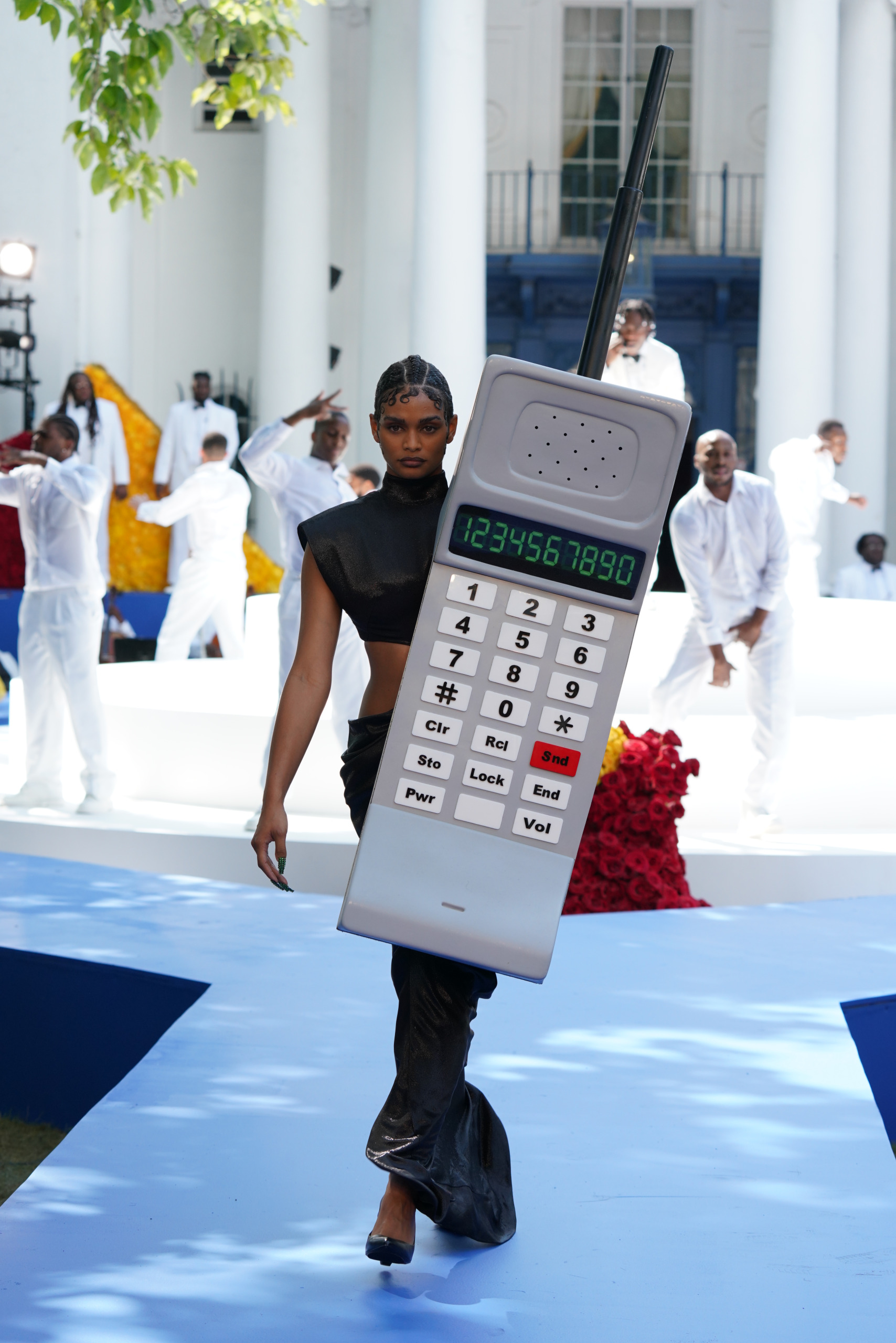
Yet history rarely ends with a final chapter, and neither does Black fashion. Every season introduces a new designer challenging convention, a beauty founder solving problems overlooked by the mainstream, a stylist redefining celebrity image and a makeup artist, hairstylist or nail artist creating tomorrow’s visual language. The timeline you’ve traveled throughout this series isn’t complete because Black creativity has never stood still. It continues to evolve with every collection, campaign, product launch and cultural moment.
As this final chapter looks beyond America’s first 250 years, it also looks toward the next generation already shaping the future. Emerging designers, beauty entrepreneurs, stylists, photographers, makeup artists, hair innovators and Black-owned brands are writing the next chapter in real time, expanding an archive that remains beautifully unfinished. If the past two and a half centuries have taught us anything, it is that Black fashion and beauty have never simply reflected America. They have continuously reimagined it. And history suggests the next 250 years will be no different.