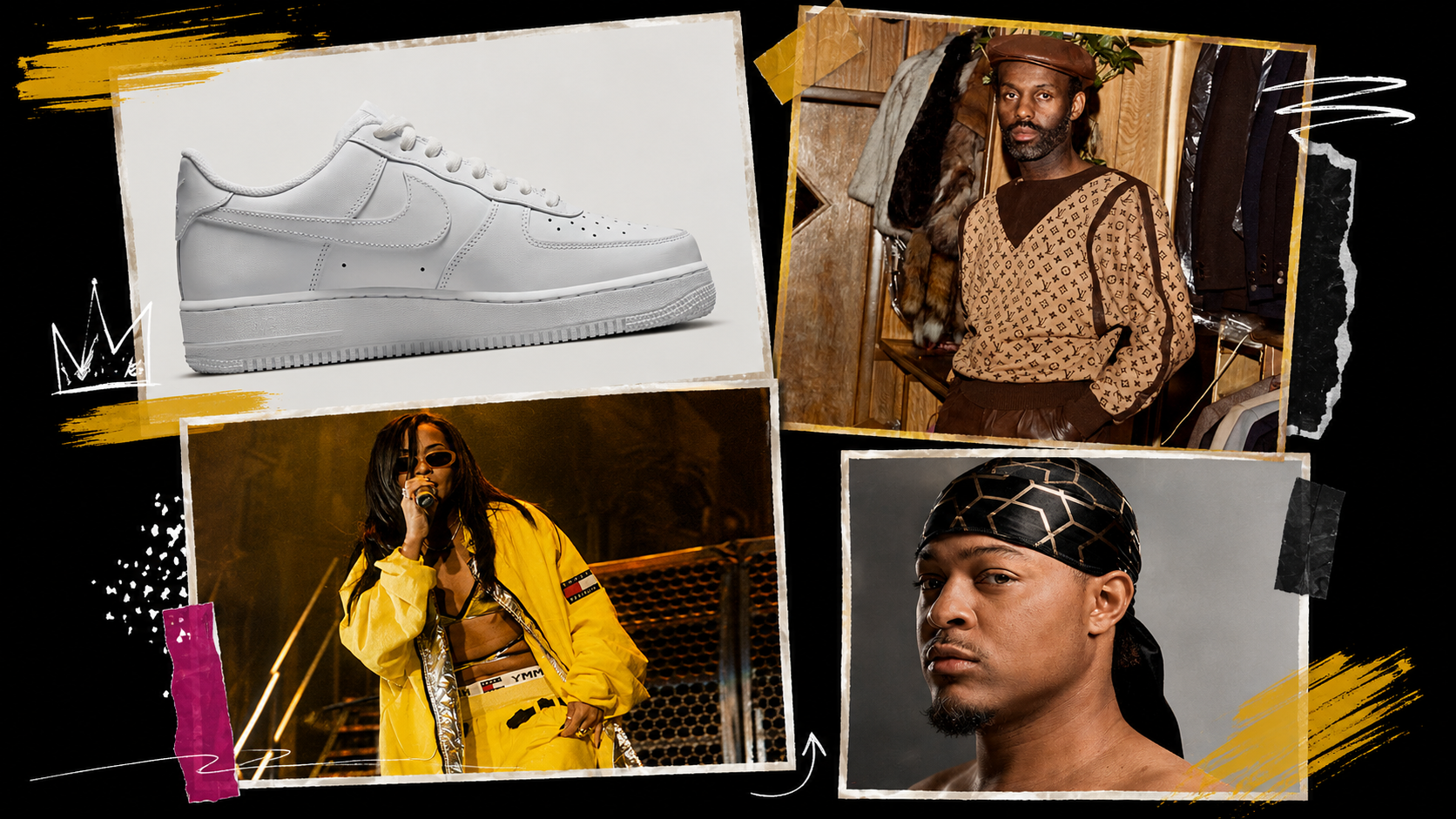
By the close of the twentieth century, Black fashion and beauty had moved far beyond the borders of Black America. What began as expressions of community and cultural identity evolved into one of the country’s most influential exports, reshaping the way the world dressed, shopped and defined beauty. Hip-hop became the dominant visual language of a generation, transforming music into a runway and neighborhoods into incubators of global style. From Harlem to Compton, Atlanta to Houston, Black communities dictated the trends that luxury fashion houses, beauty brands and popular culture would spend decades trying to emulate. America didn’t simply consume Black style. It exported it.
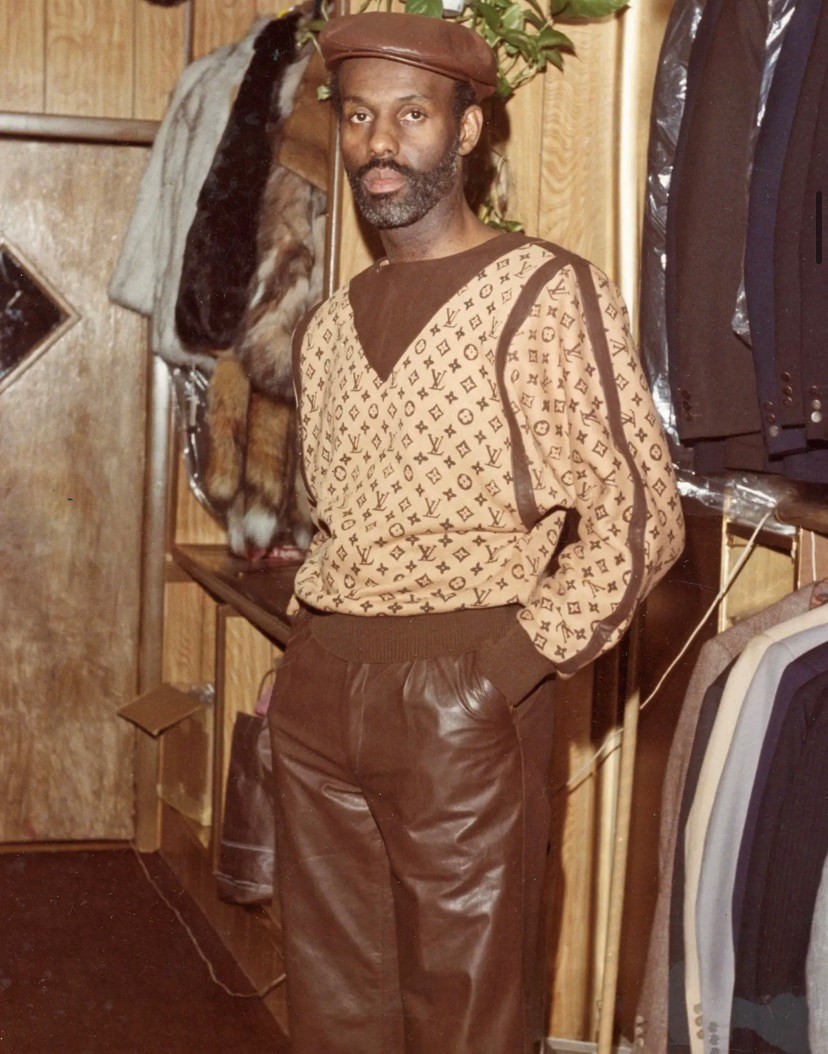
Across every region, Black aesthetics developed distinct identities that collectively redefined American fashion. New York gave the world Dapper Dan’s luxury remix, Harlem’s aspirational streetwear and the rise of brands like FUBU, Karl Kani, Cross Colours, Pelle Pelle and Phat Farm that proved Black designers could shape the marketplace on their own terms. The West Coast introduced gangsta rap’s relaxed uniform of khakis, Dickies, flannel shirts, Raiders caps, Chuck Taylors and pristine sneakers while figures like Snoop Dogg made silk presses, finger waves and impeccably groomed hair as much a part of masculine style as gold rope chains and lowriders.
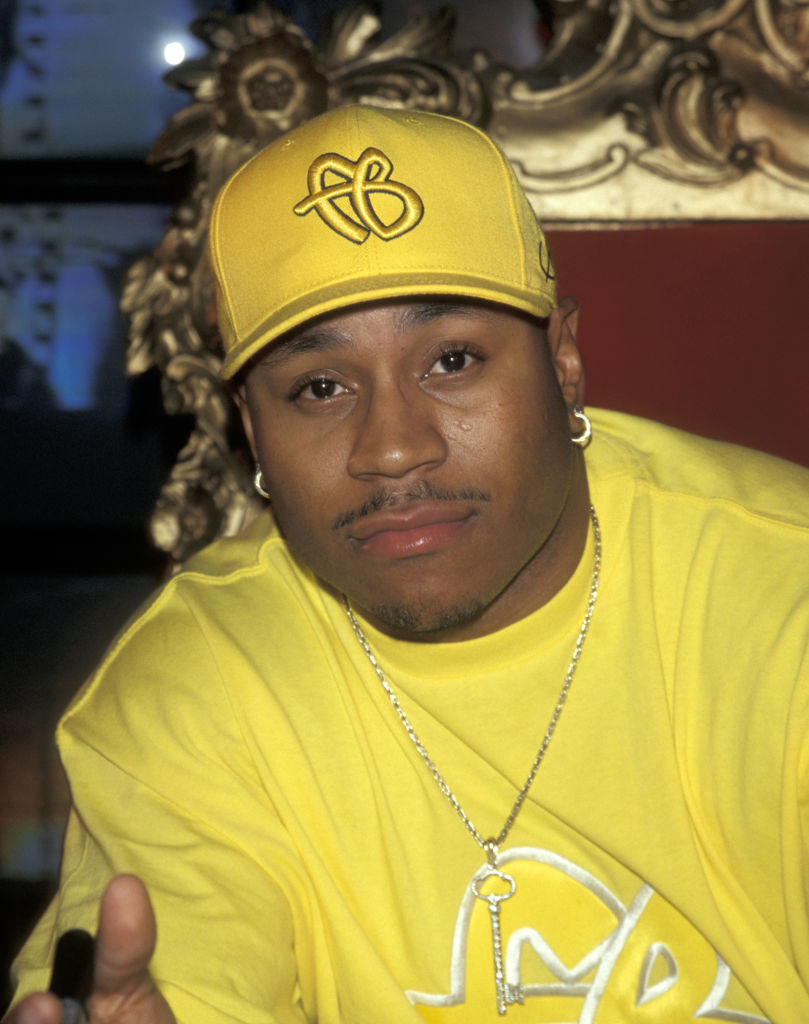
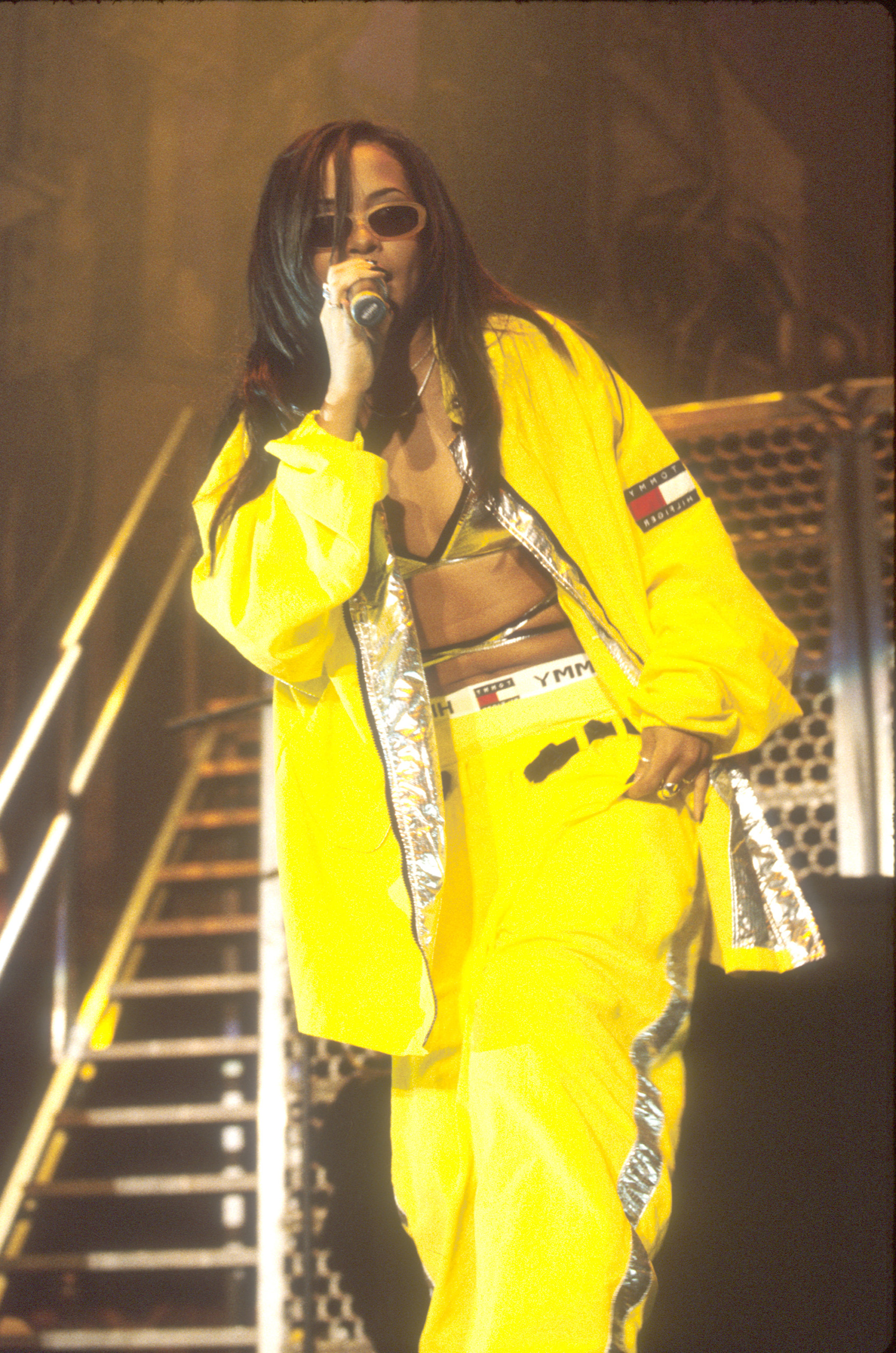
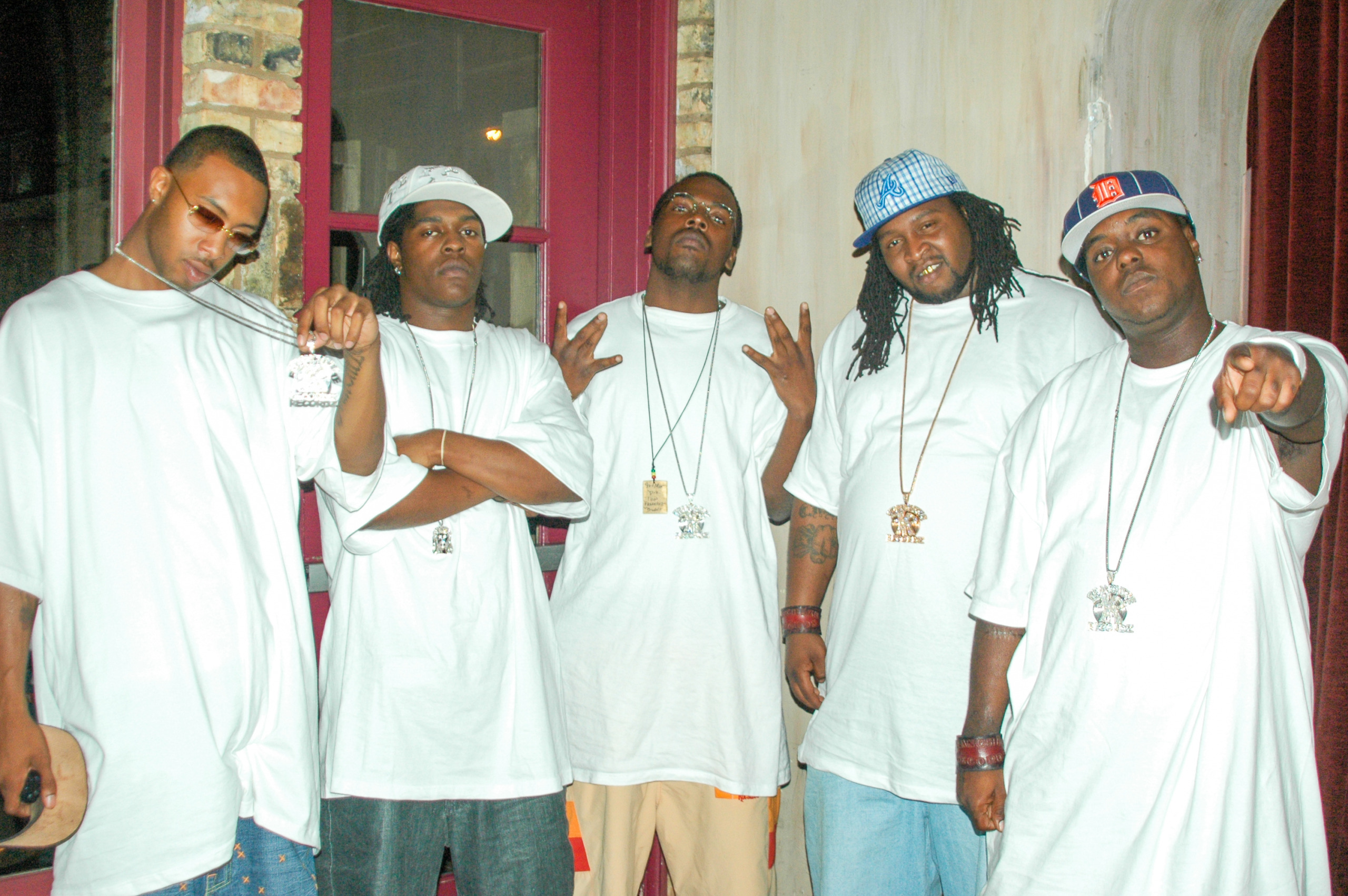
Down South, oversized white tees, Air Force 1s, grills, heavyweight gold jewelry and unapologetic swagger became symbols of regional pride before evolving into staples of mainstream fashion. At the same time, brands like Baby Phat brought glamour to streetwear, Coogi sweaters became synonymous with hip-hop luxury and Tommy Hilfiger, Timberland and Clarks found new life through Black communities that transformed heritage labels into cultural icons. Michael Jordan’s signature sneakers created an entirely new economy around footwear, forever changing the relationship between sports, fashion and commerce.
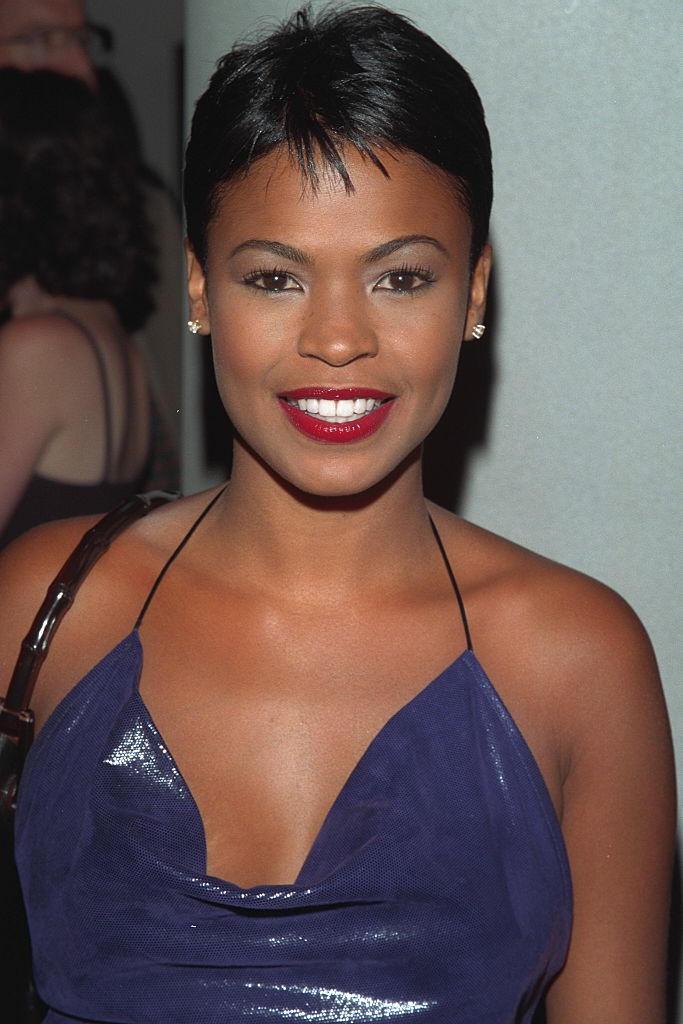
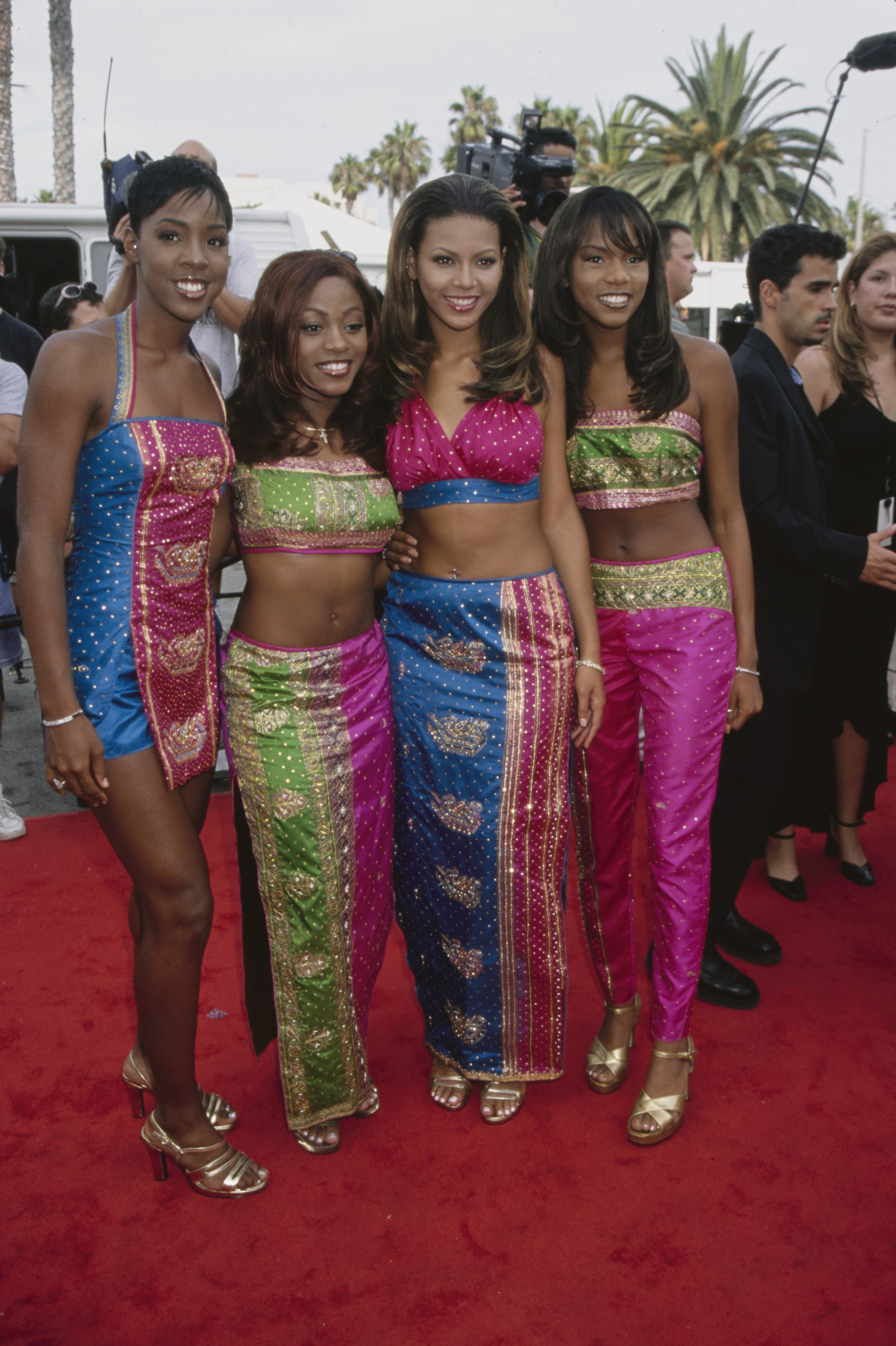
The era also transformed beauty into a cultural conversation. Halle Berry’s pixie cut, Nia Long’s effortless cropped styles, Toni Braxton’s close-cut confidence and Monica’s ever-evolving short hairstyles challenged long-held ideas of femininity, while Aaliyah’s oversized silhouettes, bandanas, dark sunglasses and effortless tomboy luxury introduced an entirely new blueprint for cool. Television amplified these shifts. Sister, Sister documented Tia and Tamera Mowry’s evolution from playful curls to sleek silk presses as they entered adulthood, while Moesha, The Fresh Prince of Bel-Air, Girlfriends and 106 & Park became weekly style references for millions of Black households. Even friendship had a fashion language. Destiny’s Child popularized coordinated dressing that inspired groups of friends to wear matching colors, fabrics and silhouettes without looking identical, creating a visual code that defined birthdays, school dances and nights out for an entire generation.
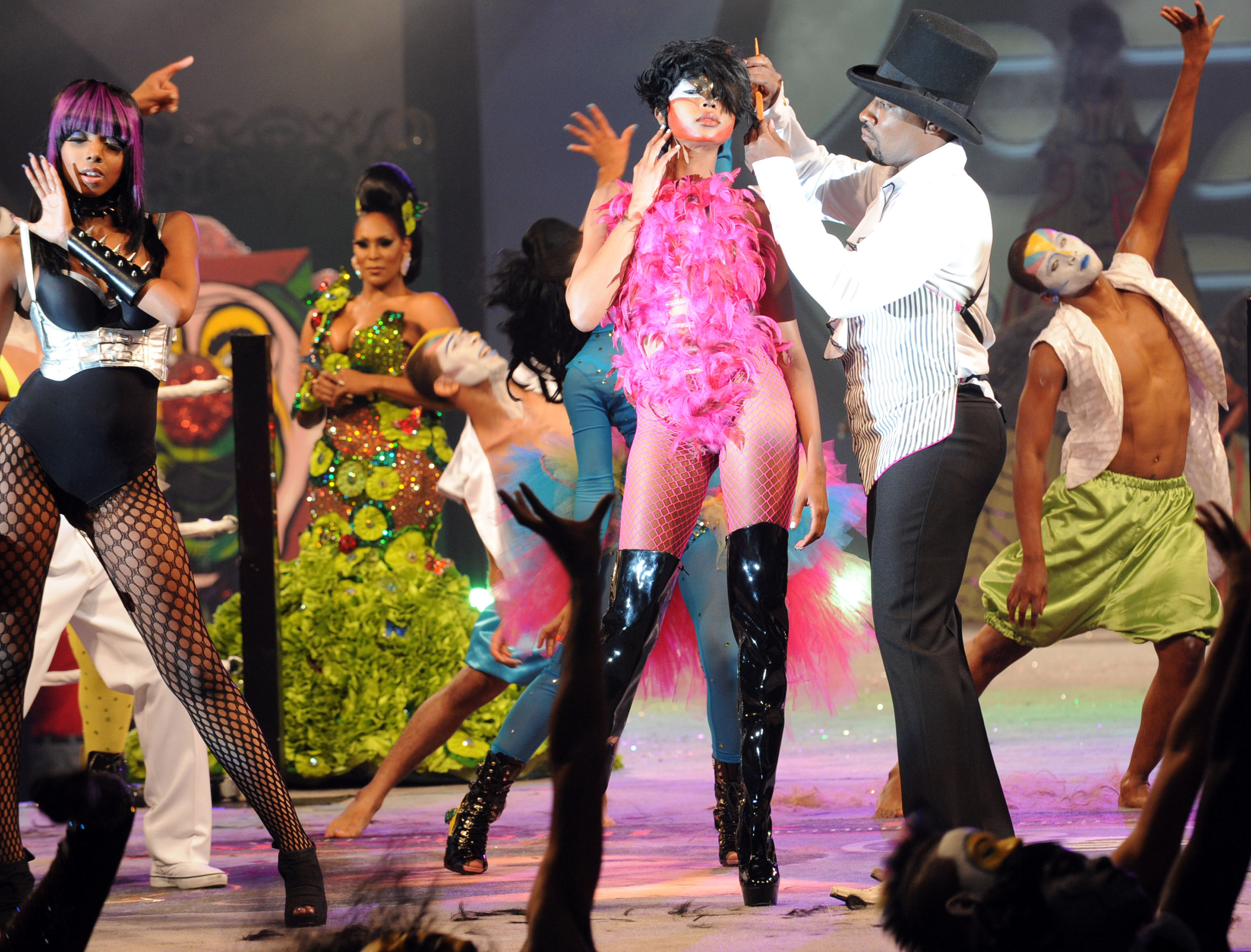
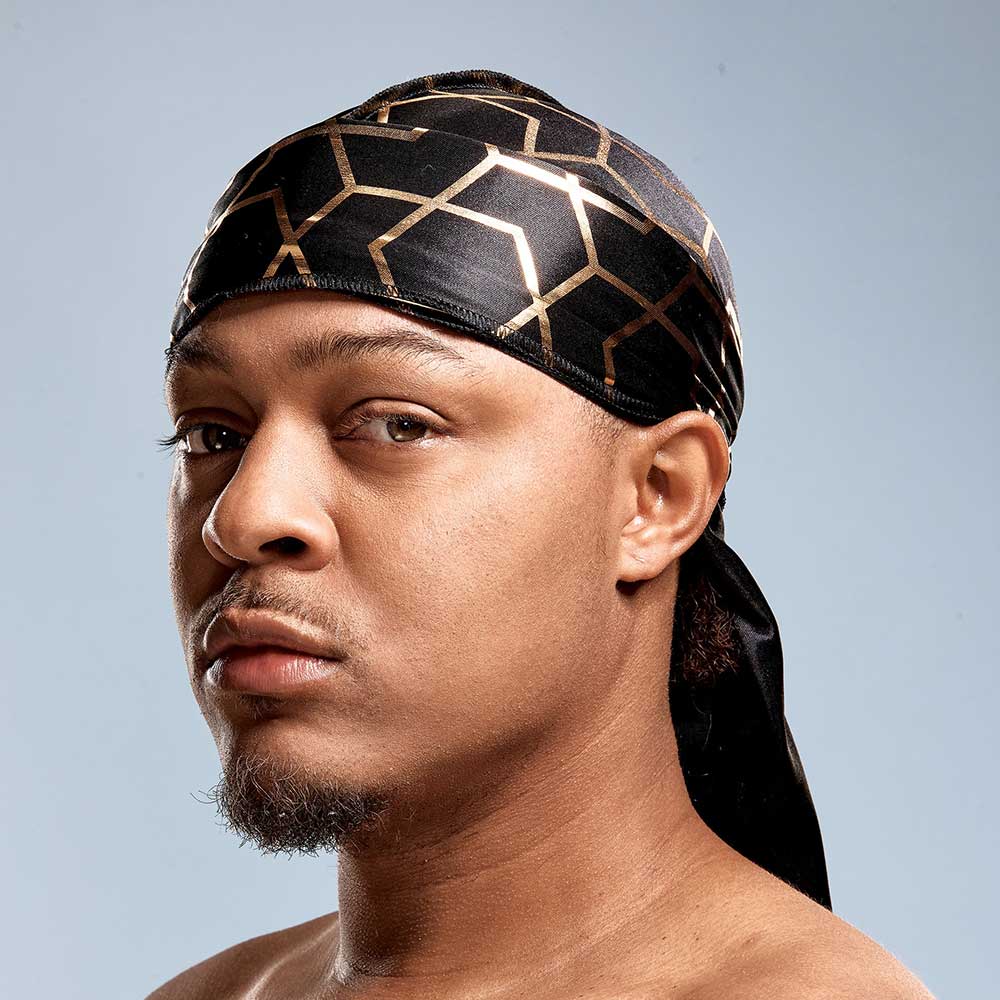
Beauty experienced an equally profound transformation. Iman Cosmetics proved luxury makeup could center Black consumers long before inclusivity became an industry buzzword, while the Bronner Bros. Hair Show became an annual celebration of artistry where hairstylists pushed the boundaries of creativity and innovation. The durag evolved from a grooming essential into a cultural emblem, reflecting the ways Black hair rituals continued to influence style far beyond the barbershop and salon.
As the internet reshaped media, Black beauty found an entirely new stage. The natural hair renaissance flourished through YouTube, where creators like Jackie Aina, Alyssa Ashley, Patricia Bright and countless others democratized beauty expertise that magazines and cosmetics companies had long ignored. Tutorials on foundation matching, protective styles, wash days and product reviews became the new beauty counter, empowering Black consumers while helping Black-owned brands reach audiences directly.
By 2014, Black fashion and beauty had become more than influential. They had become the blueprint for contemporary American style. The moments that follow chronicle the designers, artists, entrepreneurs, entertainers and image makers who transformed regional movements into a global aesthetic, laying the foundation for the next era, when Black creatives would no longer just influence the industry but begin leading it from the inside.
In Part IV: Ownership, Luxury & Cultural Power (2015–Present), the story shifts from influence to ownership. We’ll explore how visionaries like Virgil Abloh, Kerby Jean-Raymond, Aurora James, Rihanna and a new generation of founders, designers, stylists and beauty entrepreneurs transformed boardrooms, luxury houses and beauty aisles, proving that the future of fashion isn’t just inspired by Black creativity. It’s increasingly being built, led and owned by it. From Fenty, Telfar and Topicals to the Black Fashion Council, the Fifteen Percent Pledge and the cultural impact of Black Panther and Beyoncé’s Renaissance, the next chapter examines what happens when Black creatives don’t just shape the conversation, but own it.
Shelton Boyd-Griffith (@sheltonboydgriffith) is a fashion and culture editor and curator based between St. Louis and New York City. His work explores the intersections of fashion, art, music and cultural innovation, with a focus on the creatives and conversations moving Black culture forward.