“Do you know what today is?”
For many Black Americans, those six words do more than recall a lyric. They evoke a feeling. “Anniversary” by Tony! Toni! Toné! has long been the soundtrack to wedding anniversaries and receptions, milestone celebrations, and quiet moments of gratitude. The song reminds us that anniversaries are not simply markers of time. They are invitations to remember where we’ve been, what we’ve endured, and who we’ve become.
America’s 250th anniversary deserves that same kind of reflection. Not because every chapter of our history is worthy of celebration, but because every chapter deserves an honest telling. They are about memory, and core memories are never neutral.
And for America, none of this storytelling is relevant or honest without the contributions, stories, and resilience of Black people.
Remembering the Whole Story
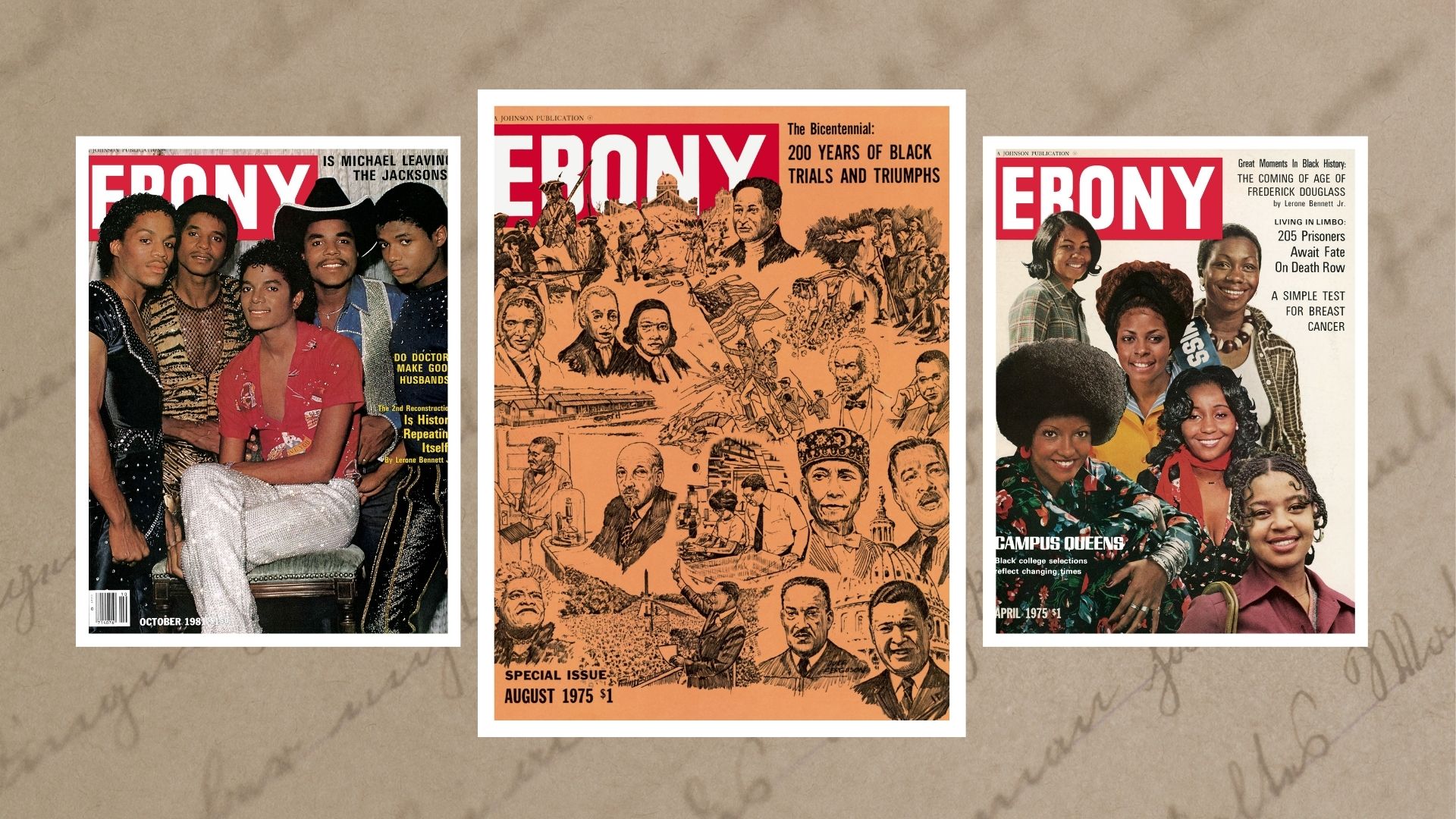
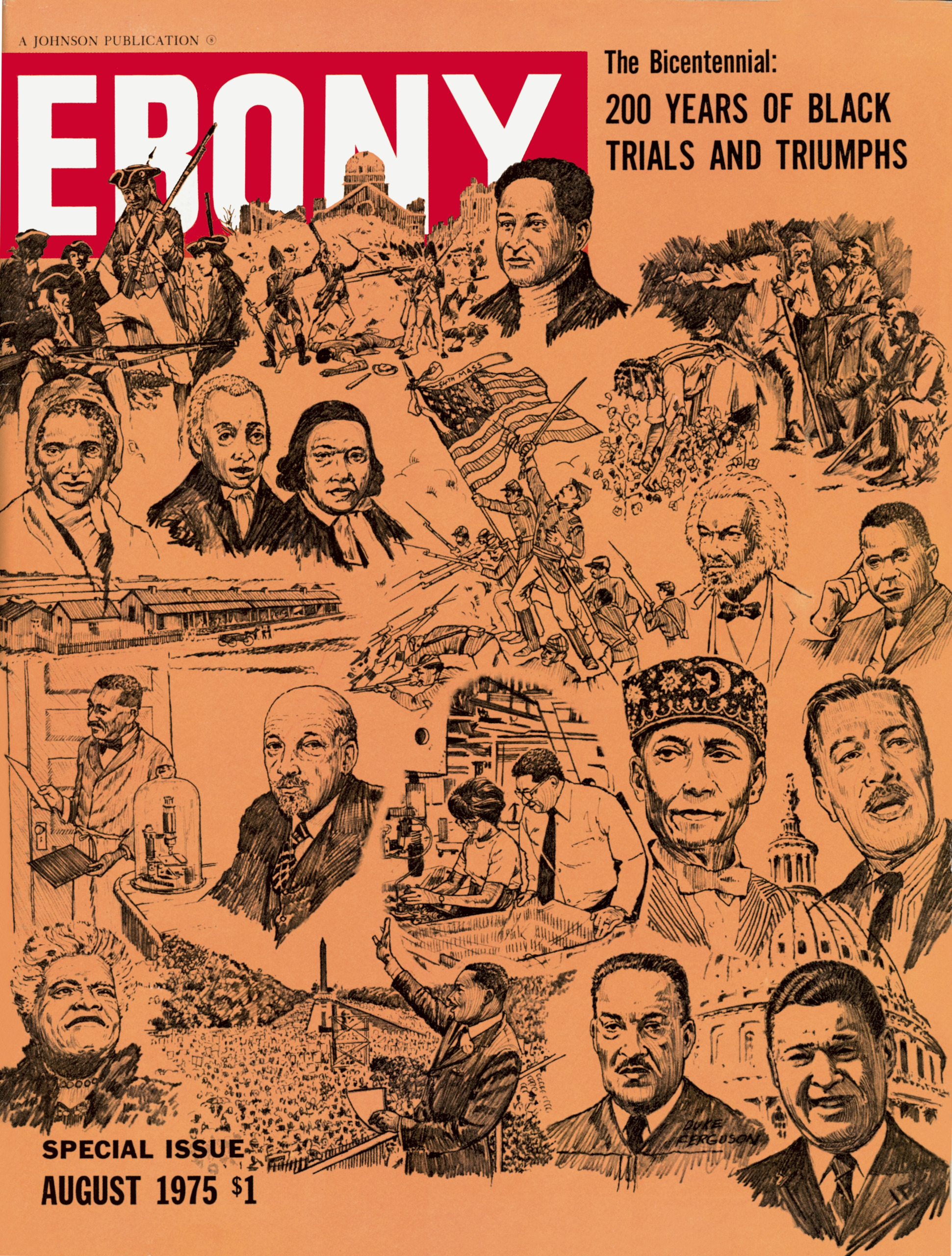
Fifty years ago, as the nation marked its bicentennial, EBONY resisted the temptation to tell a simpler story. In that edition, The Bicentennial: 200 Years of Black Trials and Triumphs, the magazine acknowledged the significance of the moment while refusing to separate celebration from truth. It recognized Black Americans had always stood at the center of the American story, even when America struggled to recognize us there. That perspective feels just as necessary today.
As America 250 begins, we are once again deciding what kind of nation we want to remember. There will be no shortage of speeches, ceremonies, and patriotic reflection. But history is diminished when it becomes selective. Love of country is not measured by how well we conceal its contradictions. It is measured by our willingness to confront them with honesty and to believe that truth makes us stronger, not weaker.
To tell the story of America honestly requires more than celebrating its victories. It requires telling the truth about the people whose hands built it, whose voices challenged it, whose brilliance reshaped it, and whose unwavering faith in freedom continually called it to become what it claimed to be. Black history is not separate from the nation’s history; it is foundational to it. Black culture is not adjacent to American culture; it is American culture. And the future of this nation will be written, as it always has been, with Black voices helping to define what America can become.
The Distance Between Promise and Practice
The American story has always been defined by a tension between its ideals and its reality.
In 1776, the Declaration of Independence proclaimed “all men are created equal” and endowed with the unalienable rights of life, liberty, and the pursuit of happiness. It could be argued those words would become among the most influential in human history and also among the most contested. For millions of enslaved Black people, liberty was not a lived experience but an unrealized promise.
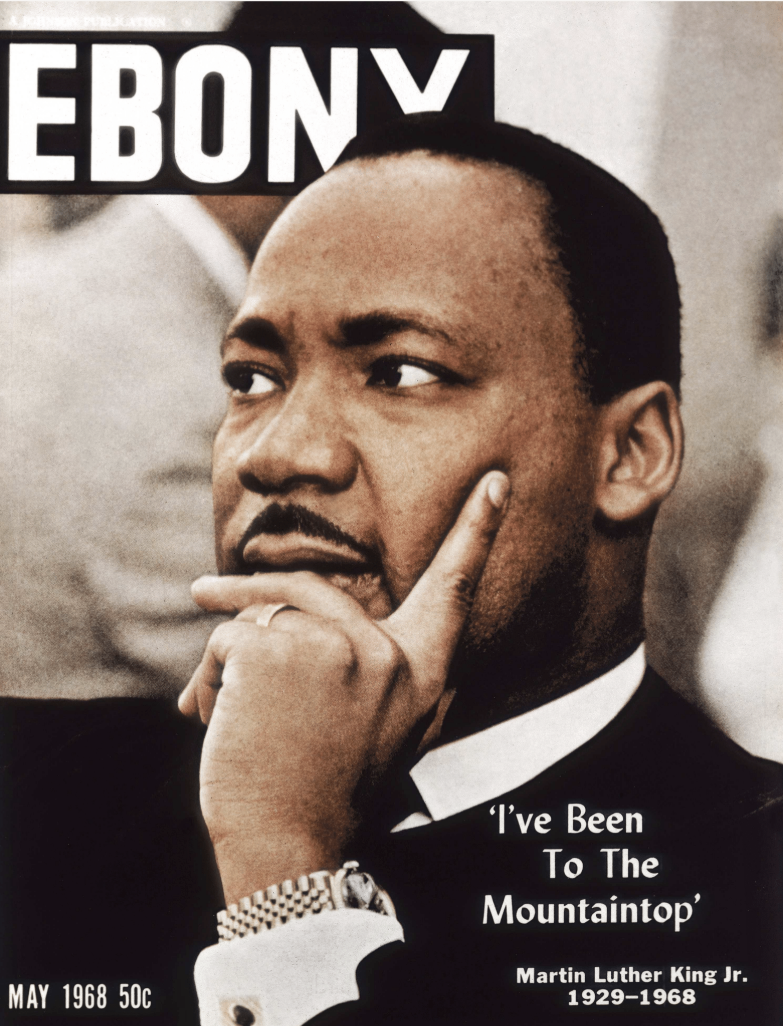
That is why Black history cannot be reduced to a timeline of oppression or progress. It is the story of a people who continually challenged the nation to close the distance between its founding ideals and its daily practice. In doing so, Black Americans did more than seek inclusion within the American story. We expanded its definition because we are the story.
The end of slavery marked a profound turning point, but it did not mark the end of the struggle. The freedom celebrated through Juneteenth reminds us that emancipation itself arrived unevenly, reaching the last enslaved Black Americans more than two years after the Emancipation Proclamation. Even then, freedom remained constrained by systems determined to preserve inequality. Reconstruction gave way to racial terror. Segregation became law. Voting rights were denied. Neighborhoods were redlined. Opportunity was rationed. Each generation inherited new barriers and found new ways to dismantle them.
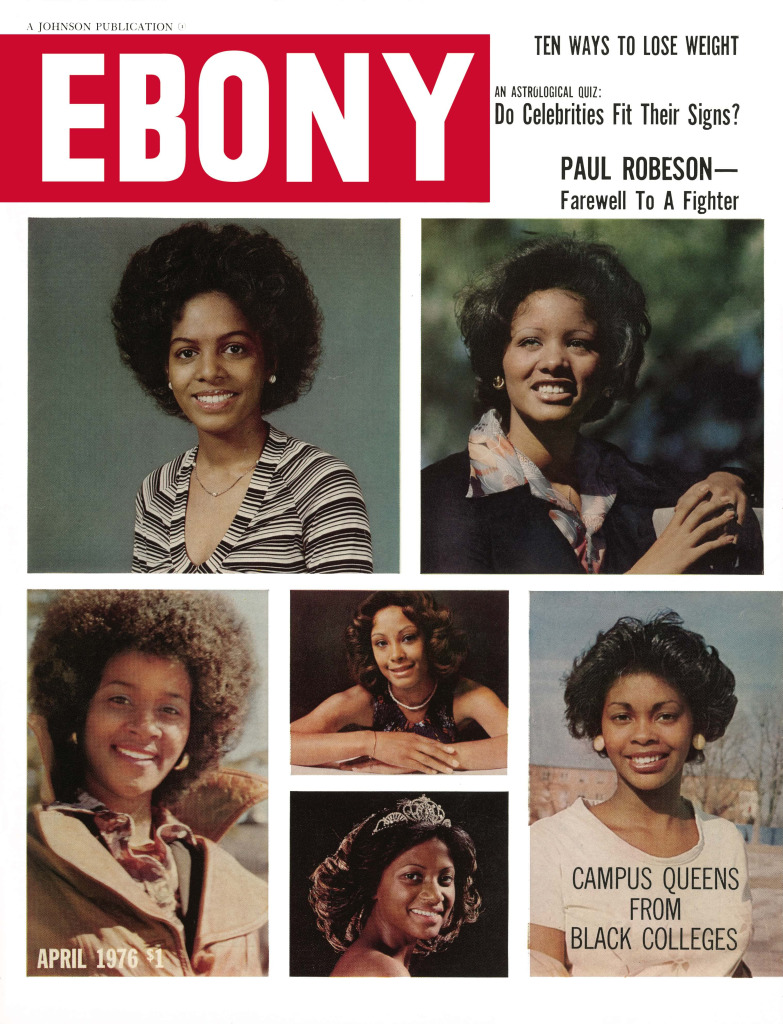
Yet, Black history is not defined solely by what we endured. It is equally defined by what we built.
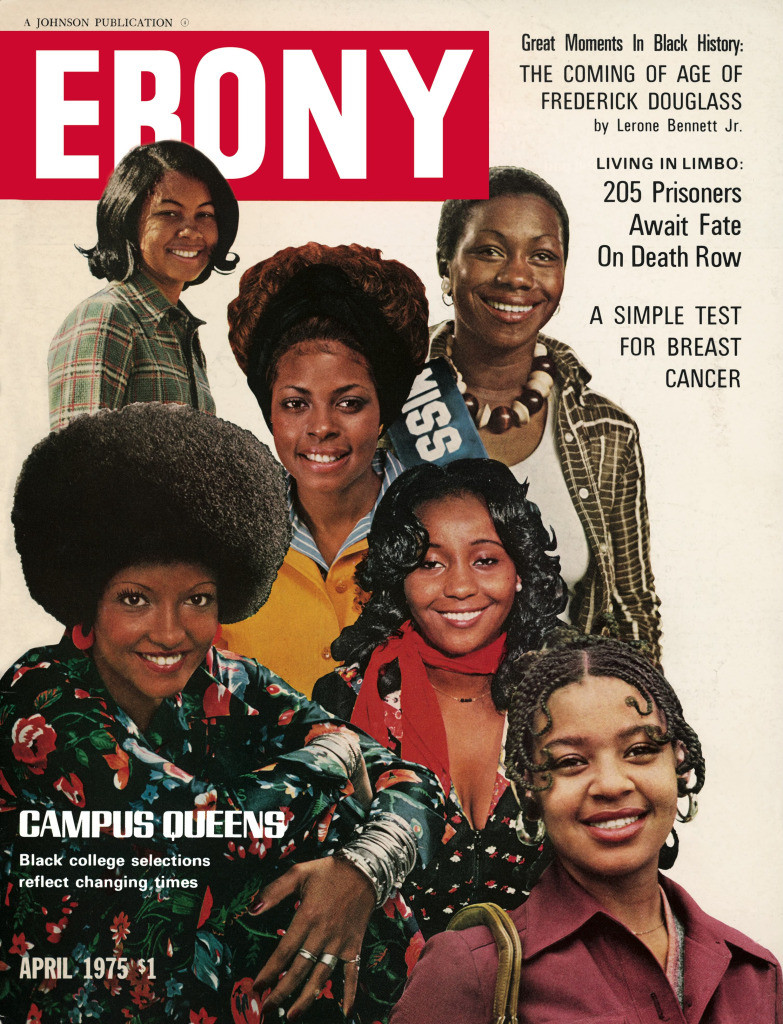
When newspapers ignored our communities, publications like EBONY and Jet stepped up to document our lives with rigor, dignity, and pride. When public spaces rejected us, our churches became sanctuaries for worship, organizing, education and mutual aid. Historically Black colleges and universities (HBCUs) cultivated intellectual traditions that continue to shape this nation. Fraternities and sororities forged networks of community, scholarship, and service. Black-owned businesses created pathways to economic independence while families, neighborhoods, and civic organizations became classrooms where perseverance, excellence, and collective responsibility were passed from one generation to the next.
The pursuit of Black freedom has never been about securing rights for one community alone. It has been about enlarging the meaning of freedom itself. In insisting America honor its highest ideals, Black Americans have continually made this nation more just, more creative, more democratic, and ultimately, more American.
Black Culture Is American Culture
To understand this country is to understand the people who continually imagined it beyond its limitations. Black Americans transformed pain into possibility, memory into movement, and tradition into innovation. From the cadence of our music to the rhythm of our speech, from our literature and scholarship to our fashion, faith, food, and film, Black culture has merely existed at the edges of American life.
The spirituals that carried hope through bondage became the foundation of Gospel. Gospel gave rise to soul. Soul informed rhythm and blues. R&B helped shape rock and roll. Jazz taught the world to improvise. Hip-Hop became the defining cultural language of a generation and then the world. Every era has carried forward echoes of the one before it, reminding us that Black culture has never remained still. The same is true beyond music.
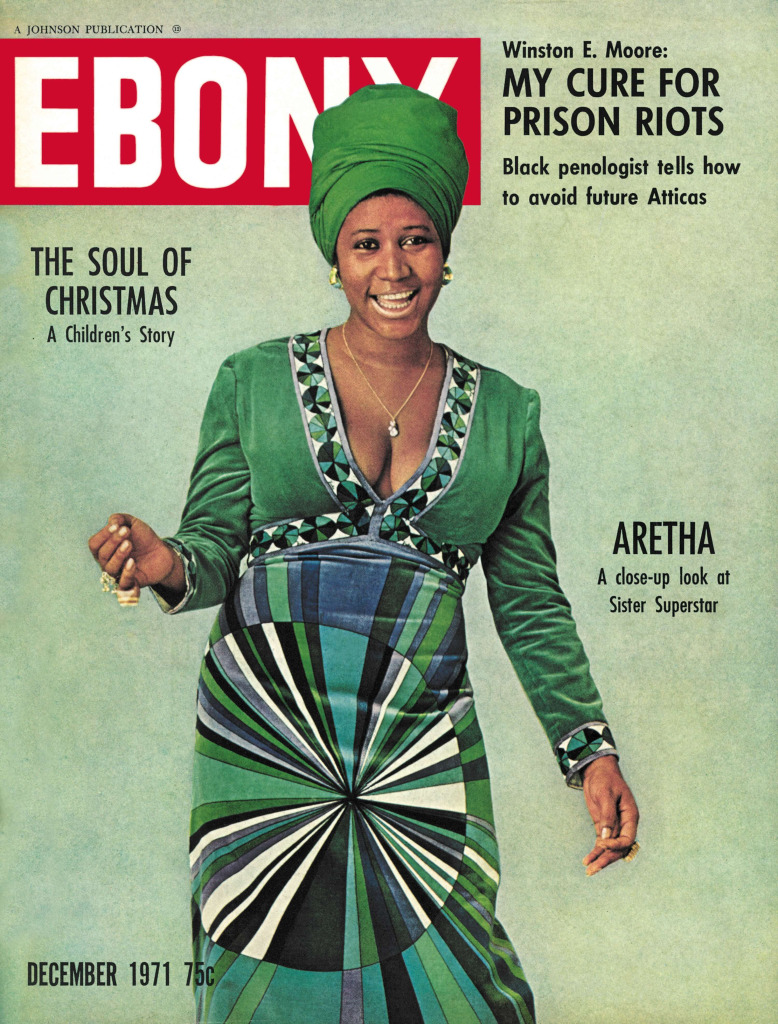
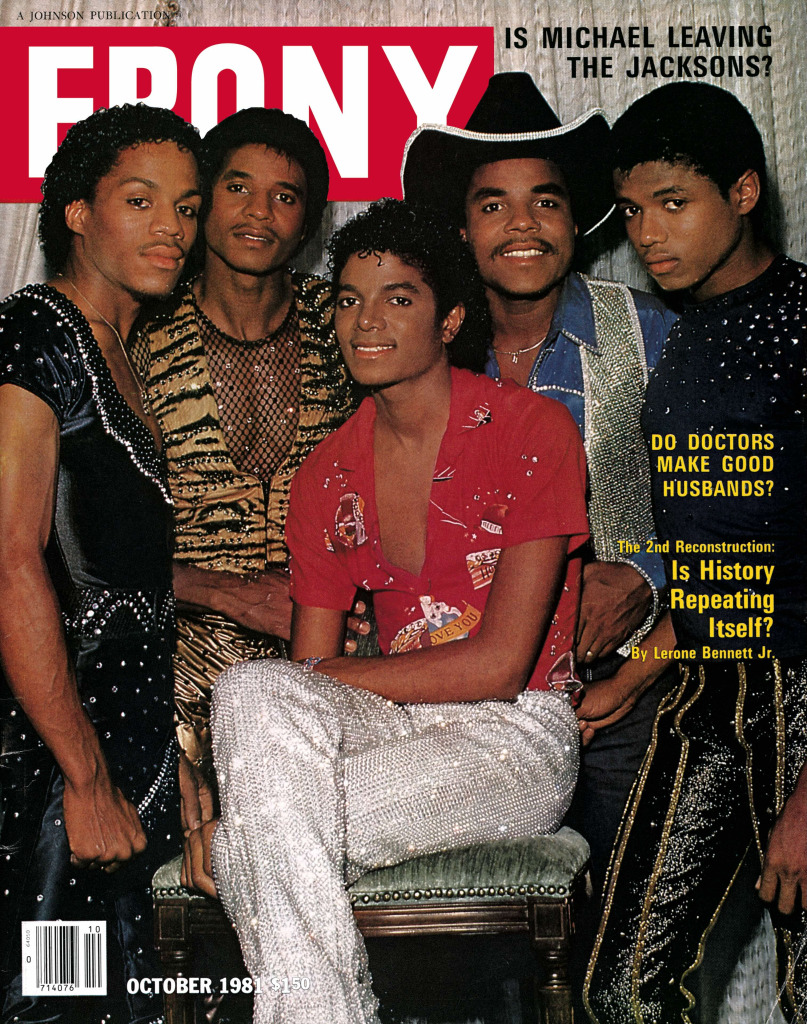
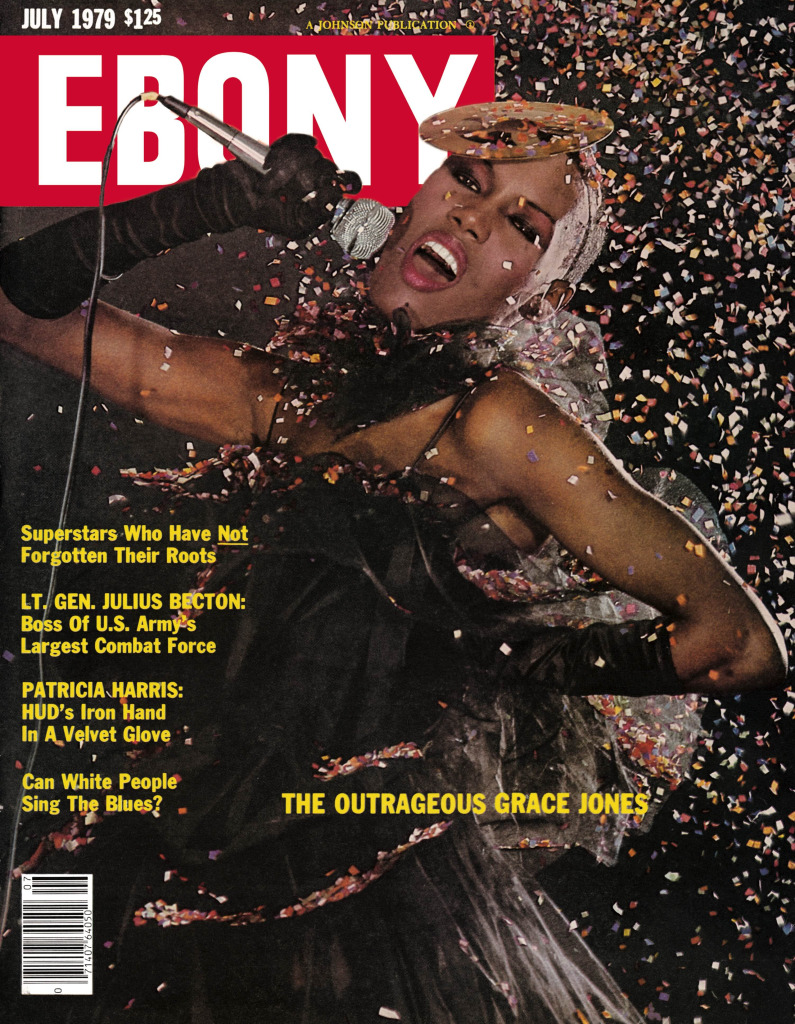
Walk through any city, university, boardroom, sanctuary, or neighborhood, and you will find Black ingenuity woven into the nation’s daily life. Whether it is Beyoncé reclaiming musical traditions while expanding the boundaries of artistic ownership, Stephen Curry redefining what excellence can look like through precision and joy, Kai Cenat building community for millions without waiting for traditional gatekeepers, Kendrick Lamar reminding us that lyricism can carry the weight of literature, or Ryan Coogler, Simone Biles, Ayo Edebiri, Colman Domingo, Amanda Gorman, and Coco Gauff continuing to shape how America sees itself, each generation reminds us that Black creativity is the expansion of what is possible in this world.
For nearly eight decades, EBONY, alongside JET, has chronicled more than headlines. It has preserved a living record of Black life in all of its complexity. Not only the marches and the movements, but the weddings, graduations, church anniversaries, family reunions, businesses, homecomings, neighborhood celebrations, and quiet victories that rarely found their way into history books but have always belonged to the history of this nation. Those pages remind us that history is not made only in the White House or the halls of Congress. It is made wherever ordinary people choose to live with extraordinary purpose.
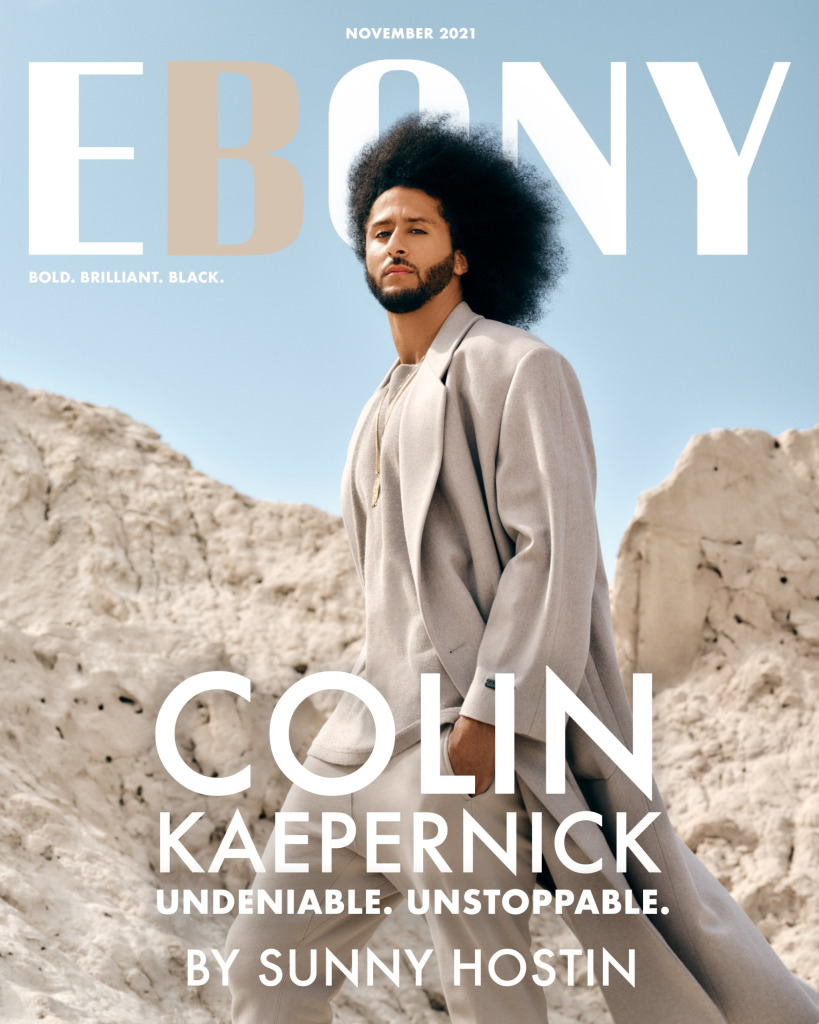
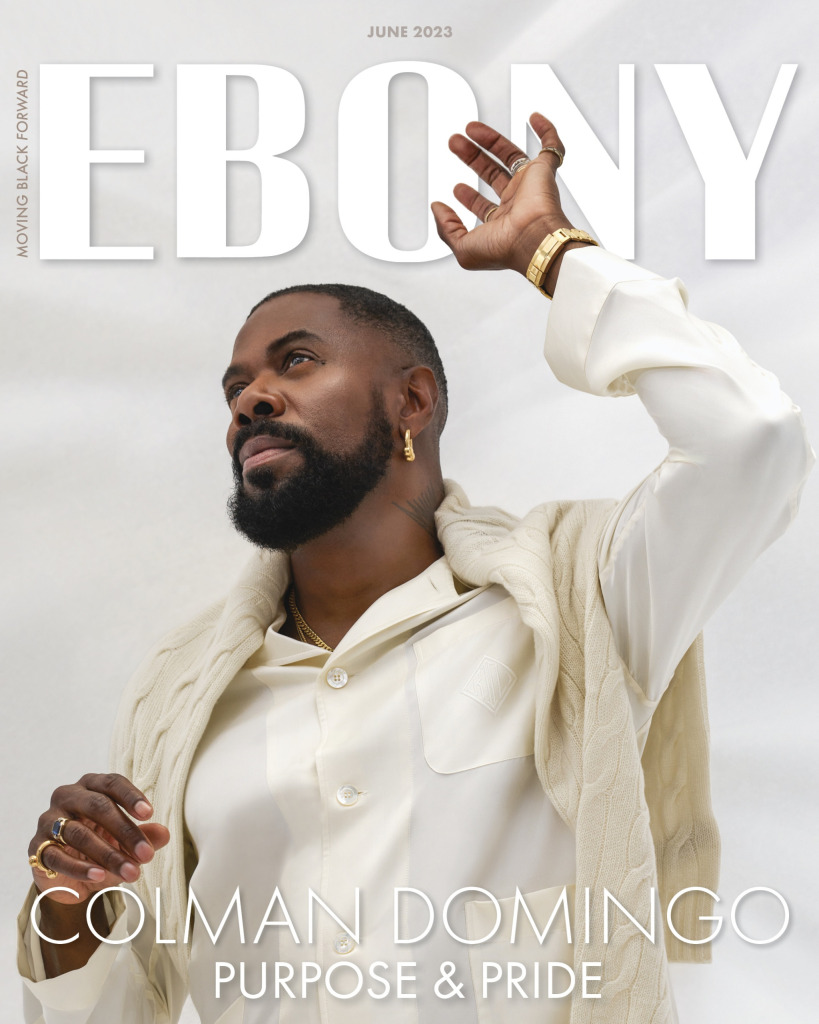
If the first 250 years were defined by the ongoing struggle to make America’s promises available to all, perhaps the next 250 can be defined by something equally transformative: the willingness to tell the nation’s story in full.
The story of America worth telling confronts the truth of slavery without allowing it to eclipse Black joy, celebrates emancipation while recognizing that freedom has always demanded vigilance, and honors the resilience and brilliance of those who came before us while making room for the dreamers, builders, artists, scholars, entrepreneurs, and leaders who are shaping what comes next. That is the America worth remembering. That is the America worth building. And that is the America EBONY has chronicled for generations because Black history has never been a footnote to the American story. It has always been one of its authors.
Josh Rodgers (@iamjoshrodgers) is the Founder and Principal Consultant of Culture Liberation Lab, where he partners with organizations to build trust, strengthen community partnerships, and design people-centered strategies that create lasting impact. Originally from Memphis, Tennessee, he is a writer covering culture, technology, sports, business, and social impact. His work has been featured in EBONY, AfroTech, Blavity News, Travel Noire, Shadow & Act, and BuzzFeed.