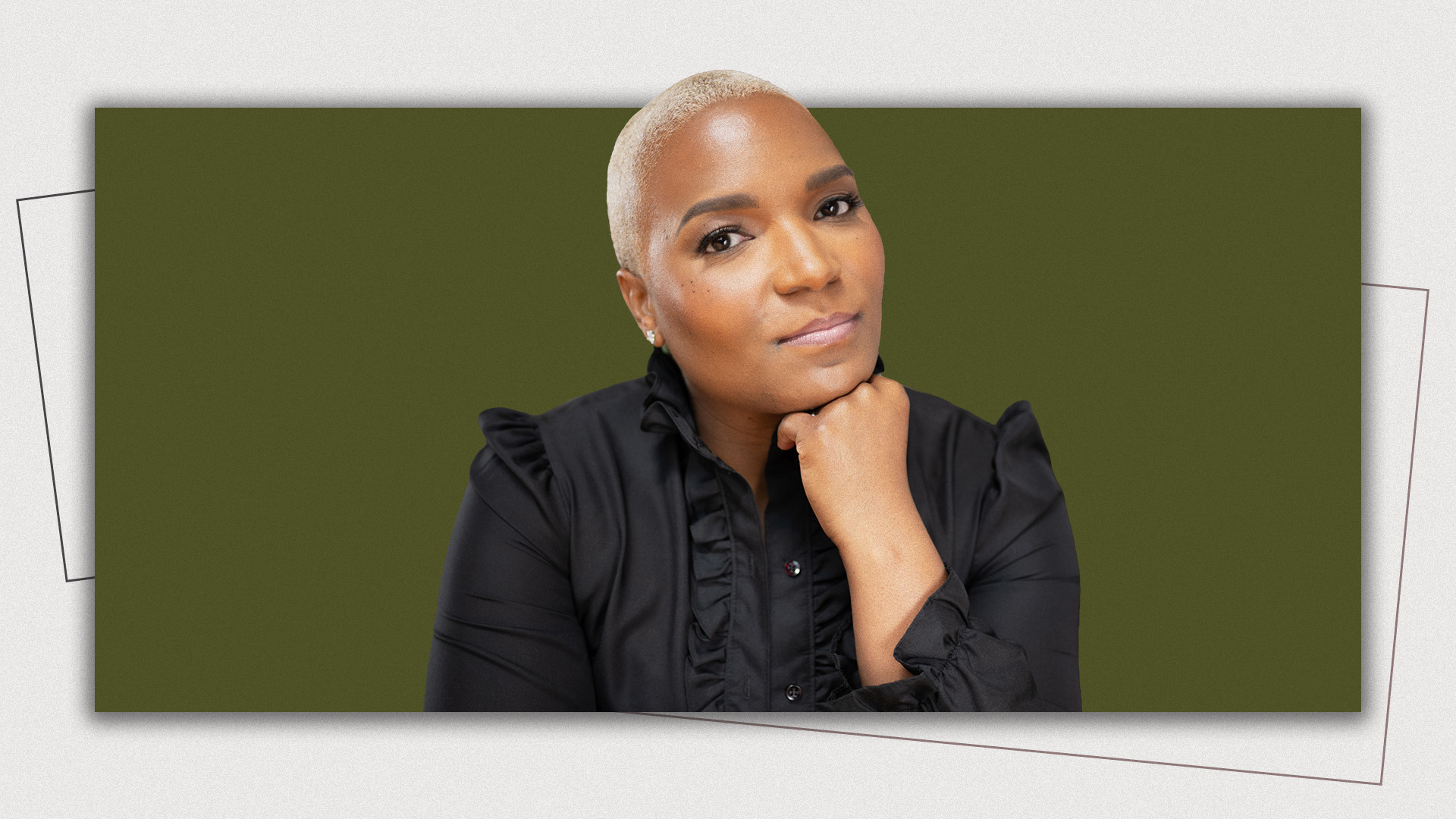
As told to Danyale Freeman
Dear Hillman College,
You’ve always been the place where I’ve wanted to be, undoubtedly. Being a part of your community by way of A Different World has served as a place of refuge since you came into my life at eight years old. I was living in Baltimore, Maryland at the time. Afternoons following a long school day were spent watching episode re-runs via VHS tapes, and relishing in the lives of characters that I saw so much of who I wanted to be reflected in. I remember coming home to re-watch the “A Stepping Stone” episode, where Whitley and Jaleesa had to pull a hail Mary to teach Freddie the step routine before a competition. I related to Freddie’s determination, because it took me a few months to pull it together. Once I mastered the routine, I couldn’t wait to show off what I’d accomplished to my mom. There I was, moving in sync with the step team on television and full of pride. My mother bearing witness to me conquering the sequence remains as one of my dearest core memories.
There were so many more episodes that have since stuck with me. A Different World handled subject matter that was so pressing, urgent, relevant, and timely; I was pretty blown away by that. The Hillman experience introduced me to the kind of culture and pride that I hadn’t seen elsewhere. And it felt like belonging.
I gained something from each of the personas embodied on that campus. I was definitely very studious, so I felt connected to Kimberly Reese. Then Whitley Gilbert entered the scene— her wardrobe, how highly she thought of herself— I immediately thought, “Ooh, I need some of that.” Freddie Brooks instantly enamored me with her free-spiritedness. The guys were just as inspiring and cool. Ron Johnson’s businessman father reminded me of my own dad, a hardworking salesman. With Dwayne Wayne being in the sciences, which is something that I really hadn’t seen, young Black people being interested in engineering and science; Pointdexter, Dwayne’s computer, was also a character in its own right, opening our eyes to even more possibilities of who we could be and the spaces we could occupy. It showed me the nuance and layers within the Black student experience; the diversity of our interests, ambitions, identities and all the possibilities of who we could become.
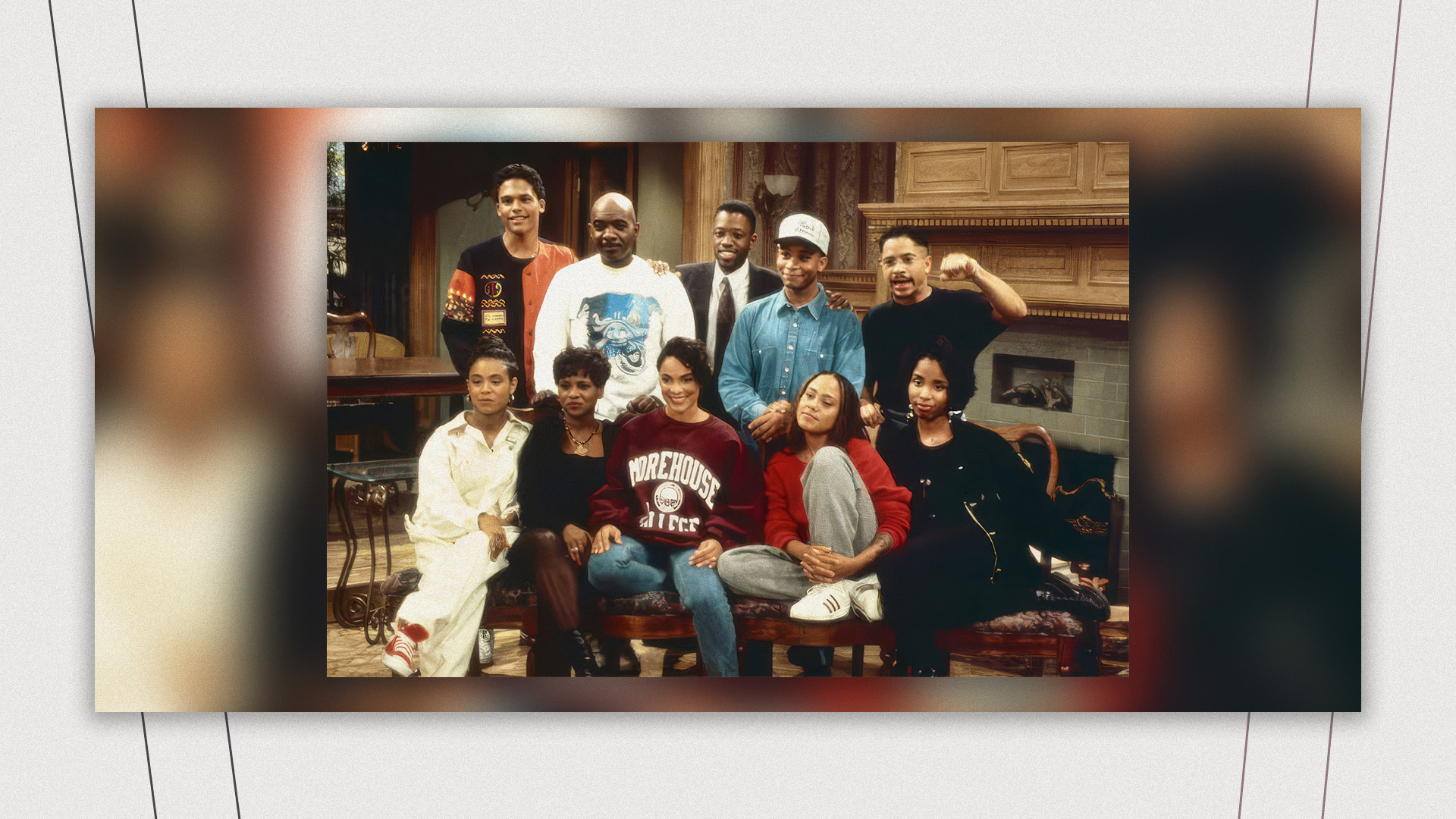
For six seasons, watching these characters interact and grow through their experiences was a ritual I still cherish. When the show ended, nobody knew it was coming. There was no grand finale of the show or formal announcement. The legacy cast were left in the dark nearly as much as the viewers. There was [definitely] sadness around the show’s absence. Everyone was left wondering when it was going to come back which only fueled the disappointment.
A Different World and Hillman gave me confidence as a young Black person, to pursue my dreams while giving permission to mess up and rebound or recover from that.
That confidence made all the difference for me. It helped to inspire the trajectory of my life.
Before I established my place in Hollywood, I taught on the college level, including at Bowie State University. Years later, I had the pleasure to work with Debbie Allen on Grey’s Anatomy. During that time, I was in a place where I was keeping my head down, engrossed in my work. Unbeknownst to me, Debbie was watching. By the time I was working on Bel-Air, she called me and was like, “Felicia, child, we’re gonna go ahead and do this A Different World sequel with Netflix. I want you to be a part of it.” I was initially floored. Before anything I felt the weight of responsibility. I was aware that this project was going to require a lot of care, time, and intention. Frankly, if I knew of all it would take to actualize the essence of Hillman, I would not have done it. Part of what encouraged me to take up the charge was Debbie’s insistence. “Now is the time to hear from young Black America,” she said. That to me felt like an urgent call to action. So, I surrendered to my faith and the process.
During my time working in higher education, I had the opportunity to directly engage with the youth on an interpersonal level. I was able to get a glimpse into their perspectives and their challenges, which wasn’t as far removed from things I experienced. These themes were similar to what the show began scratching the surface on years ago. When I think about A Different World and Hillman, I fixate on impact. We wanted to make [the sequel] as authentic and relatable as possible to encourage a lasting impact. The young people of today warrant the same prospect of seeing themselves reflected in real time that we were afforded during the legacy era. That mission was immediately nonnegotiable. It led to the establishment of our council of current HBCU students as an advisory board for the writer’s room to ensure we reflected genuineness. It was crucial to include their perspectives in the writing and the conceptualization of the show.
This show was integral to my experience growing up, in countless ways the show introduced me to who I could be and ultimately, who I am. The youth of today are proportionately deserving, and just as in need of specific investment. I did not want to be responsible for messing up a quintessential element of our culture. Black folks are especially protective of our sacred culture. When you’re working on something of this magnitude there are [obviously] so many different expectations. Managing that much at once required every ounce of dedication I had. This version of Hillman prioritizes values similar to the original show without exact duplication.
This was my first time as a showrunner, the job itself requires having a hand in everything. Though this is my freshman experience as a showrunner, the gravity of doing this justice was never lost on me.
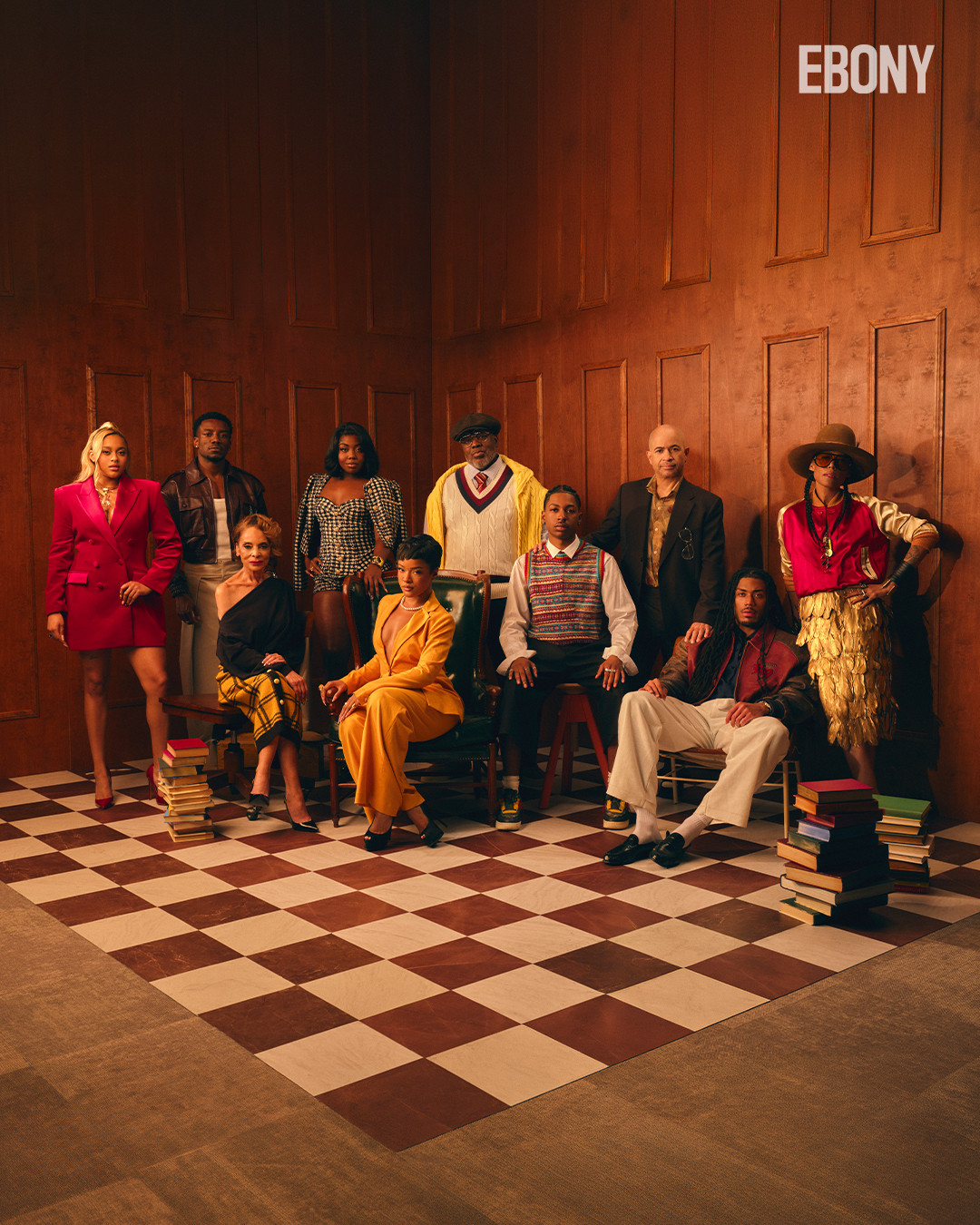
Reflecting back on my work leading up to now, I think this opportunity was a calling. Many times I was uncertain. I asked, “God, why me?” Now I realize it’s my responsibility to surrender to the challenge of giving Hillman back to the world.
The presence of Blackness throughout the team that executed this reflects the accepted challenge.
It was important to us to make sure that the issues, experiences, and characters we’re exploring echoes young people of today. We are tackling the hard conversations and perspectives that offer the full humanity of Blackness. We have worked to nurture the same sense of belonging Hillman instilled in me with love and care. In a time where isolation and disillusionment seem to be thriving, I hope this re-introduction to Hillman connects us.
I hope we can all come home together.