A Different World returned September 24, with a Netflix sequel bringing a fresh cast together with some of the Day Ones. Decades after the original ended in 1993, A Different World’s impact still resonates. From Boyz II Men singing the final season’s theme to Tupac Shakur’s guest appearance, the series remains a time capsule for those of us who grew up with it.
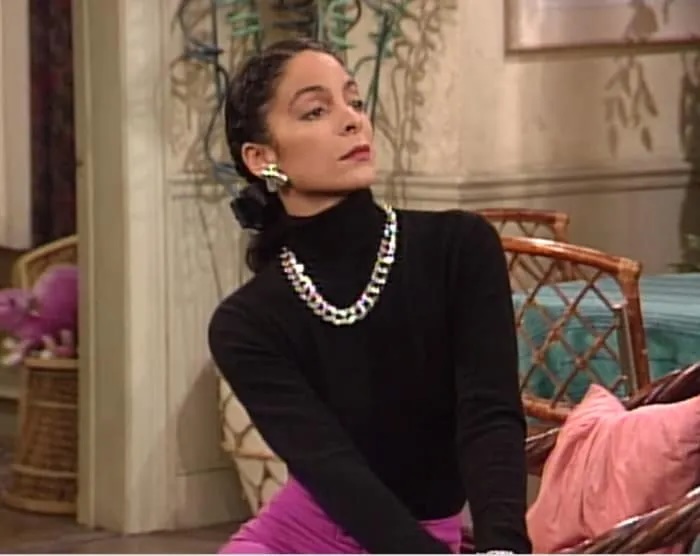
Beyond conversations about relationships and politics, the show made room for the humanities and fine arts influence within college life. For me, Whitley Gilbert-Wayne sat at the center. With all her Southern sass and bougie ways, she wasn’t simply a young woman with expensive taste. Her evolution from art-history student to corporate art buyer offered a glimpse of what a career in the arts could look like, much like her artistic daughter Deborah has now brought to the screen.
The OG series earned three Primetime Emmy nominations, while Jasmine Guy won six NAACP Image Awards for playing the iconic role. But to understand how her persona developed, we have to start behind the camera with Debbie Allen, who became producer-director after the first season of A Different World.
Allen, a Howard University graduate, brought her dance background and firsthand experience of HBCU life to the series. She tapped into the culture and made sure the writers did too. Her team arranged research visits to Morehouse and Spelman, where conversations with students and faculty helped generate story ideas. Then there was Guy, whose artistic training began before Whitley showed up on our televisions. She studied at the Alvin Ailey American Dance Center and later appeared on the television show Fame, under Allen’s direction.
HBCUs have elevated creatives for generations. Hale Woodruff’s Atlanta University Annuals, launched in 1942, gave Black artists an exhibition space when the mainstream art world shut them out. Today, Spelman’s art-history courses include African American Art, The Art Market and Entering the Art World: Culture and Context. This access allows students to build the kind of career Whitley Gilbert was figuring out during her Hillman days.
The first Black woman to paint an official presidential portrait, Amy Sherald, graduated from Clark Atlanta University in 1997. She left pre-med intentions behind and earned her bachelor’s degree in painting. Sherald later studied painting at Spelman and apprenticed under Arturo Lindsay. When Sherald’s Michelle Obama portrait debuted at the National Portrait Gallery in 2018, Spelman hosted the final stop of her first major solo exhibition in 2019.
Whitley made artistic possibilities feel real enough to pursue, as Hillman was all about Black excellence. Watching A Different World felt like a blueprint for ambition and essential to an elevated collegiate experience. With one of the strongest creative lenses, these original A Different World storylines show how deeply the arts influenced Black culture and college life.
1. Whitley learns the business of art.
Whitley evolved from an art-history student to someone learning the business. In “Hillman Isn’t Through With You Yet,” she realizes taste alone is not enough and stays at Hillman to take business classes. “How Great Thou Art” gives Whitley the chance to bid at her first auction, while “Monet Is the Root of All Evil” puts her in the middle of controversy over what art gets to be seen.
2. Film and stage legends become part of community life.
Whitley shares her ballet training with neighborhood kids, and in the episode “A Rock, a River, a Lena,” her pupils honor Lena Horne, who visits for a scholarship dedication. During a charity telethon, students pay homage to Josephine Baker, and Mr. Gaines, played by the late Lou Myers, gets a chance to bring his tap-dancing skills to the stage.
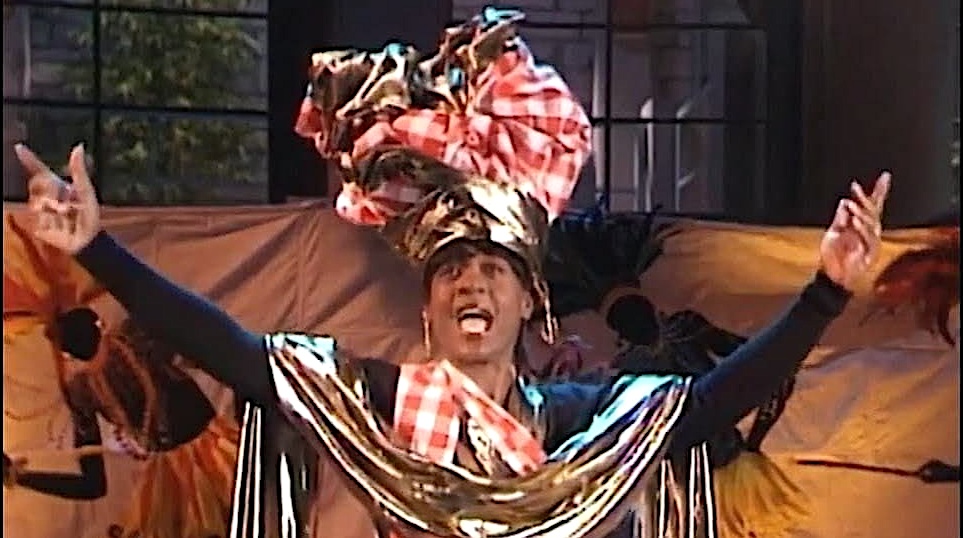
3. Kim challenges stereotypes in “Mammy Dearest.”
Kimberly Reese’s portrayal of the infamous mammy caricature reveals the hurt and shame tied to this image. But her performance of Nikki Giovanni’s “Ego Tripping” turns that moment of darkness into an awakening. Through poetry and dance, the beauty and grace of Black women take center stage.
4. Freddie challenges mixed identity in the classroom.
In “How Bittersweet It Is,” Freddie delivers performance art instead of an essay for an African American history class. When a classmate mocks her biracial heritage, Professor Randolph steps in and expands the conversation around what it means to be African American by telling his students that Freddie’s background doesn’t erase the connection to her Black heritage.
5. Lettie’s artistic life reaches beyond America.
Long before Whitley entered the art market, the character Lettie Bostic represented a worldly Black woman’s life driven by travel, art and culture. Played by actress Mary Alice, Lettie brought wisdom, independence and a much bigger worldview into the lives of her students. “The Prime of Miss Lettie Bostic” revealed her years in Paris and hinted that she knew the great Pablo Picasso.