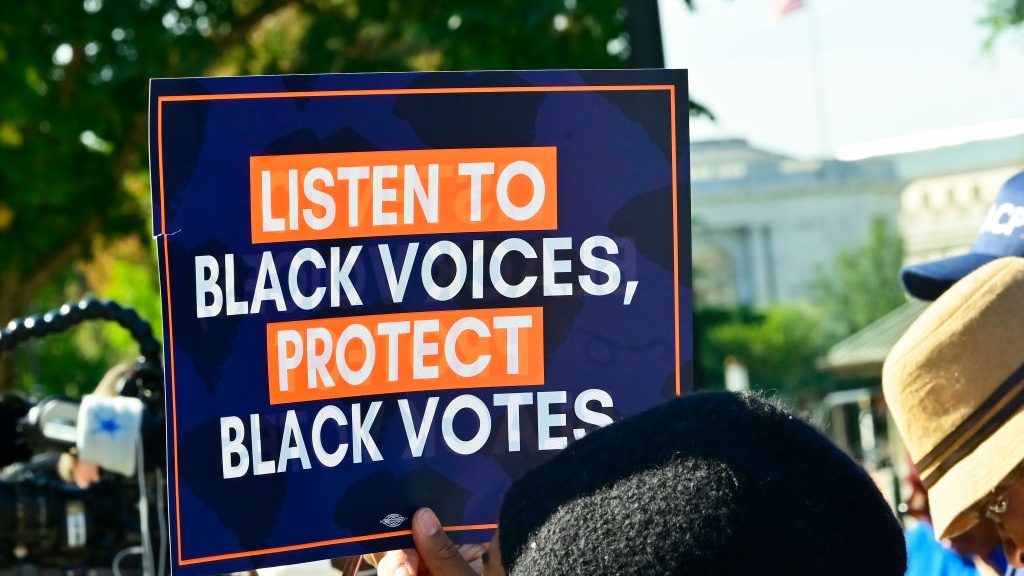
Every two years, people across the country come together to make their voices heard in their respective local elections, known as the midterm elections. During this time period, voters are making their selection of who should be part of the House of Representatives, the Senate, and offices across the state. This election helps to determine what legislation is put into place. If a president’s party controls the House and the Senate, the likelihood of them pushing forward legislation is higher. Whether you’re trying to keep someone elected, vote for someone new, or inform someone else about voting updates, it’s important to understand the terminology being used to avoid confusion.
Below are five key election terms to understand ahead of this year’s midterm election cycle.
1. House of Representatives
The House of Representatives is made up of over 400 members who are split across all 50 states. Every state is allocated at least one person to represent voting and decision-making power for their respective state. This chamber of Congress helps to pass laws in collaboration with the Senate. Each member serves two years prior to re-election during midterms.
2. The Senate
The Senate is made up of 100 members which is all representing the 50 states. With each state receiving two senators, this allows for there to be more voting power for residents in a respective state to get their ideas and concerns brought to the floor in meeting proceedings. The Senate works alongside the House of Representatives to create and pass laws. While senators are able to serve longer terms, they still are under the same stipulation as the remainder of the Chamber to be re-elected during midterm elections depending on where they are within their term. Terms for senators are six years.
3. Absentee Voting & Mail-In Voting
While many of us use these two terms synonymously, absentee voting and mail-in voting are actually slightly different. Mail-in voting is a method used by voters as an alternative to absentee voting, where ballots are sent to residents ahead of Election Day. Meanwhile, absentee voting is an option in some states where you formally request a ballot. Both are used as substitutes for in-person voting, but are just as meaningful.
4. Bipartisan
Bipartisan is the act of agreement or compromise on an introduced piece of legislation by members of the Republican and Democratic parties.
5. Gubernatorial
Gubernatorial is used to describe political races involving a state governor or governor selection during the campaign and voting season.