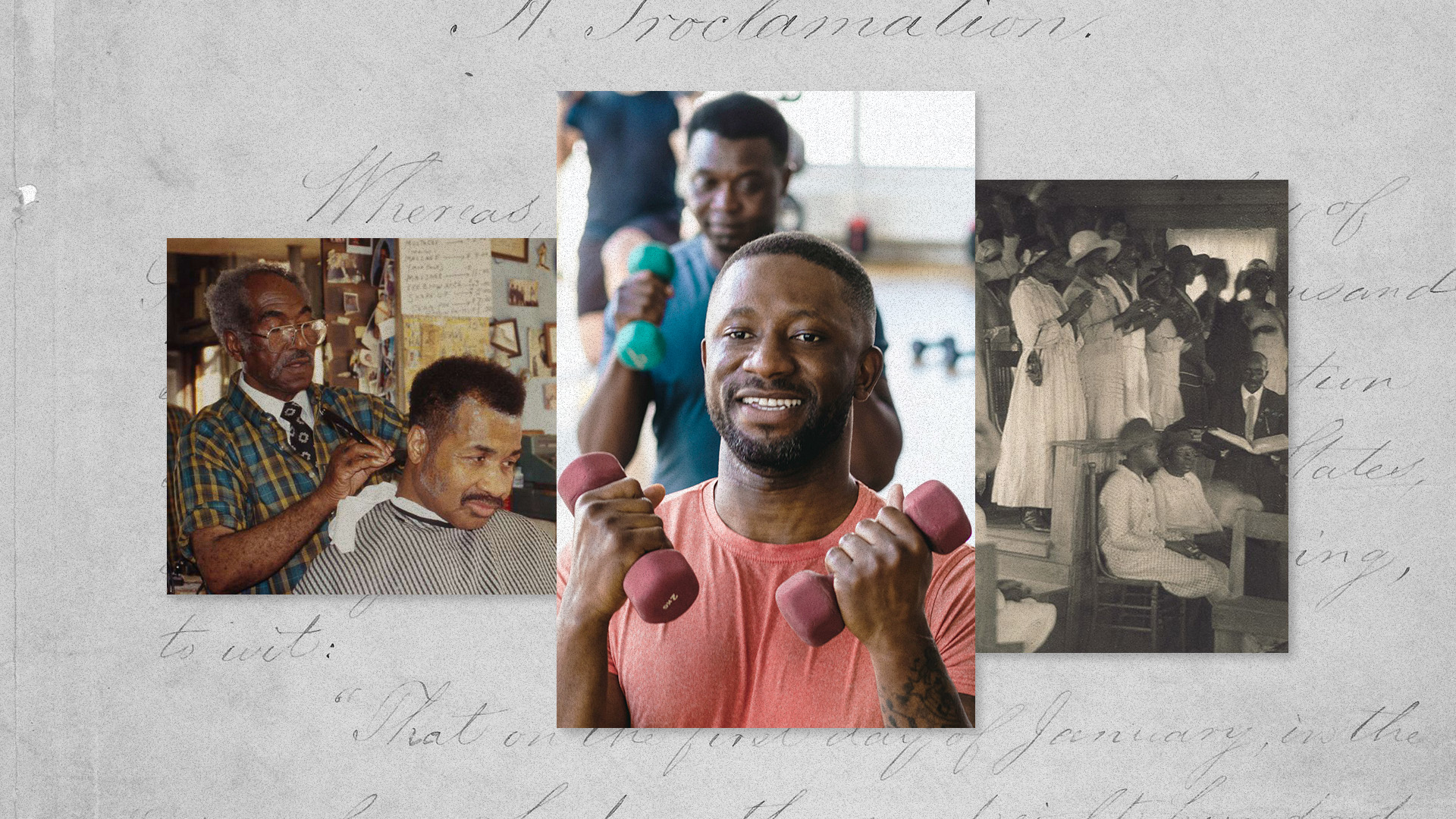
This year, as the United States celebrates its 250th anniversary, Americans are reflecting on the events, people, and movements that have shaped the nation’s history. For Black Americans, that history includes slavery, the Reconstruction era, the Civil Rights Movement, and Juneteenth—the day on June 19, 1865, when enslaved Black people in Texas learned they were free.
Throughout that history of resilience, one thing has remained consistent: Black Americans have continued to create safe spaces rooted in community, care, and belonging. Here’s how Black wellness spaces evolved over the last 250 years—and why they continue to matter today.
Before Wellness Became an Industry, Black Communities Created Their Own
How The Black Church Became One of the First Black Wellness Spaces
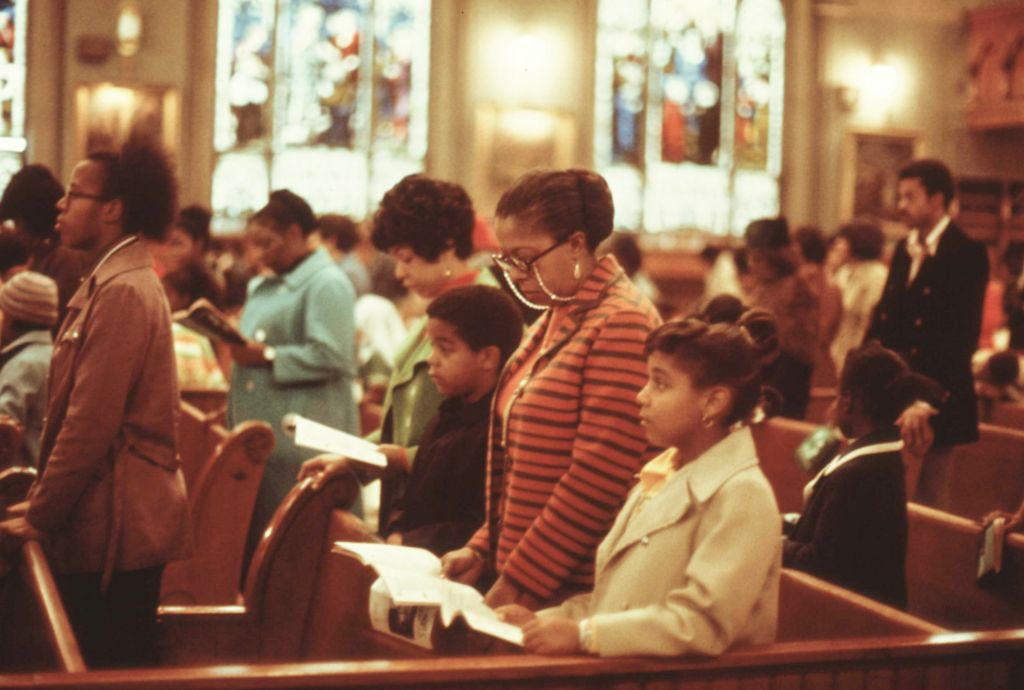
Today, when we think about wellness spaces, run clubs, wellness groups, and fitness studios may come to mind. But long before those existed, one of the earliest and most enduring spaces was the Black church. It became a place where Black Americans worshipped, learned, celebrated milestones, and found hope. It also became a place where communities organized for change and supported one another through difficult times.
Dr. Riana Elyse Anderson, a clinical and community psychologist and associate professor at Columbia University’s School of Social Work, says for much of American history, Black Americans were excluded from formal mental health care, and even when services became available, they were often rooted in racist beliefs rather than healing.
“People sought support where they could, in the spaces that already held their well-being, their joy, their sense of self, and their identity,” Anderson says. “Churches, hair care and beauty salons, barbershops, neighborhood organizations—these were the places where their people gathered, where they could speak freely and be fully themselves.”
Beauty Salons and Barberships Become Places for Healing
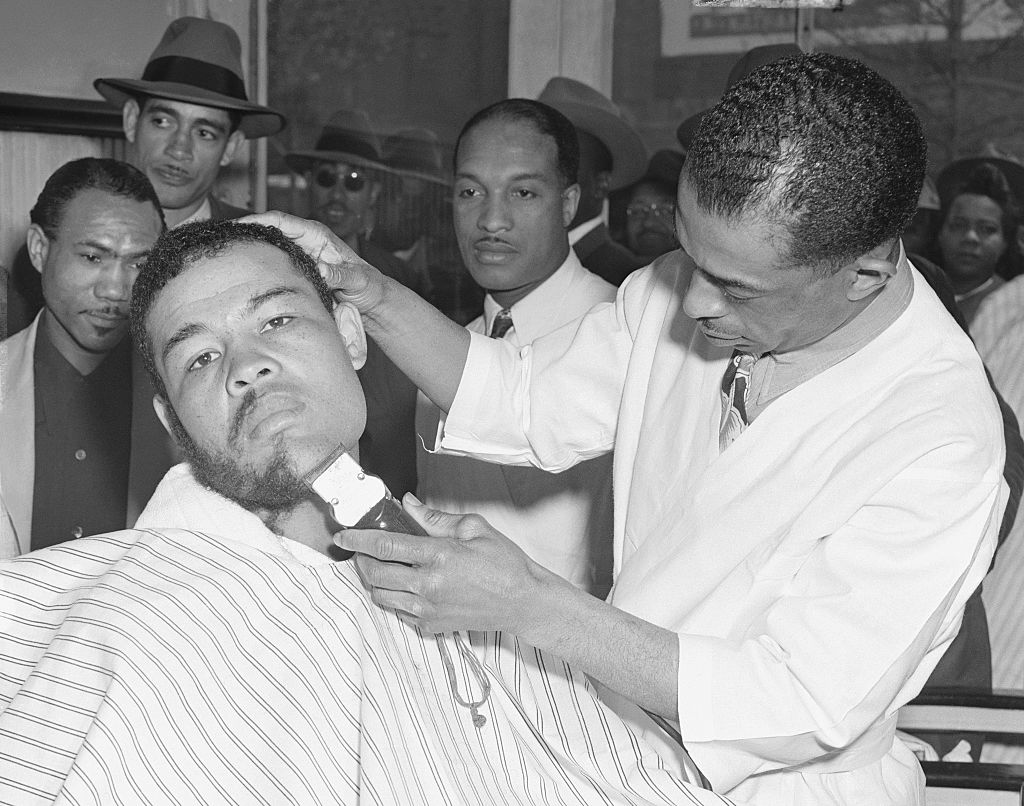
When it comes to salons, booking an appointment has always been more than just maintenance. For decades, beauty salons and barbershops have served as neighborhood gathering places where conversations extend far beyond haircuts and hairstyles.
Many Black Americans found themselves discussing topics there they didn’t feel comfortable sharing elsewhere. While these conversations weren’t therapy sessions, they often provided something just as meaningful: a trusted sense of community.
Kadeisha Placide, Licensed cosmetologist, founder of Classic Beauty Studio and CEO of Women In Power Collective, says beauty salons have long offered Black women more than a beauty service. “Beauty salons have always been more than a place to get your hair done—they’re spaces where Black women can show up as their authentic selves. It’s where we laugh, cry, celebrate milestones, seek advice, and simply feel understood,” Placide says.
Over time, the relationships between barbers, stylists, and their clients fostered deep trust, turning these businesses into informal support systems within Black communities—places where people could not only look their best, but also leave feeling heard.
“Wellness isn’t just physical—it’s emotional, mental, and communal,” Placide adds. “For many Black women, the salon is one of the few places where they intentionally slow down and invest in themselves.”
What Wellness Spaces Evolved Into Today
The demand for community-centered wellness spaces continues to grow, especially as Black singles say they feel lonelier than ever. “One of the things I see in my work is how desperate folks are for comfortable, safe spaces,” says Jor-El Caraballo, LMHC, and author of Mindful Meditations for Black Men.
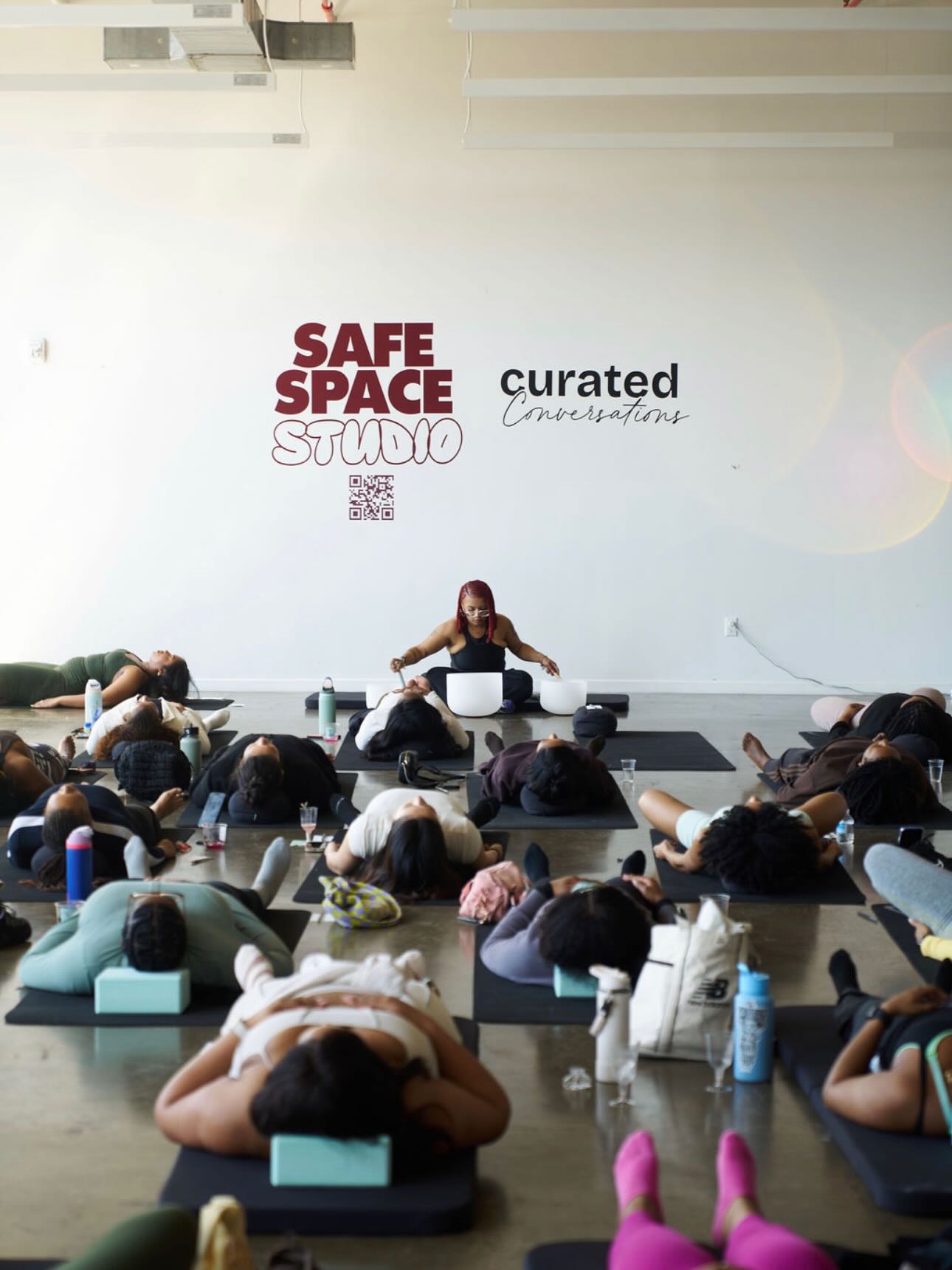
Today’s wellness spaces look different than they did generations ago. Run clubs, wellness collectives, and community gatherings have redefined what wellness can look like, creating opportunities for people to build relationships while prioritizing their physical and mental well-being.
An organization meeting that need is Curated Conversations, a community collective founded by Janay Tyson. Tyson says the idea came after years of friends encouraging her to take her passion for hosting gatherings and bringing people together more seriously.
Curated Conversations hosts a variety of events, including pickleball classes, vinyl listening parties, wellness retreats, and happy hours—giving people the chance to meet in a variety of low-pressure spaces.
“People want spaces where they can actually have a conversation—not overcrowded rooms where you have to shout to be heard,” Tyson explains. For Tyson, community healing means creating environments where people can show up authentically. “I want to create rooms where anyone, introvert or extrovert, can find their person or people,” she says.
Why These Spaces Still Matter to Black Americans
Although Black wellness spaces have evolved over the past 250 years, their importance has remained. Caraballo says community continues to play an important role in emotional and mental well-being.
“Community and social connection are vital for our health. Social relationships, across the lifespan, help reduce the risk of early death, improve immune system function, and bolster mental health. Being connected to others helps us live longer,” Caraballo explains.
While therapy remains an important tool for many people, community offers something different. “There is no substitute for community-level support,” Caraballo emphasizes. “Feeling safe and seen with one another helps provide daily inspiration, motivation to keep going, and perhaps even joy that can sustain us for a lifetime.”