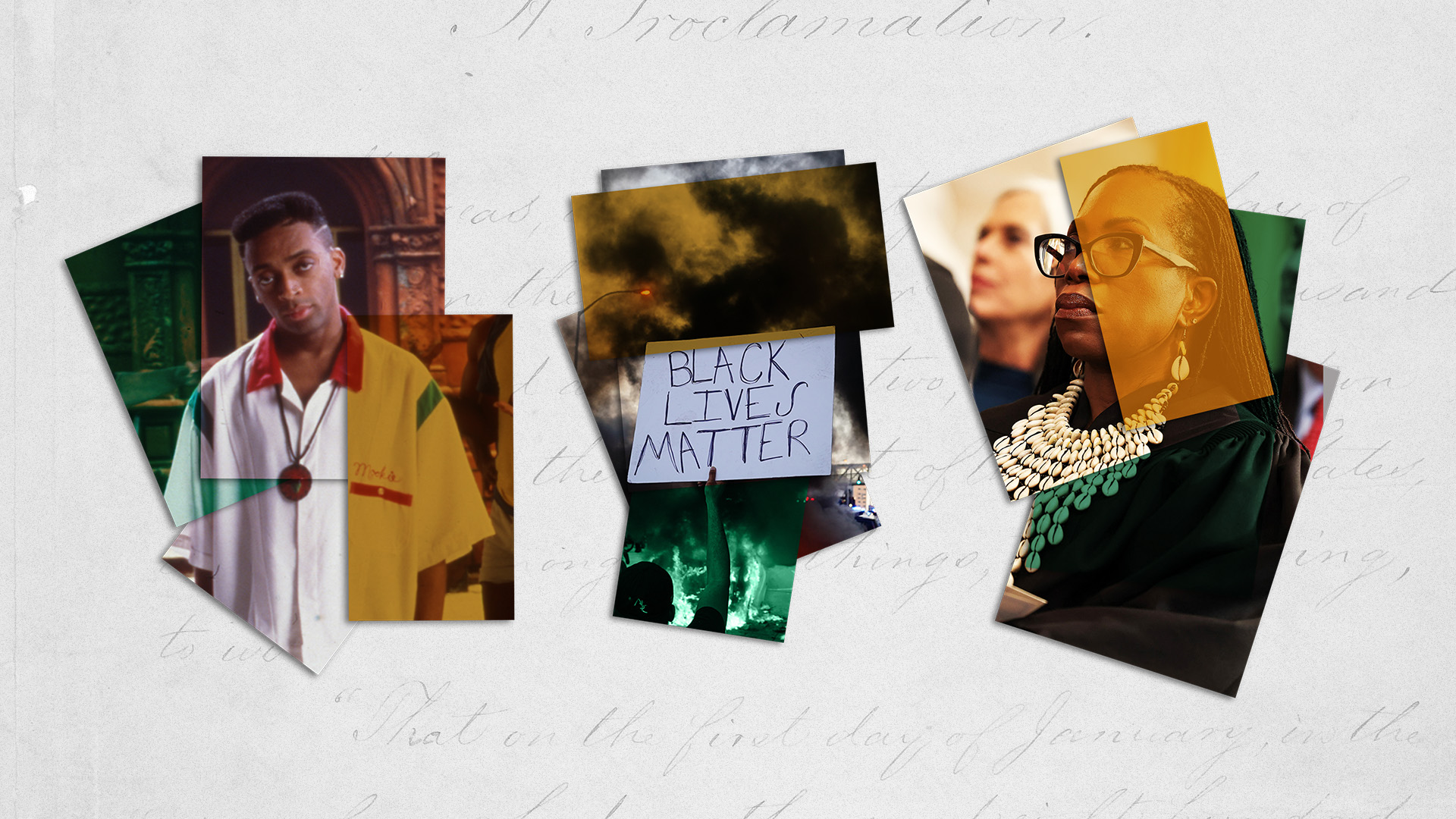
As America celebrates its 250th birthday this month, many of us will revisit and remember pivotal figures from throughout the nation’s history. And while the focus on Washington and Jefferson is fitting, I would suggest David Walker be added to the list of those whose lives and legacies we spend time considering this year.
To understand Walker is to understand the story of Black people in America in the two and a half centuries from our arrival in 1619 to the end of the Civil War. We were a people governed by a confusing, inconsistent system of dehumanization— some of us free, some in chains, others still somewhere in between. And yet, we participated in the dream of America from the opening gunshots of the Revolution. Among key contributors was James Armistead Lafayette, an enslaved man who enlisted— accepting the assignment as a spy for the Continental Army, infiltrating the British high command by posing as a runaway slave.
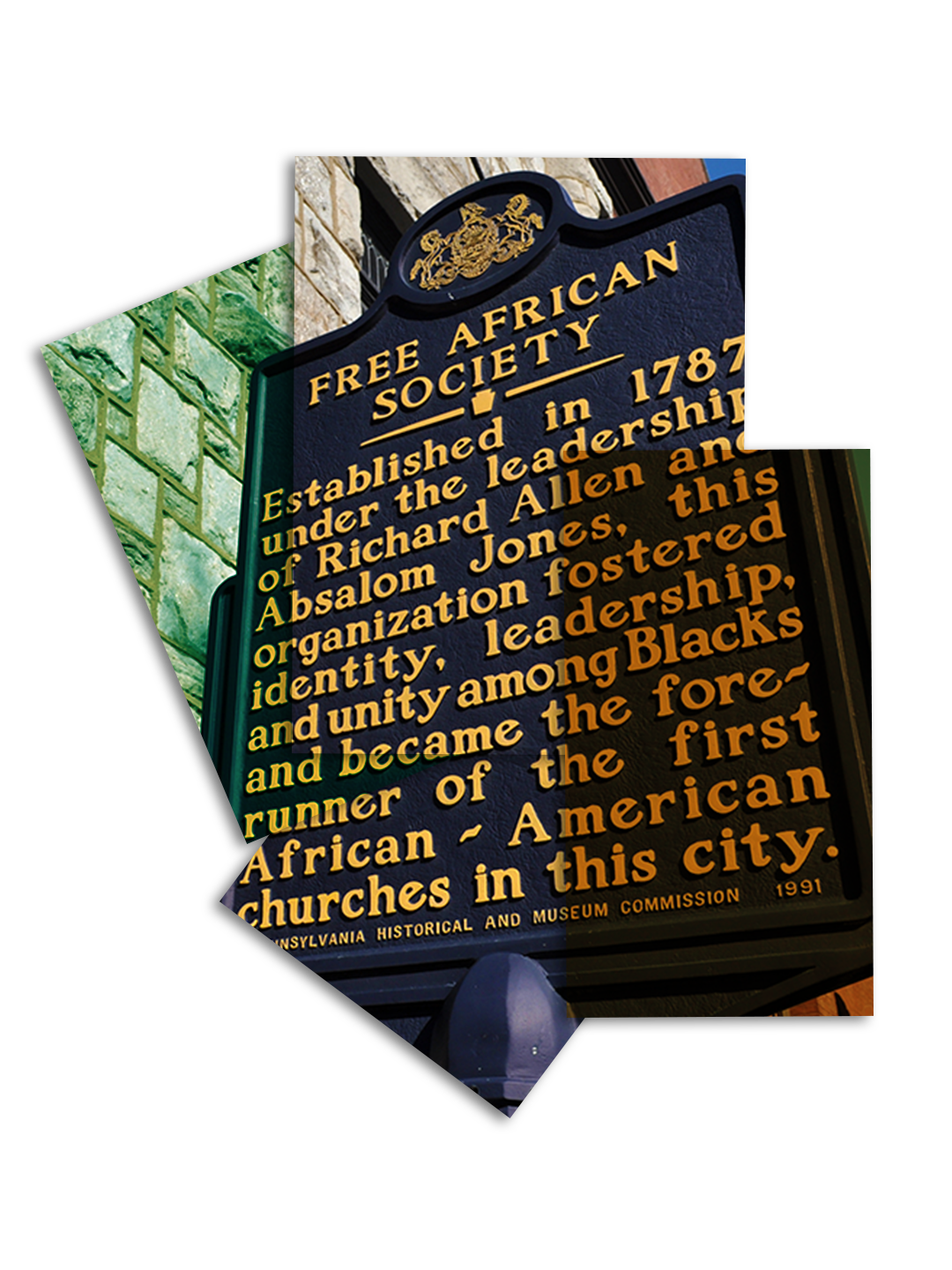
In the years following Independence, as a nation in its infancy debated what kind of society it would be, Black Americans labored to construct institutions that would support their own, systemically neglected communities, and aid in their battle to one day be recognized as full citizens. By 1787, the Free African Society had been founded in Philadelphia, providing the country’s first mutual aid and benevolence society of Black Americans. By 1816, it had evolved into the country’s first Black denomination, the African Methodist Episcopal Church, rooting the Black American experience in the church community: a source of aid, education, safety, and resources. A decade later came Freedom’s Journal, the country’s first Black newspaper.
Walker’s own life can be traced along a similar timeline, from enslavement to the free Black community. He’d been born free in Wilmington, North Carolina, the product of the union between a free Black woman and an enslaved Black man. The circumstances of his birth provided Walker with an eyewitness experience of the depravity of slavery, the freedom to move north to get away from it, and the determination to bring the institution to an end. He moved north to Boston, got married, opened a clothing store, joined the Massachusetts General Colored Association, an anti-slavery activist group, and contributed to Freedom’s Journal.
Then, in 1829, Walker published his own pamphlet, which he titled Appeal to the Coloured Citizens of the World. In it, he argued that slavery was a dehumanizing institution, perhaps the most evil ever invented. “We, (coloured people of these United States,) are the most degraded, wretched, and abject set of beings that ever lived,” he wrote, later adding: “The inhuman system of slavery, is the source from which most of our miseries proceed.”
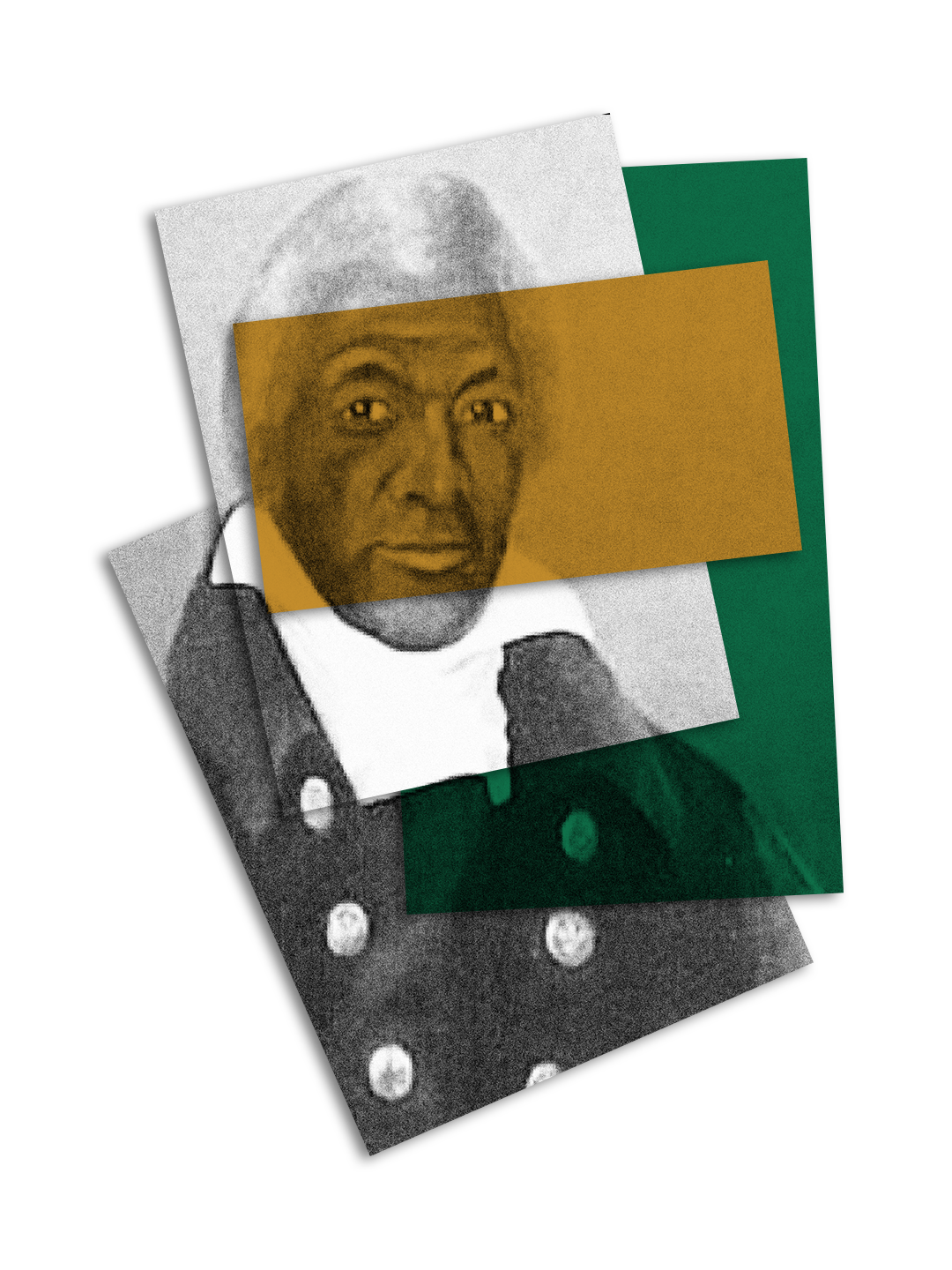
Drawing a parallel with the Declaration of Independence, he said that such injustice necessitated revolution. It was the righteous duty of enslaved people to throw the system that had placed them in bondage. Those who would defend slavery, he wrote, should be violently butchered. All of this was intended and interpreted as a provocation: He was calling for a fundamental upending of American society as it existed. Walker sewed the pamphlets into the clothing he sold at the store, and sympathetic sailors would hand them when their ships landed in Southern ports. By the following year, his journalism had been widely read and deemed dangerous contraband. Thanks, in part, to the spread of pamphlets like Walker’s, Southern states passed laws making it illegal for enslaved men and women to learn to read and write. The state of Georgia issued a $10,000 award for Walker’s capture.
But the righteousness of the message could not be muzzled. It would be lazy to attribute what came next solely to Walker’s publication. But it no doubt played a role. The function of Walker’s Appeal was as much documentation as it was mobilization. He had recorded a truth and captured a sentiment that much of white American society, including his colleagues in the white American press, would have rather ignored but whose time had finally come.
“Hear your language, proclaimed to the world, July 4th, 1776…Compare your own language…with your cruelties and murders inflicted by your cruel and unmerciful fathers and yourselves on our fathers and on us,” Walker had warned. “Mankind are more disposed to suffer, while evils are sufferable, than to right themselves by abolishing the forms to which they are accustomed. But when a long train of abuses and usurpations, pursuing invariably the same object, evinces a design to reduce them under absolute despotism, it is their right it is their duty to throw off such government, and to provide new guards for their future security.”
Two years after Walker published those words, an enslaved minister named Nat Turner launched a rebellion that, knowing what we know now, could be considered the opening salvo of the war to come. At 2 a.m. Turner and his followers broke into the home of their slave masters, massacred the family and then proceeded to march through Southampton County, Virginia— killing 55 people. Turner was captured and hanged. But the battle raged on.
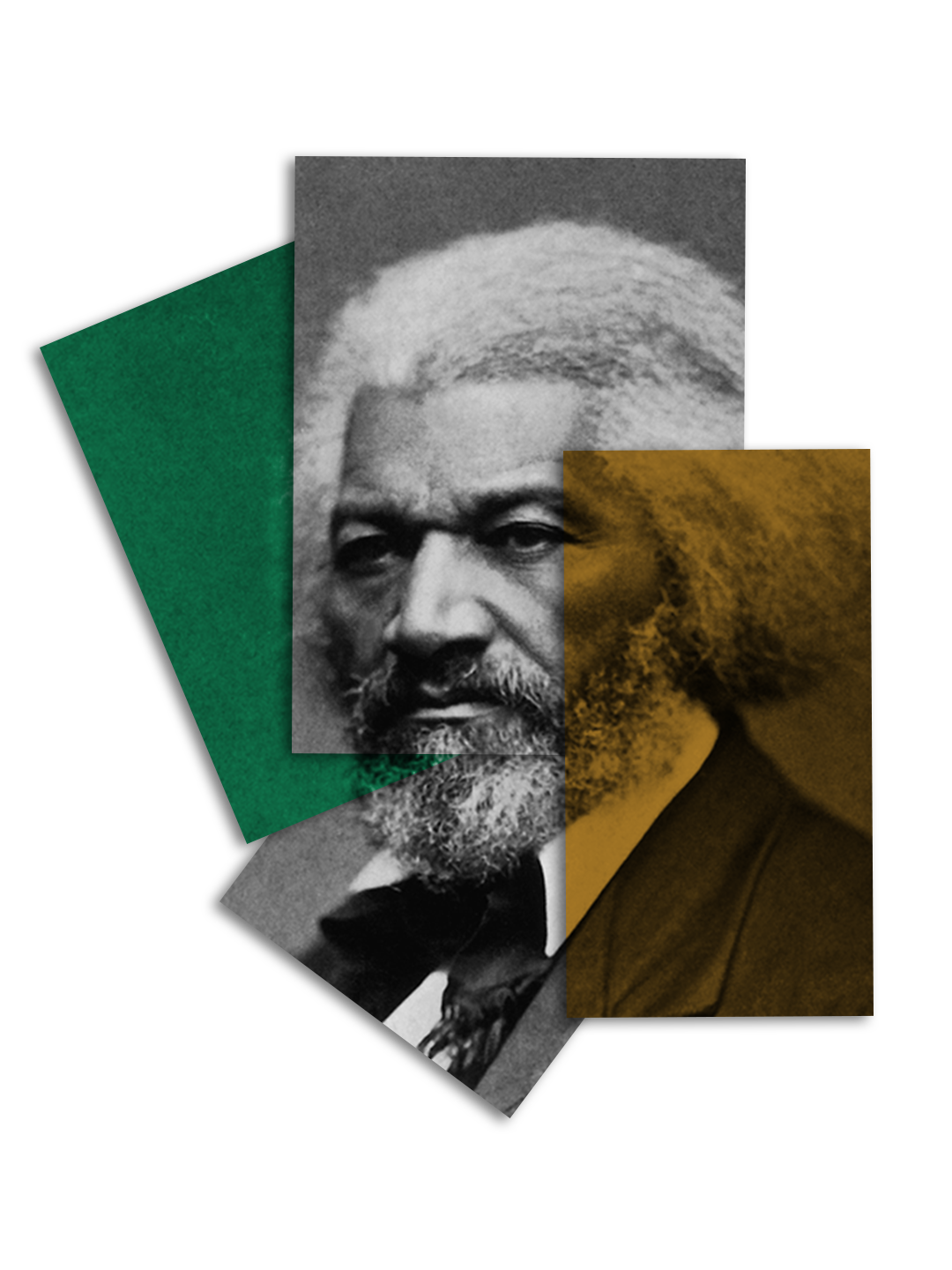
It’s hard to imagine Frederick Douglass, who’d become an abolitionist journalist after escaping enslavement in Maryland, was not thinking of Walker’s Appeal, 53 years later, on July 5, 1852, as he addressed a gathering of white abolitionists in Rochester New York. Like Walker, he argued that America was failing to live up to its promise. How can it celebrate, each July 4th, its founders’ declaration that all men are created equal while overseeing a violently enforced system of racial inequality? Change, he declared to them, was coming. “I do not despair of this country. There are forces in operation, which must inevitably work the downfall of slavery,” Douglass proclaimed. “‘The arm of the Lord is not shortened’ and the doom of slavery is certain.”
When the editors at EBONY asked me to write a piece looking back at the most important historical moments for Black Americans during the first 250 years of our nation’s history, I quickly found myself pondering a similar question. Because in order to determine what moments most mattered in the first two and a half centuries of Black America, I’d first have to settle on an understanding of the story of Black America. If Douglass pondered what, to the slave, is the significance of the 4th of July, it’s worth asking ourselves what, to the Black American, is the meaning of the semiquincentennial?
While it is true that, from our arrival, we have been persecuted and oppressed, the heart of Walker’s Appeal rested on another truth: that Black people have, and always have had, agency. To tell the story of Black America requires seeing Black Americans as protagonists in our own tale; actors and not just those acted upon. In fact, the throughline of Black History is that its high points can all be described as the assertion of Black power.
Moments like Sojourner Truth’s 1851 address to the Women’s Rights Convention in Akron. Born enslaved in New York, Truth escaped to freedom and then returned for her children. One of them, her 5-year-old son, had been sold in a transaction that, under abolition laws that had been passed in New York at the time, was illegal. Truth sued, becoming the first Black woman in American history to take a white man to court and win.
Now she challenged the white power structure of the women’s movement — issuing an impromptu address castigating suffragists who would advocate rights for some, but not all. “I am a woman’s rights,” she insisted, according to an account of her remarks published in an abolitionist newspaper. “If a woman have a pint, and a man a quart — why can’t she have her little pint full? You need not be afraid to give us our rights for fear we will take too much, — for we can’t take more than our pint’ll hold.” Like Douglass would a year later, Truth captured the key struggle in the story of Black America from 1619 to 1870: the fight for Black humanity.
It was the question that would cleave the country in two as Southern states —unwilling to give up a system of Black bondage — pulled us all into a bloody Civil War. Black Americans eagerly took up arms, ready, as always, not only to speak for themselves but to put their bodies on the line in the fight for their own freedom.
Harriet Tubman was already known as a modern-day Moses for her work freeing enslaved people through the Underground Railroad by the time she joined up with the Union forces. In 1863, just six months after Lincoln signed the Emancipation Proclamation, she led a battalion of 150 black soldiers to free more than 700 enslaved people during the Combahee Ferry Raid. Just one month later, the 54th Massachusetts (Colored) Infantry — an all-black volunteer regiment that included two of Douglass’ sons — gallantly led the attack on Fort Wagner in Charleston. “I’d…like to pay homage to the 54th, the Black soldiers who helped to make this country free,” actor Denzel Washington would declare, 127 years later, in 1990, as he accepted an Oscar for his role in the movie Glory, becoming just the fourth actor ever honored with an Academy Award.
The Confederacy vanquished, at least militarily, Black Americans began taking places of prominence and leadership in public life, insisting that, having won their humanity, they were entitled, as well, to full citizenship. The American government and society underwent a Reconstruction — Congress passed the 13th, 14th and 15th Amendments, abolishing slavery, explicitly enshrining Black Americans’ rights to vote, and ensuring equal protection under the law for all Americans. Having been granted the franchise, Black Americans sent a wave of Black lawmakers to city halls, state legislatures, and Washington, D.C.
In 1870, Hiram R. Revels became the first Black American to serve in Congress. Before the war, he’d been a free man in Ohio, serving as an AME minister. During the war, he helped organize two regiments of black troopers. Afterward, he became pastor of a church in Mississippi, where he was later elected to fill a vacant Senate seat.
“The past record of my race is a true index of the feelings which today animate them. They bear toward their former masters no revengeful thoughts, no hatreds, no animosities. They aim not to elevate themselves by sacrificing one single interest of their white fellow-citizens. They ask but the rights which are theirs by God’s universal law,” he declared in his first speech from the Senate floor, in opposition to a provision that would admit Georgia back to the Union without requiring it to restore the positions of Black legislators who’d been illegally ousted from office. “They appeal to you and to me to see that they receive that protection which alone will enable them to pursue their daily avocations with success and enjoy the liberties of citizenship on the same footing with their white neighbors and friends.”
His Congressional colleagues did not heed his plea. Georgia got to rejoin the Union without ever restoring the duly elected Black lawmaker. It was an ominous indication of the era to come.
Building Black America (1870-1954)
After church on a summer Sunday in 1950, a Black welder in Topeka, Kansas, named Oliver Brown found his childhood friend, an attorney named Charles Scott Sr., at his door.
Across the country, civil rights groups had been coordinating lawsuits against school segregation. Brown’s third-grade daughter Linda was, at the time, forced to walk across railroad tracks and take a bus in order to get to her school, despite there being a white school just four blocks from their home. Scott wanted to know if Brown would be willing to join the 9 families who’d already agreed to sue the local school district.
The resulting court case would ultimately be consolidated with a slew of similar lawsuits and make its way to the Supreme Court, where, in 1954, it forever changed the course of history by ruling that school segregation partitioned Black Americans into an unequal, inferior society — ruling that segregated schools were inherently unequal. The ruling was the first in a wave of legal victories over the course of 15-years that would come to be remembered as the Civil Rights Movement. “The only way the court can decide this case in opposition to our position…is to find that for some reason Negroes are inferior to all other human beings,” argued civil rights attorney Thurgood Marshall, who would later become the first Black American to serve on the Supreme Court. “The only thing that can be an inherent determination that the people who were formerly in slavery, regardless of anything else, shall be kept as near that stage as is possible.”
But to understand the Brown decision, and the Civil Rights Movement it helped mark, we have to understand how Black people like the Brown family ended up in Kansas in the first place.
Reconstruction had been short-lived, in part because federal troopers returned to Washington, leaving it up to Southern states to largely self-police the extent to which communities that had for generations operated under explicit white supremacy would now honor racial equality. The result was a disaster. Black lawmakers were purged from office, Black voters faced violent intimidation, Black teachers were ostracized, Black businesses were frequently threatened, and Black men were routinely lynched— ritualistic extrajudicial murders— for crimes both real and imagined. The message was clear. No matter what the law technically said, Black Americans could expect that neither their humanity nor their citizenship would be honored.
In response, came the Exodus of 1879— or the Exoduster Movement— in which thousands of Black Southerners spilled out of the South and traveled North and West.“Homeless, penniless, and in rags, these poor people were thronging the wharves of Saint Louis, crowding the steamers on the Mississippi River, and in pitiable destitution throwing themselves upon the charity of Kansas,” a 1880 Congressional investigation into the migration would record. “Thousands more were congregating along the banks of the Mississippi River, hailing the passing steamers, and imploring them for a passage to the land of freedom, where the rights of citizens are respected and honest toil rewarded by honest compensation.”
Those who remained faced potentially lethal consequences if they dared insist that their humanity be honored. Journalist Ida B. Wells set out on an anti-lynching crusade, compiling by hand data on how many extrajudicial killings had occurred in each state, investigating cases in which Black men had been targeted after supposedly violating white women and finding that in many cases they had been innocent, and sending all of her findings to lawmakers in Washington. Back home in Memphis, white supremacists firebombed her printing press and ran her out of town.
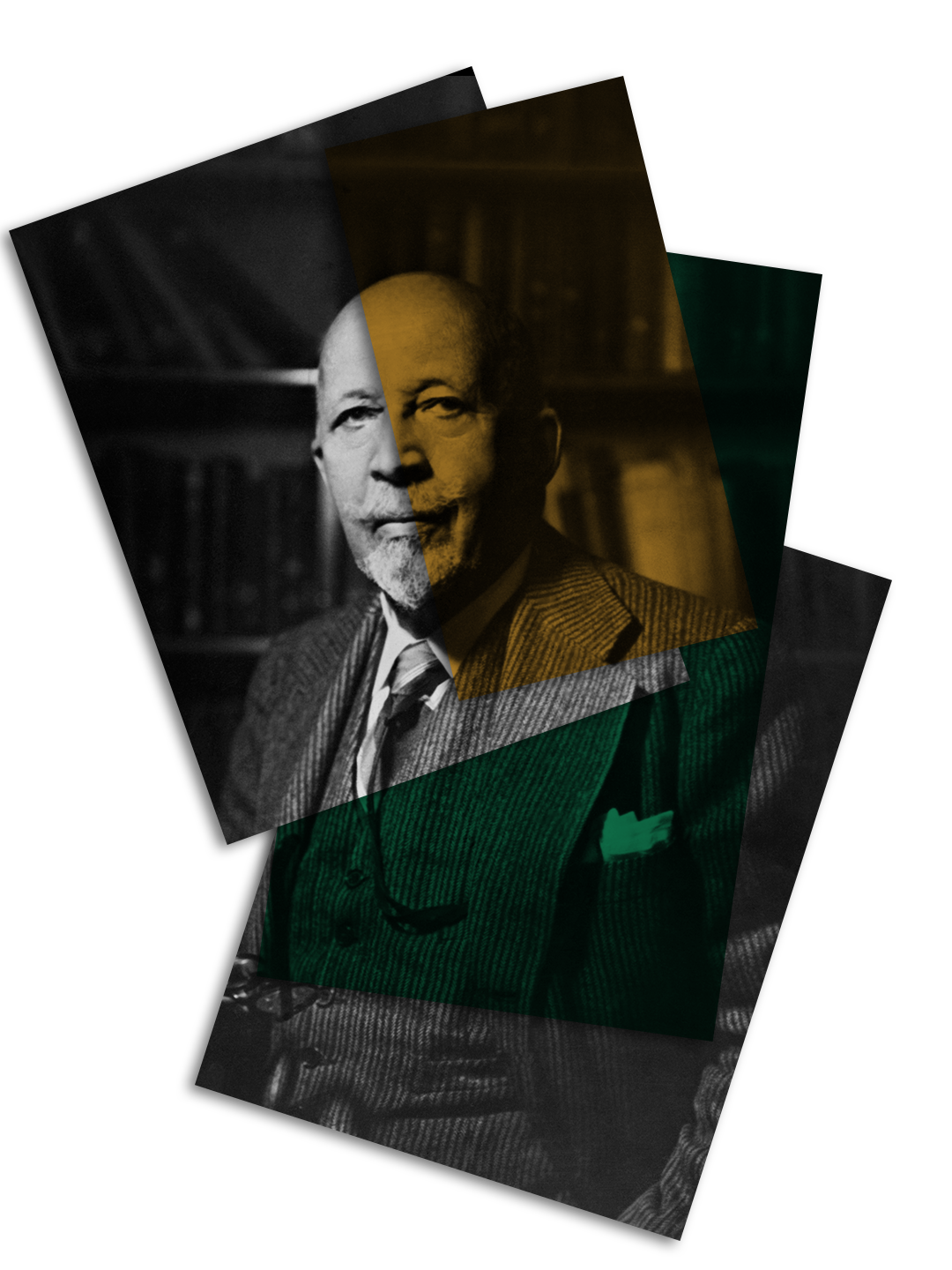
“The slave went free; stood a brief moment in the sun; then moved back again toward slavery,” observed the historian and sociologist W.E.B. Dubois, who in 1905 would later, alongside Boston abolitionist journalist William Monroe Trotter, assemble a group of Black intellectuals and activists in order to plot a pathway out of Jim Crow. They held their meeting in Canada, at Niagara Falls, and ultimately outlined the goals that would remain the lodestars of civil rights activism for more than a century and remain its key pillars today: 1. The right to vote 2. an end to segregation and racially discriminatory laws 3. equal economic opportunity and labor rights 3. unhindered education for Black youth and 4. equal justice in the legal and penal systems. Within a few years, many of the Niagara Movement members had merged with another nascent civil rights organization, the National Association for the Advancement of Colored People.
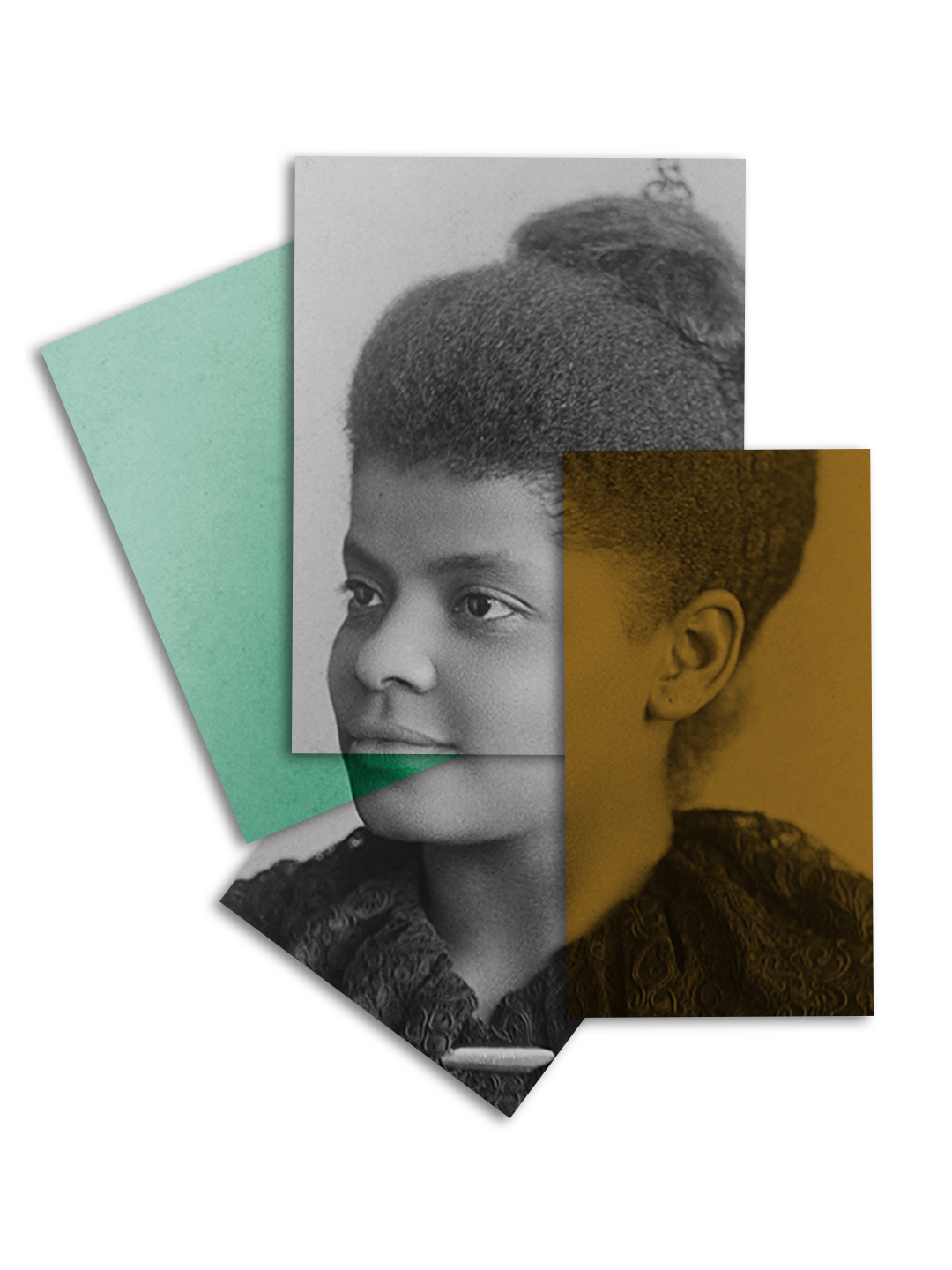
“And so, lifting as we climb, onward and upward we go,” NAACP charter member Mary Church Terrell declared in an address to the National American Woman Suffrage Association. “Struggling and striving, and hoping that the buds and blossoms of our desires will burst into glorious fruition ere long.”
The horrors of the Jim Crow era would fundamentally alter the nation’s human geography as thousands upon thousands of Black Americans fled the South and landed elsewhere—from Omaha to Los Angeles to Philadelphia to Harlem to Tulsa. And, as each previous wave of Black Americans had done before, these migrants quickly began building institutions and communities. If white America would not accept them, they would build their own.
In 1905, Robert Abbott founded The Chicago Defender, the Black paper that would at one point have an estimated readership of half a million. Pullman Porters would smuggle the paper south, where copies would be read aloud and passed from person-to-person as many as five times each. (Those same Pullman Porters would later broker some of the first Black entry into American organized labor when they founded the Brotherhood of Sleeping Car Porters).
The Defender’s “Great Northern Drive,” an editorial campaign urging Southern blacks to migrate north and including job listings and train schedules, is credited as a key driver of what came to be known as the Great Migration. More than 100,000 Black people arrived in Chicago alone, tripling the city’s Black population.
When America entered the first World War, black papers like the Defender played leading roles in urging Black military service. As they had during the Revolution and the Civil War (and as they would later in Korea, Vietnam, the Gulf Wars, Iraq, and Afghanistan), Black Americans quickly became heroes of the war effort.
Most famous were the Harlem Hell Fighters, an all-Black unit that spent 191 days in continuous combat, more than any other American military regiment. The Hell Fighters included the children of some of the city’s most prominent Black families and were seen as a source of communal pride. Their unit’s band is credited with introducing jazz music to much of France and, by extension, Europe. When the unit finally returned home, they were celebrated with a massive parade up Fifth Avenue in their honor.
Harlem, by then, had become one of the cultural centers of Black America, ushering in the era we now remember as the Harlem Renaissance— an unprecedented emergence of artistic and intellectual excellence. In May 1921, Shuffle Along became the first Broadway hit ever written, staged and performed entirely by Black artists, launching the careers of a generation of Black performers, including Josephine Baker, Adelaide Hall and Florence Mills. To this point, Black culture had been stolen, from country to jazz, had been imitated by white artists and claimed as their own. Now, Black artists had begun integrating the culture itself, performing their art on their own terms, winning recognition and plaudits for it. The list of Renaissance artists includes some of the most revered and influential creators, of any race, across every medium, in American history. From James Weldon Johnson to Billie Holiday to Paul Robeson to Duke Ellington to Lena Horne to Claude McKay to Louis Armstrong to Charles Sidney Gilpin.
“The mind of the Negro seems suddenly to have slipped from under the tyranny of social intimidation and to be shaking off the psychology of imitation and implied inferiority,” wrote Alain Locke in his seminal 1925 essay, The New Negro. “By shedding the old chrysalis of the Negro problem, we are achieving something like a spiritual emancipation.”
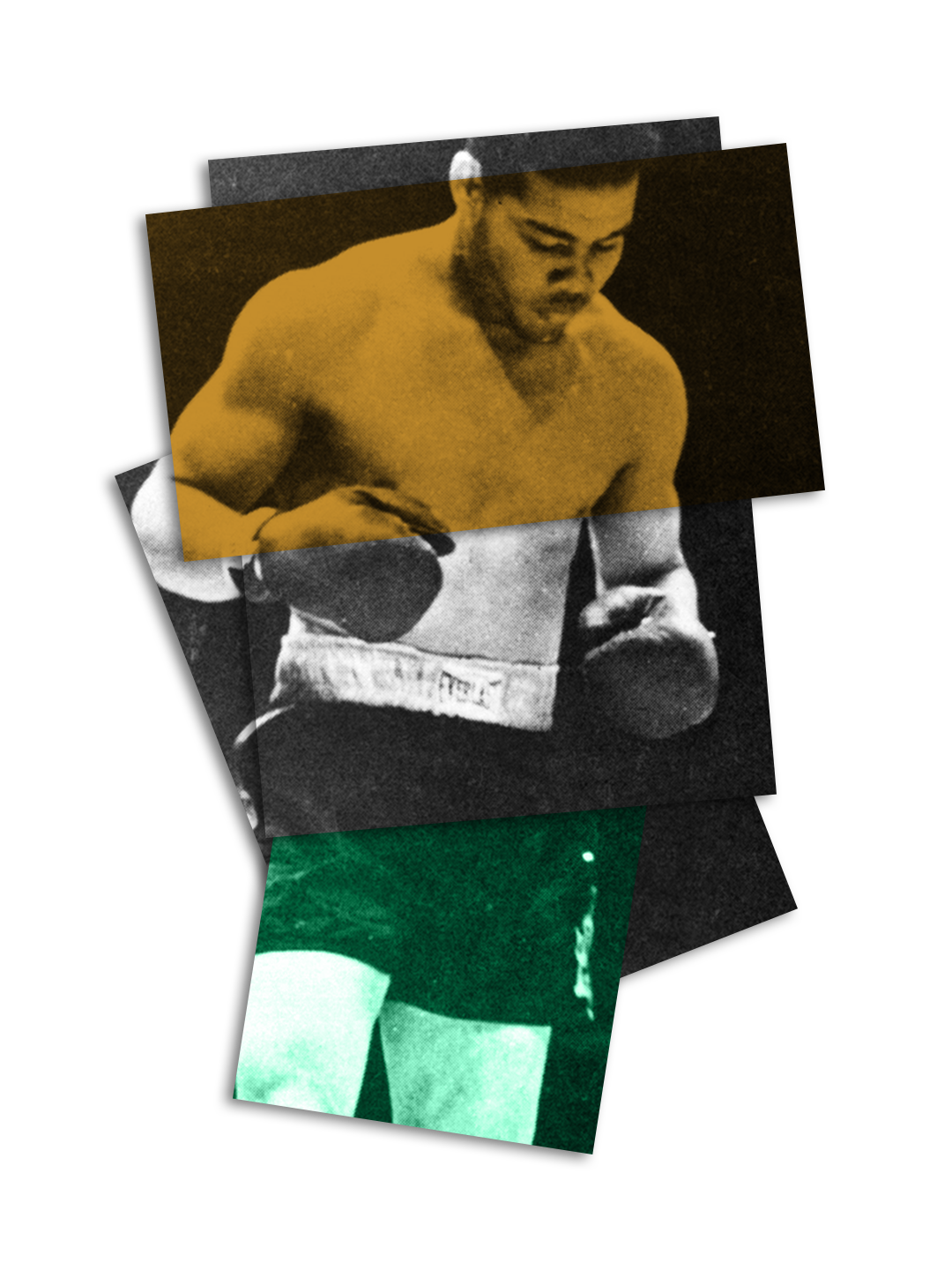
The mindset born in Harlem soon spread throughout Black America, as our entertainers and athletes hurdled barriers to entry into the most esteemed professional arenas, only to ascend to the highest heights and be celebrated as national heroes. When boxer Jack Johnson became America’s first black heavyweight champion in 1908, he was made a heel— severely hounded for both his style and his marriage to a white woman. Three decades later, Joe Louis became a symbol of American greatness when he defeated German fighter Max Schmeling for the heavyweight belt.
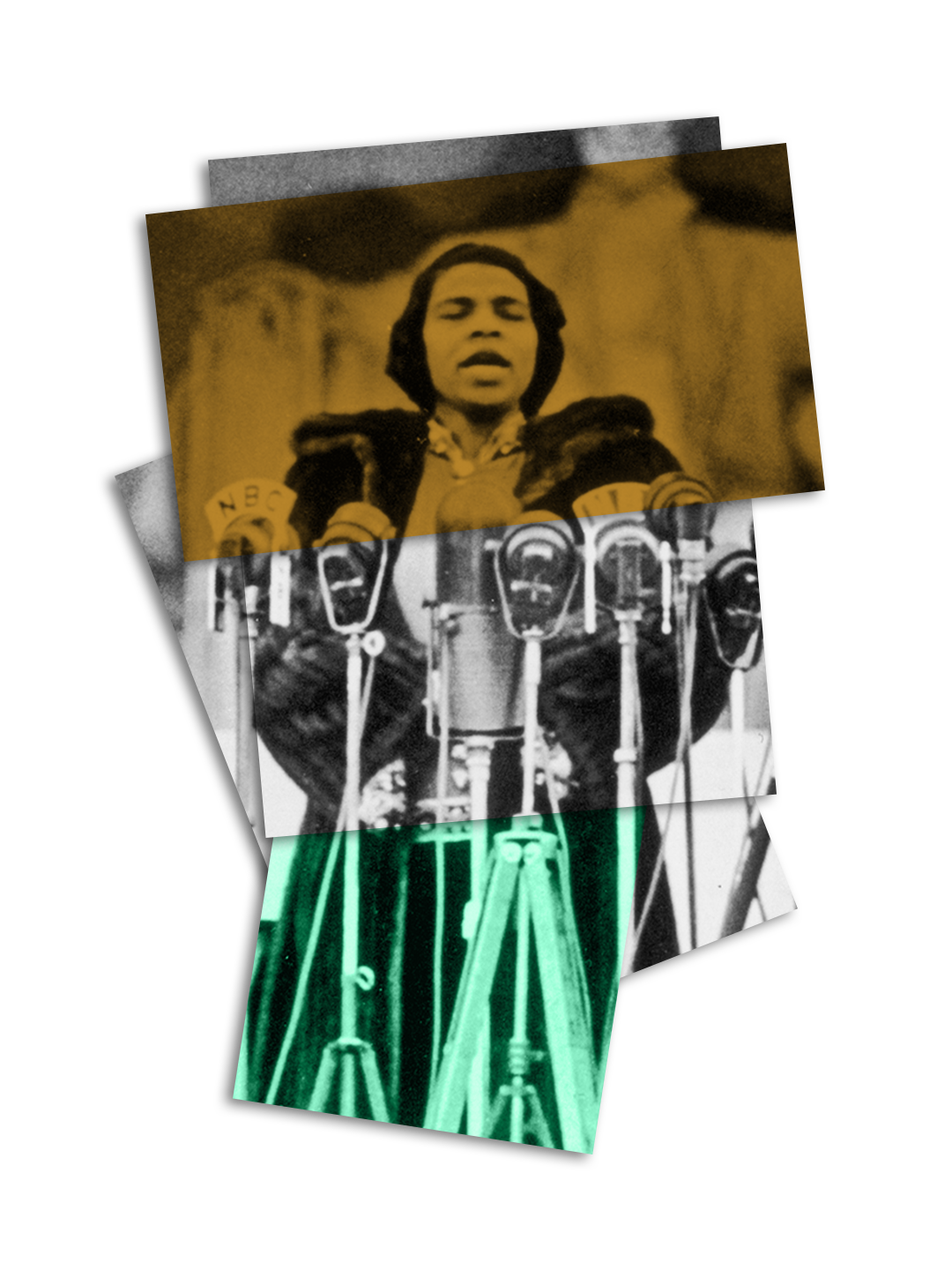
When famed opera singer Marian Anderson was invited to D.C. by Howard University, the Daughters of the American Revolution refused to allow her to perform at Constitution Hall— the only venue that would have been large enough. Undeterred, Anderson held an Easter morning concert on the steps of the Lincoln Memorial. In 1940, Richard Wright published his novel Native Son, the first book by a Black author to become a national bestseller. By the time Black men headed off to the Second World War—urged to enlist by the Pittsburgh Courier’s “Double V” campaign—Black Americans were ascendant across culture and industry, investing the spoils of their victories to sponsor one another and found new Black institutions to propel themselves further. In 1945, Chicago businessman John H. Johnson founded EBONY. Two years after that, Jackie Robinson would break baseball’s color barrier by taking the field for the Brooklyn Dodgers. Less than a century removed from slavery, Black Americans had proven themselves equal in talent, intellect, and achievement. Still, Black America dreamed of true equality. “What happens to a dream deferred?,” the poet, former Chicago Defender and Harlem Renaissance luminary Langston Hughes asked in 1951. “Does it dry up like a raisin in the sun?…Maybe it just sags like a heavy load. Or does it explode?”
Making American Democracy (1954-2008)
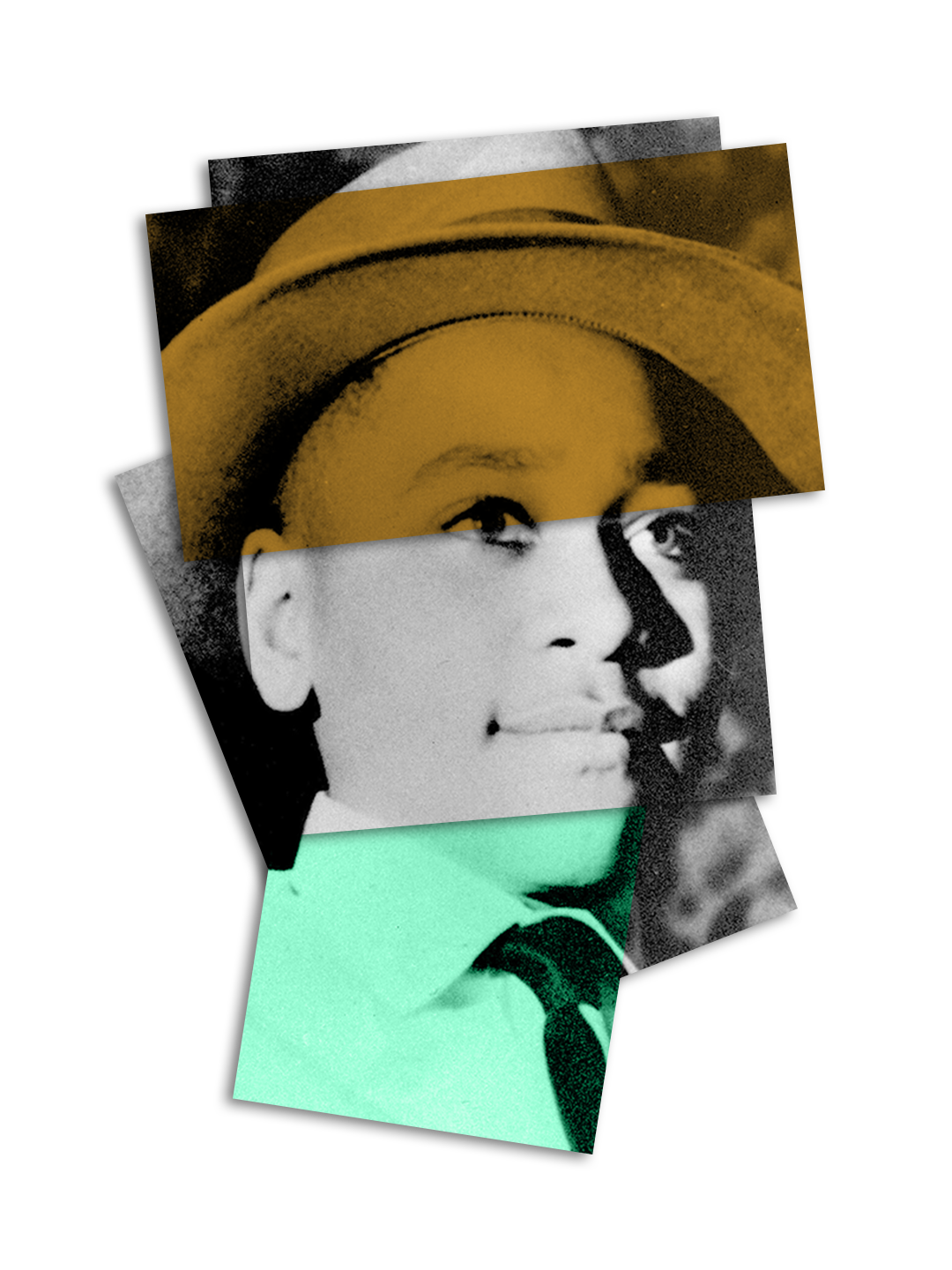
The explosion came in Money, Mississippi, when Moses Wright was called to the banks of a muddy river in the Delta to identify the body of his 15-year-old nephew. The boy was in town from Chicago, visiting family members left behind during the migration, and was abducted, tortured and killed after having been accused of disrespecting a white woman.
It was the type of brutal lynching that had been commonplace in those dark years after the Civil War and was now re-emergent as white Americans rebelled at the court-ordered desegregation of schools and local fights over Black access to public accommodations.
A generation of Black Americans had dreamed that their achievements and accomplishments could earn them equality. The brutal killing of Emmett Till had reminded them how far they remained from true American citizenship. And in response, Black America moved in unison, a rebellious chorus song across a decade and a half that amounts to a historic assertion of Black power, resulting in a Second Reconstruction of American society. If the nation would not honor their humanity voluntarily, Black Americans would force them, too.
Emmett’s mother insisted on holding an open-casket funeral and allowed JET magazine to publish the gruesome photos of her son’s mangled and deformed body. Black newspapers championed the case, and local activists and journalists in Mississippi worked not just to track down witnesses but to keep them alive long enough to testify. When Emmett’s killers were taken to court, his Uncle Moses stood up in the witness box, and pointed his finger at the two white men who had done it— an unthinkable rebellion against Southern racial hierarchy. Photographer Ernest Withers defied court rules to snap a photo of the scene, which went across Black America like a siren call to action, visual proof that we could stand up and call out oppressors by name.
The next few years would see a wave of civil rights campaigns to desegregate colleges, lunch counters, water fountains and beaches. Working with the NAACP, Rosa Parks refused to give up her seat on a Montgomery bus. She’d later say she’d done so for Emmett. In 1963, a full century since the Civil War had ended slavery, hundreds of thousands of Black Americans descended on the National Mall to demand equal treatment and protection.
“100 years later, the Negro still is not free. One hundred years later, the life of the Negro is still sadly crippled by the manacles of segregation and the chains of discrimination,” the Rev. Martin Luther King Jr., who’d been organizing campaigns across the South, declared that day. “One hundred years later, the Negro lives on a lonely island of poverty in the midst of a vast ocean of material prosperity. One hundred years later the Negro is still languished in the corners of American society and finds himself in exile in his own land. And so we’ve come here today to dramatize a shameful condition. In a sense we’ve come to our nation’s capital to cash a check.”
In 1964, a former sharecropper named Fannie Lou Hamer came to the Democratic National Convention and testified of the horrors that had continued to play out in Mississippi in the decade since Emmett Till’s death. NAACP leader Medgar Evers had been murdered. As had several Freedom Summer activists who’d traveled south to register voters. Now, Hamer was demanding that a racially integrated set of delegates be seated for the Democratic convention, as opposed to the all-white slate that the state party had put forward. That battle was, ultimately, unsuccessful, but Hamer’s address to the convention was broadcast nationally, putting the nation on notice that the battle for voting rights was not going away.
“Is this America?” Hamer asked. “The land of the free and the home of the brave where we have to sleep with our telephones off of the hooks because our lives be threatened daily because we want to live as decent human beings, in America?”
The following year, as part of a voter registration campaign in Alabama, activists led a series of demonstrations. After one march was broken up by police — with activist Jimmy Lee Jackson beaten, shot and killed by officers— John Lewis and Hosea Williams decided they would lead another march across a Selma bridge named after a Klansman, making their way toward the statehouse in Montgomery. Police descended on horseback, swinging billy clubs and encasing the marchers in tear gas. The images, broadcast around the world, helped provide the political pressure that led to new federal laws, the Voting and Civil Rights Acts, that represented the biggest step toward equality since Reconstruction. “Selma created American democracy,” the Rev. Jesse Jackson, a civil rights veteran and lieutenant of Dr. King, would tell me decades later.
In early 1983, some of the country’s biggest stars gathered at the Pasadena Civic Auditorium to celebrate the pioneering record label that had brought them together. It had been 25 years since Berry Gordy had launched Motown Records in Detroit and in the years since his artists had successfully desegregated the airwaves, crossing over to mainstream radio and marking the beginning of an era in which Black artistic sensibility— from R&B to Disco to Hip Hop— would be the default setting of American popular culture.
Known for its assembly-line-style production and Gordy’s top-down management, Motown had initially run a program that could be described as strict respectability — its artists were excellent and largely inoffensive, enabling them to build fandoms and followings that transcended the color line. But as Gordy’s artists matured, and grew more powerful alongside their fame, they began pushing back against the program, insisting on both artistic and political freedom.
If much of the civil rights era had been defined by a respectable stylistic sensibility, the calling card of the era to come was Black defiance— captured by the enduring image of the 1968 Olympics in Mexico City: sprinters Tommie Smith and John Carlos raising gloved fists in protest from atop the champions podium. Alice Walker worked to uncover Zora Neale Hurston’s grave, helping her work finally receive its rightful place in the Harlem Renaissance canon. Thousands of Black activists from across the country descended on Gary, Indiana, for the National Black Political Convention, ultimately signing a declaration calling on Black voters to prioritize a pro-Black agenda over strict partisan politics, a sensibility that still governs much of the Black electorate. The years to follow would see the election of mayors and congressional members who were the first Black office holders in their cities and states since Reconstruction, and in many cases the first ever. Jesse Jackson, who’d been thrust to national prominence after the assassination of King, mounted historic runs for the Democratic presidential nomination in both 1984 and 1988, galvanizing the Black vote and making clear again what Fannie Lou Hamer had insisted: the political establishment ignored and marginalized the emergent Black political movement at its own peril.
This same defiant energy would infiltrate Motown. Once the label’s clean-cut, immaculately suited falsetto, by 1971, Marvin Gaye was sporting a beanie cap and goatee on the cover of What’s Going On, the album whose lead track captured the simmering antiwar movement. Motown’s most famous child star, Little Stevie Wonder, would leverage his 21st birthday to demand the creative freedom that enabled a four-album run considered the most sustained artistic genius in the history of American music.
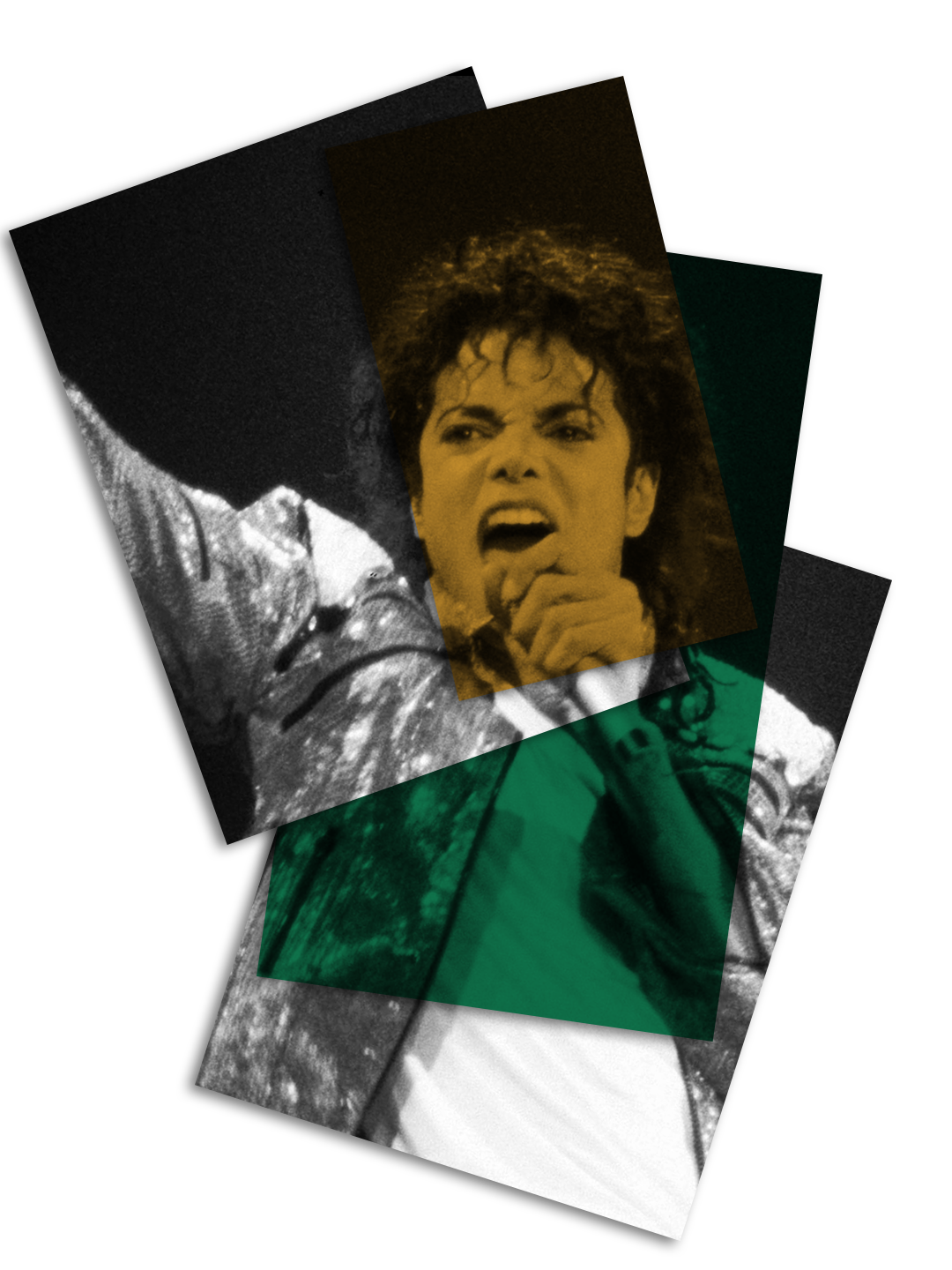
But the star of Motown 25 was Michael Jackson— himself a former child star for the label who, just four months earlier, had released Thriller, an album that would become one of the highest-selling of all time and whose videos would functionally desegregate music-video television. By the time he took the stage, “Billie Jean” was the biggest song in the country, and the moonwalk he’d perform that night during the bridge would soon become the best known, and most influential dance move of the era.
Within a decade, Jackson would be the most famous entertainer — possibly the most famous person in his lifetime — who has ever lived.
For generations, Black Americans had built their own culture, nursing their artistic excellence even when it went unappreciated by the white masses. Now, given a more level playing field, Black artists, elected officials, and business executives were defining American culture, becoming at scale the most influential cultural figures not just in America, but across the world.
Racial integration that followed civil rights would see a wave of Black Americans ascend to the highest, most prominent stages. By 1986, Oprah Winfrey had launched a nationally syndicated talk show that would ultimately give her the biggest perch on television. Three years after that, Spike Lee would premiere Do The Right Thing, forcing many white Americans to watch, for the first time, an acclaimed film told from an inner-city Black perspective. Novelist Toni Morrison— already a Pulitzer Prize winner for Beloved — was honored with the Nobel Prize for Literature. As basketball evolved from an American invention into a global sport, Michael Jordan helped lead the Dream Team to Olympic Gold in 1992 en route to his becoming the most recognizable and monetizable athlete in the world. Following closely in his footsteps, Tiger Woods and Serena Williams would come to define golf and tennis through historic runs in monied, country club sports, which would have them remembered as the most dominant athletes in American history.
Yet if the ultimate victory of the previous era had been the unencumbered right to vote, its logical end would be the creation of an America, built upon Black subjugation, in which a Black person could be elected by popular vote to the highest office in the land.
“Tonight is a particular honor for me because let’s face it, my presence on this stage is pretty unlikely,” Illinois Senator Barack Obama declared during a keynote speech at the 2004 Democratic National Convention, before ticking through a biography that traces a new, emergent Black experience.
Obama had not descended from enslaved Africans, but instead was the offspring of an African immigrant— a story increasingly shared by Black Americans in the decades following civil rights, as relaxed immigration policies prompted new waves of Black migrants to arrive on American shores. Once in America, his father had met and married a white woman from Kansas, a union that, long ago, would have been impossible, and had a son who would go on to reach the nation’s highest heights. “They would give me an African name, Barack— or blessed— believing that in a tolerant America your name is no barrier to success,” Obama continued. Four years later, he’d be elected President of the United States.
“In no other country on earth is my story even possible,” Obama said. “Our pride is based on a very simple premise, summed up in a Declaration made over 200 years ago: ‘We hold these truths to be self-evident, that all men are created equal’…That is the true genius of America.”
Defending Democracy (2008-present)
Earlier this year, on a scorching hot Saturday, I joined a procession of activists and clergy as they emptied out of the pews of a church in Selma, marched through the downtown of what was once a major Confederate power center, and made their way silently across the Edmund Pettus Bridge.
“We are gathered here at a moment, to prepare for what may be the biggest battle of our lives,” the Rev. Traci Blackmon, an AME minister from suburban St. Louis, had instructed the gathered activists that morning. “We gather here in Selma on sacred ground, where ordinary people make extraordinary courage visible. We gather from across the nation, people of faith and consciousness…because the work of democracy remains unfinished.”
It’s impossible to look at our current era with the same distance and remove— to know what moments will come to define our heights and our lows and carry forward in the shared memory of history— while our reel is still running. But we can safely say that the story of Black America has continued, with clear echoes of the past.
Black excellence in newly integrated institutions, alongside Black dominance of popular culture, remained a defining feature in our current era. From Beyoncé to Black Panther to Pulitzer Prize winners Wynton Marsalis and Kendrick Lamar. Michelle Alexander’s The New Jim Crow redefined the public understanding of our carceral system; Ta-Nehisi Coates’ The Case for Reparations helped usher in a wave of new efforts toward government redress; and Nikole Hannah-Jones’ 1619 Project challenged the way we’d been taught, for generations, to conceptualize American history.
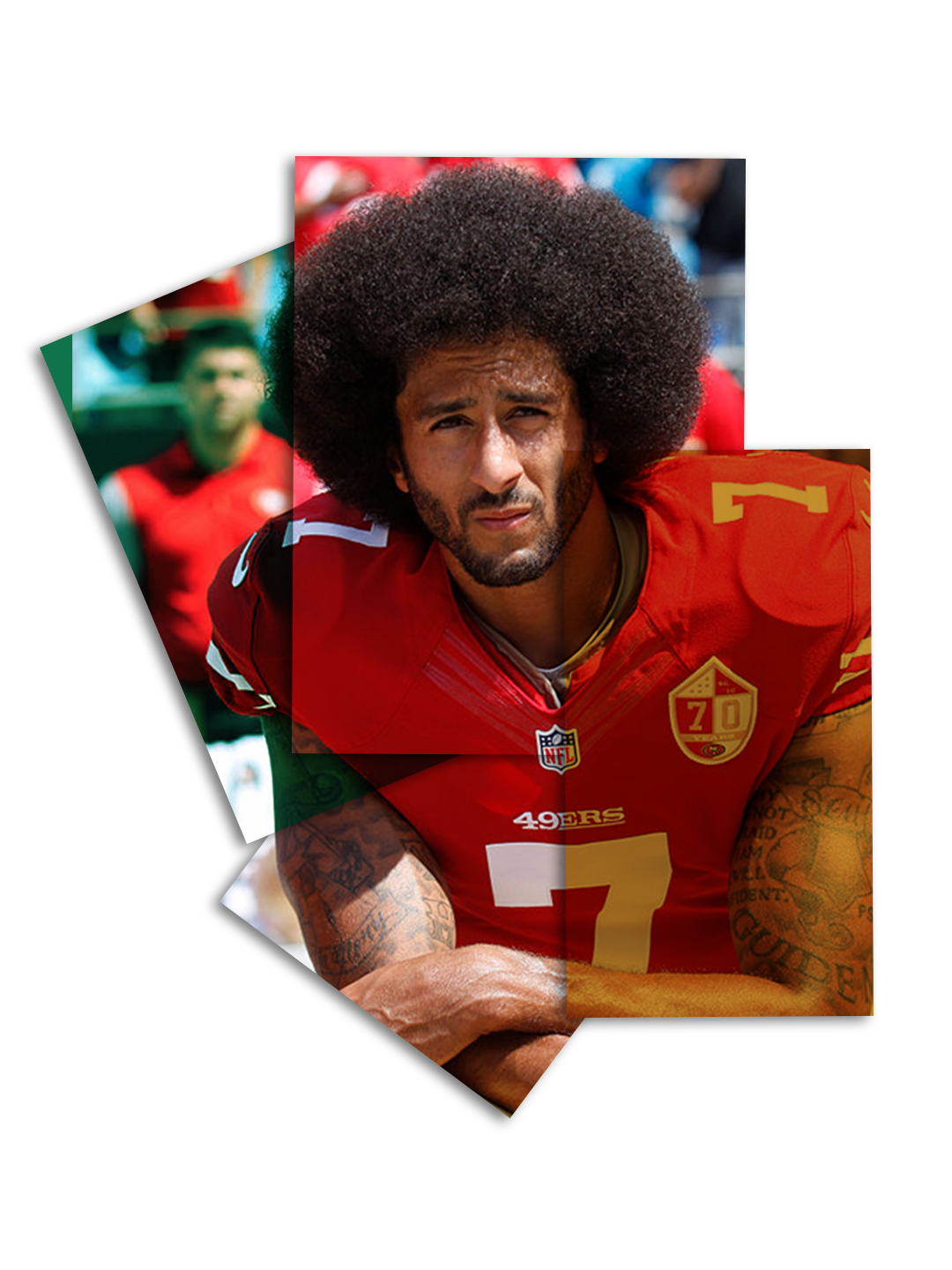
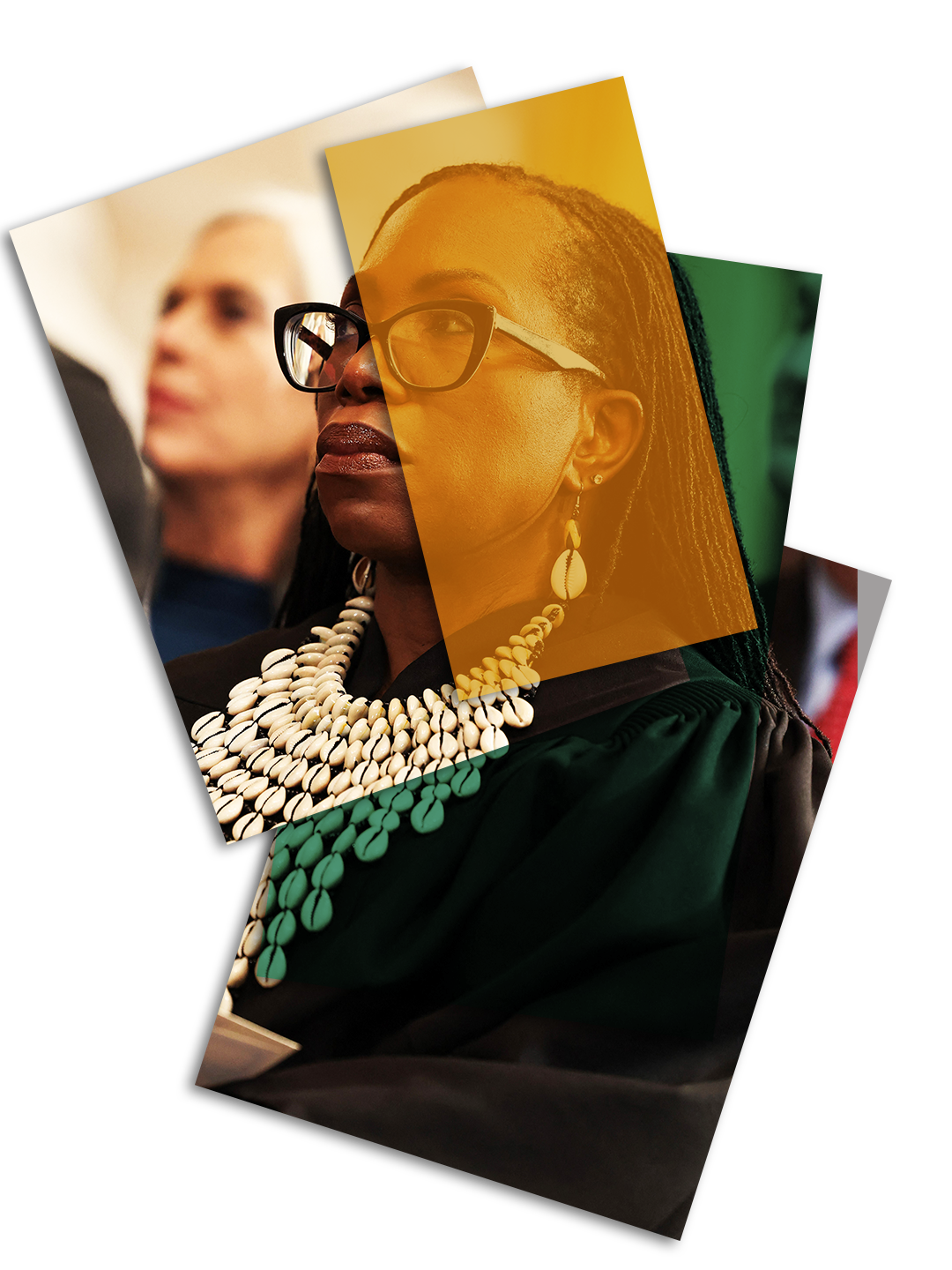
Embodying the same ethos that had defined the civil rights era, thousands of Black youth took to the streets to proclaim “Black Lives Matter,” in response to a criminal legal system that disproportionately kills and incarcerates Black men and women. NFL quarterback Colin Kaepernick took a knee on the sideline, becoming both pariah and icon. In Ferguson, Mo., local activists held the longest series of nightly civil rights demonstrations since the desegregation efforts of the 1960s. Half a decade later in Minneapolis, 17-year-old Darnella Fraizer captured the final moments of George Floyd’s life as he was killed by a police officer who had kneeled on his neck— prompting the largest global protest movement for Black rights and dignity ever seen. A Black woman named Ketanji Brown Jackson was sworn in to the Supreme Court, and another named Kamala Harris became the first Black vice president.
But the era that followed the Second Reconstruction also brought with it a sustained resistance—an American Whitelash—in response to each step toward equality and progress. Selma had created an American Democracy. But that did not mean democracy could not be killed—and the nation was determined to try. Black Americans ascended to the country’s highest heights and, as they rose, attempted to live out Mary Church Terrell’s edict that they lift as they climb. Yet they found that American racism had been backed into the very systems and institutions into which they’d demanded entry. “I am afraid that we are integrating into a burning house,” Dr. Martin Luther King Jr. confided in one of his final conversations with his friend and confidant, the activist and performer Harry Belafonte.
Many white Americans responded by fleeing the cities and their schools and moving into newly built suburbs. Efforts to diversify higher education and corporate workplaces met sustained resistance, a decades-long pitched battle that ultimately led to the Supreme Court ruling against the practice of affirmative action. Descendants of the 20th century black migrants often remained trapped in underfunded, underresourced inner cities, plagued by unemployment, drugs and crime— which in turn became the pretext for even harsher policies towards the Black lower class. And ultimately, a political coalition powered by white Americans replaced Obama, after two terms, with a nativist president whose explicit political priorities were stopping the inflow of immigrants who are racial minorities and ridding the government of post-civil rights programs that had been put in place to advance equality. Among his chief acts was to have the federal government order an end to all diversity, equity and inclusion efforts.
And so, the scene in Selma was just one in a series of recent scenes that feel pulled from the archive of history. Just weeks before, the Supreme Court had issued the latest in a series of devastating blows to the protections offered by the Voting Rights Acts. Immediately, states moved to eliminate Black congressional districts, threatening to roll back Black federal representation to post-Reconstruction levels. In Tennessee, State Rep. Justin Pearson was physically blocked from the statehouse floor after his colleagues voted to redraw Congressional lines to dilute the power of his Black constituents in Memphis, while his colleague Rep. Justin Jones burned the image of a Confederate flag in the foyer. In Florida, State Rep. Angie Jones was arrested after she staged a sit-in at the governor’s office, demanding to meet with him about the redrawn state maps. The Rev. William Barber led voting rights marches across North Carolina and holds demonstrations each Monday outside the White House.
As America celebrates its 250th birthday, Black Americans again find ourselves asking what the promises of this country’s founding mean to us, and dreaming of a future in which we can enjoy their fulfillment. Activists have declared 2026 another Freedom Summer. Now is yet another moment that will challenge and test Black power.
“Let’s be thankful for our ancestors, whom we have followed over these past 250 years, without whom we would not be here,” proclaimed the Rev. Mark A. Thompson, a veteran activist and journalist, as he addressed a crowd gathered in D.C. earlier this month for a mobilization aimed at dreaming about what the coming eras of the American experiment might hold. He echoed David Walker’s appeal and Frederick Douglass’s provocative inquiry. “We march now to prepare to answer that question; we march now for the next 250, for ourselves and for the yet unborn.”
Multiracial democracy has been a roughly 50-year experiment. If American history, to date, is a five-season television series, racial equality doesn’t show up until Season Five. And what ends up being true of the following season will largely be determined not by the forces that would suffocate equality, but by the Black men and women who rise up in defiance to exercise their own power. Anyone who wonders what they would have done in past historical moments should remember that we live inside of history, doing or not doing today what will be recorded tomorrow. In recent years, journalist Roland Martin has often invoked the Biblical story of Nehemiah, who oversaw efforts to rebuild Jerusalem’s walls. Each willing family started by building the section in front of their own home, and those who joined faithfully—because many, by then, had grown mocking and cynical—had their names forever recorded in history.
Black Americans have spent 250 years insisting that America stay true to the promise of its founding— that it actually be the nation in practice that it claims to be in principle. Each expansion of democracy, each step toward equality, has left behind our shoeprints in the dirt. If Black Americans built American democracy, now we are charged with rebuilding it. And we, like each generation of Black Americans before us, inherit an unfinished work.
Wesley Lowery (@wesleylowery) is a Pulitzer Prize winning journalist.