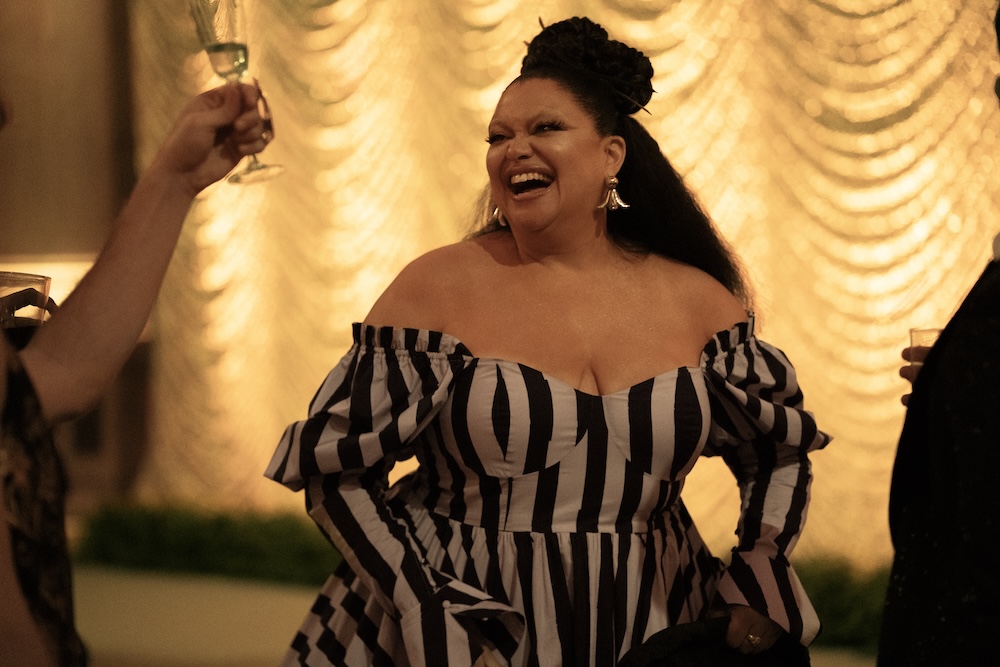
Michelle Buteau’s signature Netflix original show, Survival of the Thickest, is coming to an end with the third and final season, premiering on July 2. The show’s witty, charming, and boisterous comedic style has inspired joy and renewed faith in what inclusion on television should look like.
Now that the final official trailer has arrived, I’m reminded that all things must come to an end, but a blast can still be had. From the looks of it, we can expect the show’s usual comedic antics and more (notable guest appearances include body-inclusivity activist Samyra, D.L. Hugley, Ice-T, Ashley Graham and Kandi Burruss).
As a viewer who’s tuned in for each season, my feelings surrounding its ending are scattered. The opportunity to enjoy the show’s arrival and conclusion is bittersweet. One of the traits that has cemented Survival of the Thickest as a standout production is the audacious way it caters to demographics often underrepresented, most specifically, plus-sized women.
As a matter of fact, the show has been consistently intentional in showcasing diverse and varied identities: undervalued conversations about the transgender and queer community, the challenges aging women experience, exclusionary industry practices, chosen family, community collectivity and resistance. It’s been a buffet of meaningfulness, a true masterclass demonstrating that content can amplify inclusion across the board without deprioritizing joy, all anchored by humor.
That said, it’s daunting to think about when we’ll see another project of its kind again. Mavis Beaumont, played by Michele Buteau, along with her core crew of intense, sexy, and funny friends, played by Tasha Smith and Tone Bell, have covered so much ground since the show’s inception in 2023. And while I could sulk about how sad it is to see it go, I’d rather lay out the impact that it has had.
To start, being able to see the evolution of a creative plus-sized woman thrive on her own terms in New York’s fashion scene was as thrilling as it sounds. Mavis’ journey from playing small as a mistreated assistant stylist into a solopreneur stylist, boutique owner, and community champion while being fashionable was refreshing.
This story offered reprieve from seeing a plus-sized woman battle insecurities at the hands of others. The way her character is written to live, fail, thrive, and explore in a traditional sense, without the exacerbated, sad fat girl trope, made the show addictive. Audiences experienced an audaciously loud and talented Black woman navigate her colorful life without continual fat shaming or trauma. It was almost as if plus-sized women are capable of leading exceptionally full lives without the burden of societal expectations — to a point, of course. The ride has been riveting, and I fear that I’m not ready to get off yet.
If I had to predict how the series will conclude, I think it will double down on the notion that everyone deserves to feel special and seen, just as it has always done.