Marriage is no longer one-size-fits-all, and it hasn’t been for a while. Over the years, we’ve seen many depictions of Black love—from our favorite sitcom couples to those in our innermost circles. Yet, despite all the representation, we can all agree that there is no single blueprint for what Black love and marriage are supposed to look like.
In a 2025 survey, BLK (Black Singles Dating App) reported that 81 percent of Black singles expressed interest in marriage while opting out of traditional gender roles. In fact, Black singles expressed value in couples therapy and are open to modern family structures—a consistent trend among Generation Z and Millennial couples.
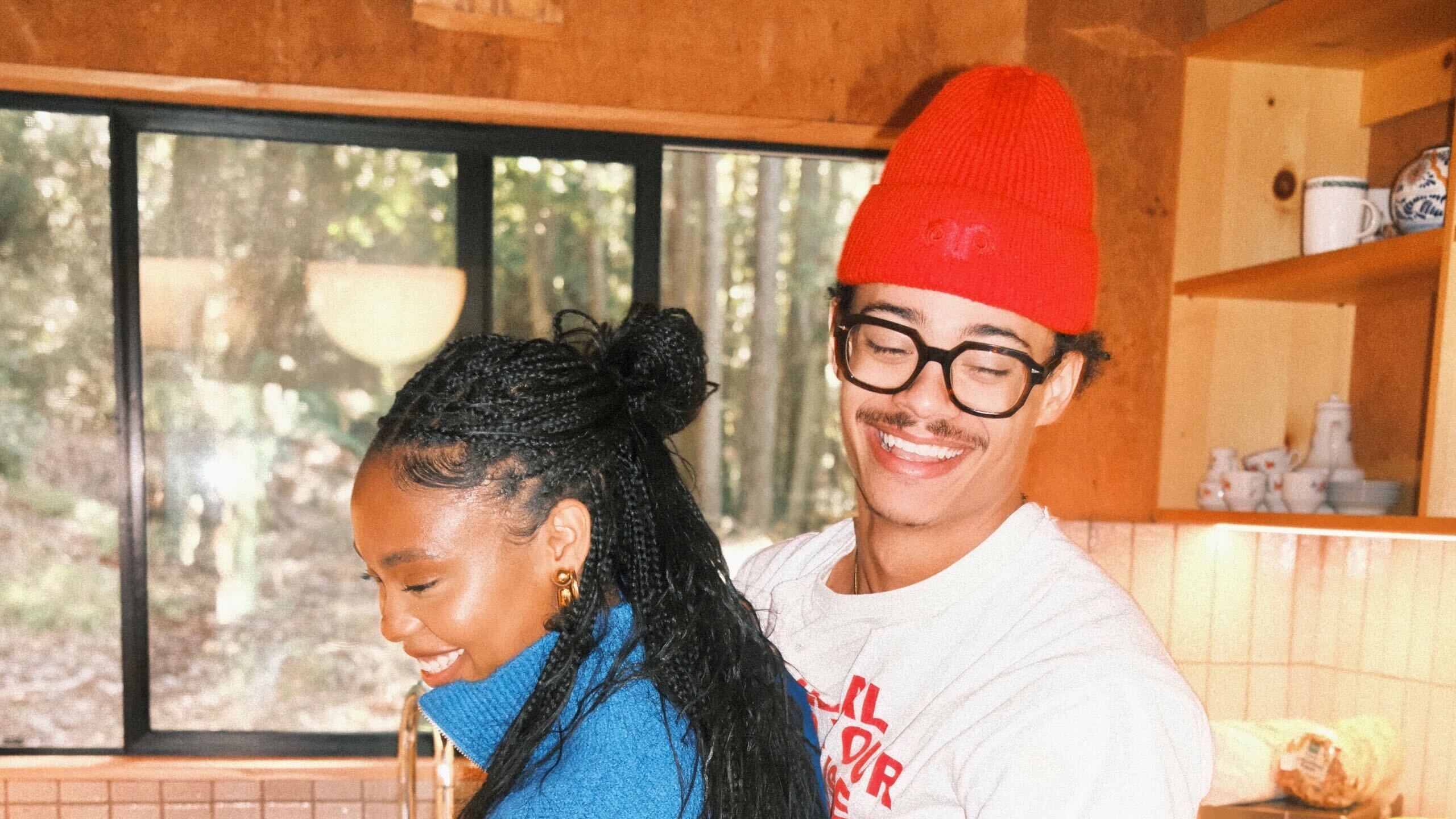
Aïssata Diallo and Ali Camara, who’ve been married for a little over four years, built their union based on their ideals of partnership and commitment. “Growing up, marriage felt very idealized, almost static. Now I see it as fluid—it shifts with seasons, growth, and life changes, and that’s what makes it meaningful,” Diallo told EBONY.
Diallo, 31, also credits Camara’s consistency as one of the reasons she knew he was the person for her. “The way we showed up for each other during uncertainty, growth, and quiet everyday moments made it clear this was someone I could build a life with,” said the entrepreneur and former Love Island USA contestant.
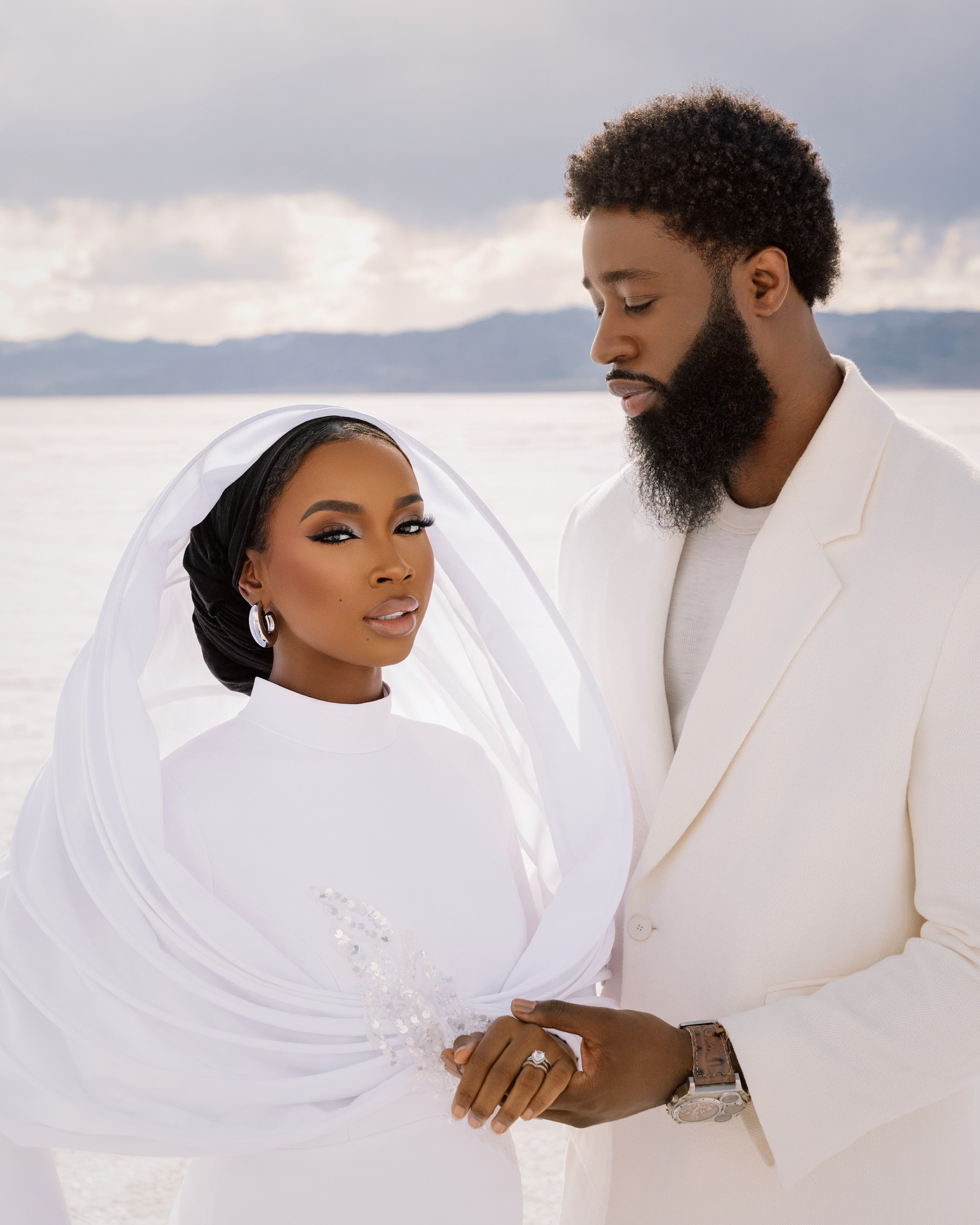
The two say it feels like they’ve lived multiple seasons with each other, but in the best ways. Over the past few years, Diallo and Camara have built their marriage on family, respect, and faith—while rejecting the idea that their marriage has to be rigid or gendered to work. “When we stopped measuring ourselves against outside expectations, we realized our marriage didn’t need to look traditional to be strong,” said Camara, 32. “It just needed to be honest and aligned with who we are,” he added.
Another couple who can attest to this is Timothy and Nicole Sparks, who spent the early years of their marriage navigating long distance because they married one week before Nicole started medical school. “Having a very demanding career requires a spouse who not only understands but supports you wholeheartedly,” says Nicole, who’s an OB-GYN physician. “We had to realize that we are a team and the only way for us to thrive is to support each other.”
The two have been married for 15 years and deem being intentional and showing up for each other wholeheartedly as the key to longevity. “We have a unique and wonderful marriage…it’s basically a whole bunch of puzzle pieces that are scattered, and ultimately we’re working the pieces together,” Timothy, 42, said.
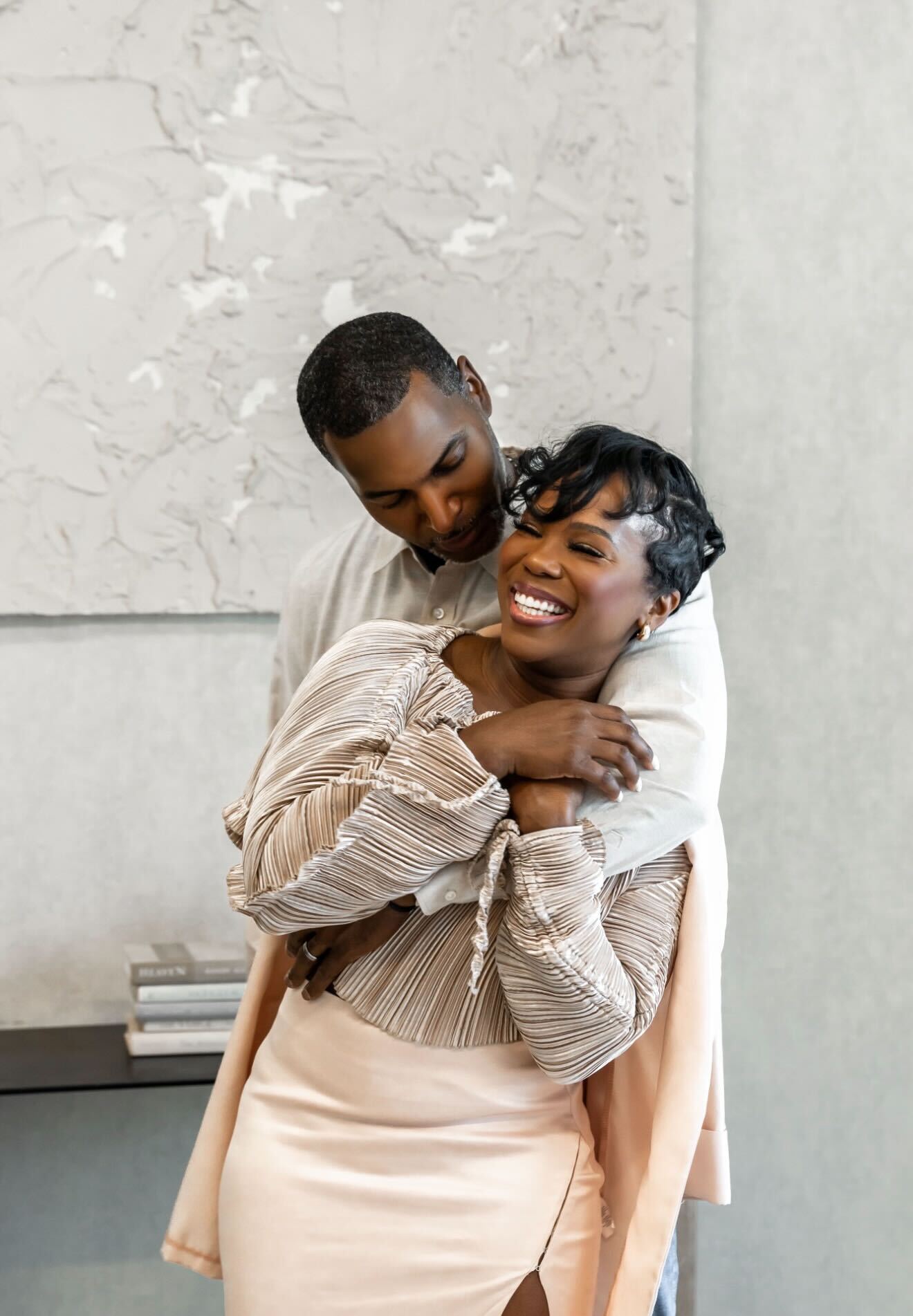
Aside from abandoning traditional gender roles, the two have transformed the ways they handle conflict in their relationship. “We try not to yell because then the message gets lost in the tone of your voice,” Nicole, 40, said.
The couple explains that in most cases, it wasn’t about who was right or wrong, but about addressing the situation amicably. Timothy tells EBONY, “The hardest part was learning how to really listen [to each other]. I realized time always reveals the truth, but the ultimate question is, once time does it—how do you respond to it?”
For newlyweds Chandler and Lauryn Metcalf, they respond to conflict with kindness and humility, rather than frustration. “Sharing honestly about our feelings can be intimidating, but we know from experience that true vulnerability only deepens trust,” Chandler, 24 said. “We can honestly say there’s never been a conflict that we haven’t emerged more connected with each other.”
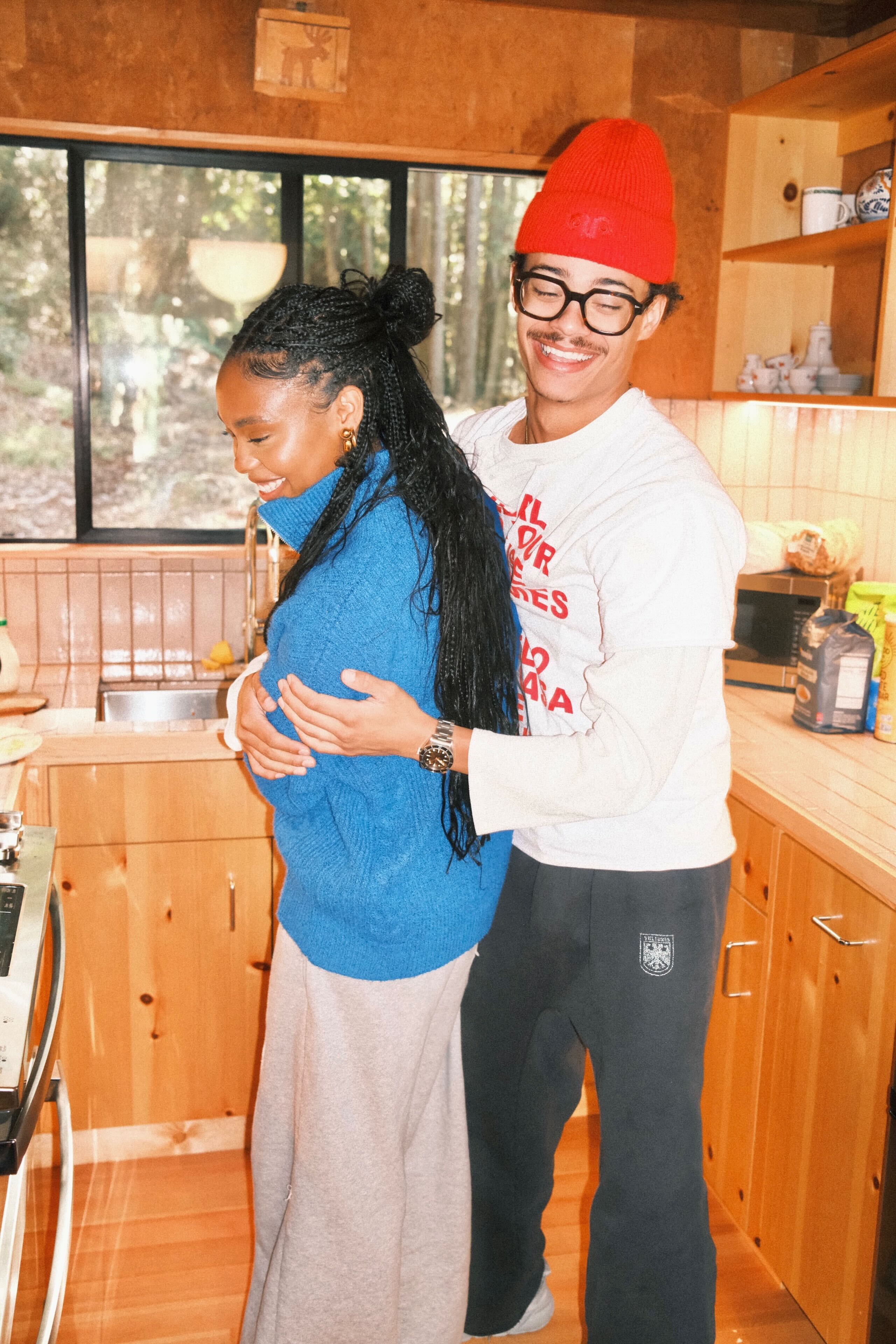
The Metcalf’s have been married for nearly two years, but Lauryn says it only took her two weeks of talking to know Chandler was going to be her husband. “While we were dating, we would talk through all the things we wanted in a marriage,” Lauryn said. “There were things we took and things we decided to leave from not just our parents’ marriages but the marriages we had seen through friends and family.”
“We make an intentional choice to love each other every day,” Lauryn told EBONY. “To us, marriage is not just a one-time event at the altar; it’s a daily choice to love each other. Like most people, the two grew up hearing negative connotations on Black love, such as it’s too difficult and it’s fueled by passion rather than respect. However, all of the couples can agree that they are choosing to celebrate their union by representing the best of Black love and Black marriages.