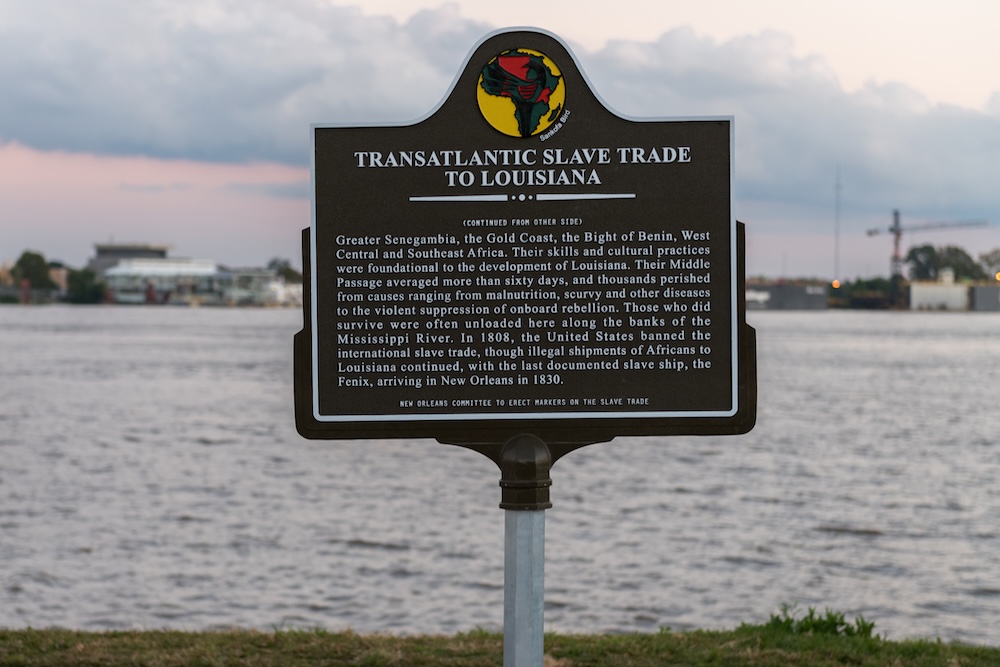
The International Day of Remembrance of the Victims of Slavery and the Transatlantic Slave Trade was honored on March 25. This year, the U.N. General Assembly moved beyond talking points and named the transatlantic slave trade and the enslavement of Africans for what it was: the gravest crime against humanity. The resolution passed with 123 votes in favor, while the United States, Israel and Argentina voted against it.
And yes, that matters.
The world is no longer pretending this history of the enslaved is too distant, too complicated, or too politically inconvenient to confront. It matters because the slave trade was not an unfortunate side story to modern wealth, but the business model. It financed empires, built ports, expanded banks, and underwrote the rise of the United States through forced labor, theft and generational brutality.
And now, when the issue has shifted from remembrance to repair, American political representatives have paused.
In the official explanation of the vote, delivered by Ambassador Dan Negrea, the U.S. rejected the resolution’s legal framing around reparations. That is where the contradiction becomes impossible to ignore. The crime is acknowledged in moral terms, but the financial responsibility associated with it remains off-limits, even though the model has proven effective in the past.
According to the U.S. State Department’s JUST Act reporting, Germany paid approximately $86.8 billion in restitution and compensation to Holocaust victims and their heirs from 1945 to 2018. That record does not erase the Holocaust. Instead, it establishes that atrocity can be named and addressed.
The United States has also acknowledged crimes against Native American tribes who have received treaty-based land agreements, federal recognition of sovereign reservations, and government-supported benefits tied to education, health care, and economic development. These policies, while incomplete and often contested, demonstrate that restitution can work within U.S. policy when acknowledged as a national obligation.
So yes, this U.N. vote is progress because recognition matters and naming the crime matters. But for descendants of the transatlantic slave trade, acknowledgment without economic accountability is still an unfinished sentence.