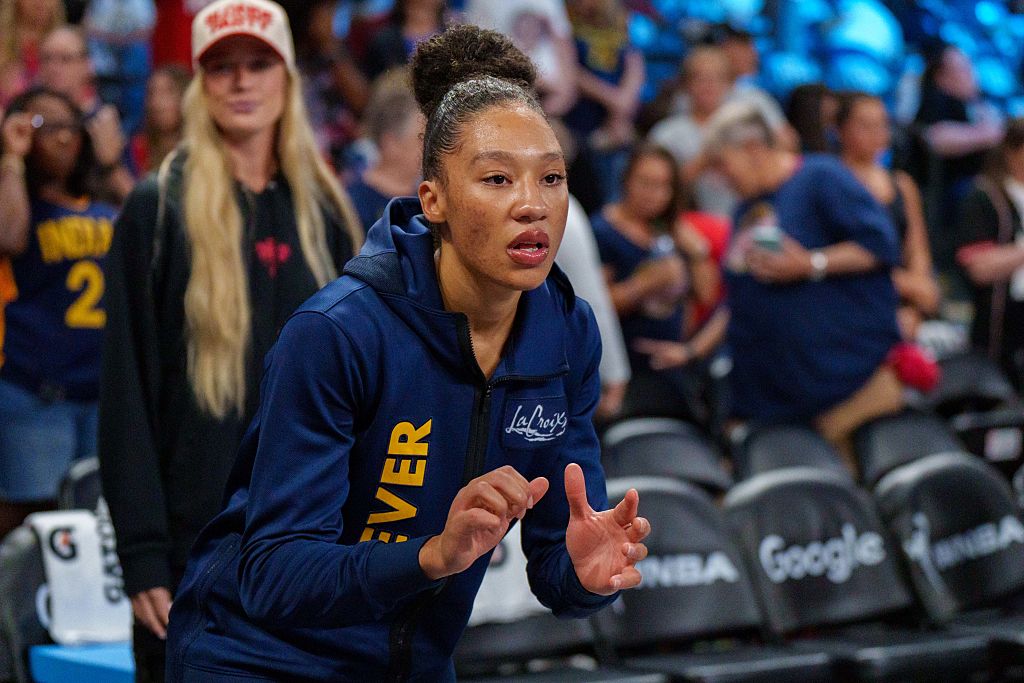
The WNBA’s new era is easy to measure in numbers.
More money. Bigger salaries. Better benefits. And finally, a salary structure that begins to look more in line with the value players have long created.
But for Ariel Powers and Monique Billings, two veterans who have lived the grind of professional women’s basketball, the real significance of this moment goes beyond a paycheck.
It is about breath. It is about dignity. It is about what happens when women who have spent years helping build this league can finally begin to imagine a version of professional basketball that feels healthier, more stable and more fully professional.
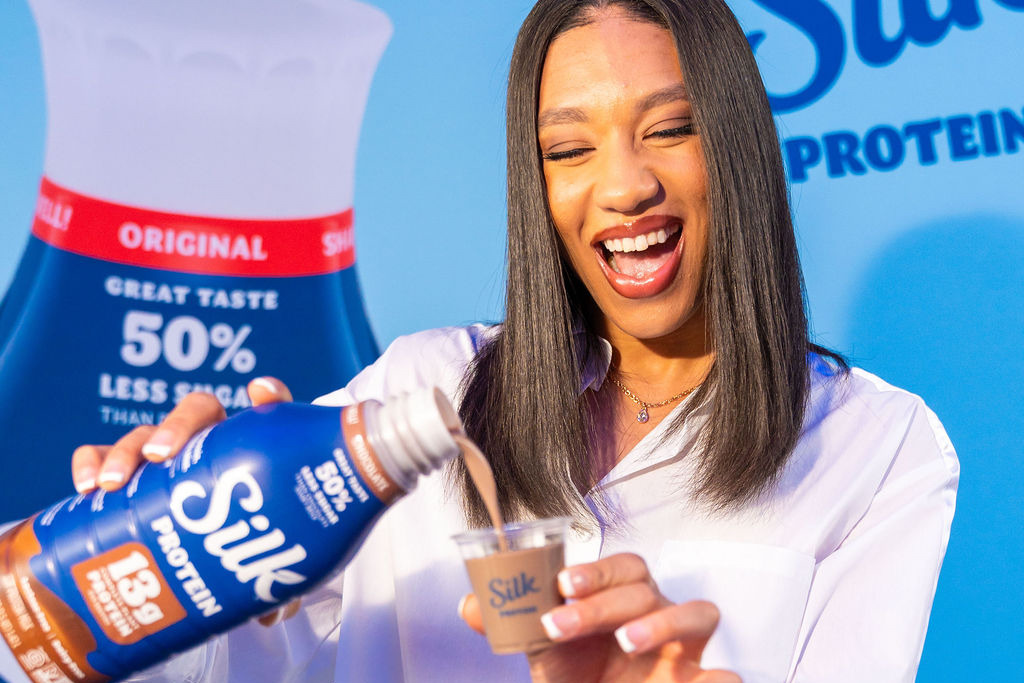
That idea sat just beneath a recent conversation with both players as they discussed recovery, routine and life on the move through their partnership with Silk Protein. On the surface, the collaboration makes sense. Athletes are always looking for practical ways to support their bodies through travel, training and the wear of a long season.
But the more revealing story was what both women said about sustainability.
For years, life in the WNBA has often meant very little real offseason. The league calendar ends, and many players head overseas to continue earning. Others now split that time between domestic opportunities like Unrivaled, training obligations and preparing for camp. The cycle has been so familiar for so long that it can start to sound normal.
Until somebody says plainly what it costs.
For a long time, women’s basketball has asked players to perform like elite professionals while often living with conditions that do not fully match. The issue was never just salary, though that definitely mattered. It was also the year-round strain, the lack of true rest, and the expectation that players keep producing with little room to simply be.
Powers said she tries to protect space for herself not only in the offseason, but during the season too. “Mental health is a real thing,” Powers said. “Sometimes you just need a breather.” For Powers, that means gaming, unplugging or doing things that belong to her and not just the athlete the public sees. That mindset makes her comments about the league’s labor progress feel even more resonant.
“My immediate reaction was a deep sense of gratitude and appreciation,” Powers said. “It was also a moment of reflection. Recognizing the women who came before us, who poured into this game and laid the foundation without always receiving the financial opportunities we are now stepping into.”
That quote does more than express thanks. It places this moment in lineage. The gains being discussed now did not arrive out of nowhere. They are the result of years of labor by players who kept the league visible, competitive and culturally relevant, often without the compensation or infrastructure to match their impact.
Powers also made clear that this is not only about the present generation cashing in. It is about widening the runway for the next one.
“I believe this has the potential to significantly shape the future of our league and the generations that follow,” she said. “I know many young women who are passionate about basketball purely for the love of the game, but this progress also opens the door for them to pursue it as a sustainable and rewarding career.”
That may be the clearest way to describe how the league becomes healthier from a policy standpoint. Better compensation changes more than a bank account. It changes the terms of a career. It gives players more say over how they spend their offseason, more freedom to prioritize recovery, and a better chance to build a life that is not entirely dependent on nonstop motion.
Billings, who recently signed with the Indiana Fever, put that shift in direct terms.
“I think it just gives people a lot more agency,” she said. “Do you want to stay home in your offseason, or do you want to make another bag in your offseason and go overseas? That option is still there.”
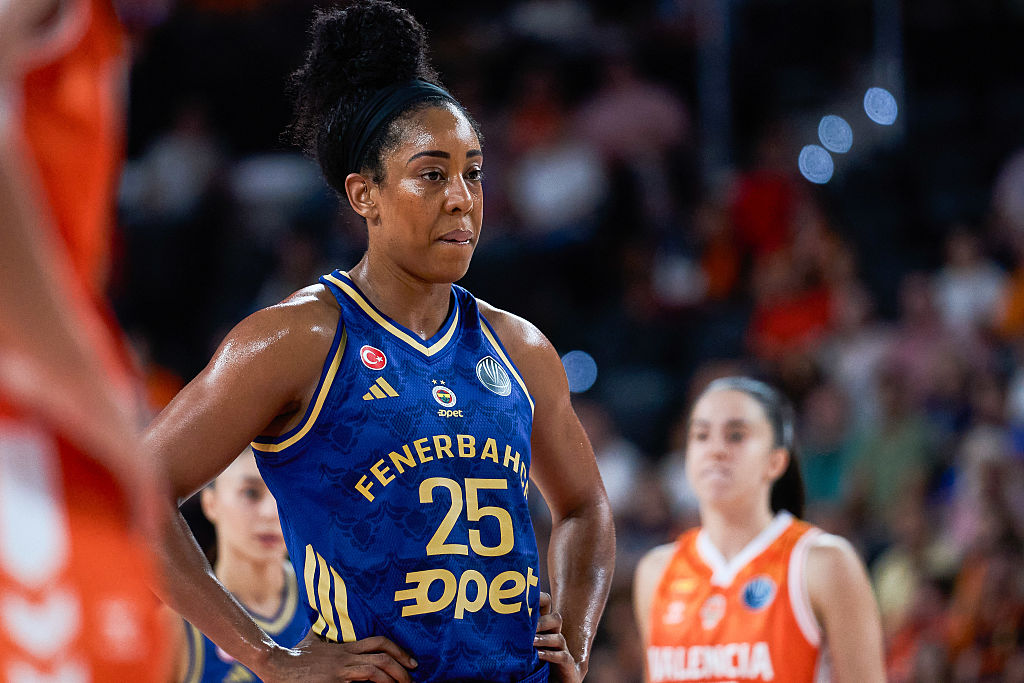
Billings, who has played internationally for both the Korean and Turkish leagues, knows that choice is the difference. Overseas basketball has long been a meaningful and, for many players, necessary part of the professional ecosystem. But there is a difference between pursuing an opportunity and needing one just to make the math work.
That is where the conversation around generational wealth starts to feel less aspirational and more material. A league full of elite athletes should not require those athletes to live in a permanent state of hustle just to build stability.
Billings made that point with both humor and clarity. “We are about to get paid,” she said with a laugh.
But she was also talking about the quality of professional life. Not just salaries, but standards. Locker rooms. Proper nutrition after practice. The everyday support systems that allow players to feel cared for and taken seriously. In men’s sports, those things are often assumed. In women’s basketball, players have had to fight to make them ordinary.
That is why this moment feels bigger than a financial headline.
Yes, the money is moving. But the real story is that players are pushing the league toward a more livable model of success — one where performance, recovery and personal well-being do not have to be in conflict.
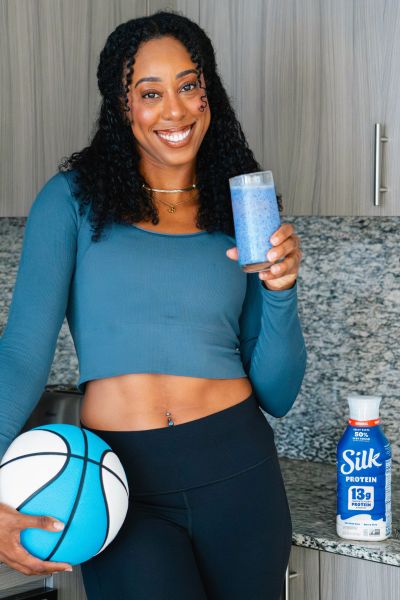
In that sense, a brand conversation about protein and recovery opened onto something more useful than a sales pitch. Powers spoke about Silk Protein in the language of routine: quick, practical and helpful for an athlete constantly on the move. Billings approached it similarly. Fuel matters when your career has long depended on keeping yourself ready.
But the bigger truth is that WNBA players have been asked for years to make a miracle out of maintenance. Now, the conditions may finally be starting to catch up to the labor.
That is the shift. Not just more money, though that matters. A league where women can love the grind without being consumed by it. A league where rest is not a luxury, and where building wealth, protecting peace and planning a future are not extras attached to the game.
They are part of what the game should have been offering all along.