What You Need To Know: This week, Maryland lawmakers overrode the governor to push forward a slavery reparations study, reopening a national debate over how the U.S. confronts its past. The Congressional Black Caucus renewed its call to pass the Justice for Breonna Taylor Act, keeping police reform squarely on the agenda. And new data showed Black unemployment rising again—an economic warning sign flashing as voting rights and immigration enforcement battles unfold nationwide.
Maryland Advances Slavery Reparations Study After Governor’s Veto
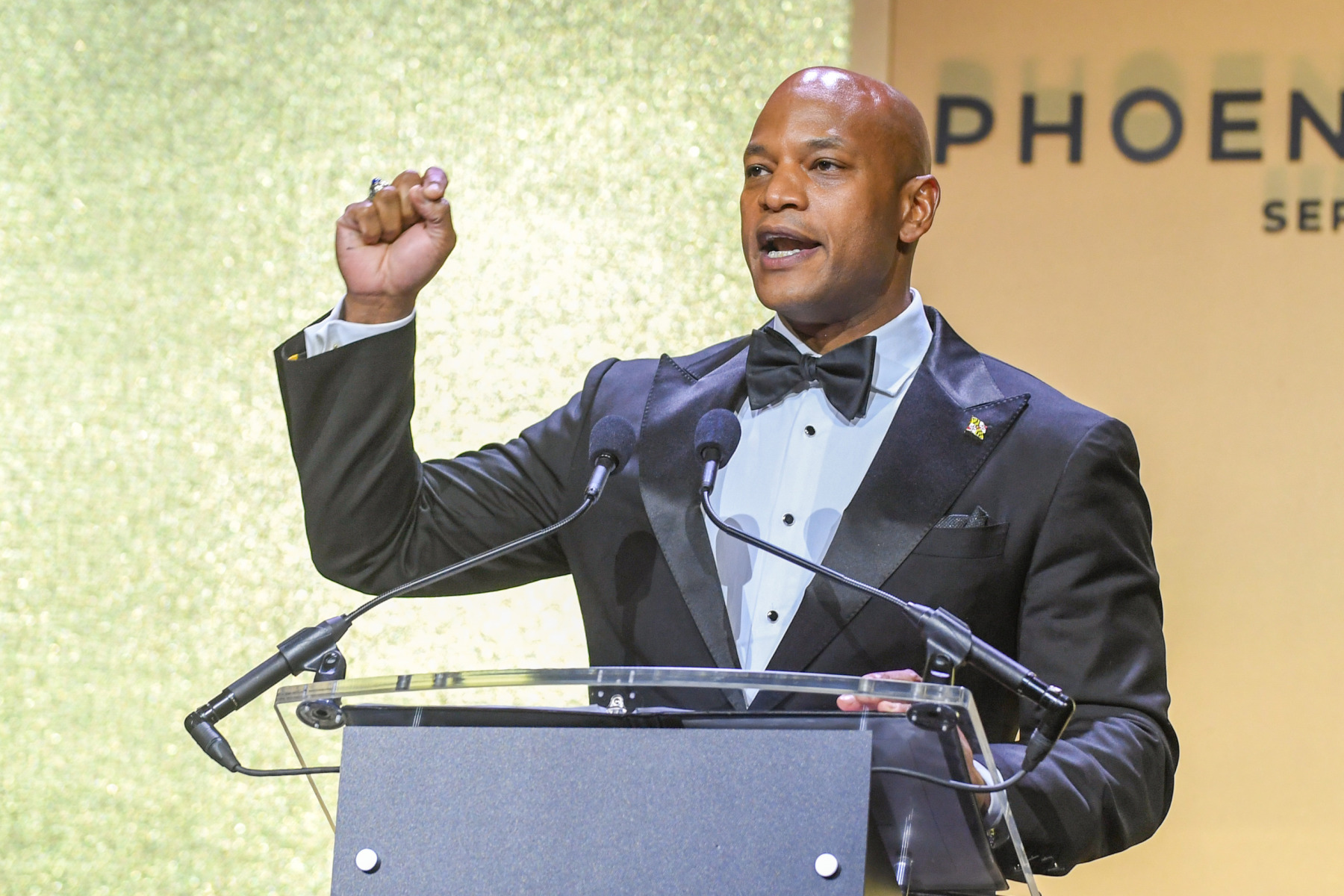
Maryland lawmakers voted to override Gov. Wes Moore’s veto and will establish a commission to study possible slavery reparations, a move that could shape future policy on addressing historical racial injustices. The commission, backed by the Democratic-controlled General Assembly, will examine how reparations could be structured for descendants of enslaved people and those affected by discriminatory government policies. Lawmakers pushed the override despite Moore’s earlier veto, arguing a formal study is needed to ensure proposals are practical and constitutional.
The Bigger Picture: Debate over reparations for African Americans remains contentious nationally, with supporters saying financial and policy remedies are overdue to address long-term economic disparities, while critics argue questions of eligibility, cost and legal precedent complicate implementation. Public opinion on reparations is divided, and similar efforts in cities and states have yielded mixed results. Moore, the nation’s only Black governor, had said more study had already been done and urged immediate action on inequality, but said he will now work with legislators.
Congressional Black Caucus Endorses Justice For Breonna Taylor Act
The Congressional Black Caucus urged lawmakers this week to pass the Justice for Breonna Taylor Act, marking a renewed push for policing reform tied to a pivotal civil rights case. The caucus, led by Chairwoman Rep. Yvette D. Clarke, issued a statement Dec. 16 calling for support. The measure was first introduced in 2024 and reintroduced last week by Rep. Morgan McGarvey. The legislation was framed as a response to the 2020 fatal shooting of Breonna Taylor in Louisville, Kentucky, during a no-knock police raid that ignited nationwide protests against police violence and racial injustice.
The impact: The Justice for Breonna Taylor Act would ban no-knock warrants, which currently allow officers to enter a property without prior notice, and apply the prohibition to federal and federally funded state and local agencies. Backers contend the change could lower the risk of deadly confrontations during warrant service and build trust between police and communities. say the bill would help prevent similar tragedies by requiring officers to announce themselves and limit sudden, forceful entries that can endanger residents and law enforcement alike.
Unemployment Rate Among Black Americans Sees Steady Rise In November
The unemployment rate for Black Americans rose sharply in November 2025, underscoring widening labor market disparities even as the overall jobless rate climbed to 4.6%. Historically, the Black unemployment rate has fluctuated with economic cycles and averaged lower levels during periods of robust job growth, including record lows under recent administrations.
By the numbers: According to the U.S. Bureau of Labor Statistics, the Black unemployment rate reached 8.3% in November, little changed from September but substantially higher than for other demographic groups. The national jobless rate was 4.6%, up from 4.2% a year earlier, as total unemployment stood at 7.8 million. Black workers continued to experience the highest unemployment among major racial groups, with joblessness for Black adults far above the national average.
Alabama’s Black Lawmakers At Risk Of Losing Seats By A Supreme Court Ruling
Alabama’s Black lawmakers could see their political power sharply diminished if the U.S. Supreme Court weakens or effectively ends Section 2 of the Voting Rights Act of 1965, according to reports. Section 2 bars voting practices that dilute the power of minority voters and has been the basis for court-ordered maps that create opportunity districts where Black voters can elect candidates of their choice. The Supreme Court is considering a major challenge that could limit or undercut that protection, raising the risk that congressional and state legislative maps are drawn without regard to racial fairness.
Why it matters: Without Section 2, majority-Black districts could be erased and Black representation in the Alabama Legislature and U.S. House could shrink significantly, echoing patterns of disenfranchisement seen before the civil rights era. Across the South, where Black voting-age populations are larger, a weakened Voting Rights Act could lead to fewer opportunity districts and reduced diversity in statehouses and Congress.
Border Patrol Briefly Pauses New Orleans Operation To Redeploy To Chicago
U.S. Border Patrol agents briefly left New Orleans this week to redeploy to the Chicago area, resuming immigration enforcement operations that had paused after earlier deployments to several cities including New Orleans and Charlotte. Senior Border Patrol officials returned to predominantly immigrant neighborhoods such as Little Village and Cicero, where agents were seen detaining individuals and deploying nonlethal crowd control amid renewed tensions. The move follows a month-long hiatus after agents shifted focus to other operations, but Department of Homeland Security officials have said federal enforcement remains active in the region.
The impact: Border Patrol’s interior operations have increasingly placed agents in cities with large Black and immigrant populations, sparking debates about the impact on community relations and civil liberties. Critics argue aggressive enforcement in urban neighborhoods disproportionately affects people of color and undermines local trust in law enforcement, while supporters say the efforts are aimed at addressing crime linked to undocumented immigration.