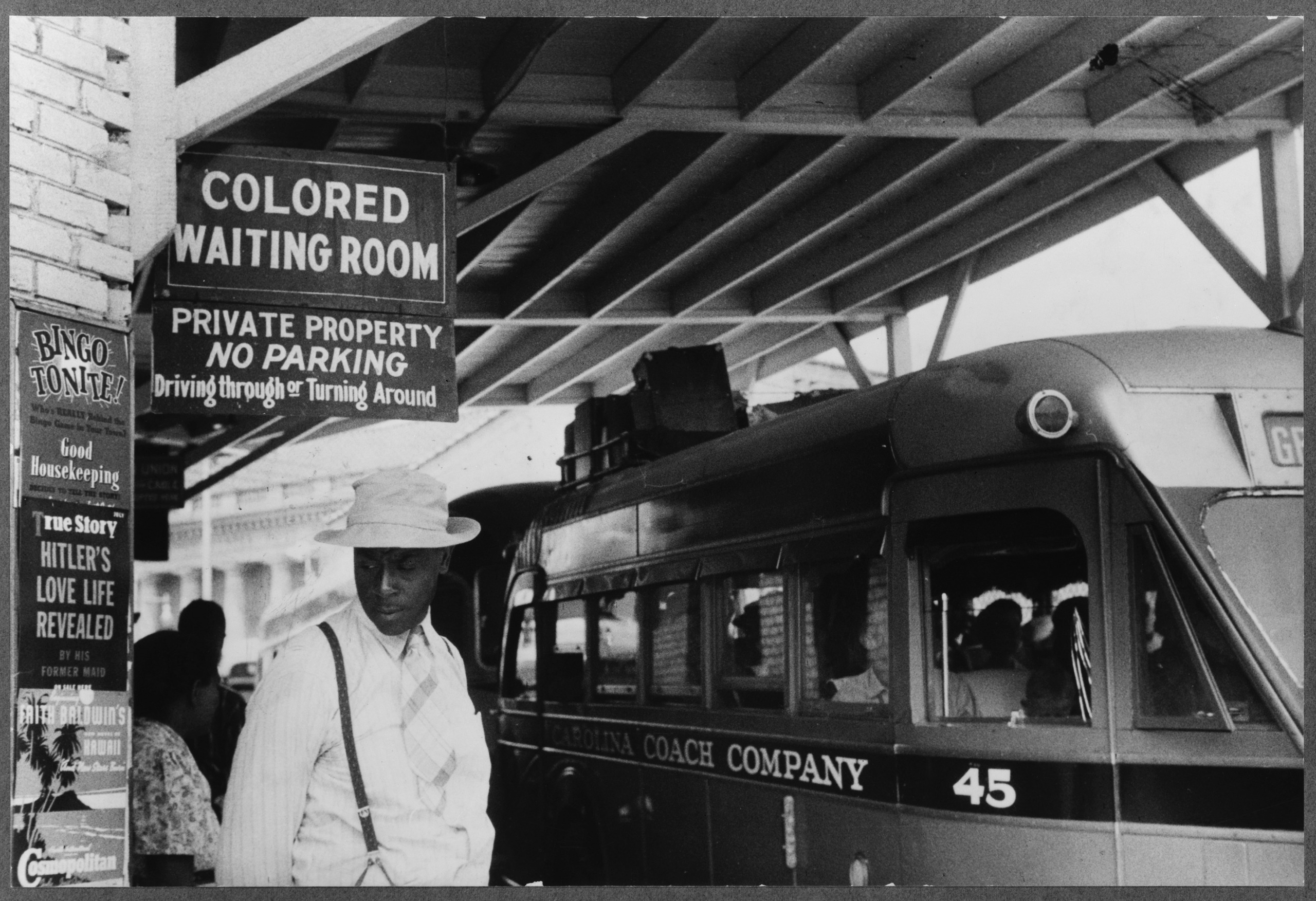
Michelle Alexander’s “The New Jim Crow Era: Mass Incarceration in the Age of Colorblindness” shook the core of Black culture by introducing a concept that the Black community seemed not to address head-on: mass incarceration. Since the book’s release on January 5, 2010, Alexander, alongside organizations like Students Against Mass Incarceration at multiple universities and The Campaign to End the New Jim Crow, has made it a point to continue the conversation of how modern-day slavery impacts the lives of those behind bars and those who are considered free.
What started as an initial call of accountability and exposure of the criminal justice system became a cultural movement of social change. The book addresses the realities that African Americans face when it comes to wrongful imprisonment of people of color who are poor and treated differently as a result of racial and class bias.
We see this phenomenon take new form today, with ICE detention centers increasing across the country at a rapid rate. The common thread? Inhumane treatment for those deemed unfit or unworthy of due process because of their background. What she identified as that time frame’s language shift to labeling people as “criminals” to justify discrimination and mistreatment is what drives much of the narrative that immigrants across Latin and African diasporas face today.
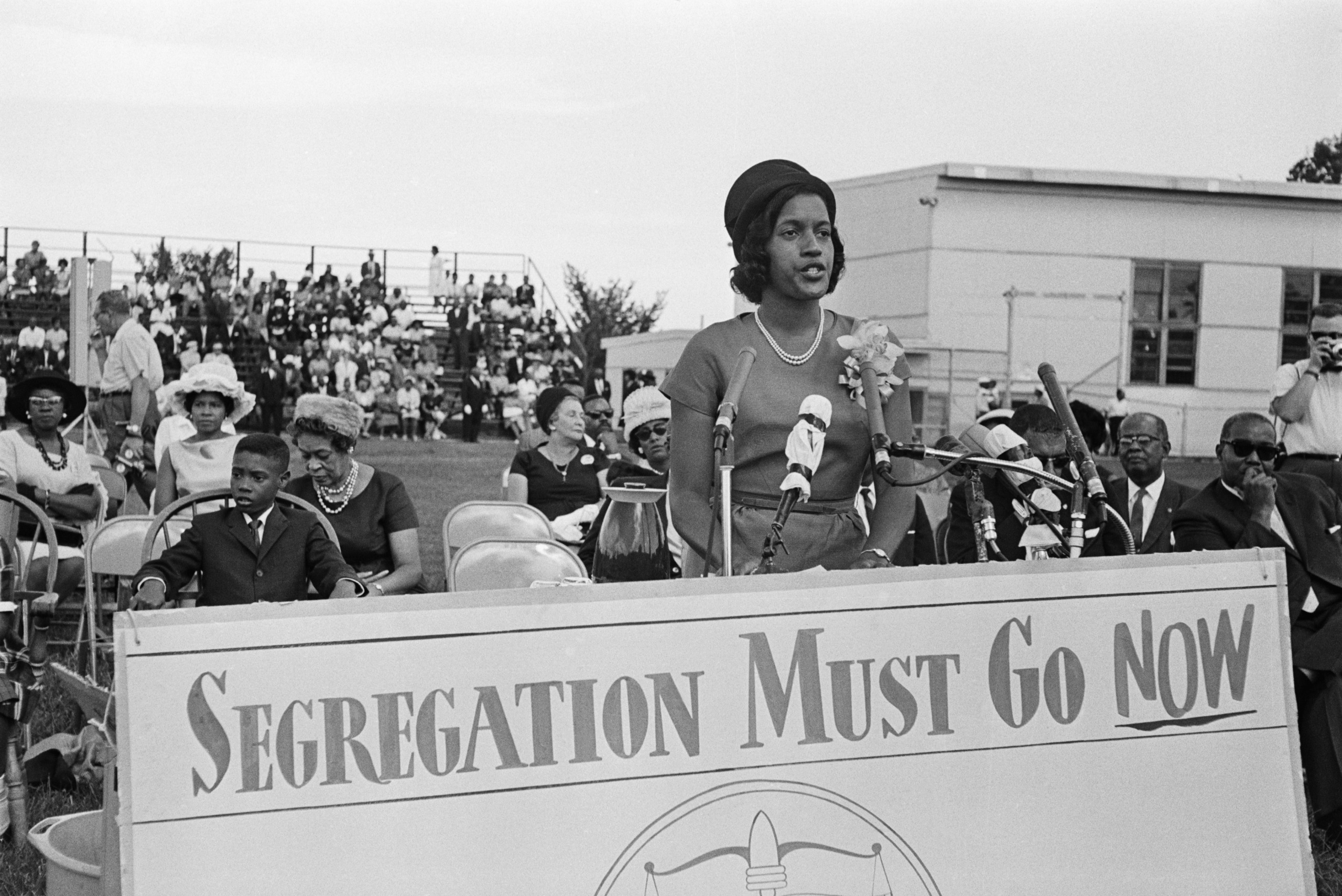
In the book, Alexander also made it a point to highlight how colorblindness has impacted the perception of incarcerated people as a result of institutionalism that’s tied to traditional thinking around racial bias in arrests and convictions. The societal notion that’s perpetuated about not “seeing” race in society has proved to be dangerous both when the book was published and in today’s time because it does not directly address the realities of racial inequality. It also reframes the racial caste system that exists in prison systems as something that’s fictional when it is a racially-driven social construct in a palatable format for the masses.
We’ve made it a point in society to decriminalize race, but instead pivot this energy towards those who are categorized as criminals. The classification in people’s minds of categorizing people as criminals at mere face value over dedicated research towards the inner workings of a case is what maintains the spread of misinformation and preconceived notions in society.
This impact has continued onward in society through the disassociation that many face by not feeling a connection to an issue happening in society, such as the mass deportation of immigrants, who are a blend of being illegal and legal citizens under the Trump administration. Whether it’s the arrests happening in another state or the desensitization of seeing these situations happen on your social media news feed, this detachment that many people are facing is what turning a blind eye looks like today.
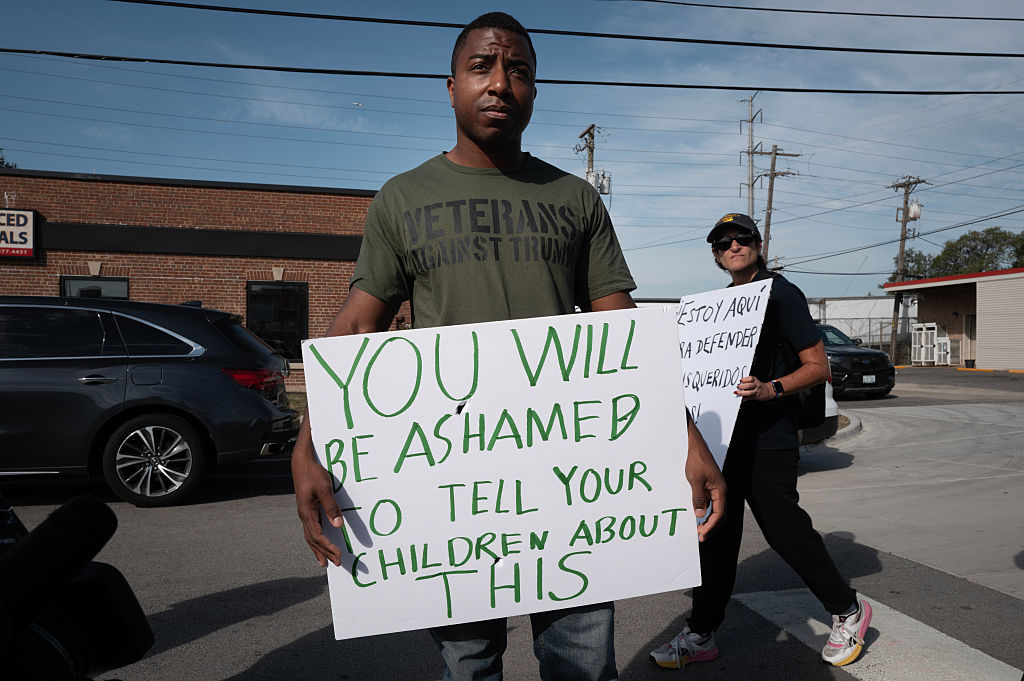
Without the exposure and accountability of systems, similar to Alexander’s literary work, we perpetuate unhealthy cycles of abuse of power with human negligence.
According to The New Press, the success of “The New Jim Crow Era: Mass Incarceration in the Age of Colorblindness” spent over 200 weeks on the New York Times bestsellers list. The book also received a NAACP Outstanding Image Award for Outstanding Literary Work – Nonfiction in 2011. The book’s release also helped blaze the trail and spark the idea for organizations like The Marshall Project and the Art for Justice Fund. Alexander also released a 10th anniversary edition of the book in 2020 that reaffirms the impact of mass incarceration on the Black community, still a decade later.
To read more of the book and dive deeper into how mass incarceration plays an extensive role in African American culture, you can purchase it here and the study guides to support your reading here.