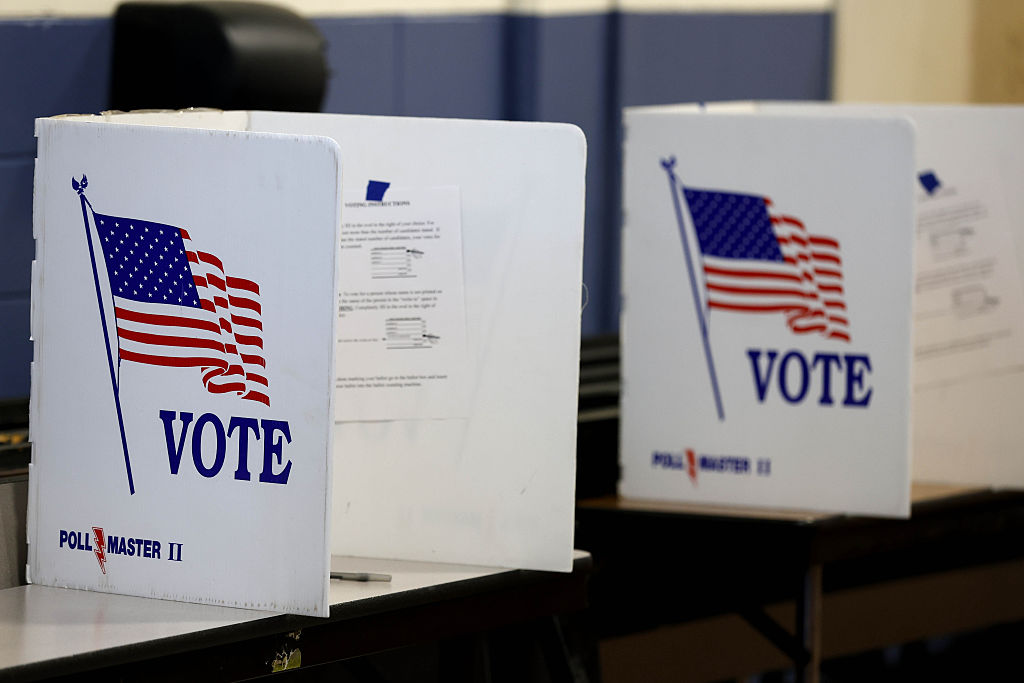
49% of Americans answered “yes” when posed the question of if they expect the upcoming midterm election cycle to be fair and free in a survey conducted at the beginning of September 2026 by UC San Diego’s School of Social Sciences.
This data reveals that less than half of Americans have a level of uncertainty or a medium level of confidence in the impact of their vote. This sentiment, however, should not overshadow the true impact of the power of numbers and meaningfulness that has been generationally instilled about what voting can and does do. Black Americans in particular have a history of civic and social advocacy for voting rights, but the fruit of this labor has not always shown up consistently. Some have the perception that midterm elections are less important than presidential ones which undermines the impact that this election season holds.
Midterm elections help decide who holds local leadership roles. These roles include the House of Representatives, Senate, mayors, school board officials, district attorneys, and other decision-making roles tied to the livelihoods of those in each state. Depending on the state, they may also hold a special election with a separate ballot to vote someone in after a previously elected candidate resigns, passes away, or is removed before their term ends. While voting is not required, it could be considered by many to be a responsibility as an American citizen, as other areas of the world don’t always get as many liberties or have their voices acknowledged toward change.
As topics such as insurance rates, healthcare access, living cost affordability, and AI data centers make their way to the ballot, it’s also important to know what stances respective candidates have on these topics to determine if there’s alignment with your own beliefs. Some candidates may campaign differently than what their previous track record has shown to garner more votes, but identifying a pattern between their words, actions, and responses is what is the true make-or-break in what their voting decisions might look like.
The reason why midterm elections are important even after November 3rd is that those who are elected during that election cycle control more of the day-to-day lives of those in their respective area. While a president can still make a lot of decisions and pass legislation that impacts the country at large, individual states’ leadership is what makes a bigger difference in the voting power on bills, funding allocation, new infrastructure, educational practices, and public safety. The determination of what political party runs the House is only part of the battle.
Letting factors such as redistricting, mail-in voting changes, potential AI usage, or ICE at polling locations stop you from casting your vote is the result of what fear mongering looks like. Each strategy serves to discourage people from voting. If your vote and voice wasn’t important, there wouldn’t be so many newly introduced factors to stop you from doing so.
Having a firm understanding of your state’s candidates, respective polling location, and what ballot types you’ll be using will make for a seamless voting experience. Regardless of what direction you decide to go with your vote, your own research and diligence in ensuring that your vote is properly casted makes a big difference in the future of our society.
To learn more about your respective state’s midterm election processes and candidates, it is recommended to follow your local news station’s election updates and visit individual candidate campaign websites for your own understanding.