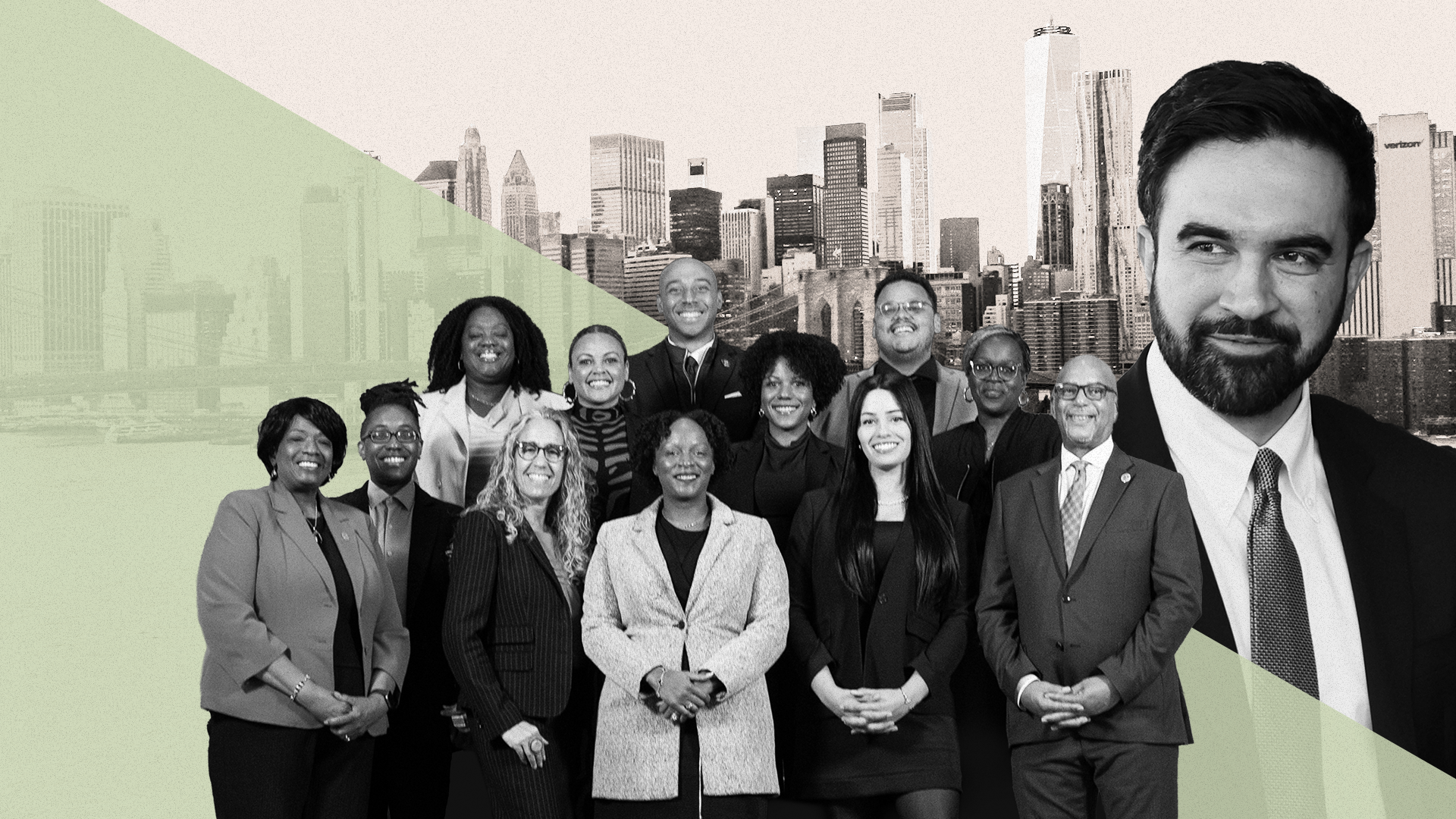
New York City Mayor Zohran Mamdani has never shied away from acknowledging how the city’s diversity is an asset, a strength, and can serve as a guide for how to govern. This diversity seemed front of mind when he selected his senior cabinet leaders, who represent a wide range of identities, including a seemingly intentional investment in Blackness. EBONY was introduced to a few senior leaders of this administration who shared their views on the importance of community investment and how they, as Black leaders, are unafraid to lean into their identities to drive change for good. EBONY had the chance to speak to some of those in his cabinet, who bring both their expertise and their Black identities to the table, on how this investment doesn’t detract from their roles, but adds to their qualifications and makes for a more well-rounded cabinet for the people of the city of New York.
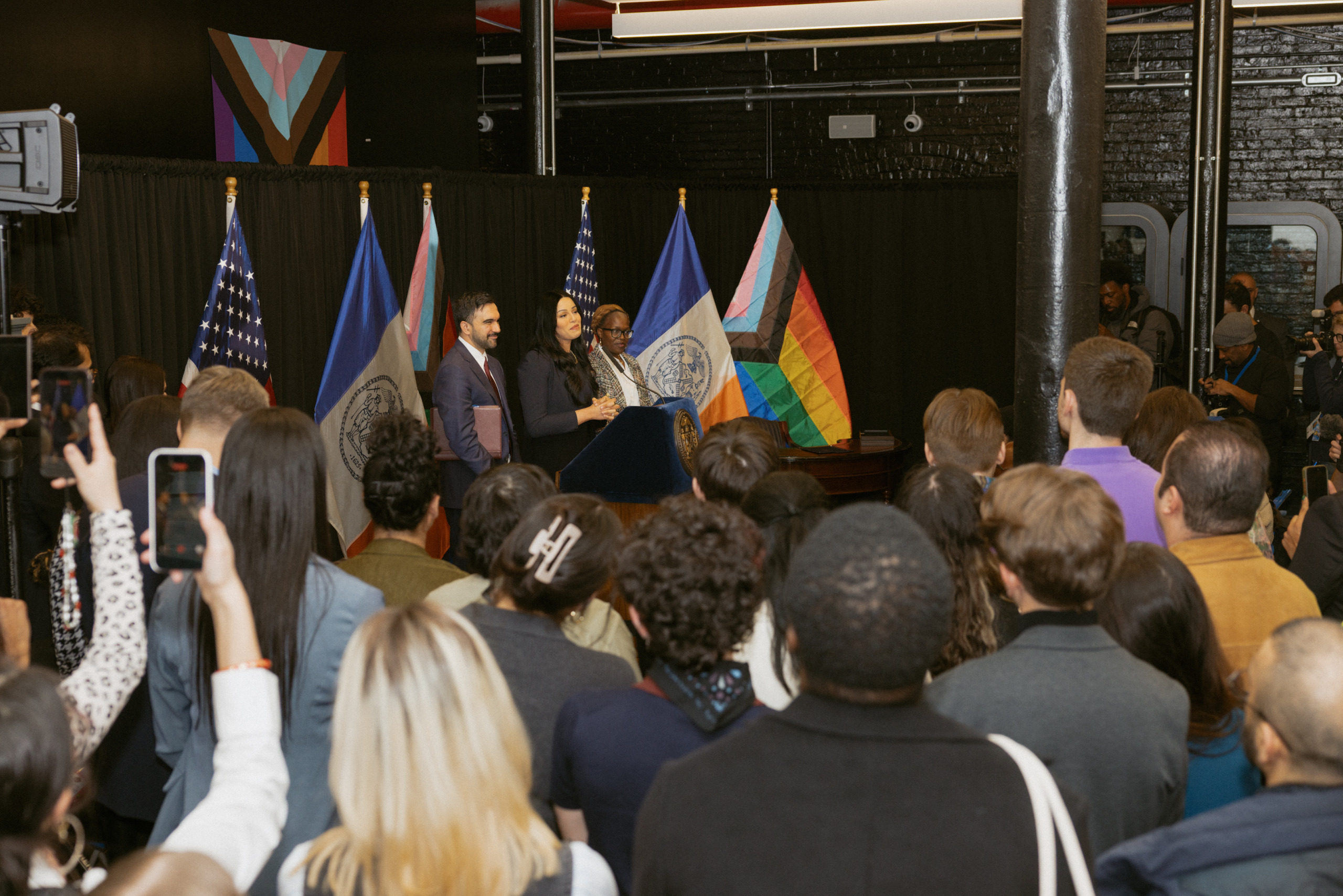
“Representation is where that work starts, but not where it ends,” Mayor Mamdani said. “New Yorkers deserve a City Hall where they can see themselves reflected in the people who serve them, and where their struggles are met not just with recognition, but with action. I am honored to serve alongside these exceptional public servants, whose expertise strengthens our work every day.”
These sentiments seem to resonate with both New York citizens and the officials in the cabinet. For Taylor Brown, Director of the Mayor’s Office of LGBTQIA+ Affairs, she continues to reflect a broad palette of diversity, and expresses a passion and hope that New Yorkers should feel optimistic about their futures. “We have an Administration full of accomplished people who represent them, who look like them, who care about them, and so many of us have come to this work because of our passion for our communities, the issues, and our shared lived experiences,” she told EBONY. “It truly presents the opportunity for the transformational change we need, not only in New York, but across the nation.”
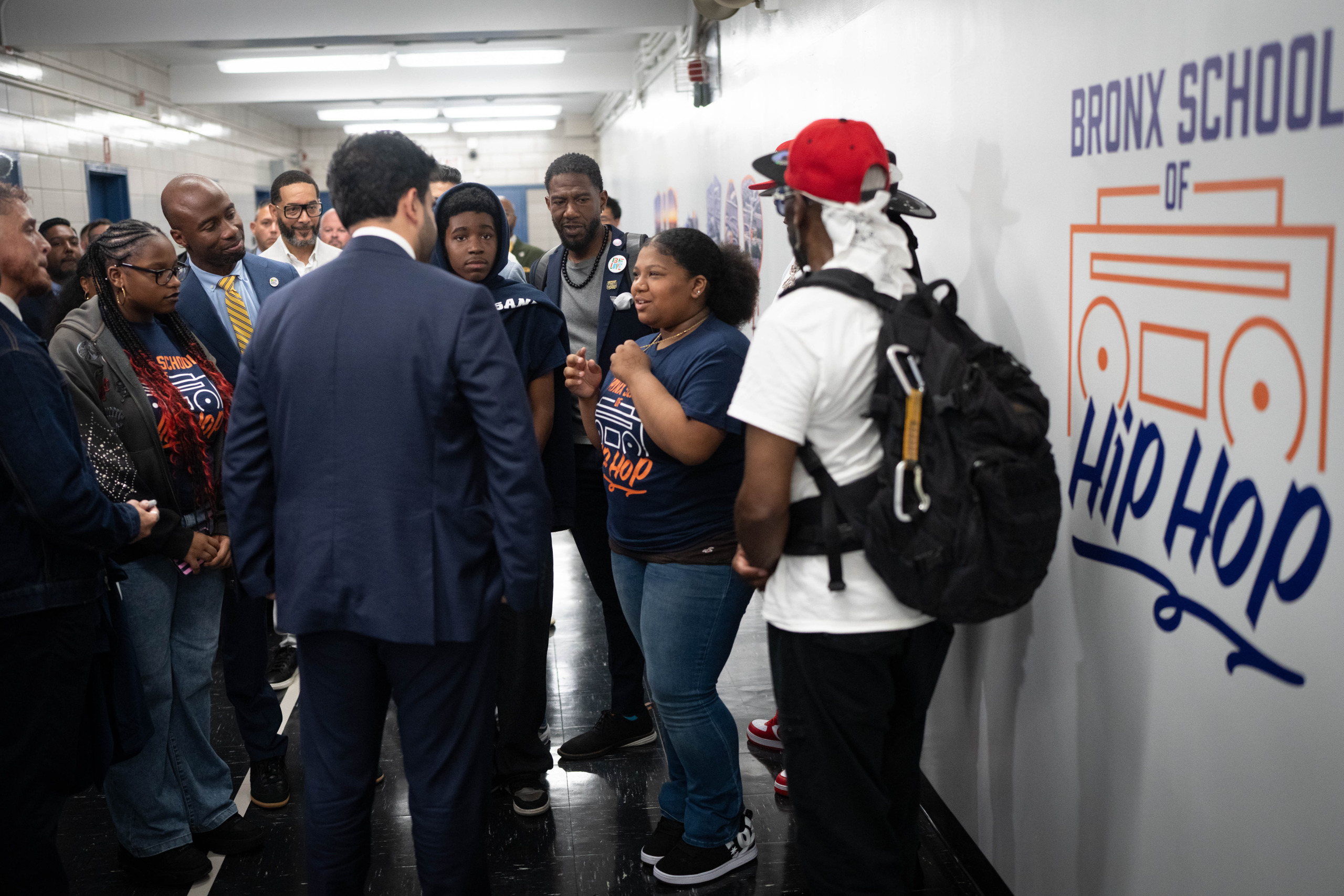
The Mamdani administration has become notorious across the city and, honestly, across the country for swiftly making material changes to people’s quality of life. The mayor has shown a willingness to “call out challenges and then find new and innovative ways to solve them,” as Kamar Samuels, Chancellor of New York City Public Schools, puts it. From filling over 200,000 potholes to repairing water fountains reported broken via TikTok, these steps are building a foundation of trust between the people and their local government. “We are creating more robust engagement structures for district conversations about our schools and why we are committed to improving turnout for our Community and Citywide Education Council elections this spring. When we empower our parents, our children benefit,” Samuels said.
As a former teacher and principal, the main goal is to listen to what the community wants to see change and can then lead to success. “Success looks like every child attending a safe, academically rigorous, truly integrated school—and ensuring families can readily access those schools,” Samuels told EBONY. “Truly integrated” in this statement is defined as a school that allows students to have both challenge and community, instead of having to choose between one or the other as many students and families have had to do.
While everyday improvements are wonderful, that block of trust is only a stepping stone toward long-lasting, meaningful change. Renita Francois, inaugural Deputy Mayor for Community Safety, has a goal to ensure that the concept of safety is being approached from all angles. “This office is important now because New Yorkers are asking for more than crisis management. They want a city that addresses the root causes of harm and builds safety that people can feel in their everyday lives.”
Not only has the diversity across his cabinet members accurately represented the melting pot that makes up its constituency, but it has also provided a lens through which some of the most archaic or harmful systems can be reworked.
While many of these cabinet members are dedicated to building systems that lead to more equitable, affordable, and safe communities, they also ensure they don’t ignore the present. The aforementioned building blocks toward safer roads and parks are not the only changes the Mamdani administration hopes to implement immediately; they are also focused on improving the criminal justice system and those who are impacted by it.
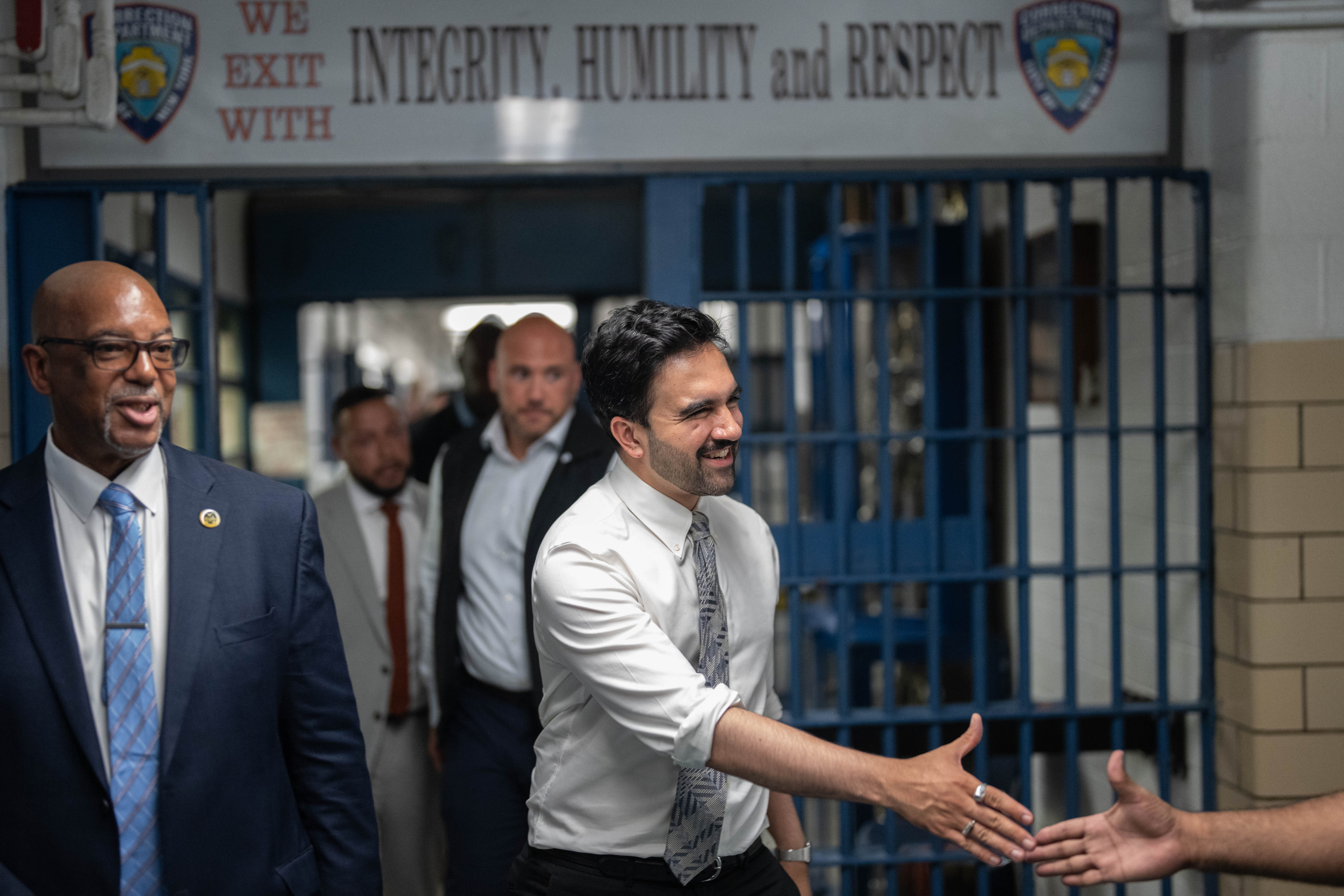
Stanley Richards has taken on the job of Commissioner for the Department of Correction, a job loaded with historical oppressive weight. When taking on the job, Richards told EBONY that “[The Mamdani] administration made clear that the future of Rikers is not endless confinement, scapegoating, or demonizing. It is safety, transformation, and rehabilitation. Safer jails today. For the future, we focused on building borough-based facilities that prioritize dignity, opportunity, and humanity.” There is an active investment in rehabilitation and creating conditions in which recidivism rates can meaningfully lower. Richards said, “We are focused on innovation and measuring success by the lives that are transformed, not by lockups.”
This intention to “reshape and restructure government to meet the needs of people and communities,” as Chief Equity Officer and Commissioner for the Office of Equity and Racial Justice Afua Atta-Mensa puts it, is an instrumental first step to building the government of New York City to be the security blanket that its citizens deserve it to be.