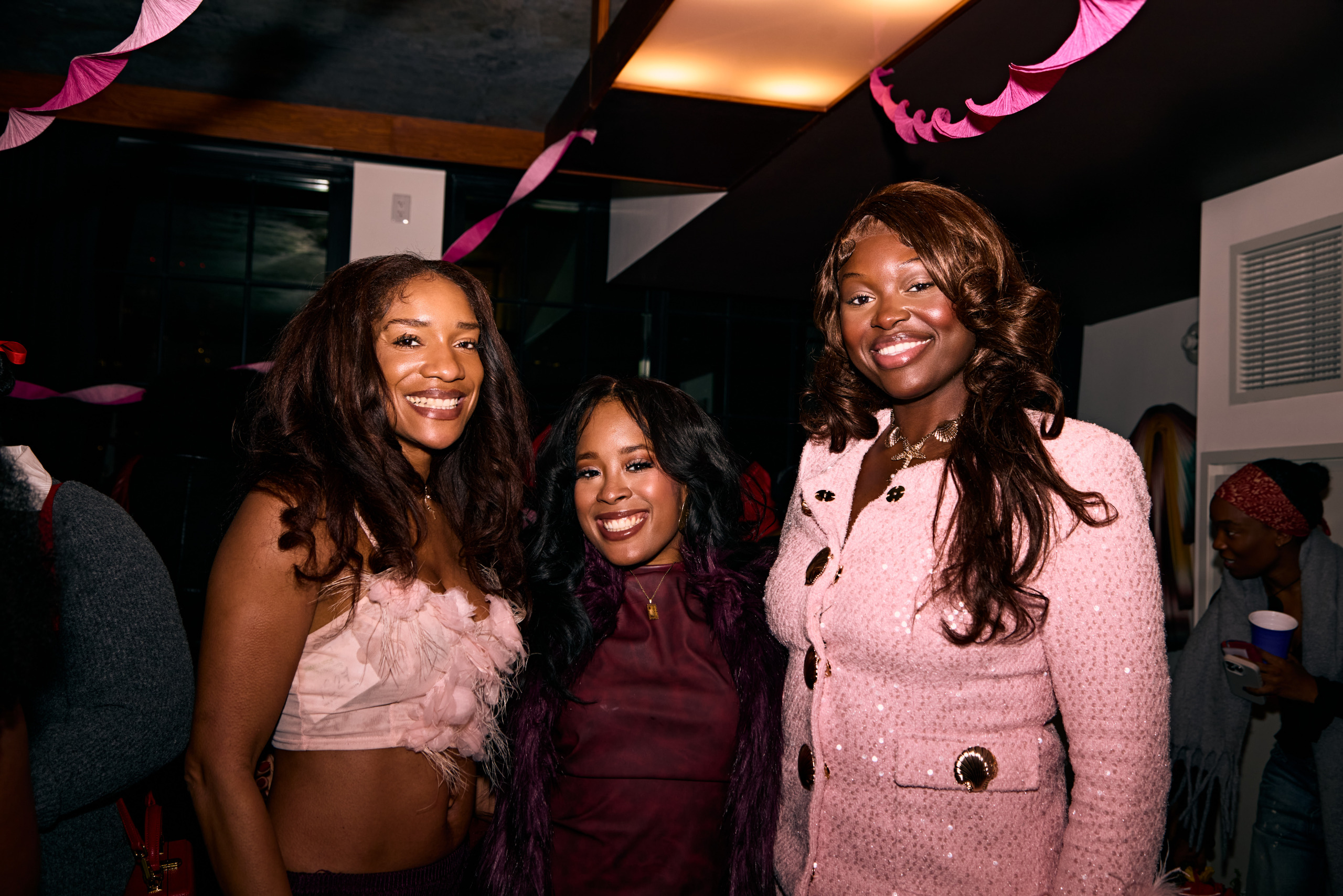
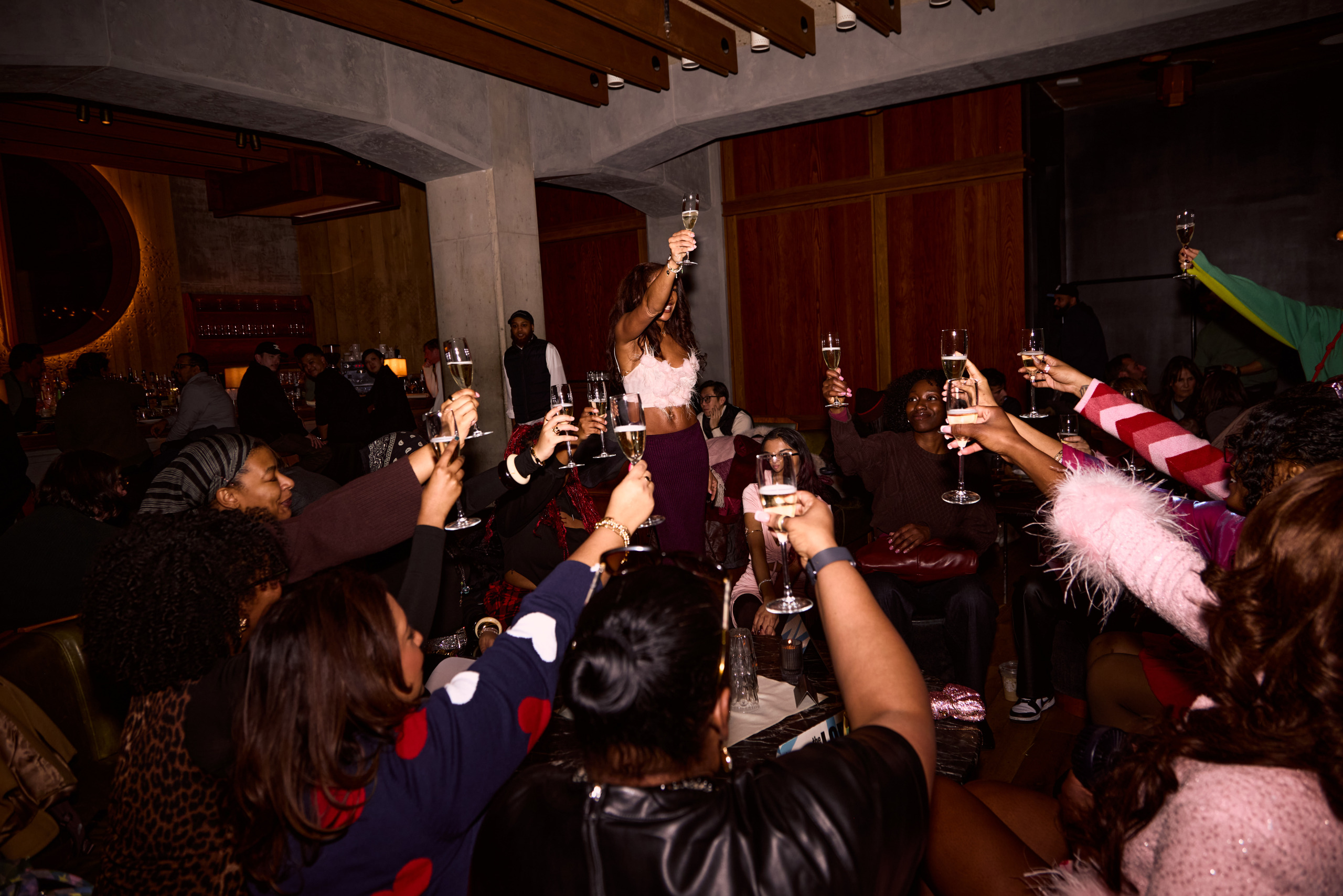
On a rainy afternoon during Black History Month, inside the amber hush of the Ace Hotel Brooklyn, a group of women convened for a Galentine’s Day get-together. Over the course of the night, attendees were guided through the architecture of love’s elasticity, friendship breakups, the courage to be seen, and the language of interpersonal intimacies.
The mission was to make healing communal and stylishly unashamed. Here, vulnerability was a strategy reminding Black women that care, both given and received, is a form of survival.
This is the living archive of founder Elyse Fox’s vulnerable leadership of Sad Girls Club, the organization born nine years ago to build the infrastructure of tenderness for women of color struggling with depression. In a country where suicide rates among Black women have quietly climbed, the group is proof that destigmatizing mental health can look like friends teaching each other how to put their best, most protected selves back into the world.
In December 2016, filmmaker and organizer Elyse Fox released the trailer for “Conversations With Friends,” a raw and gut-wrenching documentary about the worst year of her depression. The film captured a painful disconnect: footage of exotic travels and dream gigs juxtaposed against Fox’s internal reality—she was still extremely sad. What happened next changed the next near-decade.
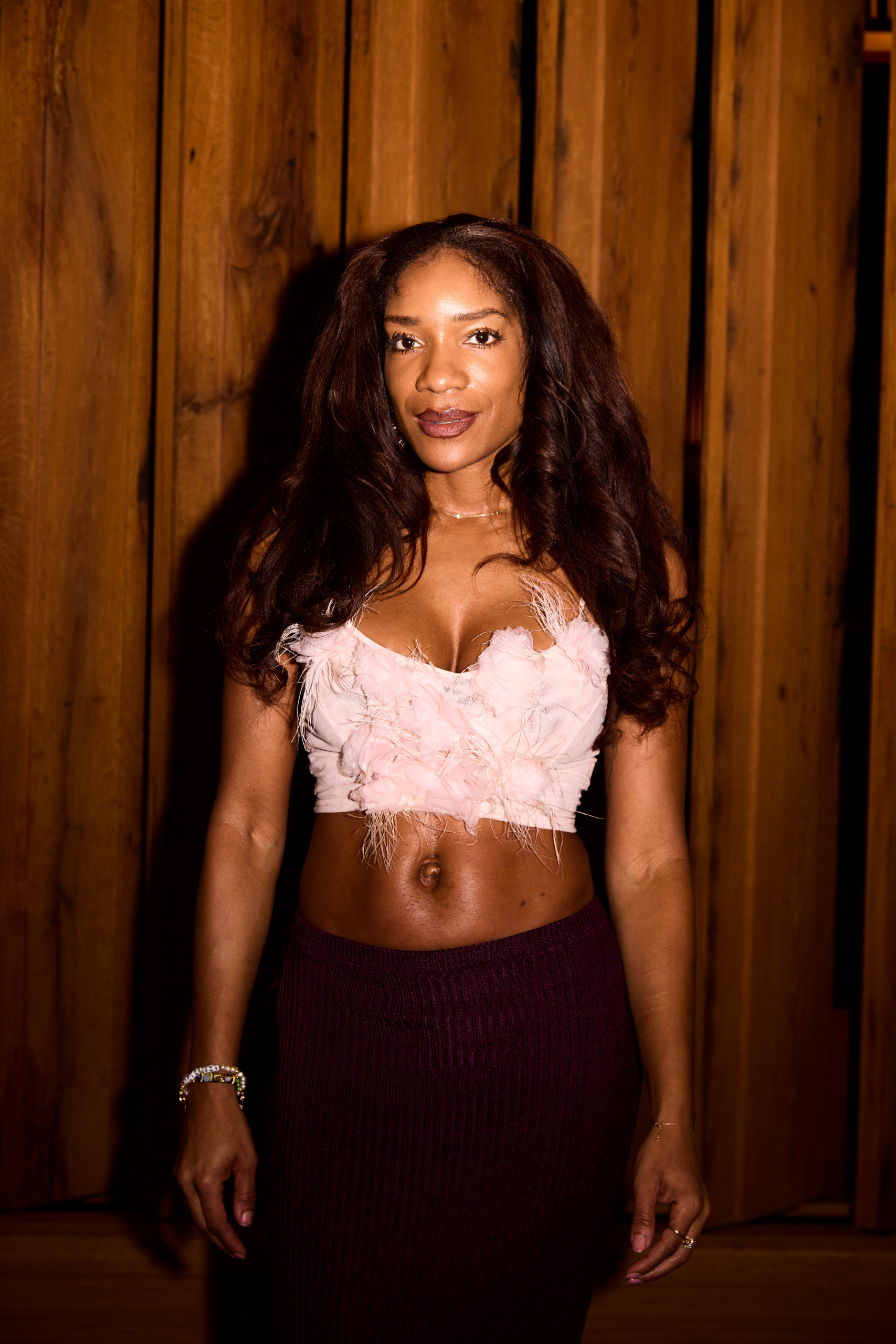
“I remember receiving a DM from a girl in Paris, one in China, one in Africa, and they were under the age of 16, and they resonated with the trailer,” Fox told EBONY. “They said, ‘Can I see the full film? I feel like this is my story.’” Elyse could see herself in these women, immediately recognizing how brave it was to reach out to someone. The Sad Girls Club Instagram account was born in January 2017, creating a space for those impacted by the film and the conversation about depression and suicidal ideation to convene. Today, the organization sits at nearly 250,000 followers.
Today, Sad Girls Club’s impact is undeniable–its IRL nationwide gatherings and artfully curated digital community prove that mental health content doesn’t have to only be clinical to be life-saving. Even as the landscape of health equity has changed, the group has remained focused.
Suicide is the second leading cause of death among youths 10–24 years of age in the United States. Suicide rates among Black women in the U.S. sit at a rate higher than they were over the past two decades, with a particularly alarming trend among young Black females aged 15-24, where rates doubled between 2013 and 2019. While historically lower than other demographic groups, data shows Black women aged 18-65 now face suicide risk driven by intersecting factors, including racial and gender discrimination, exposure to violence, and severely limited access to mental health care.
Since Donald Trump took office in January 2025, there has been a Constitutionally originalist bend to public policy meant to mend racial disparities, including in health care. One of the President’s first acts was to terminate “diversity, equity, and inclusion” language, mandates, and programs across the federal government. After years of progress, DEI was out, and that doctrine reverberated across federal agencies, grant-making institutions, and the language infrastructure that researchers, lobbyists, and journalists rely on.
This quickly impacted the nonprofit sector. Sad Girls Club and many other organizations that have an explicit focus on issues affecting Black and Brown women were suddenly suspect, and in practice, disqualified from many of the funding opportunities that had previously kept them afloat for years.
“I will say that with the DEI cuts,” Fox said, “not only myself, but my peers as well, have been defunded or underfunded. Programs have shrunk or have been dismantled completely. We had to navigate 100% all our programs. We had to furlough most of our team last year by the end of Q2 because of the fundraising hurdles, and a lot of our partners ghosted us.” The changes came from the top down, with even the NIH explicitly flagging terms like “health equity” and “structural racism,” pushing applicants toward “objective and measurable variables” language.
When funding, research, and programming such as the ones offered by SGC are interrupted, it results in fewer datasets built, fewer community partnerships maintained, fewer intervention trials, and fewer early-career researchers staying in the field long enough to become sources of expertise. The entire landscape of public health gets impacted.
“2025 was the hardest year to fundraise or even get people to open our emails,” she said. “It’s because they didn’t have to, and they don’t have to show that they care about Black women. And those are the people I would like to be far away from.”
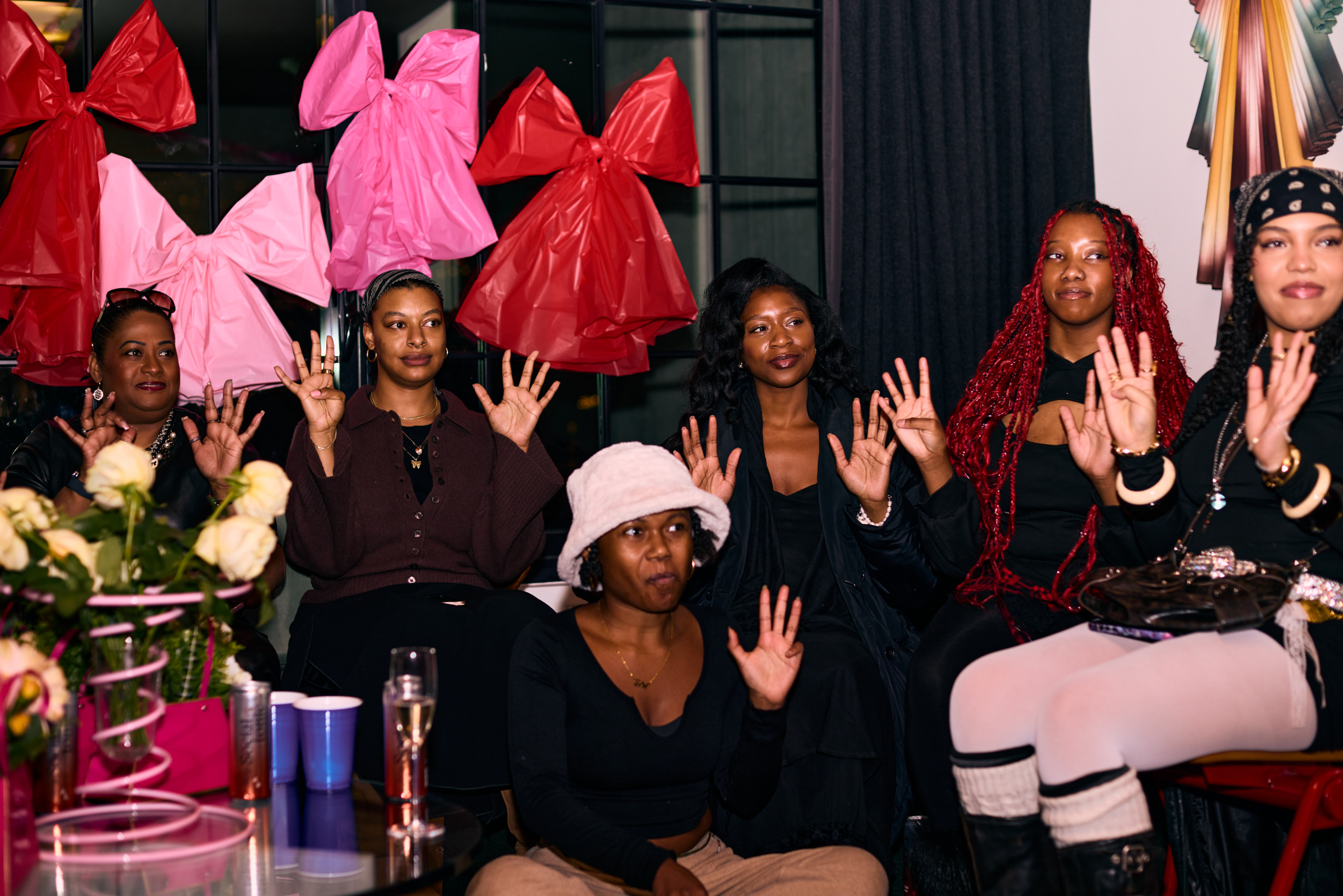
In the wake of the new normal, help started to come from other sources. The partners revealing themselves now are not only legacy brands, but cultural stewards and brick-and-mortar spaces willing to open their literal doors. ENVSN Festival—founded by Sharifa Murdoch and Laura Stylez—offered festival grounds as a gathering space. The Ace Hotel Brooklyn opened its kitchen and commons to host Sad Girls Club’s Galentine’s Day convening. Even early conversations with TrapHaus Gym signal a shift toward wellness-centered, hyperlocal collaborations.
SGC was also approached by an incredible new partner, Sol Health, which signed on as a therapy provider and underwrote therapy scholarships at $30 per session. Through this partnership, over 150 members of their community were granted one-on-one therapy for up to 16 weeks, completely free. The partnership is also a great vehicle for how therapists-in-training earn hours and gain perspective on working across different cultures and experiences. Collaborations like this work to dismantle the bias and blind spots that have long made clinical spaces feel alienating to Black women.
Fox also credits the organization’s board and its individual donors — the people committing five or ten dollars a month — as essential to keeping the mission alive through the turbulence. “If brands are only working with us to check off the box and it’s not something that they actually care about, I would rather find better alignment,” she said. “It feels more like home when we reach out to a mom and pop shop or another charity and say, let’s do this together. Let’s forget the noise. What do we have, and how can we produce the best for our people?”
This new direction is ushering in an even more community-focused era for Sad Girls Club, one that will withstand the anti-DEI shift toward public-health colorblindness. Their journey over the past nine years, especially over the past year alone, offers both a blueprint and a cautionary tale about building sustainable mental health advocacy in the digital age. Their anniversary milestone moment invites reflection on what’s worked, what the next decade of mental health activism needs to look like, and how one woman’s decision to stop hiding her depression helped create a movement.
For Fox, the mission hasn’t changed — only the urgency.