I left my hometown in the late summer of 2007. Carolina Gold rice is harvested during this period, when farmers cut the rice stalks in August. After grad school and a year living with my mom, I packed everything I had. I relocated to Washington, D.C., from the Lowcountry. My decision was simple: Charleston was still Charleston. Yes, it was beautiful. It had a wealth of history. All my family was there. But it always felt like there was a cap — one that prevented upward mobility, especially for African American creative expression. I needed to see other people who looked like me enjoying life beyond constraints.
Chocolate City was the perfect landing.
I remember feeling like I could never move back. I never thought I’d miss home. Today, there’s no distance long enough that could separate me from Charleston and my Gullah Geechee culture. I realize the Lowcountry is embedded in my existence, much like rice retaining its flavor from the marsh. When cultivating rice, there’s a process called threshing. It’s when farmers beat the grain free from what once held it in place. When I moved in 2007, I couldn’t articulate my reason for doing so. I was young and unsure of what life experiences I’d encounter. I knew my desire to fulfill my creativity required me to leave.
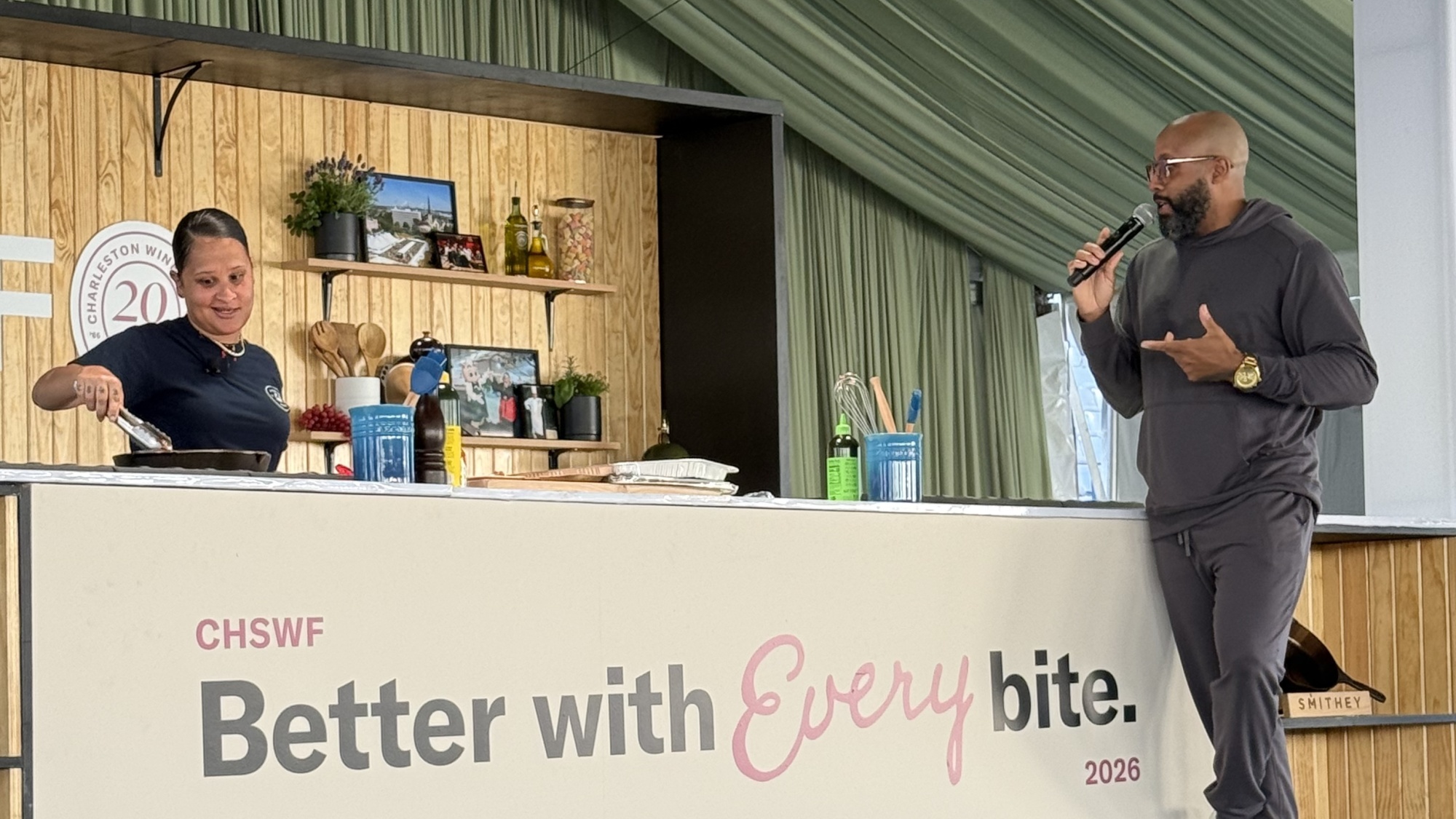
The move to D.C. signified the threshing process — it didn’t discredit where I came from. It revealed my passion for writing. I left the scent of Lowcountry sulphuric pluff mud, November oyster roasts, and strong “Geechee” accents. The D.C. move shook me from what was familiar. I understand that period in my life better now. I became the grain that’s been the fabric of my ancestry — rice. In March, I attended the Charleston Wine and Food Festival’s 20th anniversary. The festival commemorated two decades of celebrating the Holy City’s diverse food and beverage community. The festival planners have invited me to host beer-focused dinner pairings for the past four years.
This year was different. I attended the festival as part of the media. When I participated in the festival as a talent, my main focus was on my events: organizing my thoughts for the presentation, becoming familiar with the beer styles, and how they paired with the food. I never took the time to appreciate home during the festival or acknowledged how much visitors revere the Lowcountry culinary scene. I accomplished my job, partied a bit, hung out with friends, then headed back North for D.C.
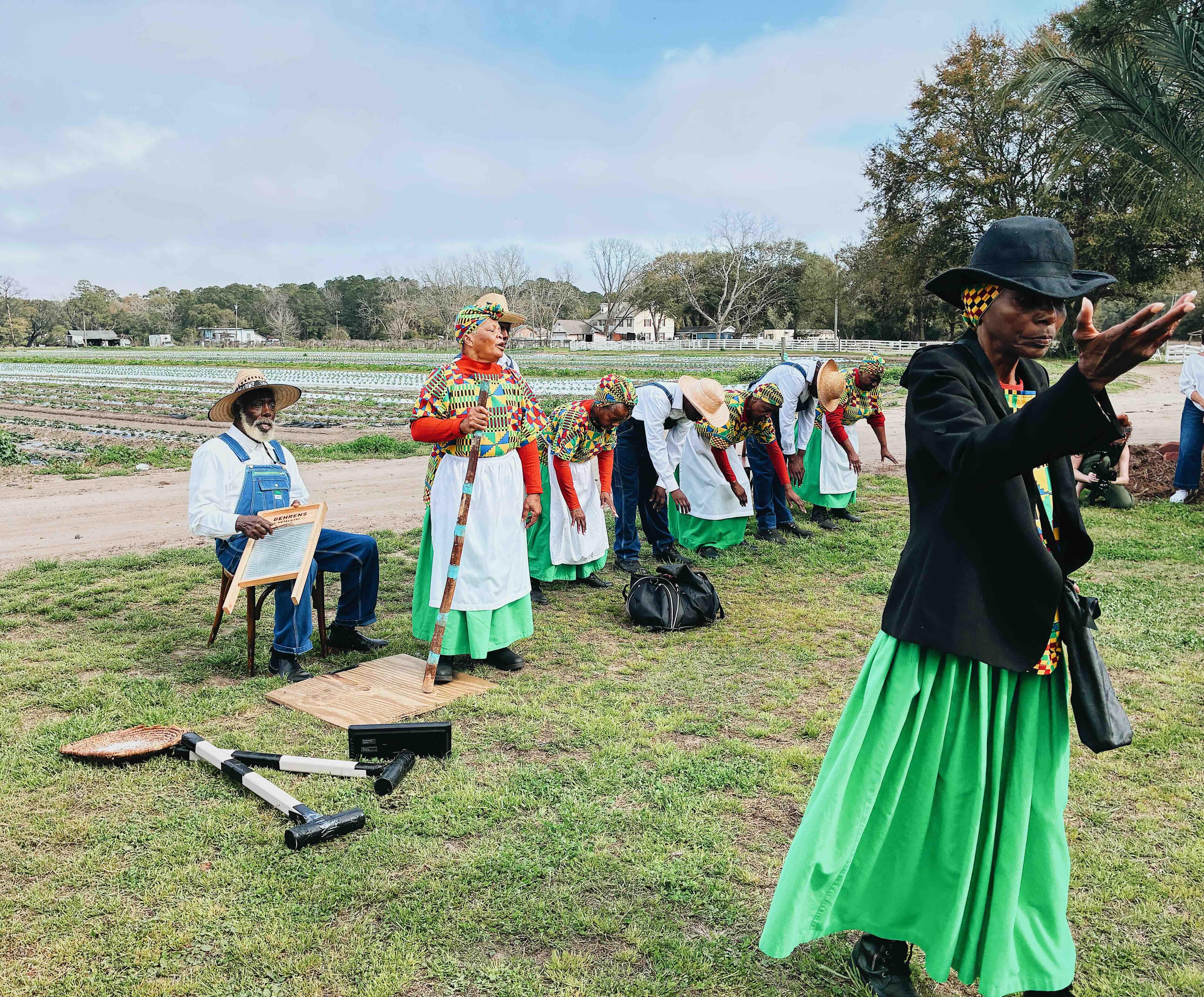
The festival planners invited me to a private lunch prepared by Chef BJ Dennis at the Joseph Fields Farm. The scenic half-hour ride from my hotel to Johns Island gave me enough time to bond over food and Ramadan with my Moroccan driver. We enjoyed a conversation about couscous before my arrival. I got out of the car and searched for my point of contact for the event. I instantly recognized the Johns Island sand gnats, “country mile”- long dirt roads, and the fragrance of an approaching thunderstorm. Reading the land comes naturally when you’re from Charleston. I’m thankful for this skill set, even after departing the Lowcountry almost 20 years ago.
Chef BJ welcomes all the guests before informing us that there are no assigned seats. “It’s time to nyam!” Chef Dennis exclaims. His Geechee accent causes whispered queries among the attendees, “What does he mean?” I never broke stride in my understanding. My accent never left, especially when I’m excited about something: “Yeah bubba, I real hungry,” I replied to one of the other guests.
I sat shoulder to shoulder with retired transplants who offered more critique than adornment for my hometown. I selfishly thought to myself, maybe they waited too long to shake what was familiar to them. They seemed set in their ways, unable to adapt to the unfamiliar. Nonetheless, we all enjoyed our conversation—talks of climate change, urbanization in Charleston, and of course, fishing.
Our conversations continued as I drifted into feeling the sudden effects of imposter syndrome. I received an invite because of my media credentials, not because I was a native. I didn’t need to learn anything during the luncheon. I grew up eating outside among the gnats, hearing calls from the kitchen: “Y’all boi come nyam!” I didn’t need the festival planners’ invite to the luncheon; this was who I’ve always been.
But I had to leave home to appreciate moments like this: the planners valued my perspective as a writer so much that they felt it was worth my time to attend. The imposter syndrome fades as my humility begins. I understood why I needed to be there.
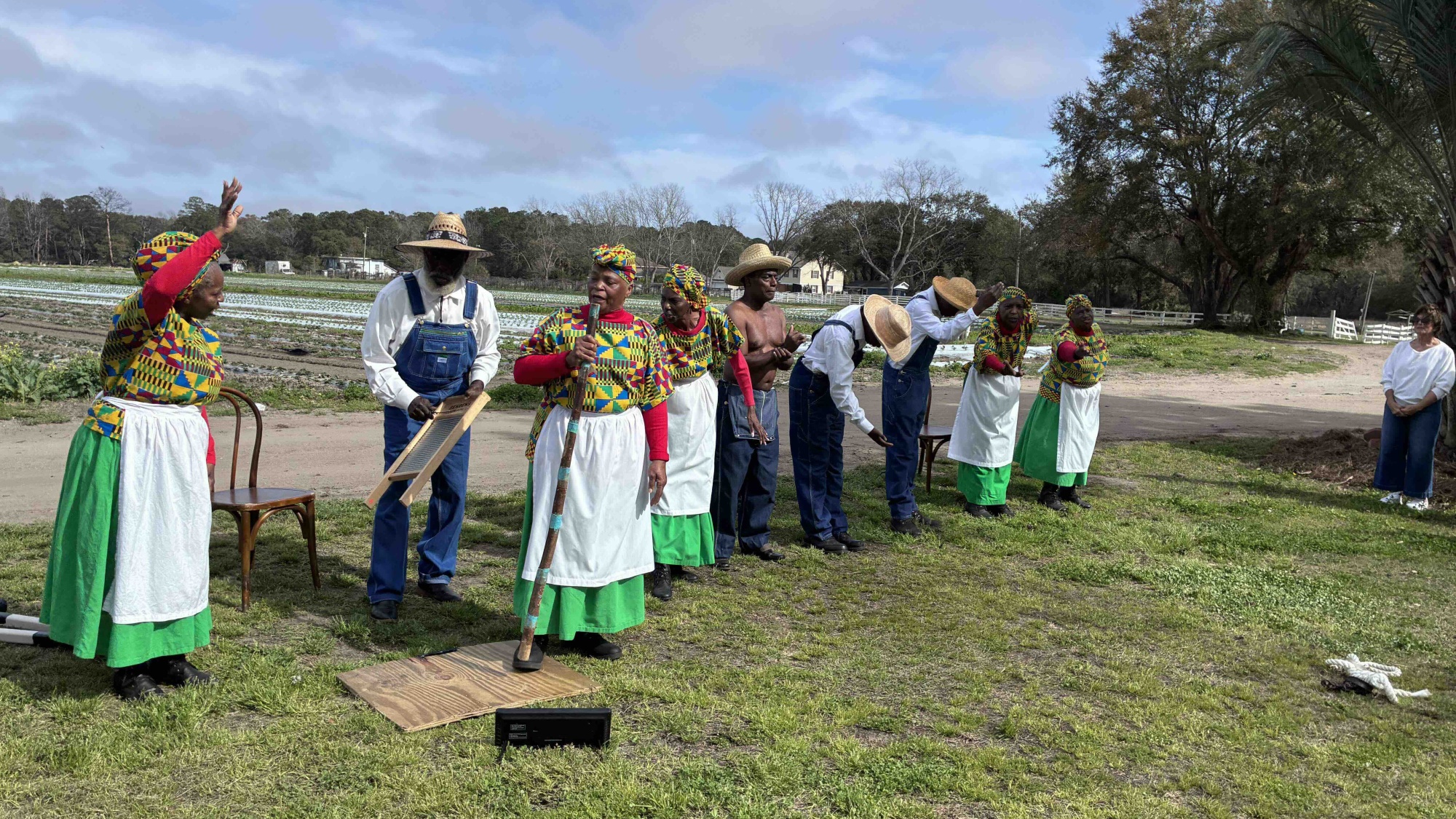
Carolina Gold rice traces its origins to West African knowledge and ingenuity. The Gullah Geechee rice culture developed in the Lowcountry after the transatlantic slave trade. The rice bears the spirited hands of its harvest—an undeniable flavor of Charleston. My journey had little to do with escaping Charleston, but carrying my Gullah culture wherever I go.
While Chef BJ speaks, the waiter places a plate of rutabaga, greens, pork ribs, crab macaroni and cheese, and shrimp purloo made with Carolina Gold rice in front of me. The guests continue swatting bugs to the rhythm of their satisfied hums from every bite. I exchange confirming smiles with the guest, knowing Gullah Geechee food has been good for a long time.
I left Charleston to find my passion. Since then, my travels and experiences have shaped my discernment with food culture through writing.
But leaving home never changed me. The marsh never leaves the grain.