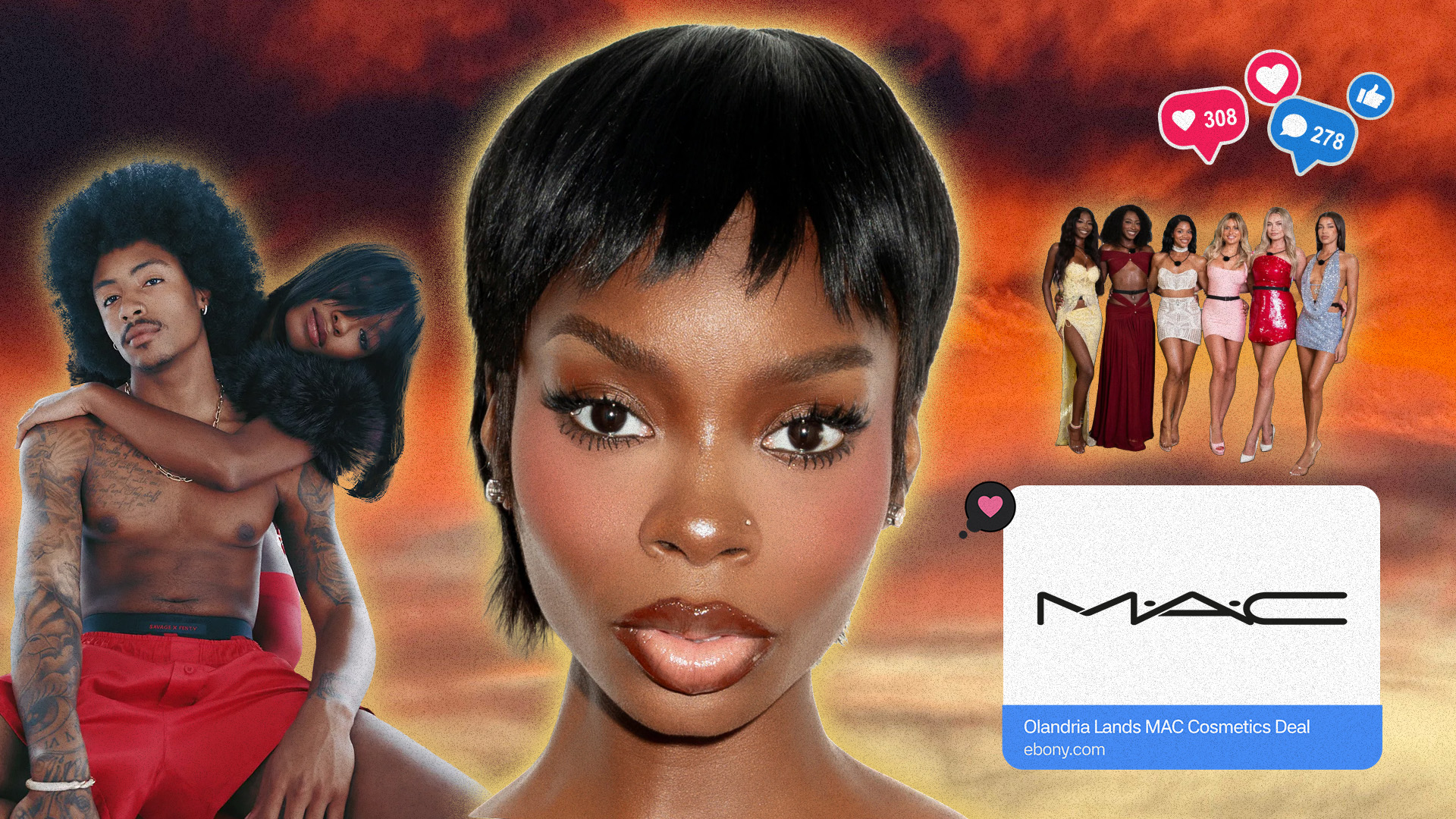
We’ve officially concluded season 8 of Love Island USA with Trinity Celeste Tatum and Bryce Dettlof crowned the official winners and now inducted into the franchise hall of fame. Still, if you’re deep in the throes of the fandom, then you know the real show begins after the islanders leave the villa and become the hot new bombshells stepping out IRL.
Since the show gained mainstream popularity after season 6, it has opened a new vault of fame unlike anything seen before. It could be because the show happens in real time or because there’s a new chronically online generation that’s clung to the islanders, but even if you’re not hip to the show, you can’t deny that coming out of the villa gives you exposure like no other. According to app analytics company Apptopia, the Love Island USA app now has more than 10 million unique users and has hit the number one spot in the iOS App Store’s Entertainment category nine times. What started as a dating experiment to find your person has now become something monumental (for better or worse), as we’re witnessing a launchpad for the next generation of influencers, entrepreneurs and brand ambassadors.
“While the influencer world has shifted the culture within entertainment and media, I think success is still ultimately based on revenue conversion,” said Naomi Lilly, culture writer and growth manager. “In attaching a popular face to a product, you feed the rumor mill, make headlines, and hopefully make money in the process. Love Island USA has produced the likes of Serena [Page] and Kordell [Beckham] and, more recently, Olandria [Carthen] and Nic [Vansteenberghe]. Part of the value in the franchise is the fame awarded to season favorites post-show, enough fame that a new series was started to follow the islanders once their time on Fiji ends. So viewership matters, but revenue conversion, a likeable face, and online conversation matter more.”
Now, don’t get me wrong: reality television has always created stars, but the path from contestant to entrepreneur looks different in the social media era. Before, when you were in the era of Survivor, Big Brother or even Love Is Blind, you could be on the show and either go back to your day job or ride the momentum out for a bit to launch your own business, but now, in the era of Love Island USA a successful season doesn’t simply produce recognizable faces — it creates digital communities that can follow contestants long after the cameras stop rolling.
“When I came out of the show, obviously, I had low expectations,” Olandria Carthen, Love Island USA season 7 contestant, told EBONY in June. “Honestly, I thought I was going back to my job because I told them to hold my position for when I got off the show. If I knew things were going to blow up after [the show]. I would have already had an idea of who I wanted to sign with [laughs], that’s how you know I didn’t expect this.”
The appeal isn’t only the size of a contestant’s following — it’s the trust they’ve built with audiences who feel like they know them. That sense of authenticity has made reality personalities some of the most effective partners in influencer marketing.
How Reality TV’s Summer Obsession Became a Branding Powerhouse
Unlike traditional celebrities who build audiences over the years, the islanders now get to enter the spotlight with a built-in fan base. Every conversation, fashion moment, relationship milestone and viral clip becomes an opportunity to deepen their connection with viewers. From brands making callouts to Melanie Moreno that she’ll receive perks if she leaves her couple with Sincere Rhea to other celebrities and companies rushing to follow the islanders, it’s no secret that there is power in the engagement the contestants bring to brands.
“The show is an effective marketing vehicle because it pushes people to reflect on dating culture and how they may approach scenarios they see on television,” Lily told EBONY. “More acutely, the show is a microcosm of how the dating world exists at large, making it easier for folks to engage and more interested in conversations surrounding each of the characters.”
From what we’ve seen in the past three seasons, the villa is only the beginning. The biggest opportunity comes after the show, when visibility can translate into partnerships, product launches, appearances and long-term business.
“The show also follows a formula that celebrates popular figures, i.e., Megan Thee Stallion’s now annual appearance and the additions of Ciara Miller and Telfi Pessoa as Aftersun co-hosts,” Lilly said. “Brands must learn how to lean into the social climate Gen Z is experiencing and engage in that reality versus trying to manufacture their own.”
Why Viewers & Stans Became an Engine
A contestant’s journey increasingly mirrors the creator’s economy: build a community, understand your audience and turn attention into a brand. TikTok edits, Instagram conversations, fan theories and viral moments have become essential parts of the Love Island USA experience. Viewers are no longer passive consumers; they are active participants shaping the narrative. “People definitely see themselves in the Islanders and their journeys in the villa,” said Kahlen Barry, digital creator and host of Intellectually Famous. “That emotional pull creates a level of familiarity — and, for many viewers, a parasocial connection — that keeps people invested and constantly talking about what’s happening.”
Whether you like it or not, the fans bring a new layer of visibility and conversation that brings in new eyes into the Love Island USA universe. They invest emotionally in contestants’ journeys, debate decisions and follow their lives after the finale. That emotional connection creates loyalty — and loyalty drives business.
“Brands recognize the value of Love Island’s audience and often join the conversation to create trending moments,” Barry said. “I think one of the biggest lessons other brands can take away from Love Island is to put consumers in the driver’s seat more often by giving audiences opportunities to participate, influence outcomes, and feel acknowledged.”
Beauty, Fashion and Commerce
One of the biggest drivers of Love Island USA’s cultural impact is its influence on beauty and fashion. From vacation-ready wardrobes to hair and makeup trends, fans can look to contestants for inspiration. “What makes Love Island so effective is that it blurs the line between entertainment and product discovery,” said Senior Beauty editor Olivia Hancock. “Viewers aren’t watching a cheesy commercial—they’re watching people get ready for dates and chat as they do their makeup and hair. Beauty becomes part of the story rather than a forced moment.”
That shift has transformed reality television from an endpoint into a starting point. Fashion selections can spark conversations online and influence consumer behavior, and brands recognize that power. “Consumers also increasingly trust what they see in everyday routines over highly produced advertisements,” Hancock said. “If viewers see multiple contestants using the same setting spray or lip liner throughout the season, it signals that the product actually performs and not just that it’s part of a paid campaign.”
Collaborations with contestants allow companies to tap into the loyalty of fans who are not just watching, but also buying, sharing and participating in the culture surrounding the show.
Redefining Fame
The success of Love Island USA reflects a larger shift in entertainment. The future of celebrity is no longer only built in Hollywood studios or on traditional media platforms. “Love Island islanders tend to be everyday people, so it’s easier as a viewer to find them relatable,” said Tylynn Burns, REVOLVE Event Manager and Sweet Life: Los Angeles alumna. “The currency exchange between islanders and their fandom is loyalty and support that has no ceilings as we can see in successful islanders from season 6 & season 7.”
At the heart of Love Island USA’s success is a simple reality: fans care. They invest emotionally in contestants’ journeys, debate decisions, support favorites and follow their lives after the finale. That emotional connection creates loyalty — and loyalty drives business. “This has shaped the influencer marketing landscape because brands can easily tie themselves to the hometown hero that feels authentic and genuine, and they’ll get organic support from their loyal fans,” Burns said.
The villa may close at the end of the season, but the business opportunities continue long after the cameras stop recording because in the modern entertainment economy, finding love may be the premise — but building a brand is the real game.