
There is a moment every postpartum mother knows. You’re sitting in your doctor’s office, baby a few weeks old, running on no sleep and borrowed confidence, and your provider looks up from their chart and says: You’re cleared. Cleared for sex, cleared for exercise, cleared to return to your pre-baby life as if the last six weeks — and the enormous physical and emotional earthquake that preceded them — were simply a pause button. What nobody tells you is that medical clearance and actually being ready are two very different things, and for a lot of women, the gap between those two moments is where the real work begins.
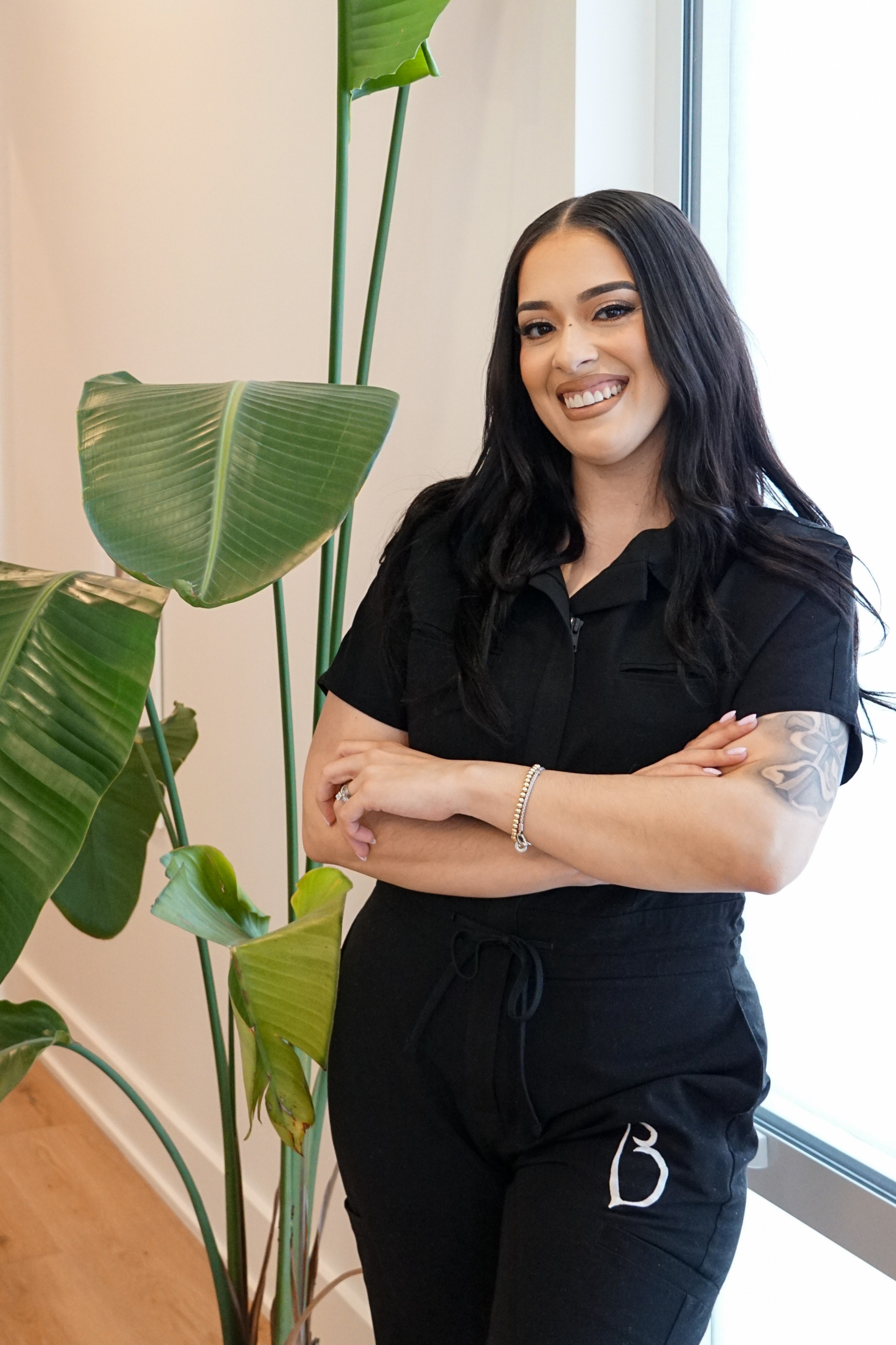
Vanessa Landrum knows that gap intimately, both as a certified nurse midwife and psychiatric mental health nurse practitioner and as a mother who has lived it herself. She works at Detroit’s first and only Black-owned midwife-run birth center, Birth Detroit, where she provides prenatal birthing services and postpartum care, as well as psychiatric care. “A doctor can clear you after six weeks and let you know that you’re ready for sex,” she said, “but mentally, physically, emotionally, is a woman really ready after six weeks?”
The answer, she is quick to point out, is deeply individual. And yet the pressure to perform readiness on someone else’s timeline is something nearly every postpartum woman encounters. And the research backs this up. Studies show that postpartum sexual dysfunction for women who breastfeed affects anywhere from 35% to over 80% of women, yet counseling on sexual health after birth remains rarely provided.
Part of what makes postpartum intimacy so complicated is that it isn’t only physical, even though that’s a big part of it. Layered on top of that are the hormone crashes, the sleep deprivation, the constant physical contact of breastfeeding and caregiving that can leave a new mother feeling touched out before her partner has said a word.
Landrum knows this firsthand. Despite her medical background and the confidence she carried through pregnancy, she found herself struggling with her own reflection in those early postpartum weeks. The societal pressure to bounce back, she says, is real, and even she wasn’t immune to comparing herself to others and feeling shame about what she saw. Losing the glow that pregnancy had given her directly impacted how she felt about intimacy. It’s hard to want to be close to someone else when you don’t feel good about yourself.
Research confirms that women in the postpartum period face multi-level pressure to return to their pre-pregnancy body shape and size. This pressure directly leads to reduced body image satisfaction, lower self-esteem, and shifts in mood. “You’re constantly touched,” Landrum told EBONY. “And you’re emotionally adjusting to a completely new version of yourself that you’ve never met before.”

That adjustment looks different for everyone. It could mean learning to navigate a body that feels unfamiliar, or coming to terms with a diastasis recti or C-section scar you are still getting used to, none of which resolves on a six-week timeline.
There is also the partner dynamic, which Landrum addresses. Sometimes partners feel sidelined, less central, less attended to, and that frustration can quietly translate into pressure. Landrum said sometimes women feel obligated to have sex after the six-week mark because they feel like that’s what they are supposed to do. Intimacy that comes from obligation rather than genuine readiness or desire doesn’t serve anyone. Landrum said honest, compassionate communication between partners is not optional in postpartum recovery; it’s foundational. What she wishes more people understood is that postpartum recovery is far deeper than physical healing. “Your hormones are shifting dramatically. You may still be in pain. You are learning a whole new version of yourself you have never seen before,” Landrum said.
The process of learning to love yourself in a changed body and reconnecting with your sense of identity outside of motherhood is inseparable from reclaiming intimacy. “You need the physical support, you need emotional permission, you need to be able to slow down and communicate, and not feel guilty for where you are,” Landrum said.
For the mother who is a year postpartum and still doesn’t feel like herself, Landrum’s message is direct: you are not alone, and nothing is wrong with you. Whether that means finally getting to pelvic floor therapy, starting regular therapy, prioritizing rest, or simply giving yourself the space to figure out who you are now. Healing is not linear, and it does not have an expiration date. “People deserve to be more than just in survival mode,” Landrum said. “We deserve to feel whole and supported again. Mentally, physically, emotionally, and intimately. So I think reclaiming postpartum intimacy starts with giving ourselves the permission to heal without pressure or shame or societal norm.”
Reclaiming your sexuality after birth starts long before you feel ready. It starts with giving yourself permission to heal without pressure, without shame, and without apologizing for the time it takes to meet the new version of yourself, and decide, on your own terms, how she wants to be loved.