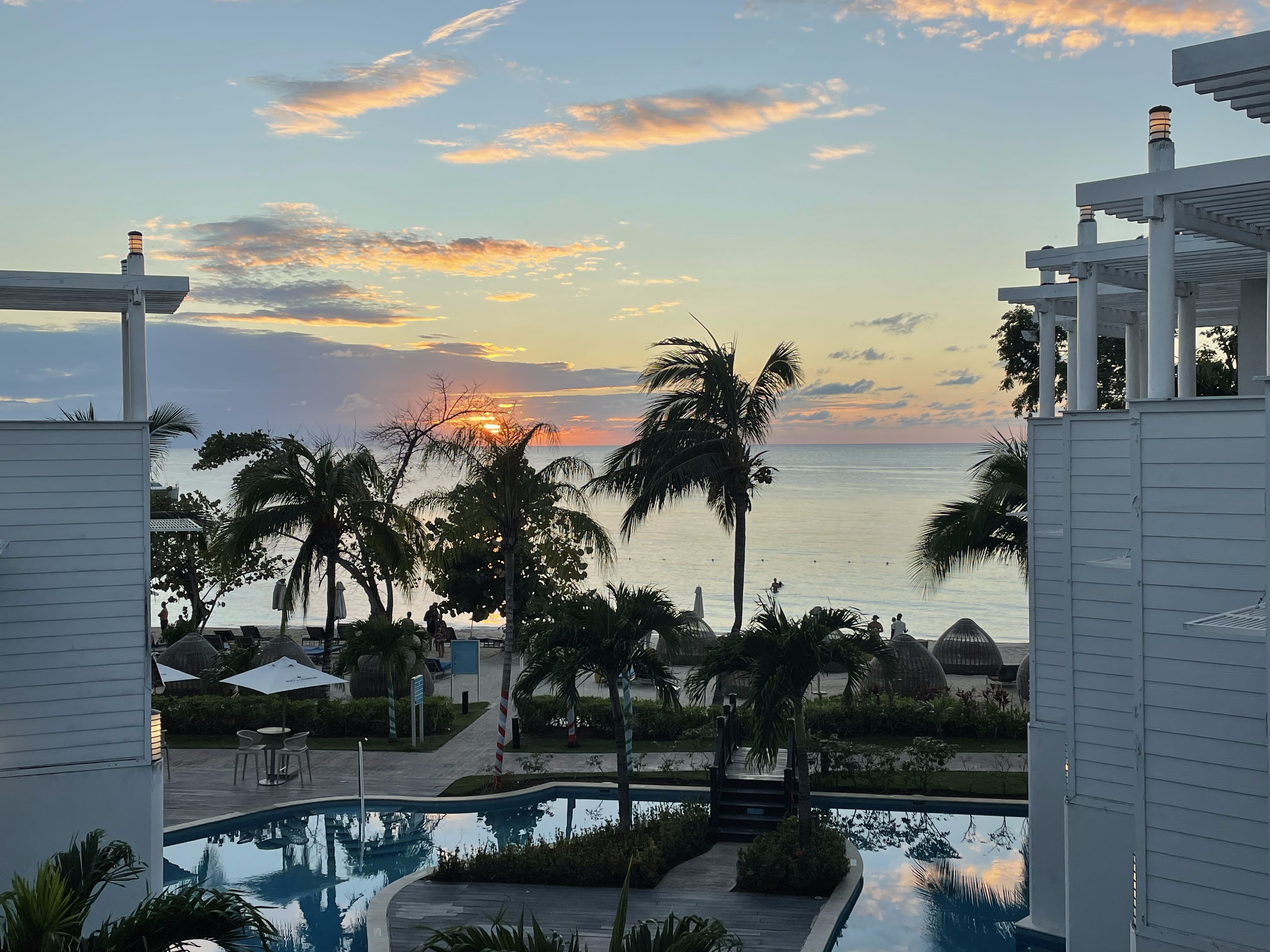
There are few places on earth as immediately convincing as the beaches of Jamaica. Just three months before my trip to Negril’s Seven Mile Beach, Hurricane Melissa tore through parts of the Caribbean, leaving a path of destruction and chaos in her wake. My anxiety wasn’t really about whether the beach would still be pristine or whether the amenities would be up and running. I trusted the machine of tourism to figure that part out. My concern was a little more human. Would I be showing up at a place that was still putting itself back together? And if so, what does it mean to arrive looking for a place to unplug while others are recovering from loss and instability?
Ahead of my trip, the resort assured me that Negril, on the west coast of the island, had not been affected in the same way as other areas and that guests would still be able to enjoy the full property. They were correct. The resort was beautiful in the way many all-inclusive properties are beautiful: manicured and carefully designed to make the labor behind the effort disappear. The rooms opened toward the beach. The pools caught the afternoon light just right. Drinks arrived cold and along with smiles from those who delivered them.
Still, for some reason, I couldn’t relax. That discomfort had less to do with my stay itself than with the strange moral dance of tourism. As Americans, many of us are taught to move through the world as consumers first. We book the flight, check the weather, skim a few headlines and arrive with the expectation that the destination will be ready for us.
Even our empathy can become self-serving. We ask if a place is okay to visit, but what we often mean is, “Will my experience still be enjoyable?” That wasn’t exactly what I was asking myself in Jamaica, but I’d be lying if I said I was immune to the thought. The harder question that stuck with me was whether my presence, even as a solo traveler trying not to take up too much space, was part of the problem. The island depends heavily on tourism, and the industry supports countless front desk staff, drivers, restaurant workers, guides, bartenders, entertainers, and others whose livelihoods are tied to people like me arriving with disposable income and a desire to be somewhere beautiful that takes care of your every need and desire.
That itself is the dilemma I found myself in. Places like Jamaica need tourists. But what is the responsibility of being a visitor in someone else’s country, even on vacation?
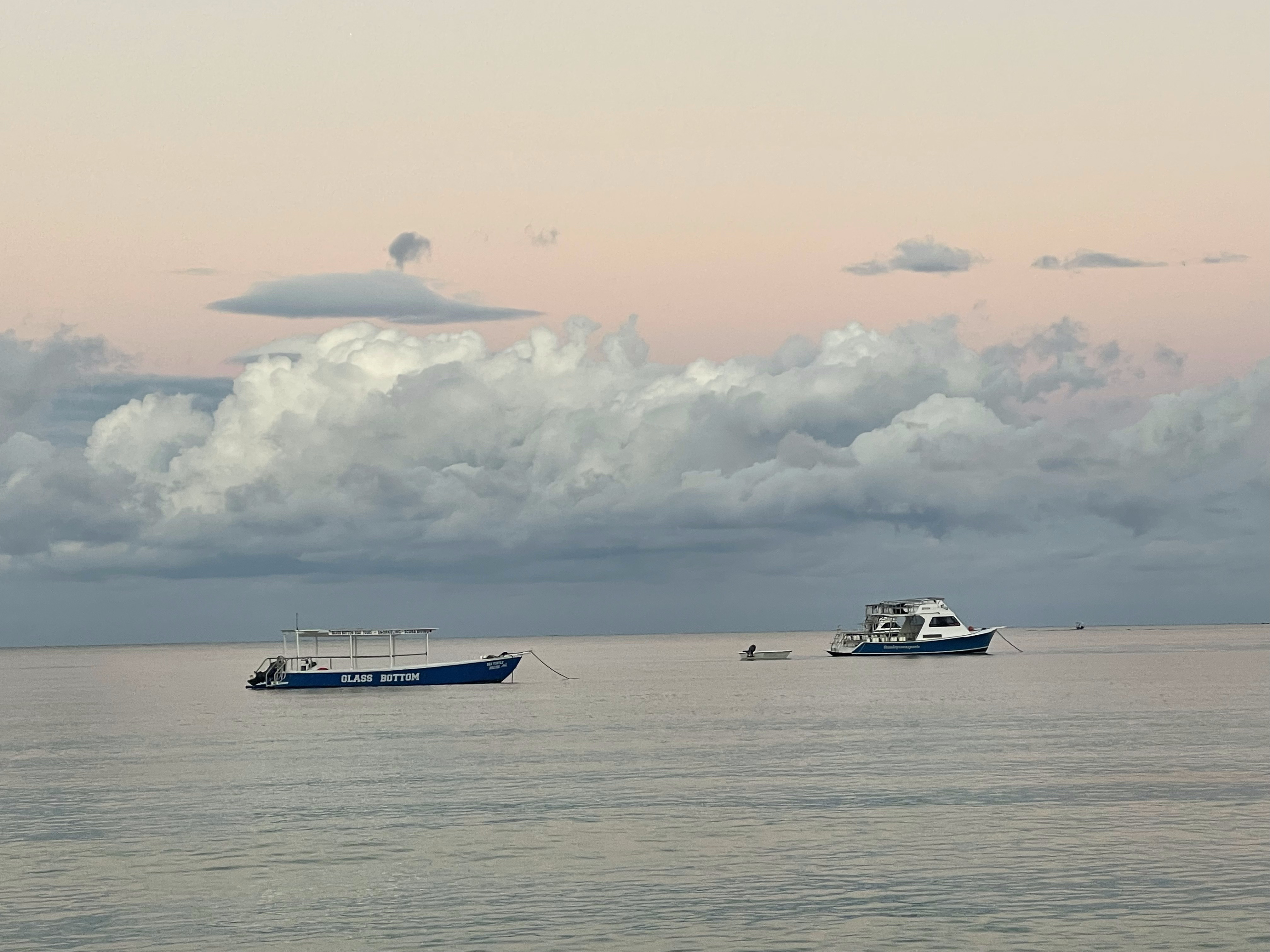
At a resort, paradise is presented as seamless and just as promised in the brochure.The sand along Negril’s famous Seven Mile Beach has a way of disarming you before you can fully decide how you want to feel about it. Something straight out of the final scene of a movie. The water is layered in turquoise, then something deeper and indescribable. And before long, you find yourself doing that thing that travelers do in beautiful places — pretending your drink was named by Hemingway, and crafting that perfect Instagram post of a sunset with the caption “healing,” because it sounds better than saying #vacation.
Still, what you are not always asked to consider is how much work it takes to maintain that ease, especially in a place where nature can be both a blessing and a threat. Island nations like Jamaica live through this suspense annually. Hurricane season is not an abstract concept. According to data, between the beginning of the hurricane season in June and the end of the season in November, an average of 10 tropical storms are formed, some of which develop into hurricanes. The people welcoming us are carrying their own unseen fatigue of survival.
Here’s the truth: there may never be a perfect time to return to paradise, because paradise is rarely as untouched as it appears. There is always a larger story to tell from a storm recovery to a political reality. Traveling responsibly does not necessarily mean staying away. In many cases, visitor dollars absolutely matter, especially when tourism is the major economic engine, but responsible travel does require honesty. It asks that we stop pretending our relaxation exists independently, on its own.
Maybe that means tipping better, leaving the resort long enough to encounter the country beyond its curated version of it or simply means refusing to reduce a place to what it can do for you. Jamaica, of course, remains beautiful, and my book, like many best-laid plans, stayed mostly unread. The beauty and spirit of the island has a way of continuing, whether or not we truly deserve it.
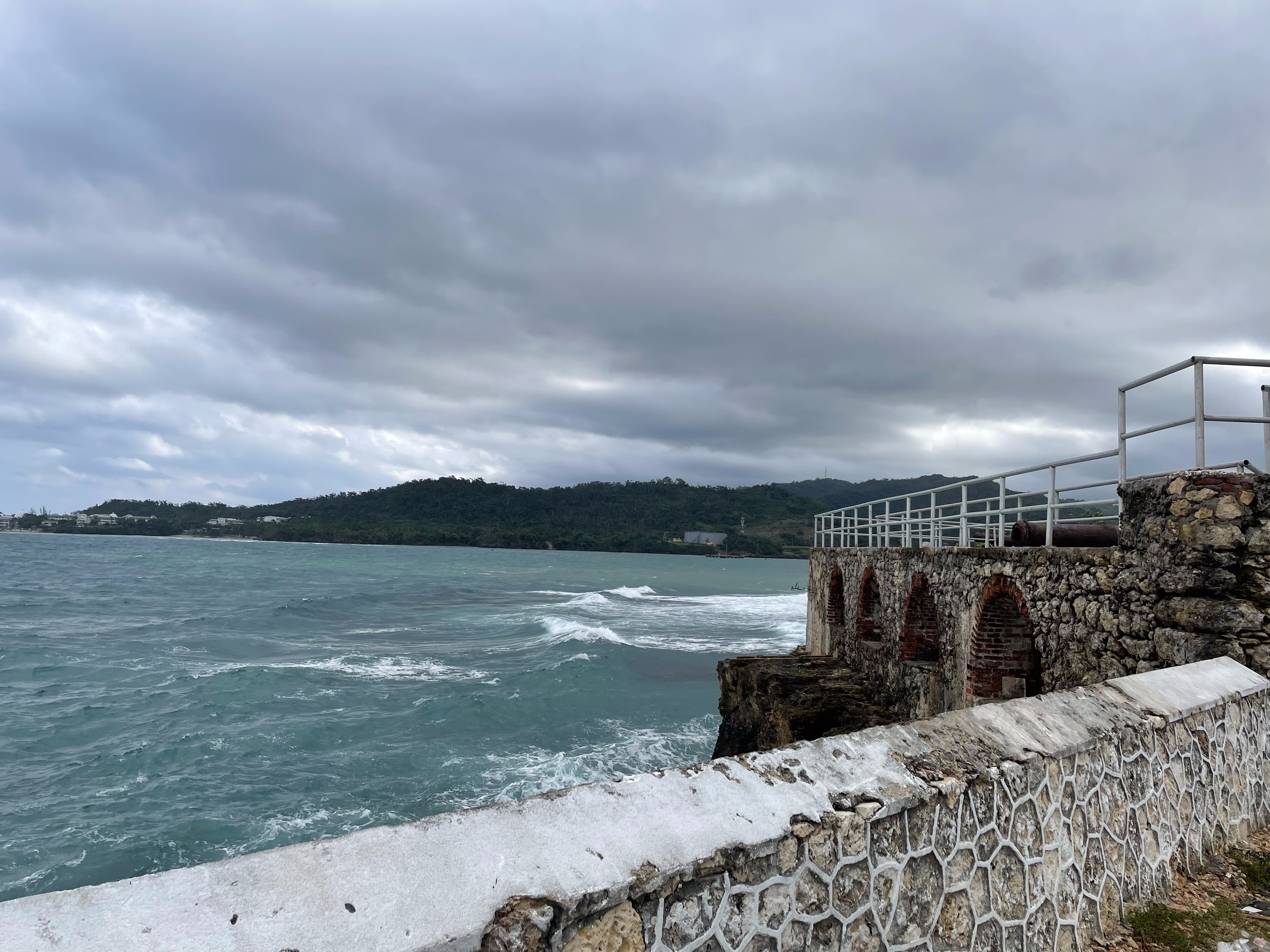
But that trip did leave me with something more useful than a few good selfies. It left me with a sharper understanding of what travel can reveal, not just about a destination, but about me, the traveler. It revealed how, if we’re not careful, travel and ease can quickly dull our sense of curiosity. It showed how luxury depends on the invisible effort of others, without asking what it costs the people who make it feel effortless.
So, I ask again, when is it okay to return to paradise? Maybe when we can arrive with gratitude but without illusion, and understand that beauty and burden live side by side. When we are willing to enjoy the water, food, and music, while also remembering that it was someone’s job to protect our peace, even as their own has been interrupted, then we’ve fully grasped not only the real lesson of Negril but also what it means to prioritize sustainable travel.
Not that the stretch of beach at Azul Beach Resort Negril wasn’t breathtaking, but that paradise is never just a place. It’s also labor, endurance, and the quiet strength of the people who keep welcoming the world back.