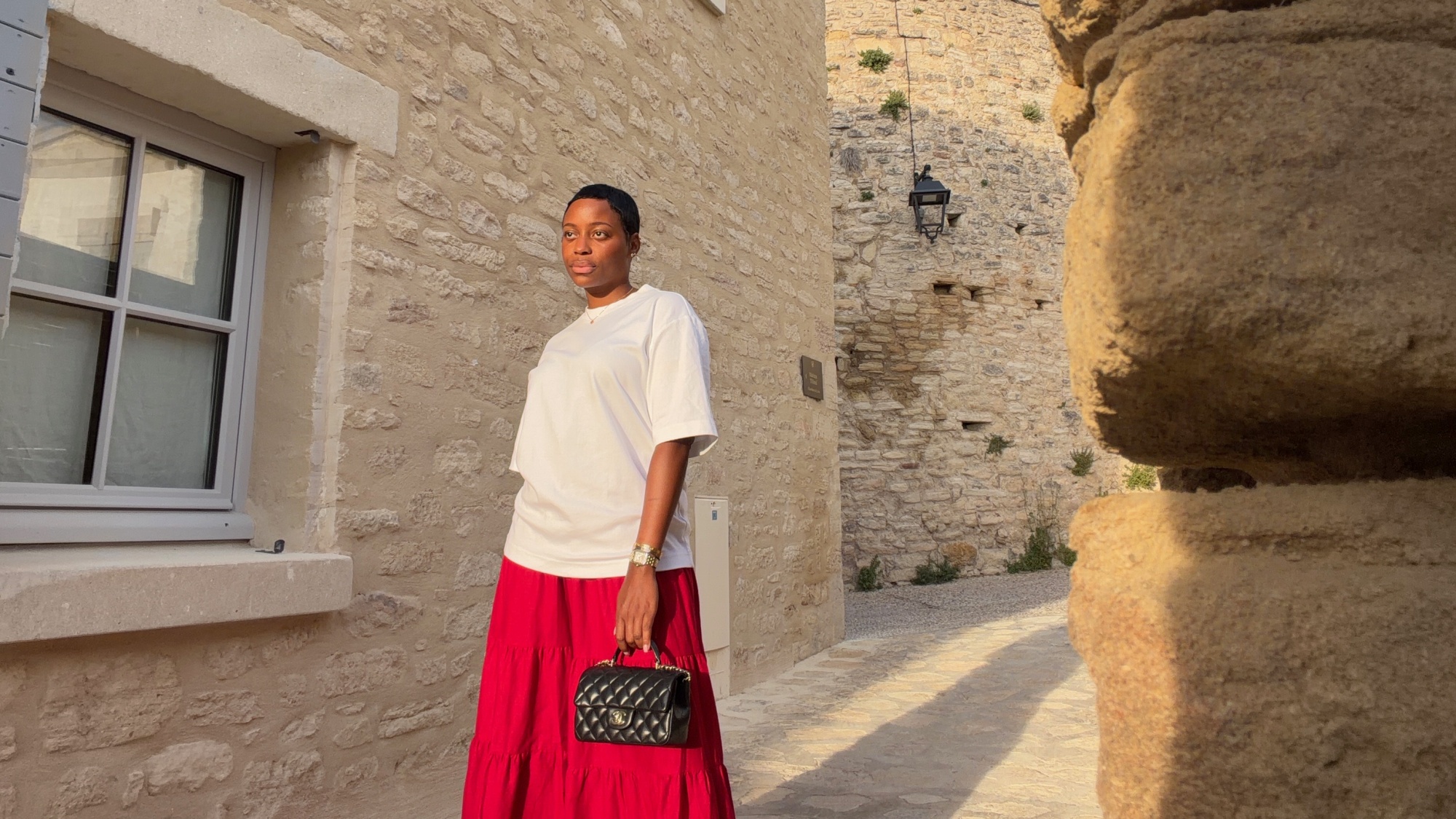
For years, Stephany Faublas has shown her community what intentional motherhood can look like. Through the glimpses she shares online, audiences have watched her raise her daughter with patience, emotional awareness and a gentle approach that has become part of her identity. But behind every thoughtful parenting decision was a reality that many mothers, especially single mothers, know all too well. The work never stops.
Faublas is the sole decision-maker for her daughter. Every emotional need, every logistical detail, every responsibility seen and unseen falls on her. While she appreciates the autonomy that comes with raising her daughter on her own, she’s equally honest about what that independence has cost.
“It may look or feel like sometimes I’m doing everything perfectly,” she told EBONY. “But it comes at my expense. I’m doing it with one hand tied behind my back.” Being a good mother often comes with an unspoken expectation: that you’ll always put yourself last. Somewhere along the way, self-sacrifice became synonymous with good parenting. Faublas bought into that belief for years until her body made it clear she couldn’t anymore.
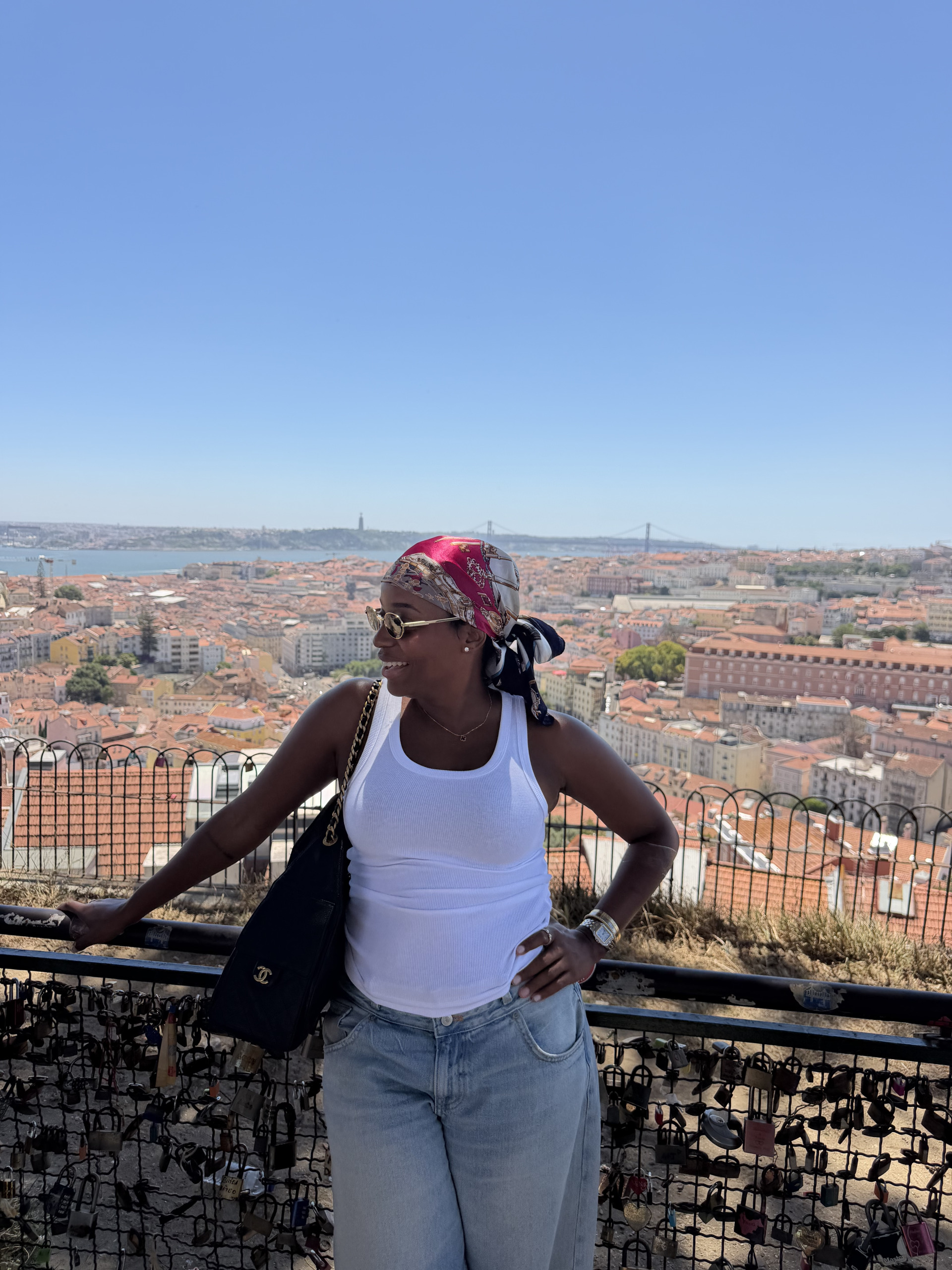
“I was down bad,” she said. “I was having really dark thoughts. I felt like I was at the end of my rope.” After nearly a decade of operating in survival mode, she reached a point where constantly showing up for everyone else meant she could no longer show up for herself. Brain fog became her baseline. Rest felt foreign. Even when she had a moment to slow down, she couldn’t. So she did something many mothers only imagine doing. She took a sabbatical from life and motherhood. Not to escape motherhood, but to reconnect with the woman who existed alongside it.
Faublas spent her sabbatical traveling through Europe, with Paris serving as home base alongside stops in London and Portugal. While social media often romanticizes solo travel, she describes this trip less as a vacation and more as a necessity.
“I had to save myself so I could save everything else,” she said. The move was, in her words, “do or die.” Travel became the catalyst because it physically removed her from the routines that had defined the last nine years. For the first time since becoming a mother, there wasn’t a schedule dictating her day or someone depending on her every decision. “It was the first time in almost a decade that no one has needed me,” she said. “My nervous system was able to finally stop.”
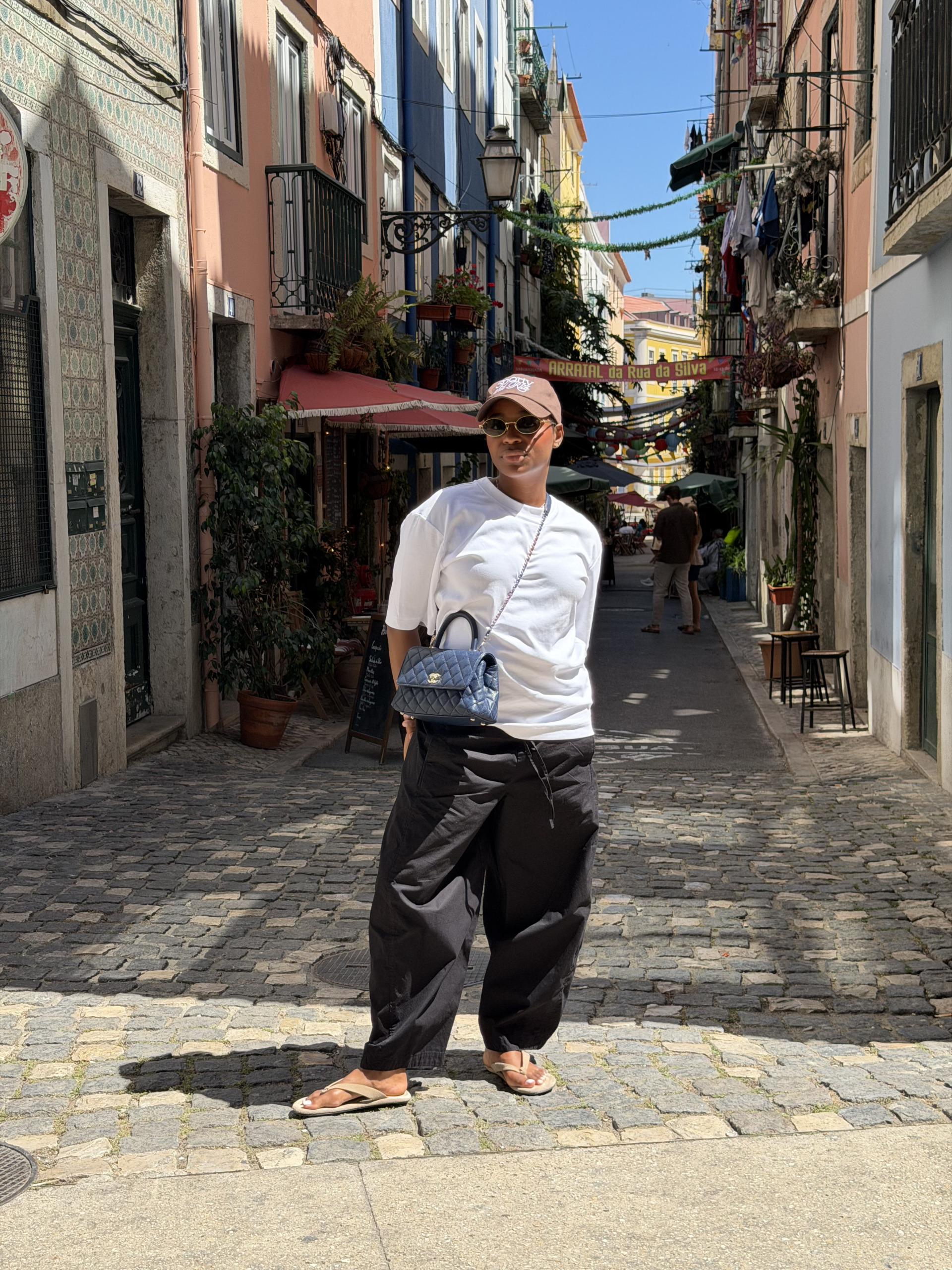
Rather than pack every day with sightseeing, Faublas gave herself permission to experience something mothers rarely receive: stillness. She walked wherever she could. She left her phone behind to be more present and instead focused on simply looking up. That freedom feels radical not because she traveled overseas, but because mothers are rarely encouraged to prioritize themselves before burnout forces them to do so.
We often celebrate women for how much they’re willing to sacrifice while overlooking the person making those sacrifices in the first place. For Faublas, choosing herself wasn’t abandoning motherhood; it was expanding it. Her perspective was shaped by her own upbringing. Raised primarily by nannies, she became a mother and revealed just how much nurturing she’d gone without.
“It opened my eyes to the lack of mothering I got,” she said. “I felt like I was pulling from nothing.” Determined to give her daughter what she never received, she committed to therapy to intentionally break cycles that had been handed down to her. But that commitment also made her incredibly hard on herself, constantly questioning whether she was getting motherhood right. Exhaustion even affected the way she experienced her daughter’s early years.
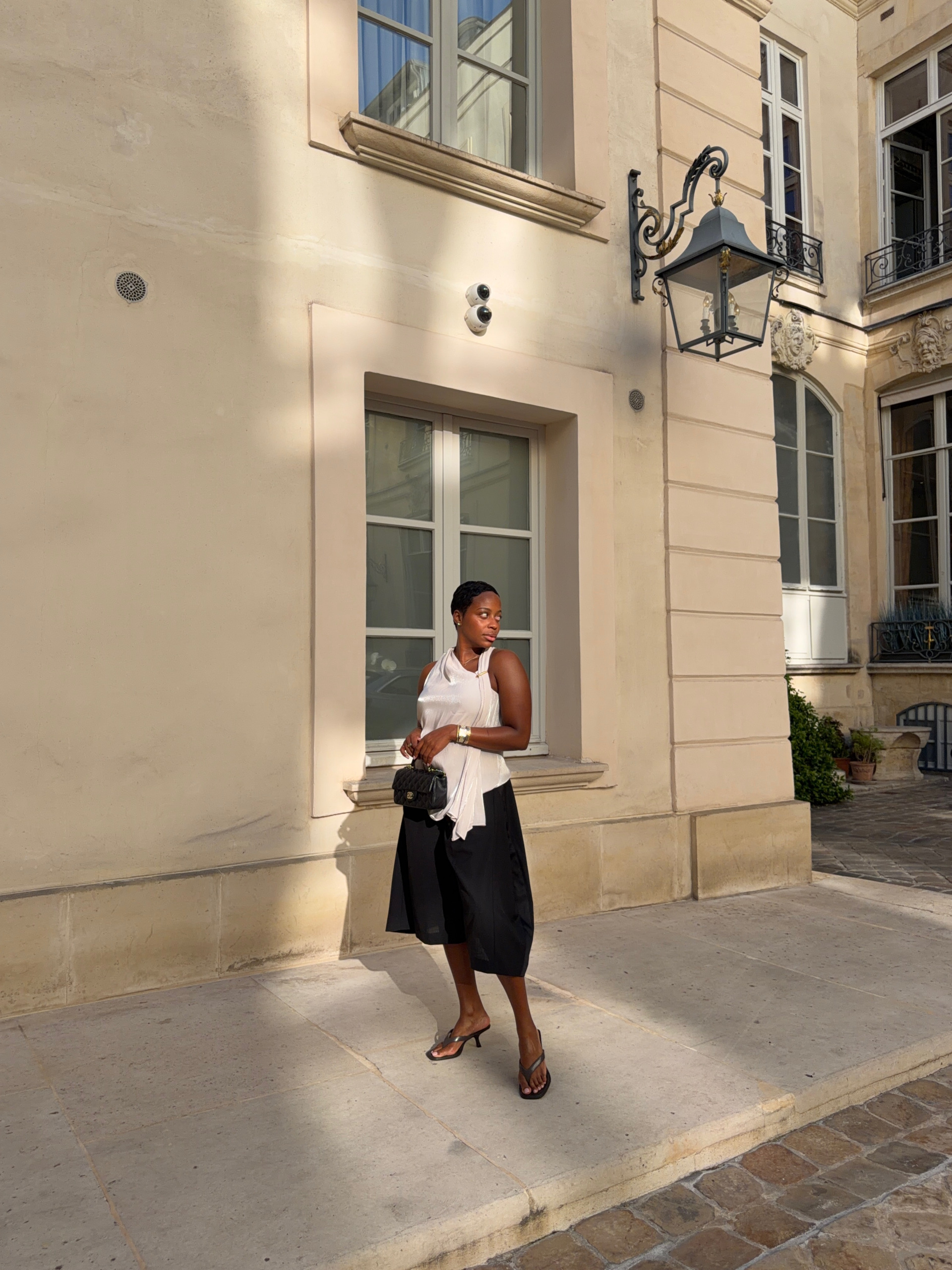
“I found myself wanting things to hurry up and for her to be independent faster than I think a rested mother would have.” It’s why she now believes rest isn’t separate from parenting; it’s part of it. Perhaps the biggest lesson to emerge from her sabbatical is her belief that “A rested woman is a wonderful mother.” Choosing yourself shouldn’t be treated as a reward for surviving motherhood. It should be considered part of the job.
For Faublas, this chapter isn’t about leaving motherhood behind. It’s about refusing to disappear inside of it. And in choosing herself openly, unapologetically, and thousands of miles from home, she’s offering other women something that’s still far too uncommon: permission to believe that caring for themselves can be one of the most meaningful ways they care for the people who need them most.
One of the best things you can do as a mother is to be seen living your life.