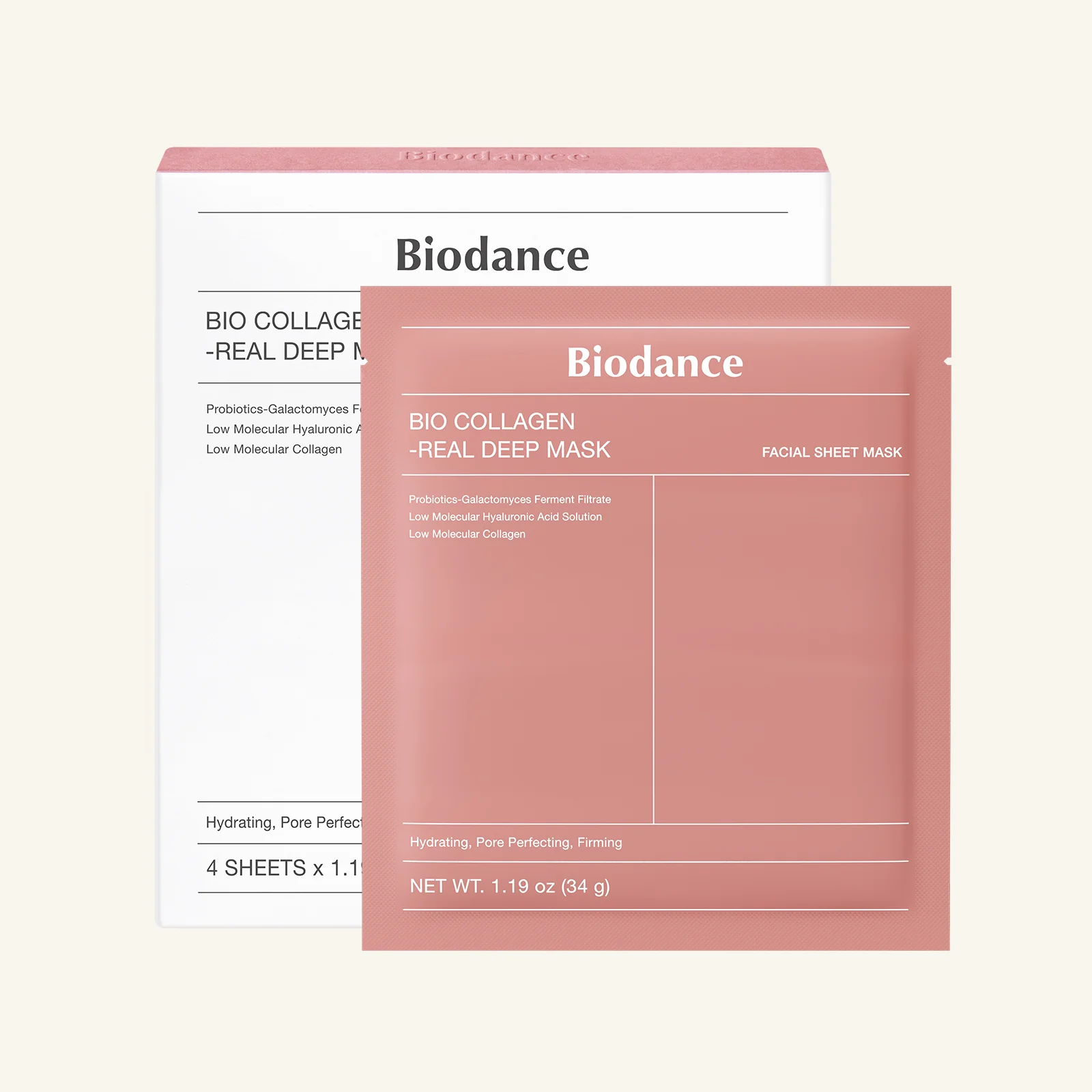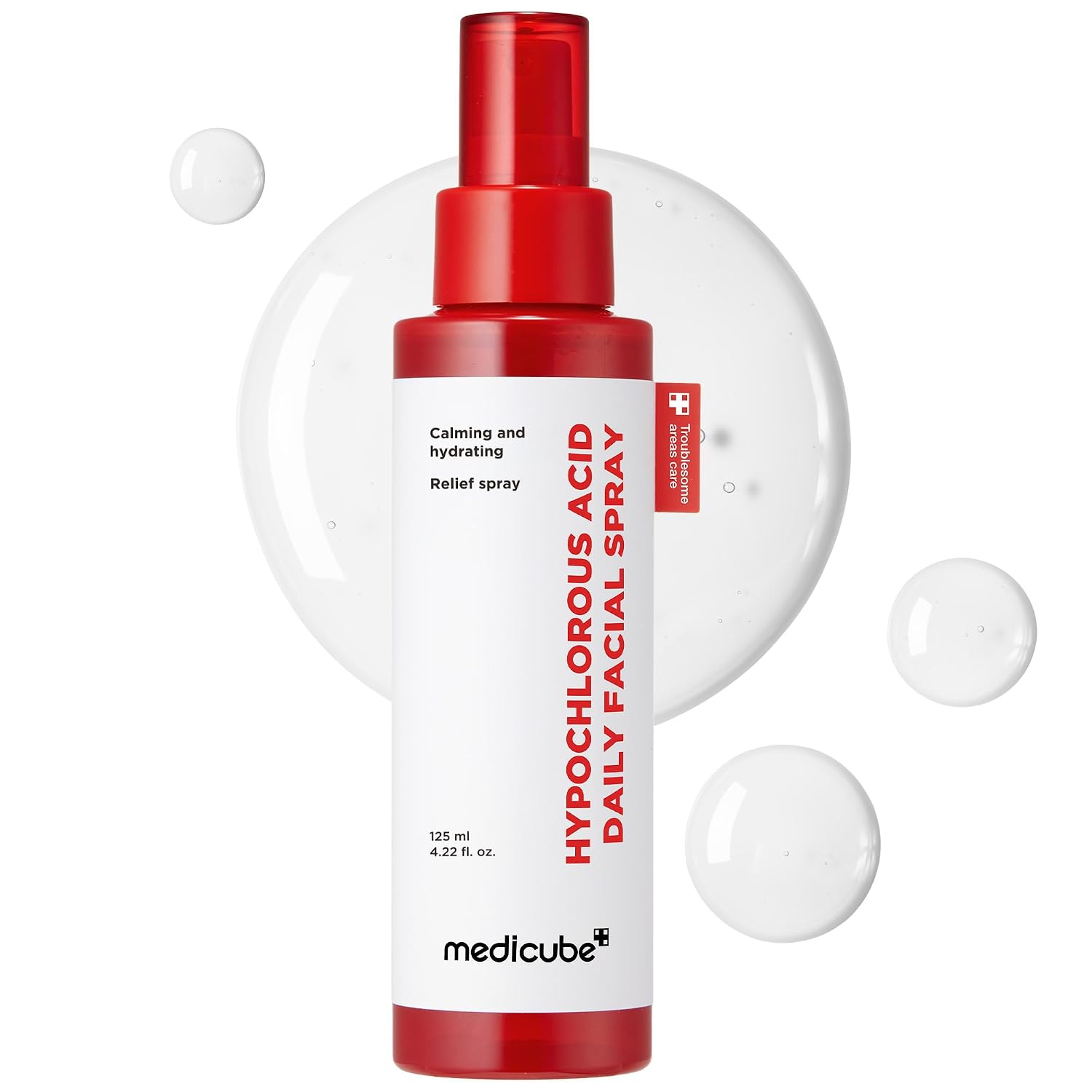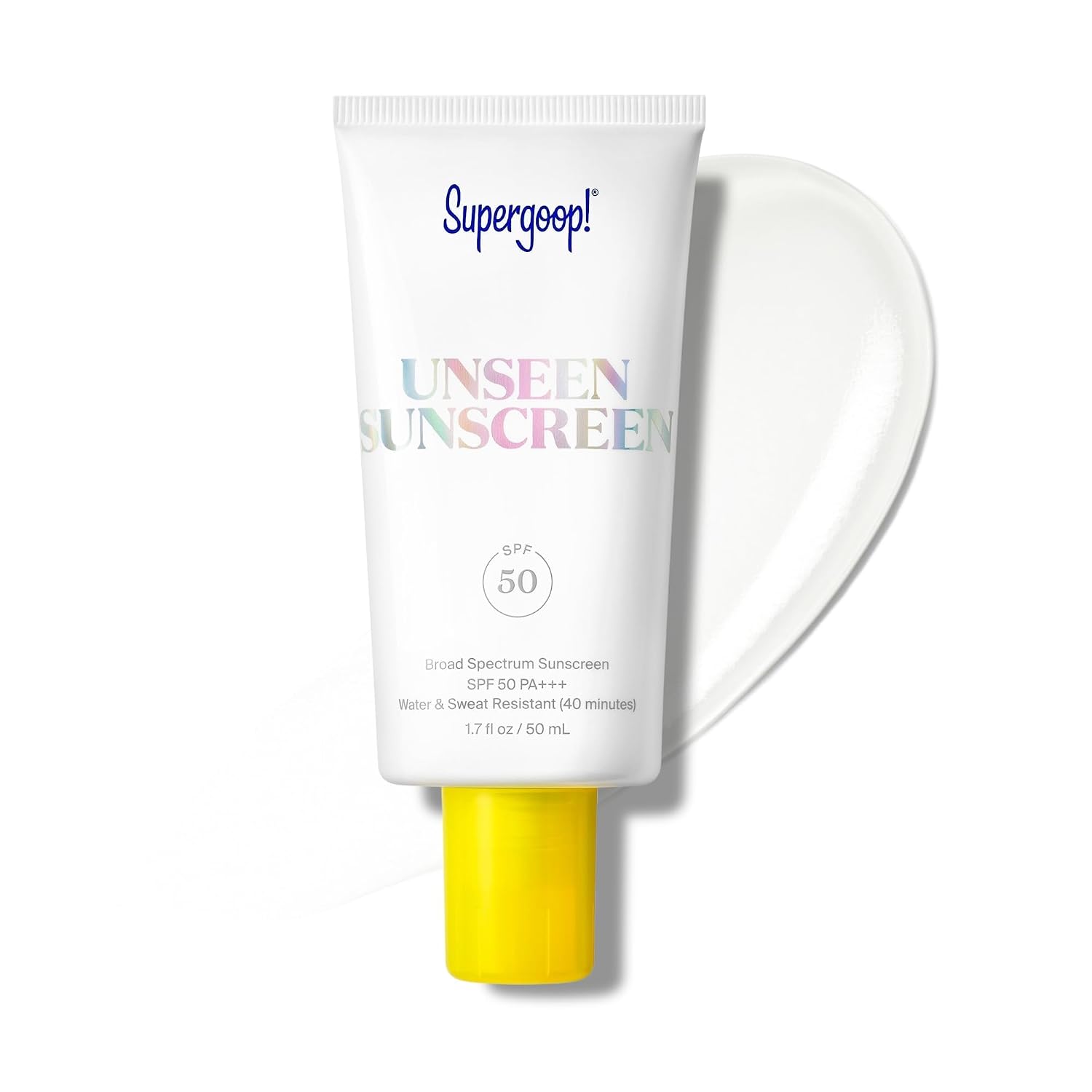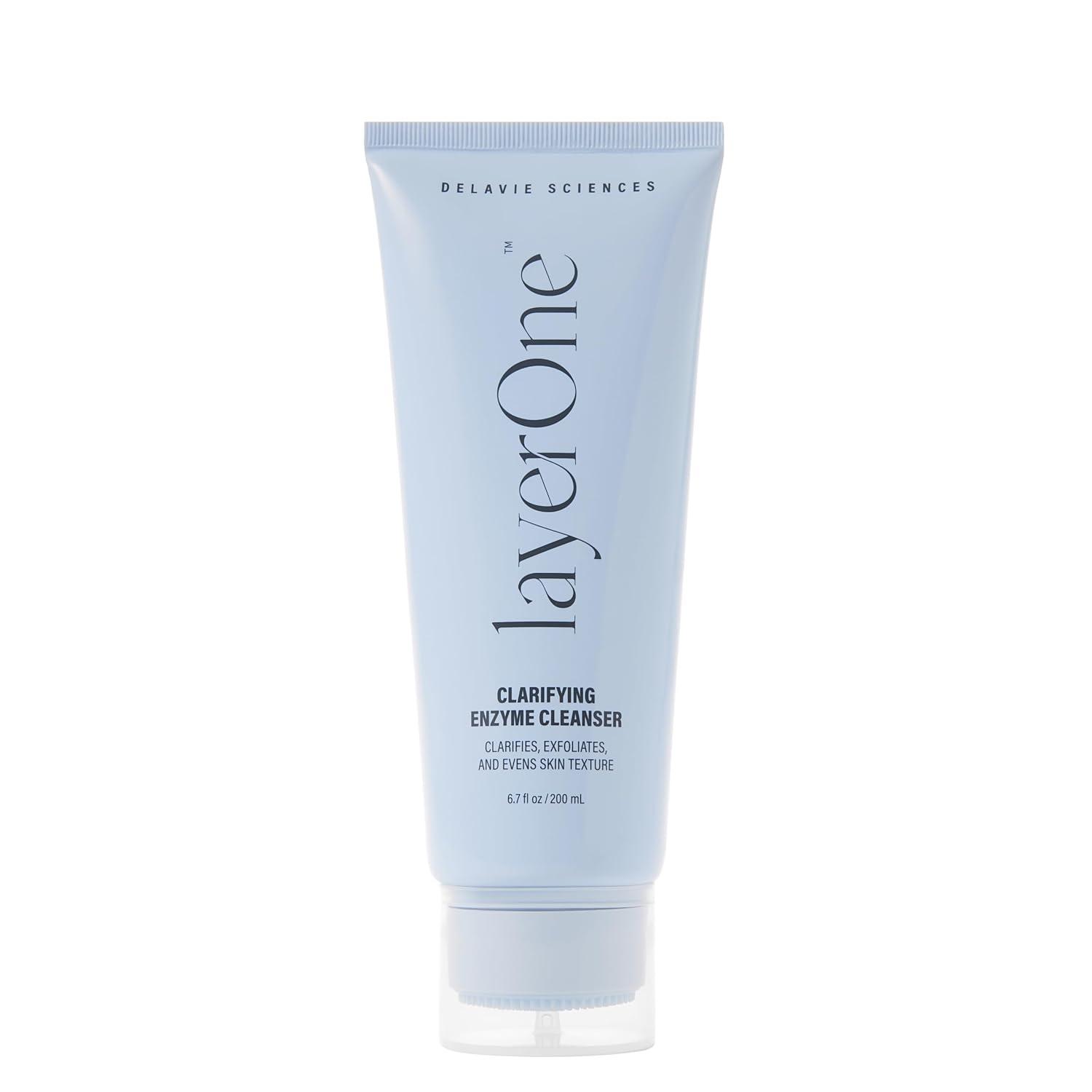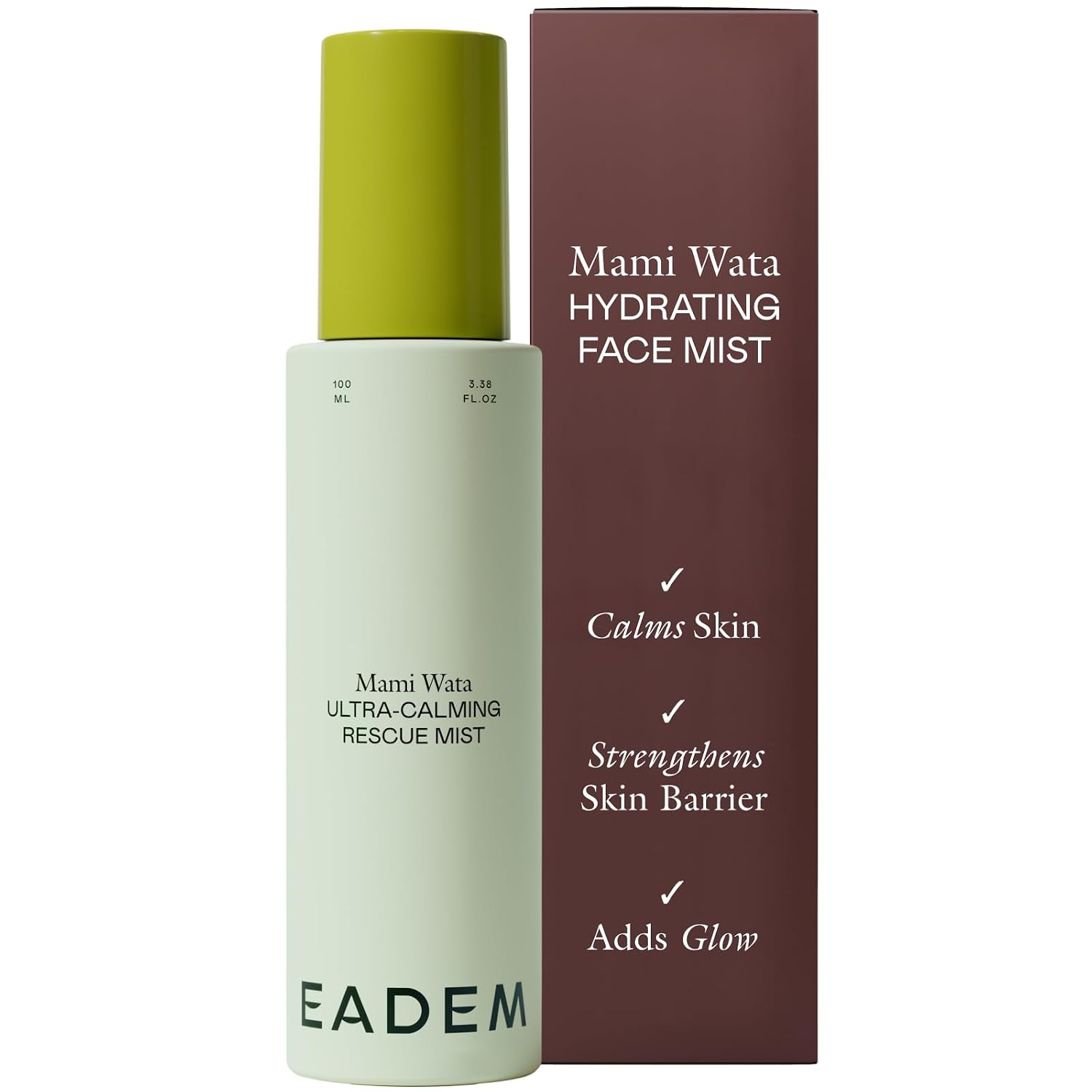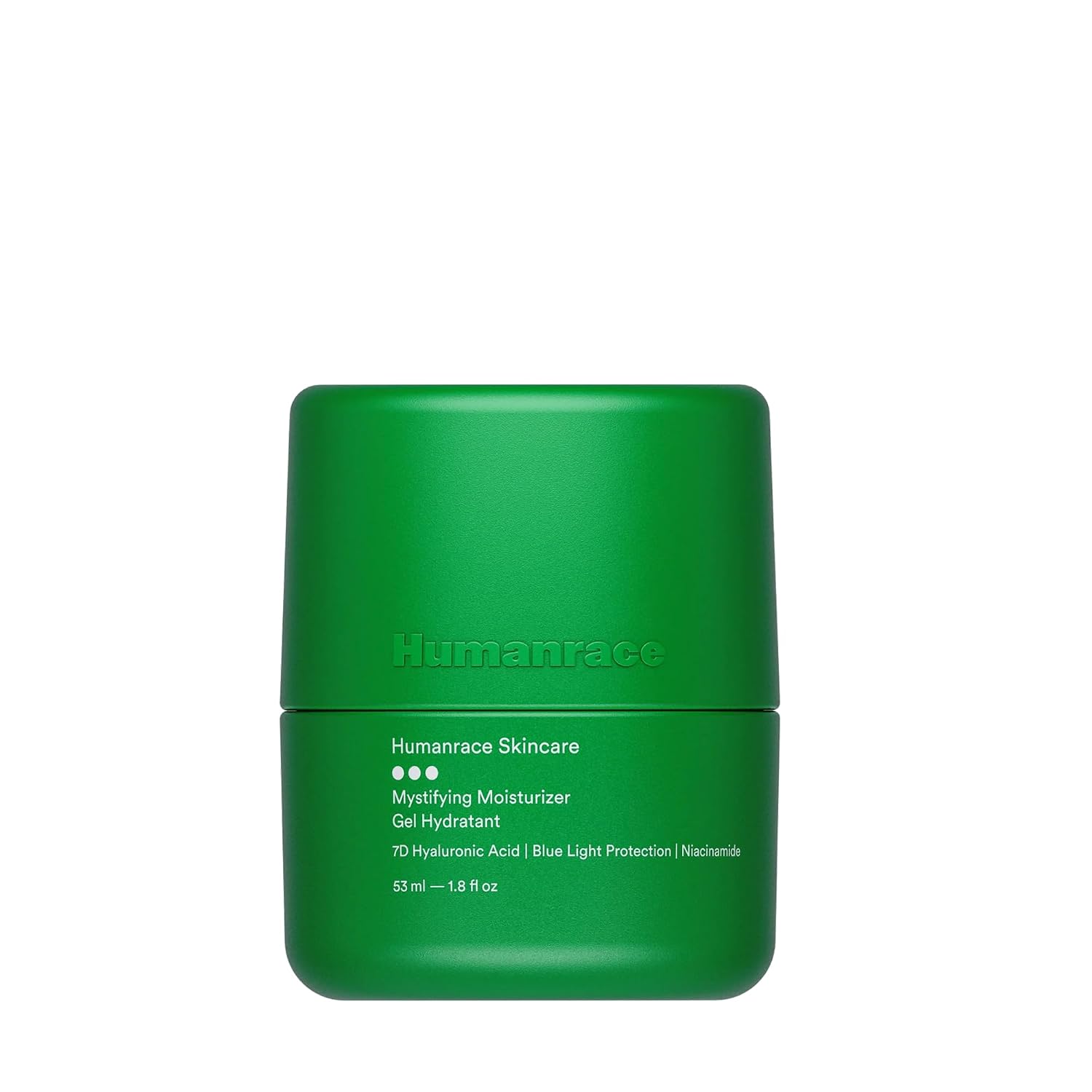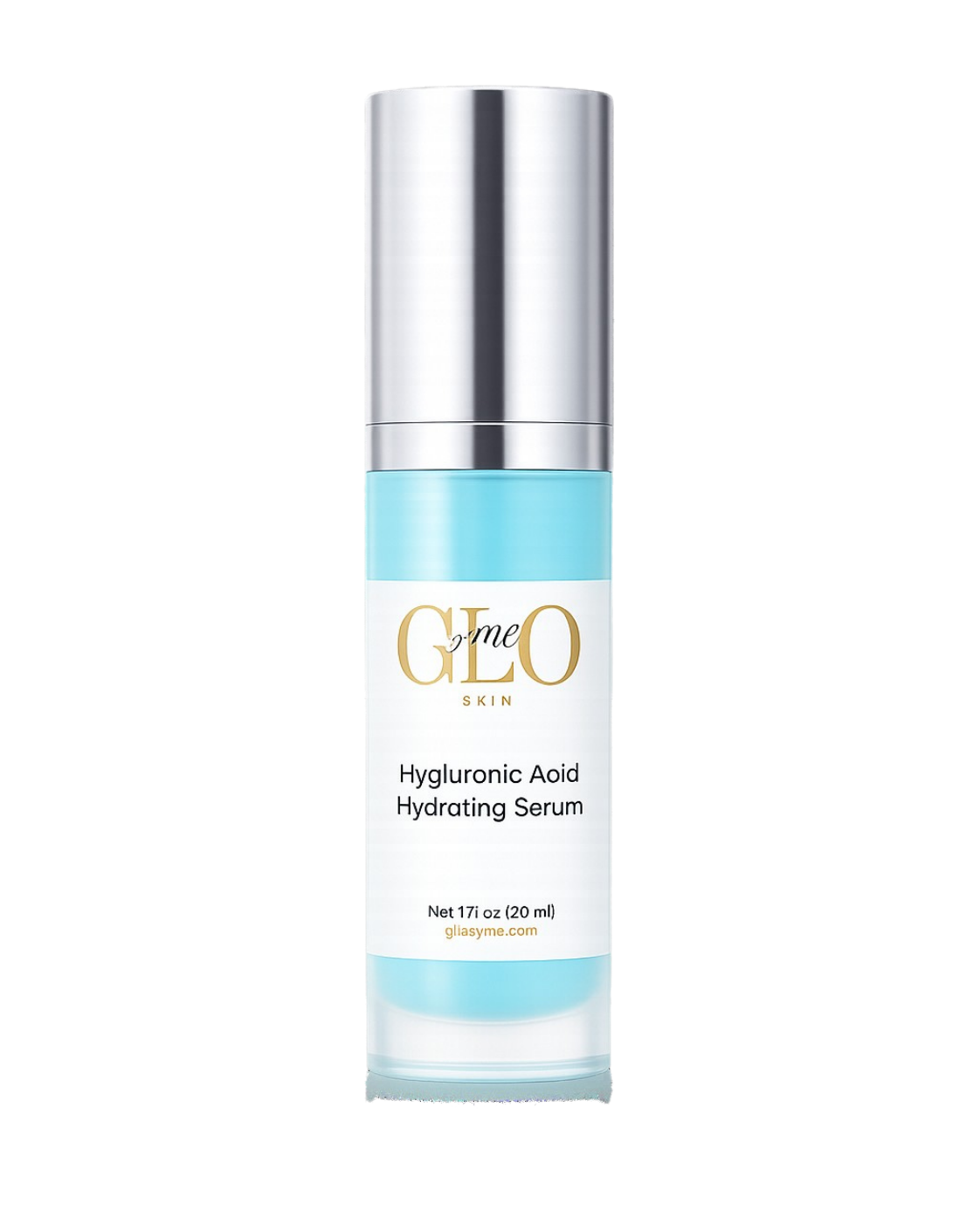
The latest skincare trend has reached new heights, as many social media “skinfluencers” reveal their multi-step beauty routines in the air. While most passengers worry about whether they’ll get chicken or beef mid-flight, a handful of travelers are fixated on serums, sheet masks, and facial creams—all in the name of clear skin. Although showing your skin some extra love isn’t a crime, a few experts share advice on how to effectively do it, without jeopardizing the overall health of your skin.
Keep It Simple
Plot twist: protecting your skin with a gentle cleanser, a hydrating serum, a moisturizer, and broad-spectrum SPF 40 or higher is the way to go. “There is usually no need to perform an entire skincare routine at your seat,” licensed medical aesthetician Mechelle Evans told EBONY.
Evans says if the skin feels tight or dry while in-flight, passengers should clean their hands first and apply a simple, fragrance-free moisturizer or barrier cream, and apply sunscreen, especially if you plan to be seated near the window. Additionally, moisturizers containing humectants and barrier-supporting ingredients such as glycerin, hyaluronic acid, ceramides, or squalane can also help reduce dryness while traveling. “Protect your skin before the flight, support the barrier during the flight, and gently reset it after landing,” Evans said. Adding, “Your airplane seat should not become a treatment room.”
Dr. Elena Jones, MD, agrees and also shares that staying hydrated before, during, and after the flight is just as important when building your routine. “Another great way to lock in moisture is to create a small water spritz for your skin, prior to applying your skincare,” says Dr. Jones, who’s also the chief dermatologist for Humanrace. According to the CDC, an aircraft’s cabin air is typically dry and has about 10-20 percent humidity, causing dryness of the mucous membranes of the upper airway and eyes.
After deplaning, she says passengers should load up on fluids, gently cleanse the skin, and return to their normal routine. Those with acne-prone skin, eczema, and rosacea can also benefit from maximizing their hydration mid-flight. “Acne-prone skin doesn’t necessarily require a completely different flight routine, but I would also avoid the temptation to aggressively cleanse or exfoliate because you feel your skin is getting oily or congested,” Dr. Jones told EBONY. She believes following a consistent routine is more helpful than trying to correct your skin while thousands of feet in the air.
“The goal is really to keep the skin comfortable, hydrated, and supported rather than overwhelming it with too many products,” says Dr. Jones.
What To Avoid
We’ve all heard the saying “less is more,” and that also applies to your in-flight routine. Unfortunately, the airplane isn’t the best or the most practical environment to bring out your heavy hitters with active and potent ingredients. “Avoid retinoids, strong alpha and beta-hydroxy acids, exfoliating pads, scrubs, benzoyl peroxide, and high-strength or low-pH vitamin C products during the flight,” Evans said, who’s also the founder of a clinical luxury skincare brand GLO by ME™ Skin. “These ingredients are not automatically unsafe on an airplane, but the extremely low humidity can make already dry or reactive skin less tolerant,” she said.
Dr. Jones also warns travelers about other skin care perils on a plane: bacteria. “The bigger concern is unnecessary touching of the face or applying products with unwashed hands,” Jones said. No matter the duration of the flight, it’s important to not use idle time to pick at skin, pull off cuticles, or even pluck pesky hairs, as surfaces on an aircraft carry nothing but bacteria regardless of sanitization. It’s also not the time to apply multiple masks, exfoliants, or active ingredients. “Your skin doesn’t know it’s on an airplane; it responds to its environment. The best approach is to keep the barrier supported and avoid unnecessary stress,” Jones said.
Product Recommendations