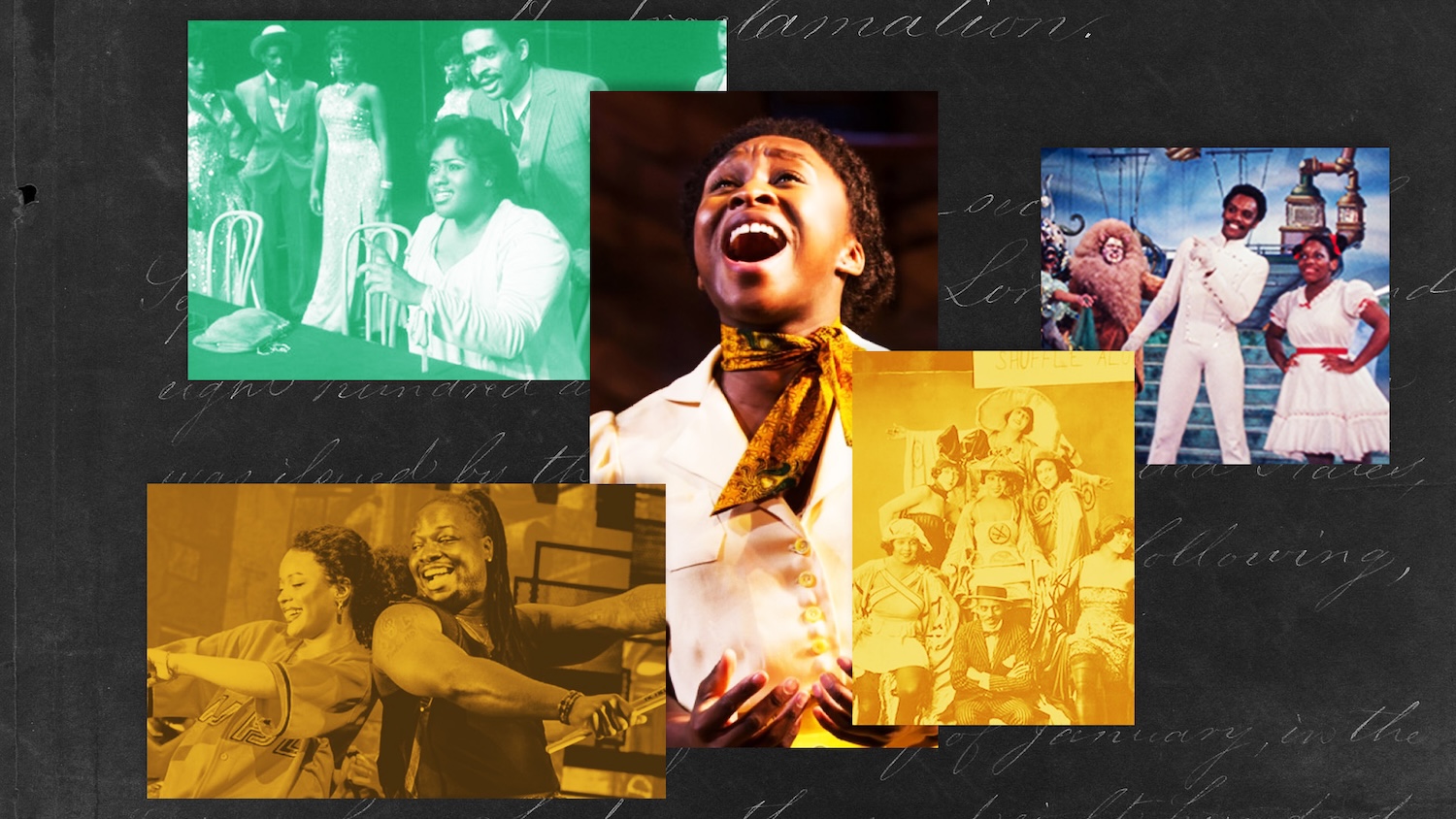
I’m a musical stan. Ask anybody. I’ve lost count of how many Broadway shows I’ve seen. But I feel something different when I watch our stories being told — through music, song and dance. From the first note through the curtain call, the feeling of seeing myself reflected onstage makes the experience even richer.
Black storytelling has always had rhythm, long before Broadway embraced it. It has always told our triumphs and tribulations, passed down through the ages.
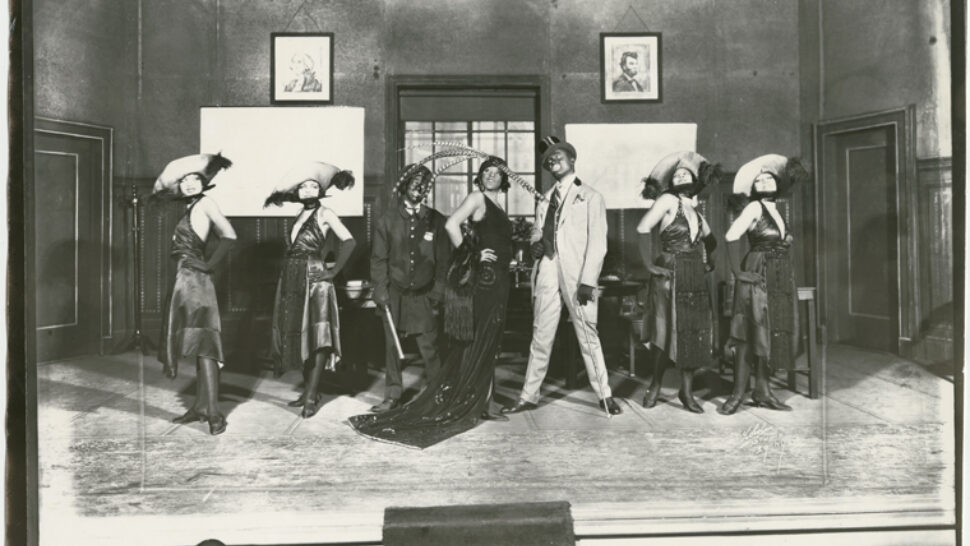
That legacy arrived on Broadway with the groundbreaking Shuffle Along in 1921, which was written, composed, directed and performed by Black artists. It became the first major Broadway hit created entirely by Black talent, and it helped open doors for generations of Black performers who had largely been shut out of the industry’s biggest stages.
From the 1930s onward, more shows with Black casts appeared on stage, including Porgy and Bess (1935) and Carmen Jones (1943). And who could forget when Pearl Bailey and Cab Calloway headlined an all-Black version of Hello, Dolly!, revitalizing the musical’s run in 1968, which ran for another three years, and Bailey returned in the 1970s for special performances.
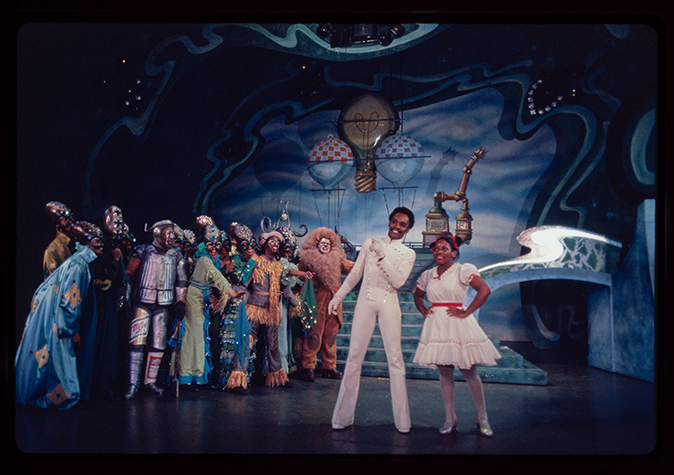
When The Wiz premiered on Broadway in 1975, it was reimagining of the beloved book turned iconic film through a libretto of soul, gospel, funk and R&B. A burgeoning Stephanie Mills stepped into Dorothy’s magical shoes, along with Hinton Battle as the Scarecrow, Tiger Haynes as the Tinman, and Ted Ross as the Lion, legendary André De Shields as The Wiz and Mabel King as Evillene. It proved that popular stories could be given a successful cultural overhaul and speak to a new audience.
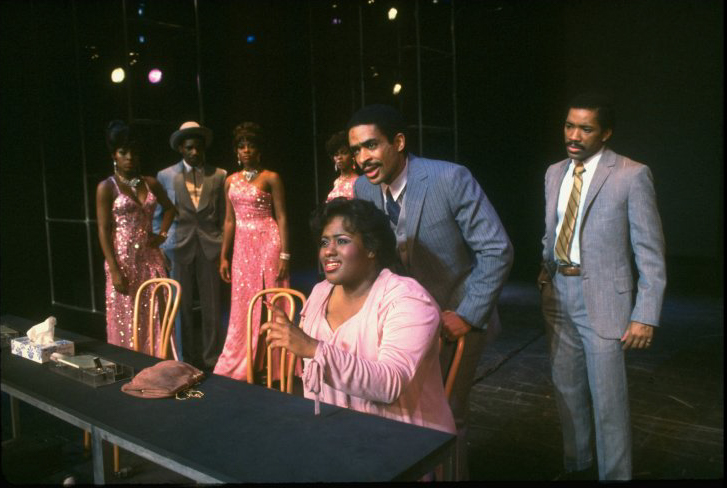
Dreamgirls found its spotlight in 1981. Loosely inspired by Diana Ross, The Supremes and the rise of Motown, it captured both the glamour and the sacrifices of rising musical sensations. Sheryl Lee Ralph, Loretta Devine and Jennifer Holliday starred as one of Broadway’s most iconic girl groups, and Holliday’s powerhouse performance of “And I Am Telling You I’m Not Going” has always been one of theater’s defining moments.
Neither The Wiz nor Dreamgirls was composed mainly by Black creatives, making the premiere of Bring in ‘Da Noise, Bring in ‘Da Funk even more welcome. Conceived and directed by George C. Wolfe, with Savion Glover’s revolutionary choreography, this musical revue traced the African American experience from enslavement through its present time, using tap and movement as its beat. While its Broadway run was short-lived, it became a catalyst for more Black creatives to bring their stories to the stage.
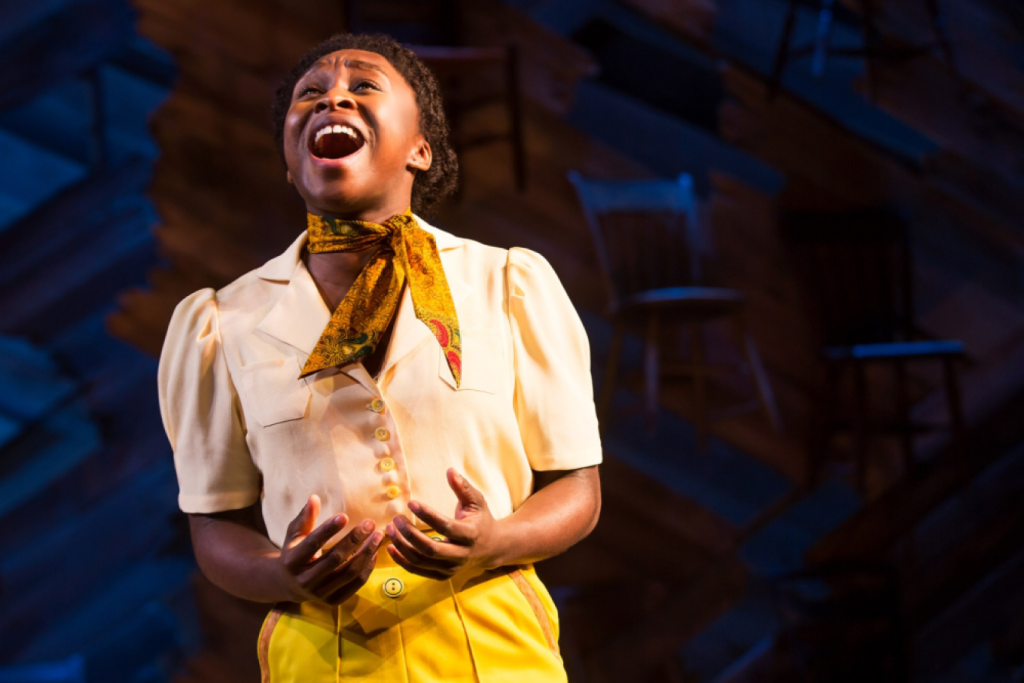
Alice Walker’s The Color Purple had already transformed American literature by the time the novel was published in 1982, and was followed by Steven Spielberg’s acclaimed film adaptation. Broadway gave Celie’s story another life in 2005 through a production backed by Oprah Winfrey. LaChanze earned a Tony Award for bringing Celie’s resilience to the stage, while the stripped-down 2015 revival introduced a new generation to Cynthia Erivo, whose star-making Tony-winning performance became one of the defining theatrical performances of the decade.
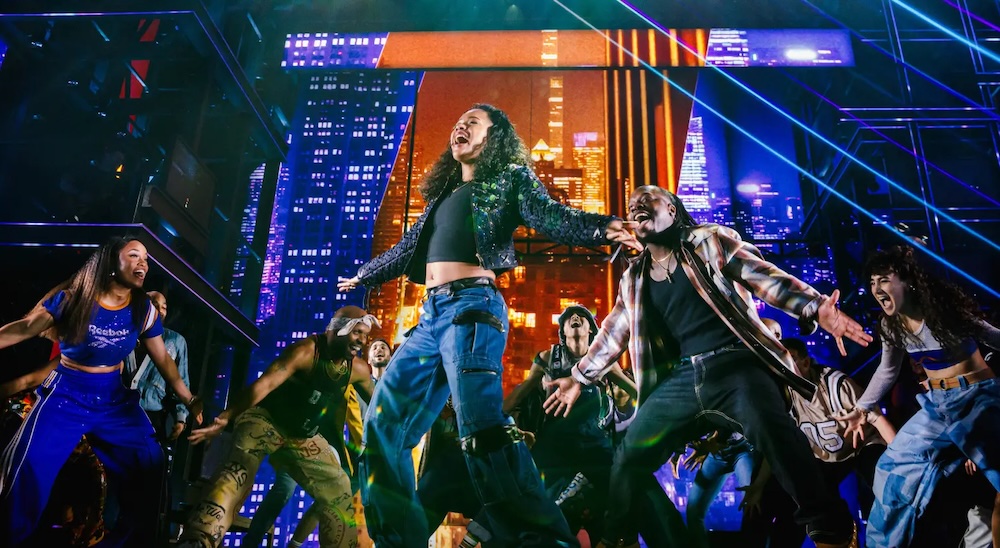
Michael R. Jackson’s Tony and Pulitzer Prize-winning A Strange Loop placed a Black queer artist’s inner life at the center of a Broadway musical, challenging audiences while making history with its honesty and originality. Alicia Keys followed with Hell’s Kitchen, transforming her coming-of-age experiences of growing up in Manhattan into a love letter to New York, music and finding your own voice.
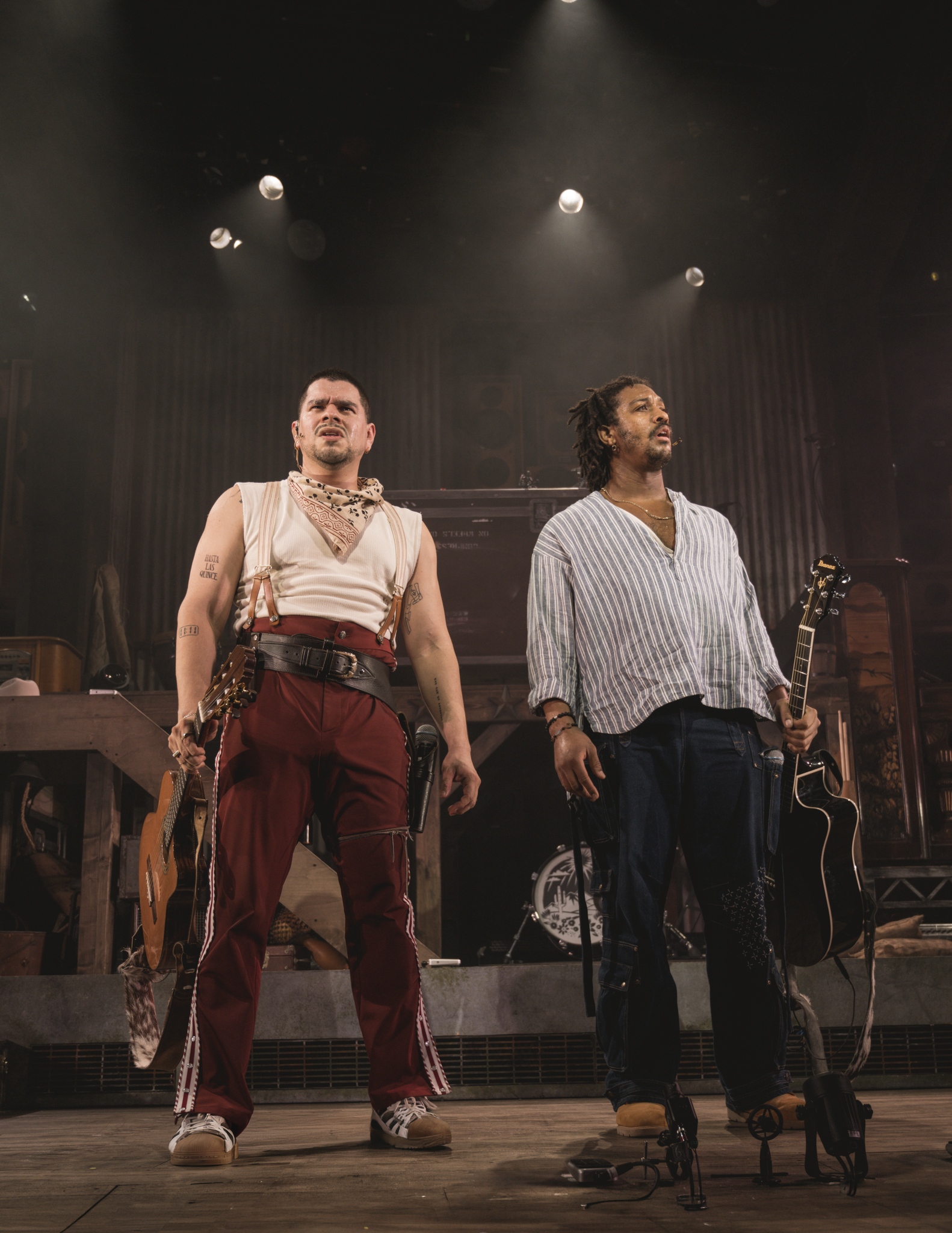
Even today, Black theater continues to uncover histories many Americans have never heard. Mexodus, a two-man musical, tells the little-known story of enslaved people who escaped south to freedom in Mexico. Built from the ground up by its creators, who perform every instrument live, it reminds audiences that there are still chapters of Black history waiting to be sung.
Black musicals don’t just entertain us. They’ve preserved our history, reimagined American classics, challenged Broadway’s conventions and brought new facets of the American experience to life. Every generation has found a new way to tell our stories with stanzas we can gleefully revisit again and again.
Read the complete Our Stage, Our Stories: 250 Years of Black Theater in America:
Act II: Notable Black Playwrights