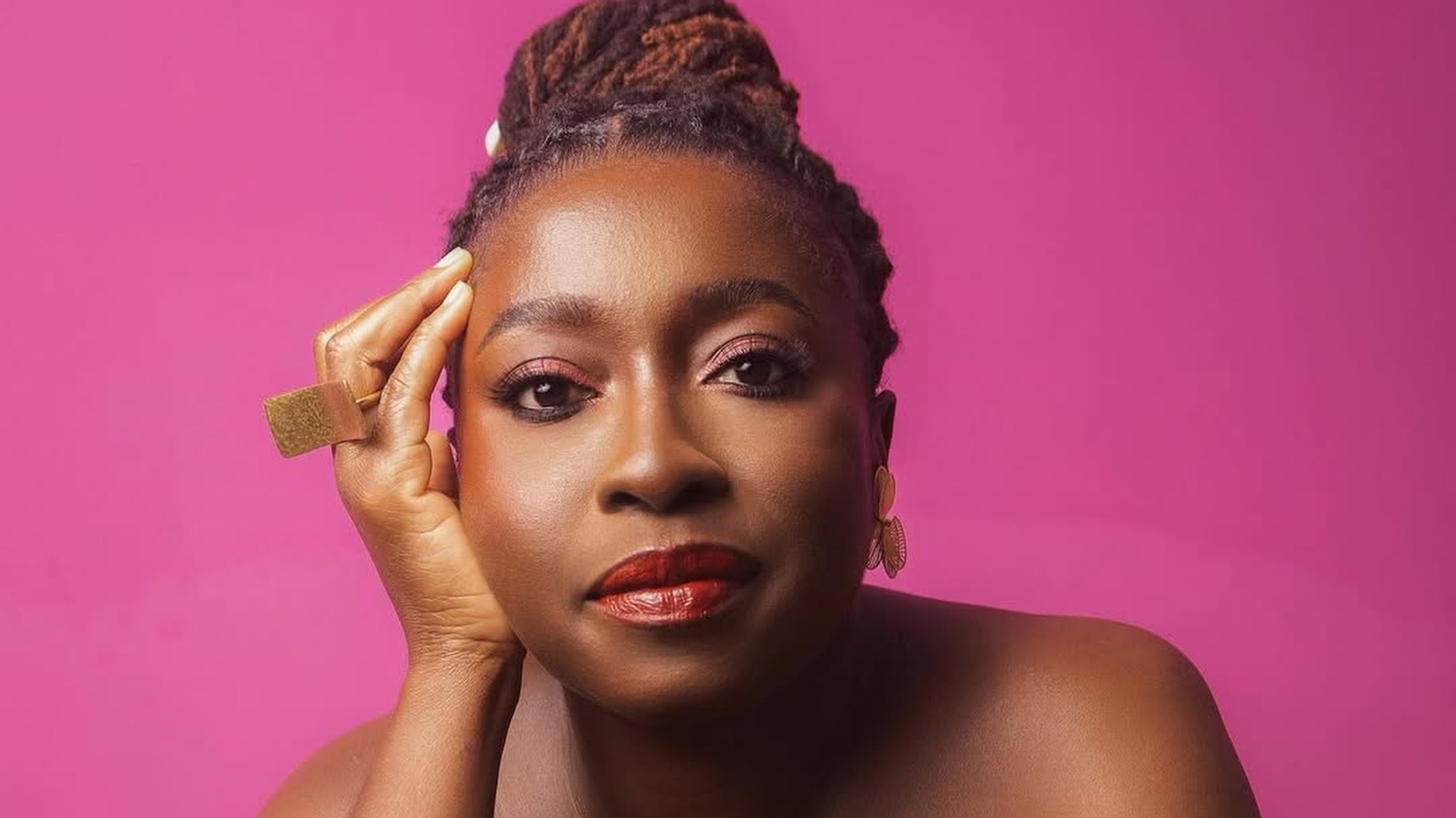
In 2021, Ghanaian feminist Nana Darkoa Sekyiamah published her debut, The Sex Lives of African Women, to notable acclaim. If that book chronicled the contemporary sexual journeys of African-identifying women around the world, her sophomore project out this March, Seeking Sexual Freedom: African Rites, Rituals, and Sankofa in the Bedroom, regards the past as a guide in shaping the prospects and sexual futures of African-descended people.
“The concept of Sankofa, which comes from Akan philosophy, says to go back and take the good things from your past,” Sekyiamah says. “In thinking about how we get sexually free in the here and now, I was also thinking about our own traditional rites and rituals, which I think hold space and seeds of possibilities for our freedom.”
Sankofa is key to understanding the principal ethos in Sekyiamah’s approach to Seeking Sexual Freedom. Headed by this philosophy, the book’s Part One elaborates on the formalized practices various pre-colonial African civilizations produced to impart knowledge on sex, sexuality, and gender.
Many societies had puberty rites for example, marking the shift to adulthood, often distinguished by gender. In Ghana, Sekiyimah writes that among the Krogo-Dangme people, girls were initiated into womanhood via rites known as Dipe, where they learn the proper responsibilities of homemaking. Traditionally, in the subsequent ceremony that honored their evolution after several months, if not years of instruction, the young women, bare-breasted in the top half of their bodies, wore undergarments in their bottom half known as subues, the latter an “erotic” garment preempting sexual pleasure in their expected forthcoming marriages.
Beyond ritualized ceremony, Sekyiamah also cites the presence of official roles in families that were sanctioned for a girl to understand sex. For the Buganda people in Uganda, customarily, when a girl begins to come of age, she begins to spend more time with her ssenga. A ssenga is a girl’s paternal aunt whose role is tantamount to a “sex auntie,” as Sekyiamah characterizes it, with a mandate to teach her niece about sex, sexuality, and consult on all significant life events pertaining to womanhood.
Whether in endorsing instruction in these rites or formally designating instruction into a role, Sekyiamah illustrates these traditions demonstrated the importance of sexuality edification in pre-colonial African societies.
“There was an intentionality about educating young people about their bodies…about the transition from adolescence to adulthood that we don’t have today. And I feel like that’s a loss,” Sekyiamah says.
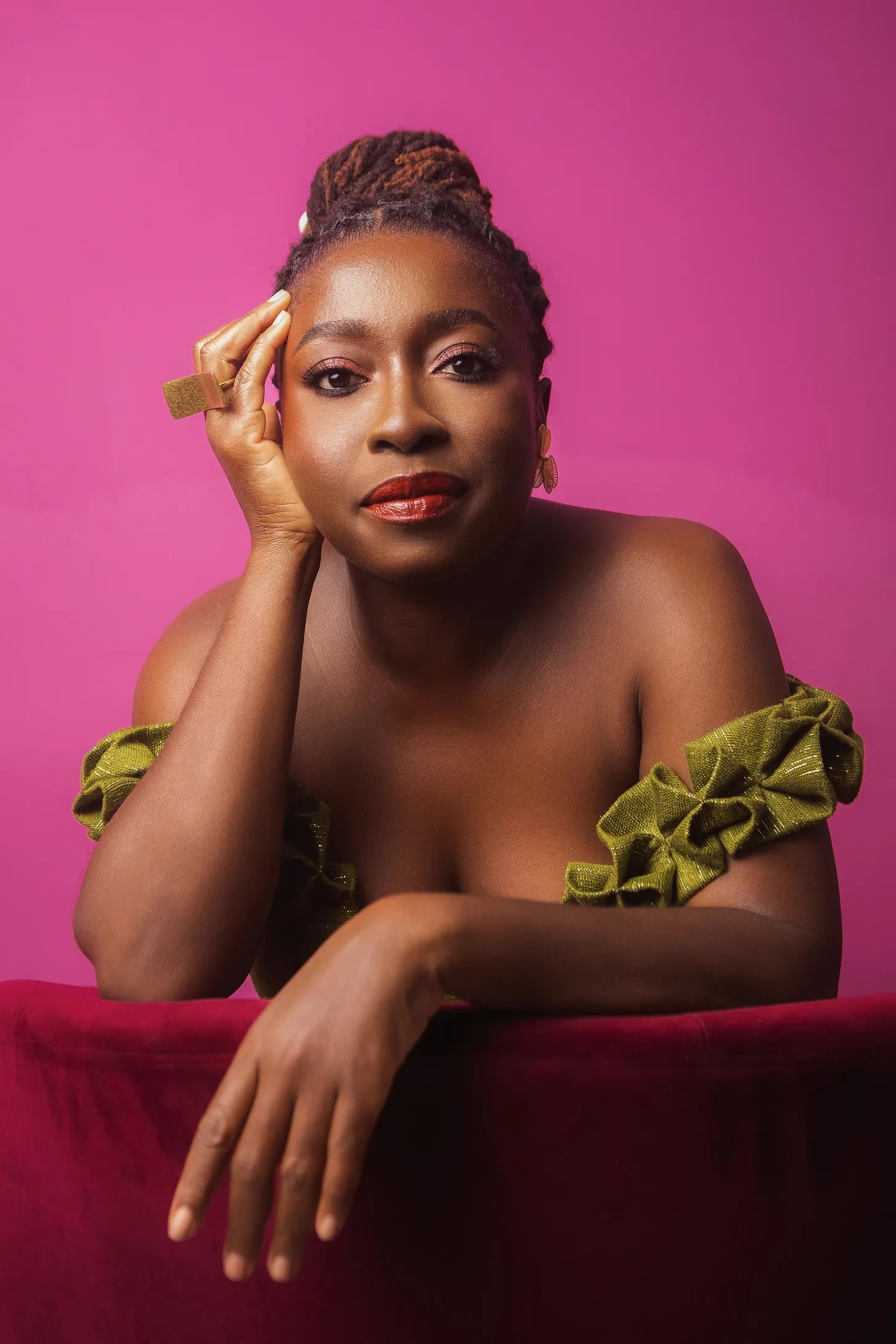
That loss, Sekyimah writes in Seeking Sexual Freedom, is due to both “modernity” and the prevalence of Africans no longer practicing their traditional religions and spiritualities. The latter, as detailed in the research she cites in the book, afforded many precolonial Africans an understanding of sex beyond monogamy, heteronormativity, and outside of the conventions decreed by Christianity and Islam, the prevalent religious faiths practiced across the African continent today. In Sekyimah’s rendering of various traditional African societies, pleasure was a principal.
As was gender fluidity and a wider conception of marriage and family arrangements beyond the binary, heterosexual models we use today—and that we now claim as convention.
Importantly, Sekyimah isn’t penning a monolithic account about African civilizations and their practices but rather, specific ones. In Senegal she discusses the use of waist beads known as “tothie khour” in Wolof, as a way to stimulate men’s sexual pleasure; in Benin, she learns about the sexual spiritual connections and fluidity that allow for LGBTQ identities to prevail among Voudoun practitioners. More than her posture towards showcasing this plurality,
Sekyimah states their limitations—often patriarchal ones—and in Part Two of the book, she argues that we ought to advance these philosophies and practices, utilizing a feminist lens and, when needed, queering them. This is what she means in her call for a feminist Sankofa.
The world has changed. We can’t do things the way our ancestors did,” Sekyimah says. “We need to create new rituals and rites to suit who we are, to suit the parts of the world we live in, and to suit our current realities.”
Some of the new rituals Sekyimah proposes in the the book are both communal and individual—and many involve stretching the bounds of our imagination, often policed by our comnteporary mores. With practical exercises and prompts, Sekyimah counsels the reader to detail their own self-pleasuring for example, or to seek succor from sex workers who may broaden their sensuality and sexual tastes. She also encourages recreating puberty rituals within your own communities, investigating partnership beyond monogamy, and intentionally establishing sex-positive spaces, more necessary perhaps in different parts of the world that have become more politically and religiously conservative since her debut was published.
This shift, Sekyimah concludes, should not deter us from crafting the work of liberation, which necessitates sexual liberation.
“Sexual freedom is really about knowing yourself, and part of that would be recognizing where you are on the sexuality spectrum and protecting your boundaries,” she says. “It’s really about figuring out what works for you, and it’s also about recognizing that what works for you today might not work for you tomorrow.”