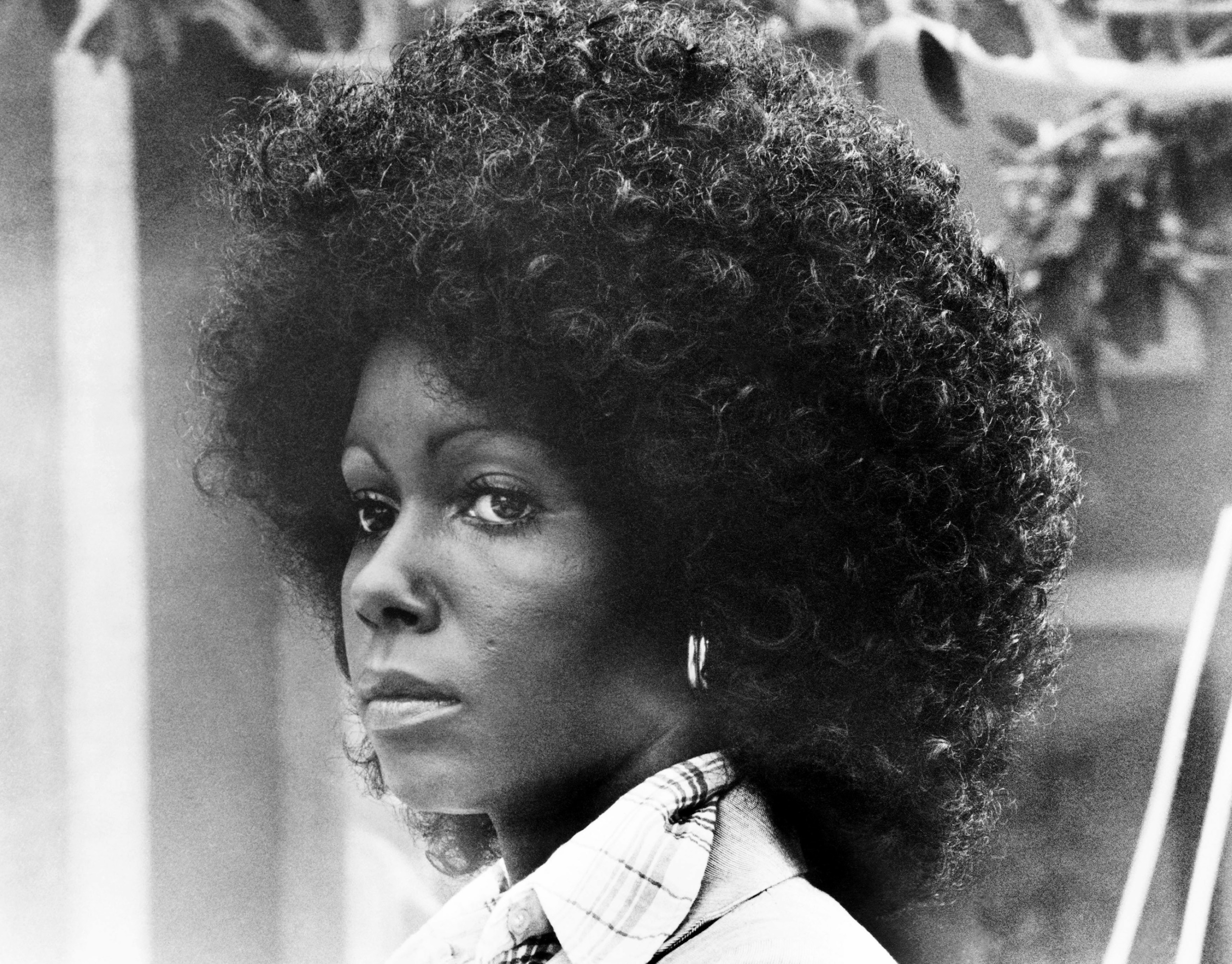
In 1961, while most 18-year-olds were still figuring out the world, Judy Pace was already being asked to represent it.
She was the youngest model ever selected for the EBONY Fashion Fair’s national tour — Eunice Johnson’s traveling cathedral of Black beauty, which drew thousands of Black women and young Black girls to arenas and ballrooms across the country at a time when mainstream fashion barely acknowledged their existence.
A brown-skinned beauty, Pace presented so deliberately and performed so thoroughly that the industry had no choice but to take notice.
She was an L.A. girl. Her parents had come west from Mississippi; her father an airplane mechanic, her mother a dressmaker who built and ran Kitty’s Place, said to be the largest Black-owned ladies apparel shop west of the Mississippi — where Nichelle Nichols, Sarah Vaughan, and Maria Cole, wife of Nat King Cole, were among the regulars. But Kitty’s clientele extended well beyond celebrity.
Every Thursday, the shop would close at five and reopen at seven. “Female impersonators and men who like to dress up in women’s clothing would come to the shop,” Pace recalled in an interview with The Actor’s Choice, “having flown in from Chicago, New York, and elsewhere. She designed for them, made them feel free — and it was wonderful.”
Kitty Pace built a sanctuary and called it a boutique, and she passed her philosophy directly to her daughter: “We come here the way we come here. And that’s it.”
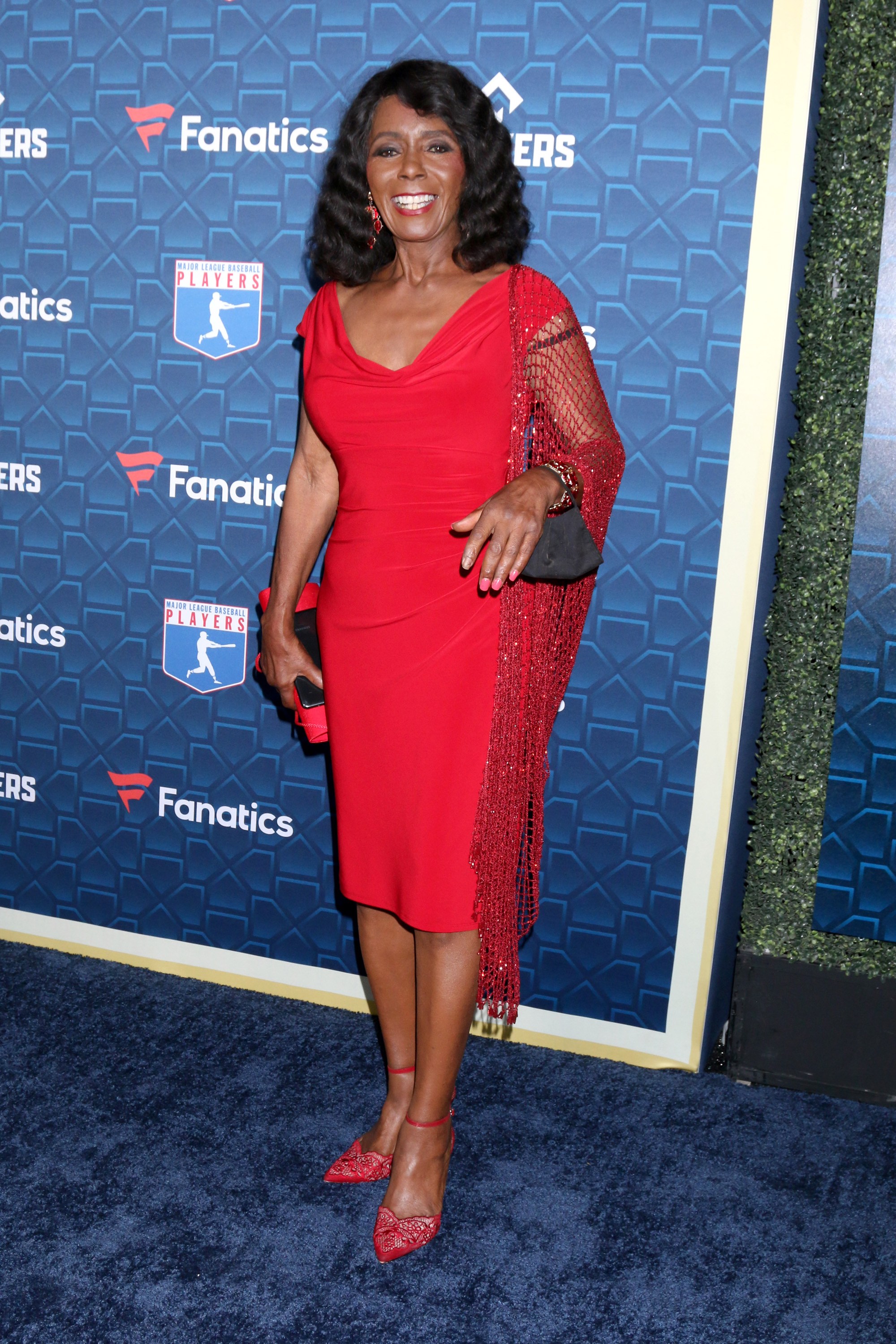
Judy Pace grew up inside a household where Black women made things, ran things and dressed other Black people with intention — regardless of who they were or how they arrived. She attended Dorsey High School and Los Angeles City College, where she studied sociology; a discipline that would serve her far better than any acting class.
She had no aspirations for film or television until director William Castle saw her image in EBONY magazine and cast her in 13 Frightened Girls in 1963, making her the first Black actress signed to a major motion picture studio contract. She hadn’t been looking for Hollywood. Hollywood came looking for her.
Nearly two decades before Diahann Carroll’s self-described “black b*tch” Dominique Devereaux arrived on Dynasty, Judy Pace became the first Black villainess on American primetime as Vickie Fletcher on Peyton Place in 1968. “I had a ball playing the manipulative, cheating, backstabber who ruins the life of everyone who crosses her path,” she said. “Before then, no other actress of color had been given such a challenge.”
Playing complicated on network television as a Black woman in that era was not performance. It was resistance.
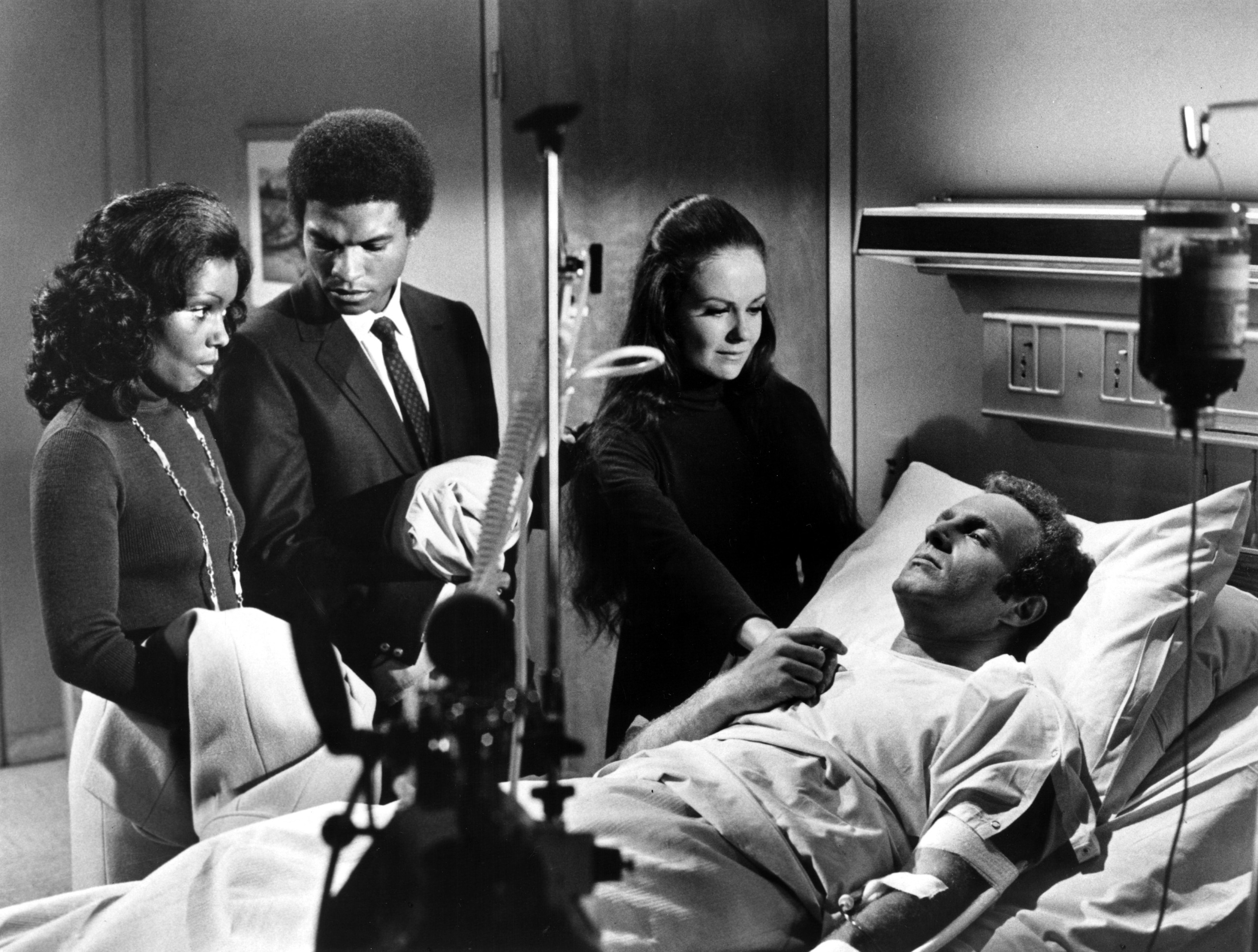
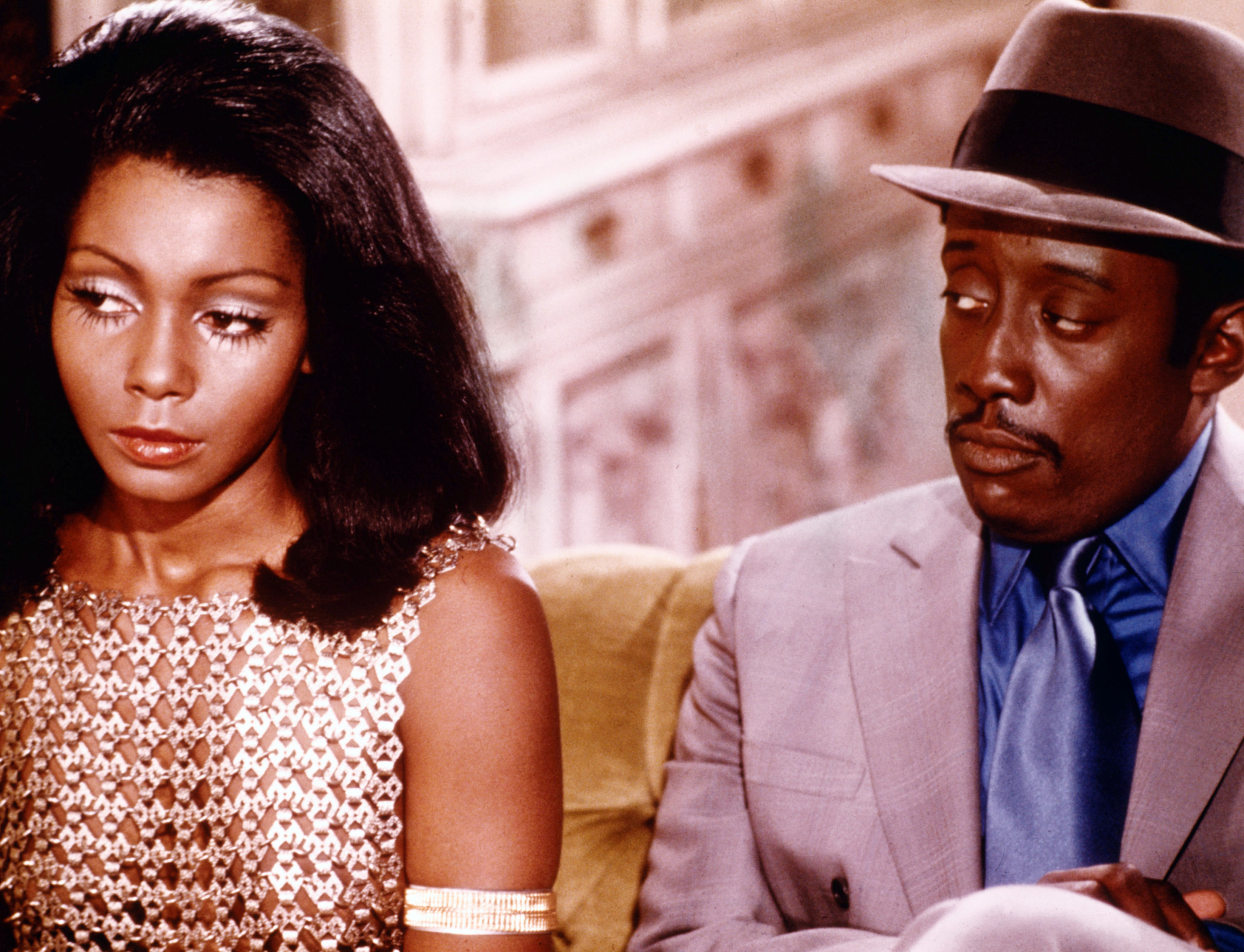
She was the first Black woman to appear as a bachelorette on The Dating Game. The first model in a continuing Pepsi campaign, and she was a mainstay in Fashion Fair Cosmetics advertising. The NAACP awarded her its Image Award for The Young Lawyers in 1970. She gave us Cotton Comes to Harlem. She gave us Brian’s Song — seen by an estimated 50 to 60 million viewers in a single 1971 broadcast, still one of the most-watched television films in American history.
“Being an African American girl, we had to sing, dance, act and do comedy,” she once said. “You had to go there with a full plate.”
She married actor Don Mitchell in 1972, and they had two daughters — attorney Shawn Pace Mitchell and actress Julia Pace Mitchell. After their 1984 divorce, she married baseball revolutionary Curt Flood in 1986, spending the years following his 1997 death as the most committed keeper of his legacy. She co-founded the Kwanza Foundation alongside Nichelle Nichols — a woman she had first encountered, decades earlier, inside her mother’s shop.
Judy Pace died peacefully in her sleep on March 11, 2026 while visiting family in Marina Del Rey. She was 83.
The history of Black models, Black film, and Black fashion has too many women like her — indispensable, under documented and only fully celebrated at the end. This is not a eulogy. It is a correction of the record, a naming of the doors she opened, and an insistence that the young woman who walked the EBONY Fashion Fair circuit and refused to be ignored be understood for exactly what she was. “I hope there are ripples of change that I have caused by helping others,” she said.
Judy Pace is not a footnote. She is a foundation.
Isoul H. Harris is a contributing writer and former Contributing Executive Editor at EBONY.