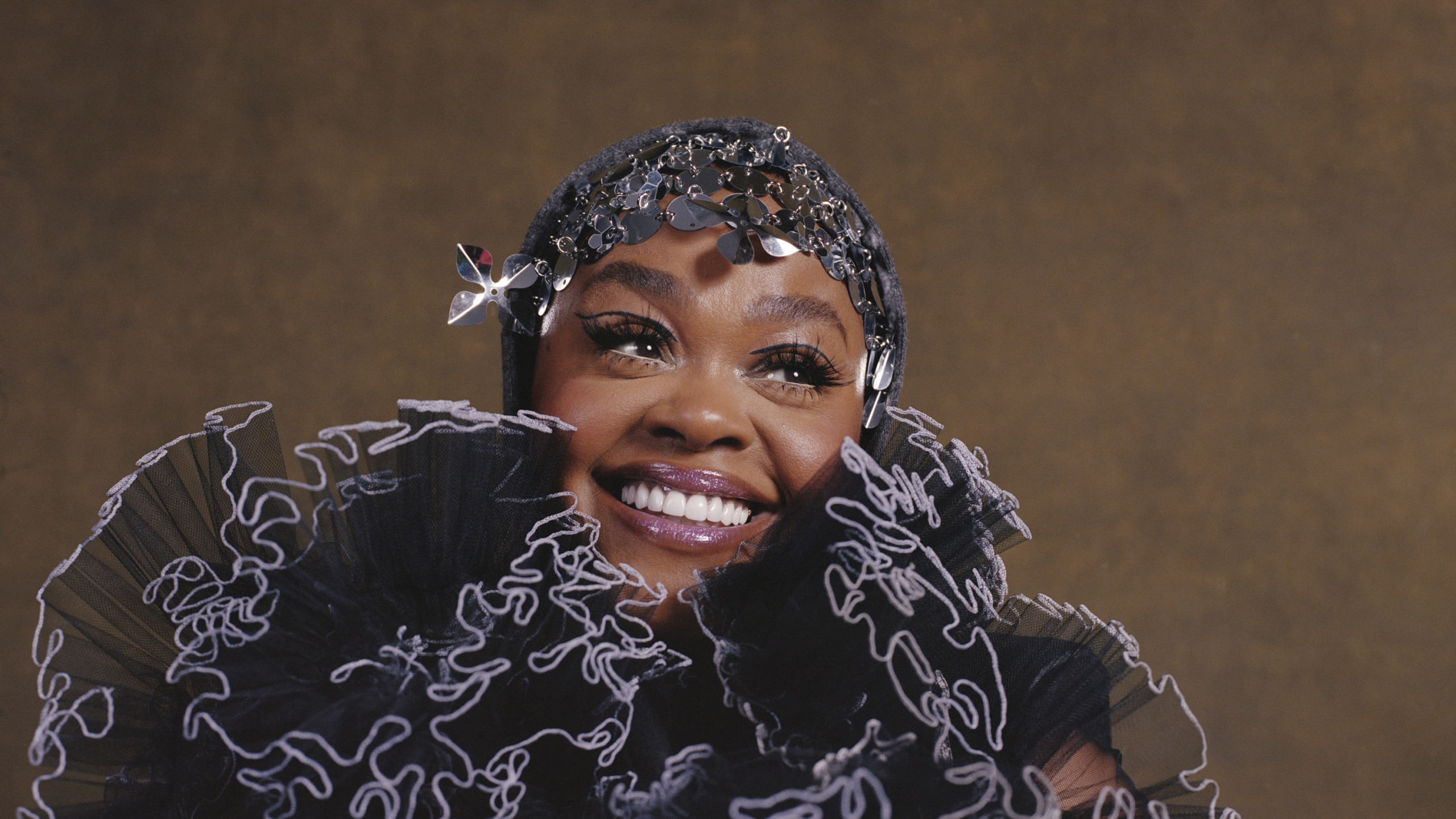
There is a moment in conversation with Ms. Jill Scott when I realize Jill Scott has no interest in staying the same. “We’re not stuck,” she says plainly. “You can absolutely change who you are or who you’ve been. There’s no box around you.” For an artist whose career has stretched across decades — from the sensual and self-possessed first statement of Who Is Jill Scott? to the layered experimentation of her latest album To Whom This May Concern — she sounds less interested in reinvention and more invested in expansion.
“We’re flawed, so flawed,” Scott told EBONY. “We’re just people trying to figure this thing out. One thing you don’t have to do is try to figure out the same thing over and over again. That’s insanity. Make some changes. Make some choices.”
Those choices define this era of Jill Scott. Her new album feels urgent without panic; sensual but reflective, politically aware yet deeply personal. It sounds like a woman who has edited her life with intention. “I’ve cut some people off because they do not serve my purpose,” she said. “It doesn’t have to be a big thing. I’ve already talked to you. And that’s enough. It makes room. Like when we clean out our closets. We make room for something dope.”
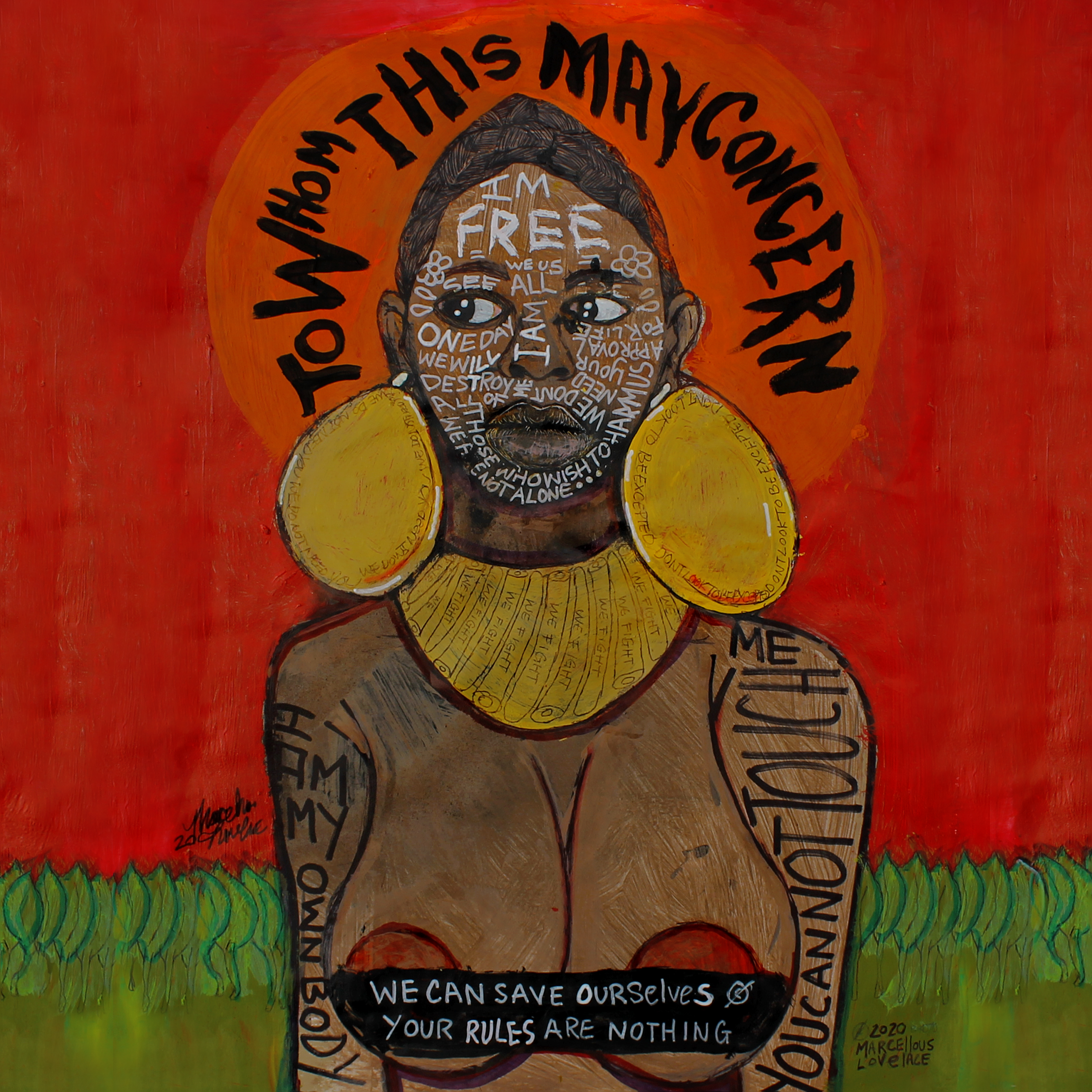
That metaphor becomes a thesis. Scott knows who she’s been and who she is; now, she’s deciding what still fits. “I’m an amalgamation,” she said, citing influences that range from Phylicia Rashad’s grace to Vanessa del Rio and Millie Jackson’s unabashed sexuality, to the literary brilliance of Jayne California Cooper. “Why shouldn’t I be myself?”
That selfhood stretches across geography and genre. The album moves fluidly through regional Black sounds and textures — hip-hop, blues, go-go, house, funk-inflected warmth — without sounding archival. For Scott, Black music is a lived experience. Scott resists the idea that money or surface-level success is the ultimate marker of fulfillment. “Money is good,” she says. “I like to keep it. But that’s not all of living. It’s a lot of rich, lonely people. A lot of rich, angry people.”
Instead, she speaks about expansion — emotional, intellectual, spiritual. “We have the capacity to grow in every direction,” she said. “You want to be soft? Watch a movie in French and read it. You’re tired of being fearful? Learn how to fight. There are no boxes.” That philosophy surfaces powerfully on “Pressha,” one of the album’s most layered records. The song simmers as sensual and tense, romantic and heavy.
“It’s sexy, but it’s also so sad,” she said. “The pressure could be in your workplace, within your family, within your religion, within the country you live in. It’s so much pressure to appear.”
Scott is especially attuned to the pressure young women feel to define themselves by surface-level affirmation. “I’ll tell a young woman she’s gorgeous,” she said, “and then I’ll ask, ‘What else?’ And that normally makes them pause.” The question is deliberate. Beauty is not the ceiling.
“We are not just one thing,” she repeats throughout the interview. On “Pressha,” the pressure becomes romantic. The intoxicating pull of something that feels right but hollow.“Being in the dark is a drug,” she said. “You gotta want more for yourself. It’s so hard to walk away from something that feels so right in the night only.”
It’s the kind of line that lingers much like Ms. Scott’s writing; equal parts confession and warning. Her work has long carried the blues lineage she attributes to women like Billie Holiday and to her grandmother. The tradition of telling the truth about longing, grief and joy without apology. That thread continues here. For Scott, wisdom is something you grow closer to. “I feel closer to wise than I ever have,” she said. “I think it has something to do with my son being almost 17 and the kind of conversations we have.”
Motherhood has slowed her down. It has sharpened her listening. It has humbled her. “My mentors are in their eighties, some in their sixties,” she said. “I always end up feeling just a little dumb every time I talk to one of them. And I think that’s good.” To feel “a little dumb” is to remain teachable. To remain open. To remain unstuck. As the conversation winds down, Scott leaves one final offering. Less a quote and more a directive. “You have permission to make it beautiful,” she said.
It’s a statement that could apply to love, to art, to leaving what no longer serves you. It’s a reminder that beauty, or what we view as such, can be a choice. Before signing off, she shares an exclusive detail: a deluxe version of the album is on the way. Which makes sense. Ms. Scott isn’t finished choosing.