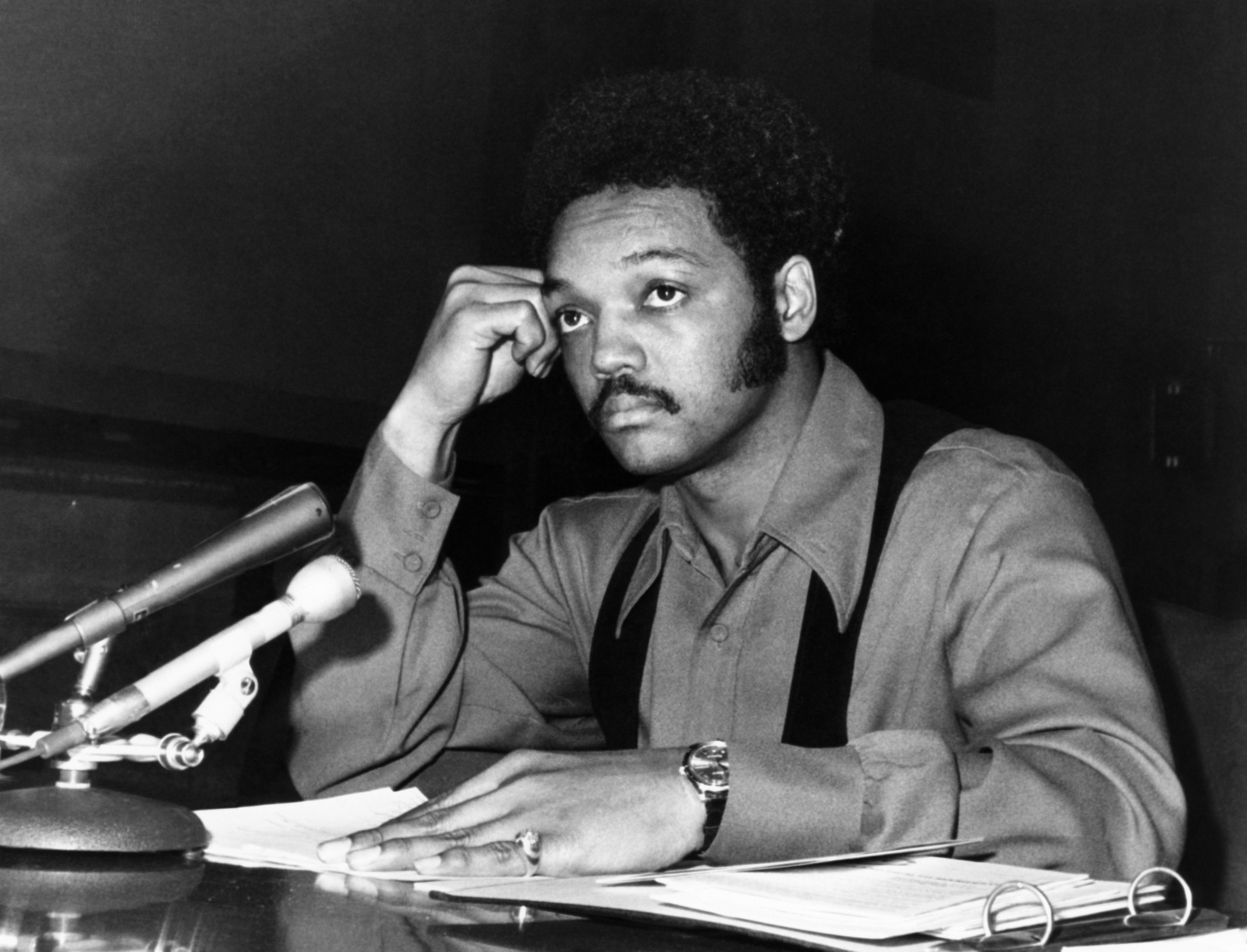
The great unifier, the man who brought Black America into a new identity and collective political force, has died at the age of 84. Reverend Jesse Louis Jackson’s mission was about elevation, dignity, and self-respect. He fought for the rights of Black people whose civil rights continued to be trampled upon. He saw beyond the challenges and sought to equalize the political arena.
Born October 8, 1941, in Greenville, South Carolina, to a teenage mother, Jackson understood early what it meant to navigate stigma and expectation. He was an honor student and class president, earning an athletic scholarship to the University of Illinois, where he transferred to North Carolina A&T, where he joined the Congress of Racial Equality.
In 1962, the young Jackson wrote to Dr. Martin Luther King Jr., critiquing strategy in Albany, referencing Einstein in his letter. Jackson became part of King’s inner circle and participated in the Selma voting rights campaign as a young organizer. After King’s assassination, he continued the work through Operation Breadbasket in Chicago, an initiative that leveraged corporate boycotts to secure jobs and contracts for Black workers.
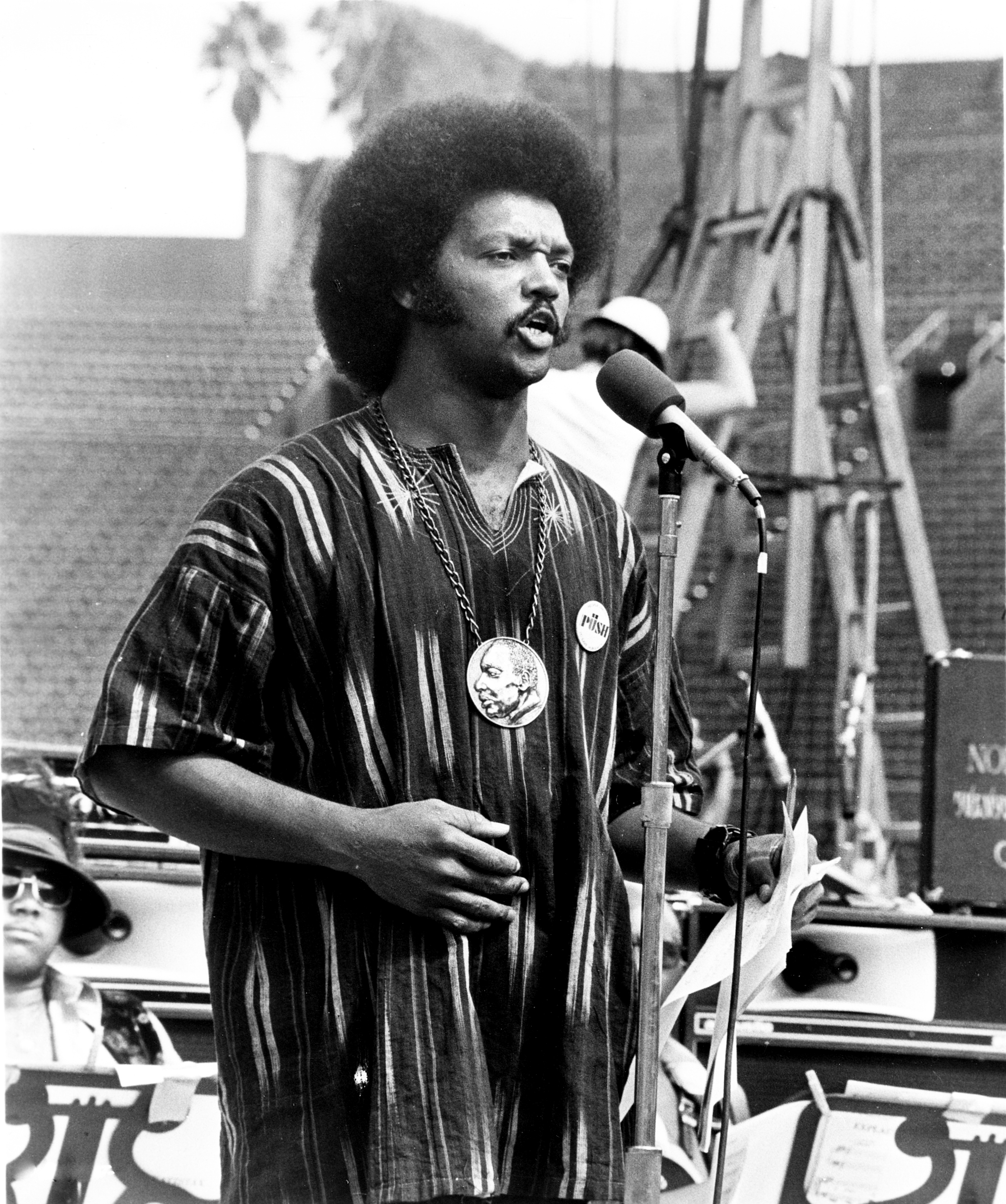
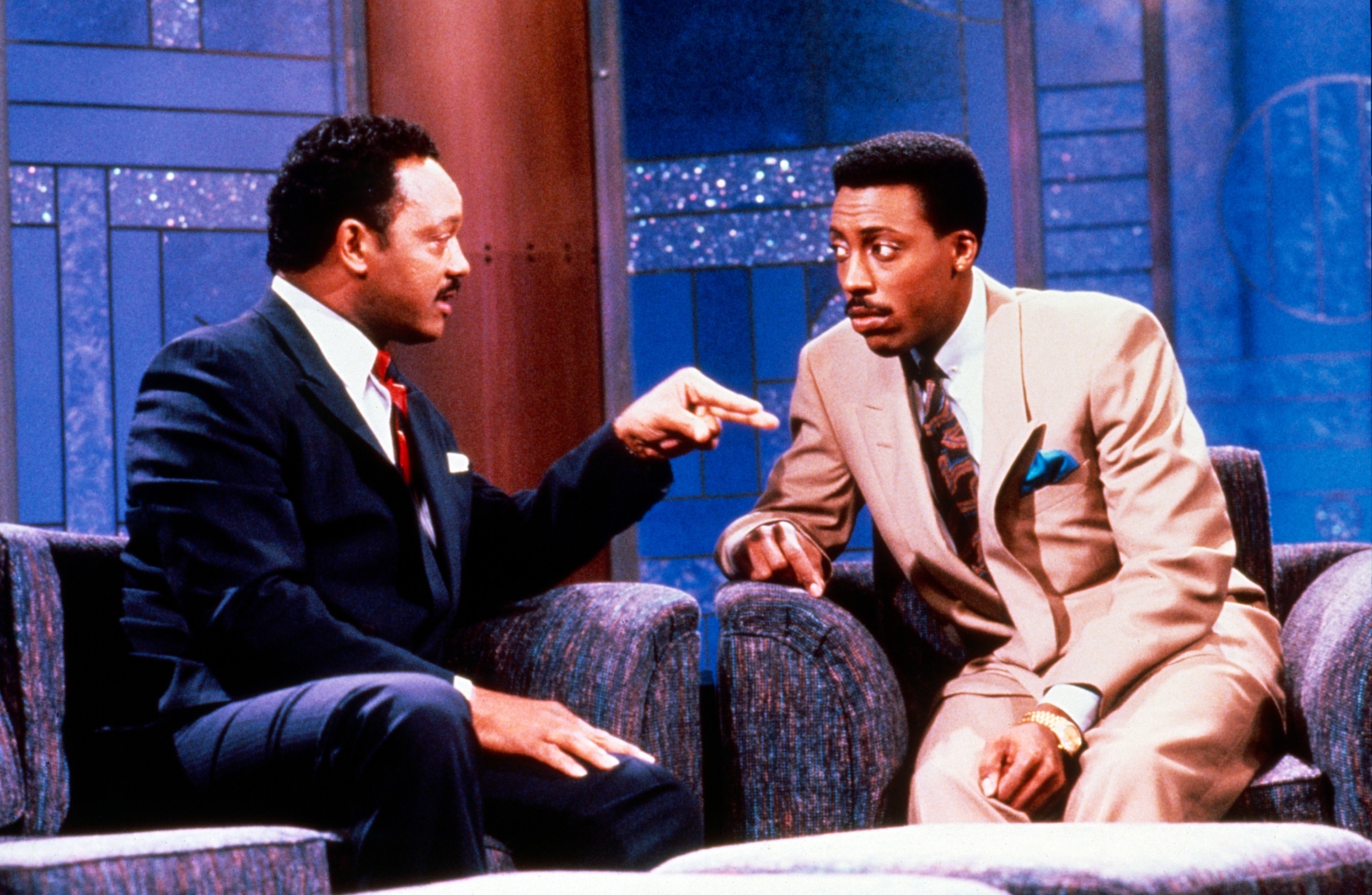
His presidential run in 1984 and 1988 was a bold act that exceeded delegate projections and participation, registering nearly two million new young Black voters. His campaign slogan, “Keep Hope Alive,” normalized the possibility of Black people holding high offices in U.S. politics.
Jackson’s reach extended internationally when he negotiated the release of U.S. pilot Robert Goodman from Syria. In 1991, he traveled to Kuwait and secured the freedom of hundreds of foreign nationals held during the Gulf crisis. President Bill Clinton appointed him special envoy for democracy in Kenya in 1997 and awarded him the Presidential Medal of Freedom in 2000.
In 1988, Jackson publicly advanced “African American” as a preferred term for Black Americans, arguing its historical and cultural relevance. Through the Rainbow PUSH Coalition, Jackson created a system which provided political access and economic leverage—priorities which advanced the agenda of the Black community.
Reverend Jesse Jackson’s contributions to American politics yielded results which affected voter rolls, the face of executive leadership, and diplomacy. What he stood for—unity, dignity, forward motion—remains part of the nation’s history. Never forget, “I am somebody!” — the inspirational Reverend Jesse Jackson.