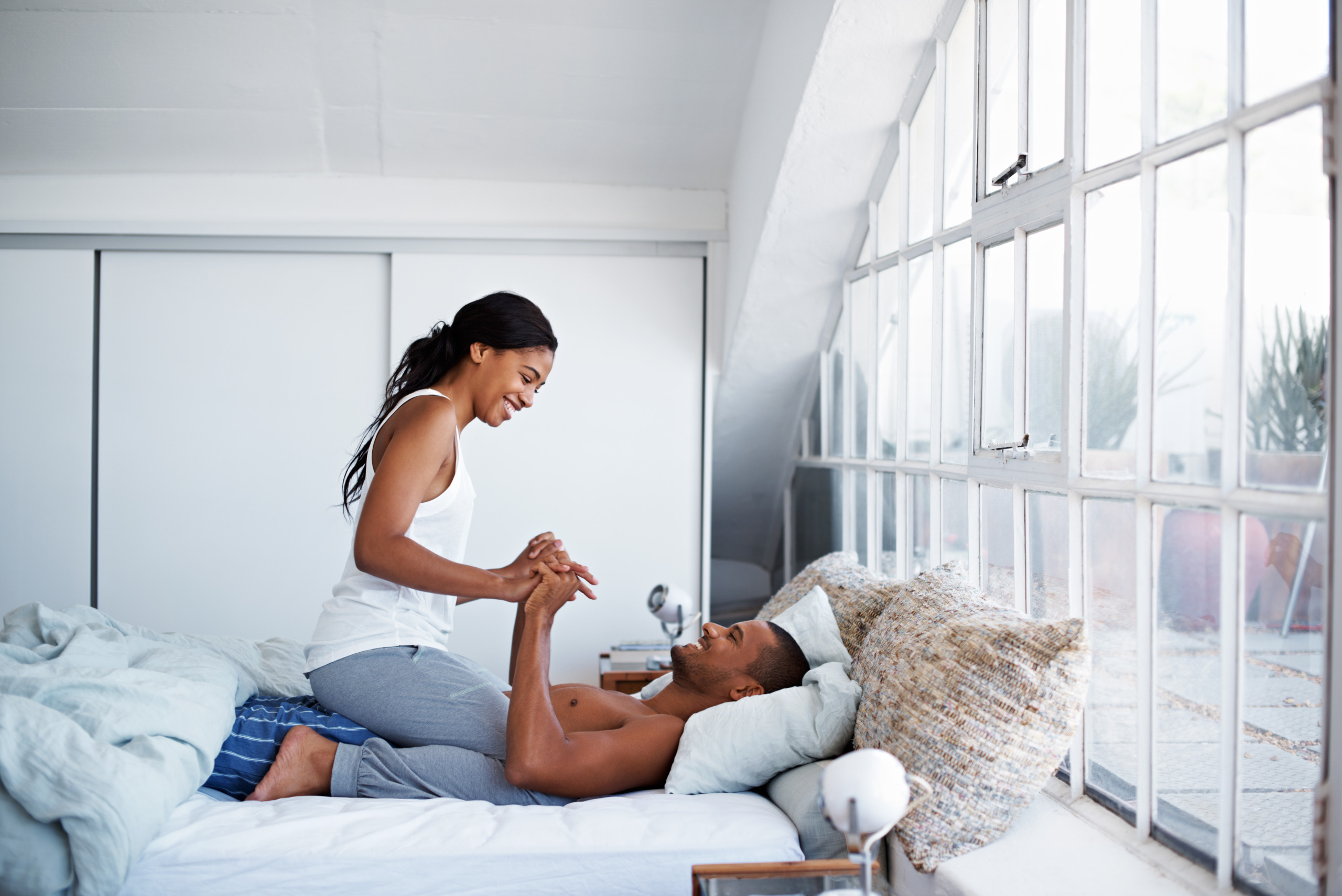
We’re quickly approaching spring, which is usually a time for renewal for our homes, closets, routines, and even our sex lives. If you’ve been feeling apathetic towards your sexual routines, perhaps it’s time to switch things up a bit! However, you may not know where to start.
Luckily for you, we’ve tapped Nikquan Lewis, intimacy coach and sex expert, to inspire and help you to get your groove back in the bedroom and beyond. She believes that when we talk about sex trends, people tend to expect new positions or viral bedroom shenanigans. “While bedroom shenanigans are fun, 2026 isn’t just about being freakier. It’s about being freer. And true freedom in your sex life starts with feeling safe in your body and secure in your relationship,” Lewis states.
She continues, “What I’m seeing clinically and culturally is that Black women and couples are tired of living in survival mode within their relationships. They want intimacy that feels safe. Pleasure experienced in the mind, body, and soul. Sex that feels connected, not performed.”
Here are the sex and intimacy trends to try in 2026, according to Lewis:
Emotional Foreplay Over Physical Foreplay
It’s important to understand that if the mind isn’t turned on, the body won’t follow. In 2026, emotional foreplay is the real seduction. It’s not just candles and your favorite R&B playlist from the 90s; it’s consent, boundaries, and intentional connection that make someone feel safe enough to give you their body.
That means:
• Asking, not assuming
• Respecting a “no” without a protest
• Talking about what’s off-limits and what’s on the fantasy list
• Repairing arguments instead of dragging tension into the bedroom
• Flirting with intention throughout the day, such as sending a sexy voice note or text, a flirty picture, or eye contact that communicates what time it is
When someone feels emotionally secure, knowing they won’t be judged, rushed, or shamed, their body responds differently. Breath slows. Guard drops. Heat builds. Exploration increases. We’re not just focusing on “getting in the mood” anymore. We’re creating the space for it.
Why It’s Trending
People are tired of disconnected sex. After years of burnout, therapy culture going mainstream, and more awareness around trauma and attachment styles, folks are realizing that desire isn’t just physical, it’s psychological and emotional. Resentment, stress, and unresolved conflict are libido killers. Emotional safety is finally being recognized as foreplay, not an afterthought.
Why It Will Last
Because safety is foundational, as more people connect mental health to sexual health, emotional foreplay won’t feel optional; it will feel necessary. When someone experiences sex rooted in trust instead of tension, they don’t want to go back to performance. And this year, safety isn’t boring, it’s a turn-on.
Soft Life Intimacy
The “soft life” conversation has officially entered the bedroom. Soft life intimacy is slow, intimate, and connected. It prioritizes rest, eye contact, touch, and breath. It isn’t rushed or transactional.
Some Black women are questioning why strength has meant tension, hyper-independence, and sexual self-sacrifice. Why being “good in bed” meant overgiving. Why does pleasure feel like something to earn instead of experience? Softness regulates the nervous system, and bodies that are regulated experience more pleasure.
Here are some examples:
• Saying “I need gentleness tonight” and being met with care
• Letting go of the pressure to prove you’re worthy through overgiving or overperforming, and finally allowing yourself to be emotionally open, tender, and real without bracing for rejection.
• Receiving pleasure without feeling like you have to give something back immediately
• Not always pushing through exhaustion just to be “a good partner.”
• Being able to cry, laugh, or exhale in your partner’s presence without judgment
• Making decisions that reduce stress inside the relationship, not add to it
Soft life intimacy is when your relationship feels like a place your nervous system can rest. It is a partnership that restores you rather than drains you.
Why it’s trending:
Because we are tired. Tired of having to be strong. Tired of carrying everything. Tired of sex that feels like another task to complete. The cultural shift toward rest, boundaries, and emotional safety isn’t stopping at careers and friendships; it’s showing up in intimacy, too. People want a connection that doesn’t feel like pressure.
Why it will last:
Because softness fosters sustainability, when intimacy feels safe, unhurried, and prioritized, desire becomes consistent rather than forced. Couples stop chasing intensity and start building trust, which is what keeps attraction alive long-term. In 2026, more people are choosing intimacy that feels like an exhale, not performance.
Conscious Edging
Edging isn’t new at all, but the intention behind it is shifting. Conscious edging is extending arousal, experiencing pleasure to the limit, while staying fully present in your body and not thinking about your to-do list, and not performing. Not rushing to the finish line just to say you finished. It’s slowing down and letting pleasure build without immediately chasing release.
Why it’s trending:
We live in a culture of fast everything and immediate gratification; fast scrolling, fast dating, fast sex. Add in porn-influenced performance pressure, and many people have trained themselves to rush pleasure instead of experiencing it. Conscious edging pushes back against that. It teaches presence, patience, and control over impulse instead of being controlled by it.
Why it will last:
Because it increases awareness and depth, this practice builds stamina, body awareness, deeper pleasure, and stronger orgasms. When done intentionally, not compulsively, it transforms sex from a quick release into a sensual, explosive experience. Once people realize that slowing down intensifies pleasure, they stop racing toward the finish line.
Intimacy Outside the Bedroom
Couples are redefining what intimacy actually means. It is not just sex. It is shared routines. Intellectual connection. Flirting throughout the day. Physical affection that does not have an ulterior motive. It is the way you greet each other when you open your eyes—the eye contact across the room. The “I got you” energy and action when life is heavy.
Intimacy is not just what happens when the lights go off. It is what happens all day long. Intimacy outside the bedroom is about staying connected on purpose, so sex feels like a continuation of closeness, not a last-minute attempt to fix what’s been ignored.
It can look like:
• Checking in with each other after a long day and actually listening instead of multitasking
• Protecting time for each other the same way you protect deadlines
• Apologizing and repairing quickly instead of letting silence stretch conflict for days
• Being affectionate without it automatically meaning sex
• Speaking about your partner with respect when they’re not in the room
• Creating rituals that belong to just the two of you
Why it is trending:
Because people are tired of having technically good sex and emotionally empty relationships, they are realizing that toys cannot fix distance. Positions cannot fix the disconnection. You cannot starve a relationship of attention all week and expect fireworks on demand. Couples want depth now. They want to feel chosen every day, not just desired in the bedroom.
Why it will last:
When intimacy becomes a lifestyle rather than just an act, everything changes. The pressure drops, performance fades, and the connection feels authentic rather than forced.
Desire grows where people feel seen consistently, not just sexually. In 2026, more couples will understand that if they want better sex, they should build a better connection long before anyone takes anything off.
Pleasure as Liberation
More Black women are waking up and realizing we were never supposed to live pleasureless lives. We were conditioned to survive first. Serve second. Silence ourselves last. And then the world calls that strength. We were praised for being everything to everybody and disconnected from our own bodies at the same time. Now women are saying something different. Pleasure should not be something we earn after exhaustion. It’s not a bonus after sacrifice. It’s not selfish, and we deserve it. It is our birthright.
Why it is trending:
Women are prioritizing their wellness. We are starting to see how trauma shaped our relationships, how shame shaped our libido, and how survival mode shaped our definition of love. And once that awareness hits, you can’t unsee it. Black women, especially, are tired of being celebrated for endurance and punished for softness. We are tired of high-functioning burnout being mistaken for empowerment. We want liberated pleasure now.
Why it will last:
Because this trend is not about aesthetics, it is about healing the nervous system. It is about generational interruption. When women learn how to feel safe in their bodies, how to ask for what they want, and how to choose partners from clarity instead of trauma, everything shifts. Relationships shift. Families shift. Legacies shift. Surface-level sex cannot compete with embodied intimacy. And once someone experiences connection without shame, they are not going back to performance.