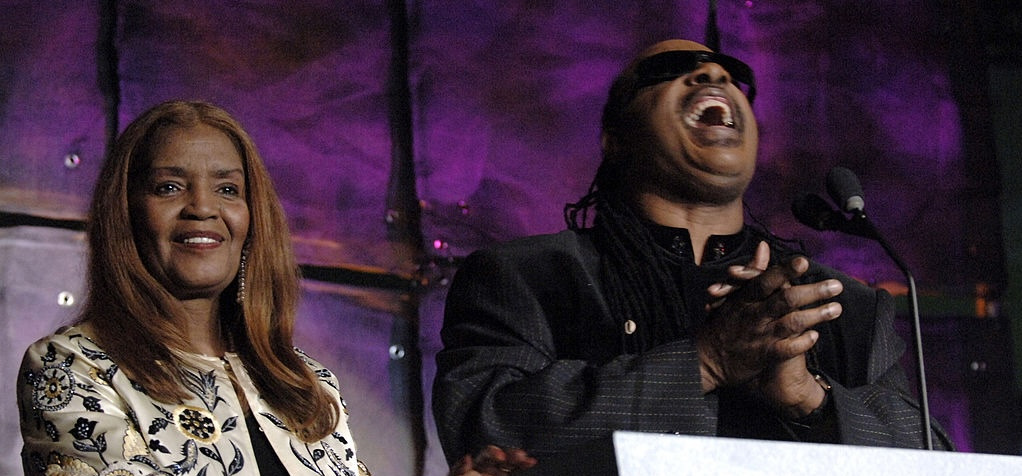
With the Michael movie just a few weeks away, Next Gen is about to discover the genius of Motown—the Detroit hit machine that defined Black music. And while legendary producer Suzanne de Passe was guiding a young Michael Jackson, another woman was already making quiet but powerful moves behind the scenes at Motown: Sylvia Moy.
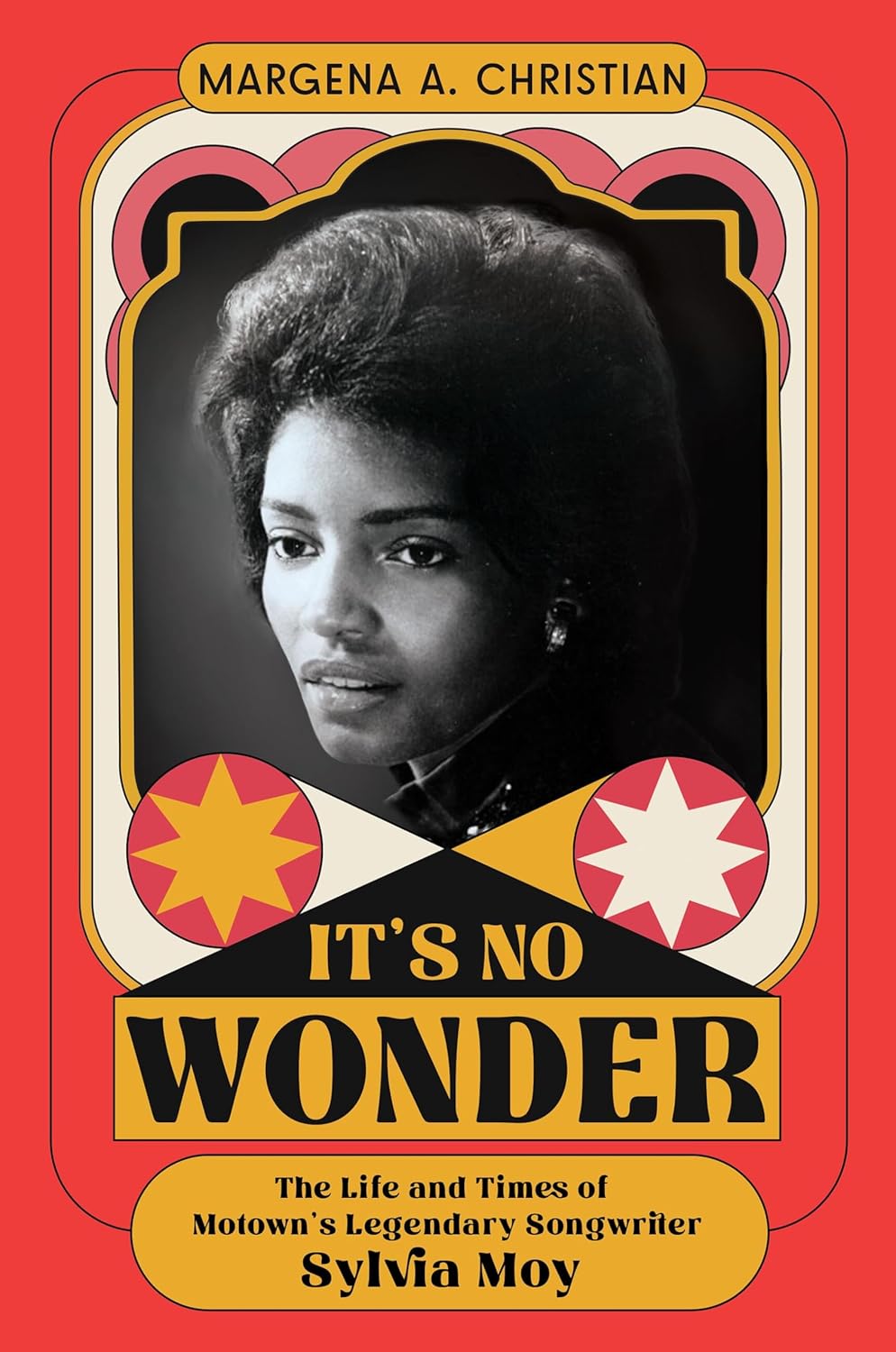
In IT’S NO WONDER: The Life and Times of Motown’s Legendary Songwriter Sylvia Moy, author Margena A. Christian spotlights Moy’s rise as one of the only women in Motown’s male-dominated system who was writing and producing for legends like Stevie Wonder, Marvin Gaye, and Martha Reeves. From fighting to be taken seriously to literally saving Stevie Wonder’s career, Moy wasn’t just in the room; she changed the way the game sounded.
In this exclusive excerpt, Dr. Christian unpacks the moment that changed everything for Moy and helped rewrite Motown history.
Sylvia longed for this kind of autonomy—and she remained on the lookout for any opportunity that might present itself.
At Motown’s weekly producer meetings, Mickey Stevenson would routinely go down the roster of artists and hand out assignments to the in-house producers, though as Sylvia later clarified, “For a while there, it was about seventeen men producing and one woman—me.”
Though she technically had the same title as her male peers, it was assumed that Sylvia would never be given an assignment of her own, and that she would instead write under one of her male counterparts.
“I didn’t like this,” she later admitted of the process, “but it was just one of those things.”
However, this all changed during one particular meeting of the producers in 1965.
As usual, Sylvia and her male colleagues were sitting in metal fold-up chairs in Studio A as they awaited Stevenson’s orders. Dressed to the nines as ever, Stevenson diligently handed out assignments to the fellas—but when the meeting was coming to a close, Stevenson realized that he’d forgotten to hand out one assignment. The particular artist hadn’t even really been at the forefront of his mind, due to his lagging career, and Stevenson wondered aloud if anyone would be willing to donate their time instead.
“‘I’m going to ask for volunteers and that’s [for] Stevie Wonder,’” Sylvia recalled Stevenson saying. “He made that announcement and all the guys just turned it down. So he says, ‘Well, I think we’re going to let him go. We’re going to release him. He’s made some money and it’s over for him.”
The meeting was adjourned quickly thereafter. But then, amid the bustle of folks walking, talking, and shuffling their feet, and the loud clanking of metal chairs being folded and put away, Sylvia did something she had never done before.
Price: $28
She mustered up the nerve to approach Stevenson and informed him that she didn’t agree with his assessment of Stevie, and “didn’t think it was over” for him. She asked that he be her first assignment under her own name and recalled, “I was begging. ‘Give him to me. Please let me have him.’”
To see quiet and soft-spoken Sylvia this fired up about anything—let alone a performer whose career was on the rocks—was unusual. And so Stevenson agreed that he would go to the quality control board and make a suggestion on her behalf. Later in the day, Stevenson came back and told her, “Sylvia Moy, you got your first production assignment, Stevie Wonder, but I’m going to tell you this: You come up with a hit on him, we’ll keep him. If not, we’ll let him go.”
This was the moment Sylvia had been waiting for.
“The shot to take Stevie when no one else would was her big opportunity, and she had stipulated that she’d do it if she could produce and get the credit,” remembered Raynoma Gordy Singleton proudly. “[And] finally, Mickey gave her the green light.”
“When it came time for people to work with him, everybody had their doubts and droughts. Sylvia didn’t have that,” Stevenson later reflected. “So to me, that’s a natural marriage. She saw some of the natural gifts.” If she felt like she could do something with Stevie’s voice and career that others could not, well, Stevenson was curious to see what might transpire. Ultimately, Stevenson and Gordy were about making money—and if Sylvia thought she could turn Stevie into a chart-topper, they’d let her have at it.
Sylvia was thrilled and itching to show everyone at Motown just what she was made of—but not everyone at the label was as delighted by Sylvia and Stevie’s new pairing. Up to this point, Sylvia had worked alongside Hank Cosby, who then got credit on Sylvia’s projects by default. Hank’s wife, Patricia, recalled that when Stevenson allowed Sylvia to collaborate with Stevie, some producers and songwriters balked. “Hank was the only guy that was willing to work with Sylvia to work with Stevie,” said Patricia. “The other guys were like, ‘Why don’t you just let him go? Why is she trying to hold on to him?’”
No one doubted that Stevie was a skilled musician. “He always had the genius gene. He was efficient on three or four different instruments at the time. But being a genius and getting hit songs are two different things,” said Cornelius Grant, a songwriter, guitarist, and bandleader for the Temptations. The male producers at Motown consequently were hesitant to give any of their own songs to Stevie.
Even so, they weren’t too excited about Sylvia making an attempt. “They didn’t want to see a woman come in there outright and get a song on Stevie Wonder,” explained singer Martha Reeves. “Couldn’t nobody else do that for him.” Reeves reasoned that Sylvia had the patience in this moment to reach inside of Stevie and pull out his untapped abilities. The men, on the other hand, were so focused and busy with their own successes that they didn’t have time to stop and assist someone who’d been mainly struggling up to that point in time.
Though Sylvia was excited and eager, she was also incredibly emotional about the task set before her. When she finally told her dad about the opportunity, she couldn’t stop crying. Her dad told her to pray and to remember that nobody at Motown was bigger than God. “My father was very firm on not holding back or allowing anyone to hold you back on what you could do or could not do,” said Sylvia’s youngest sister, Anita. “He did not believe in that. If there was something that you could do or wanted to do, he felt you had to do it.”
This would be the moment of truth for not just Sylvia, but Stevie, too.
And this new partnership had the potential to make or break them both.
Excerpted from IT’S NO WONDER: The Life and Times of Motown’s Legendary Songwriter Sylvia Moy. Copyright 2026 by Margena Christian. Reprinted with permission of Da Capo, an imprint of Grand Central Publishing. All rights reserved.