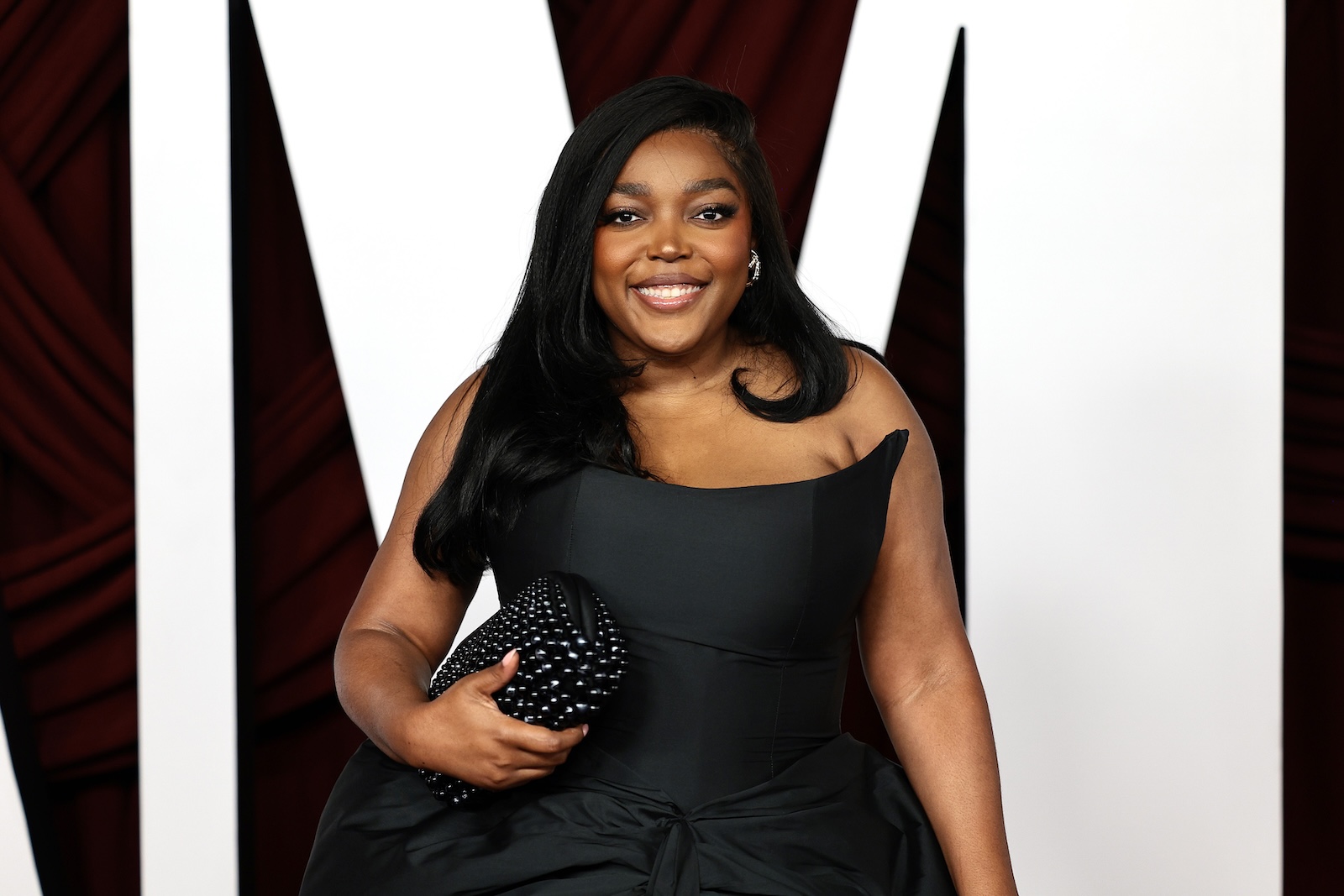
There is something vulnerable about a founder saying, “We’re pressing pause.” Especially after 15 years in the game.
When Anifa Mvuemba, the woman behind Hanifa, shared her public statement announcing a halt on restocks with no clear timeline for what’s next, it didn’t read like a corporate memo drafted between investor calls. It read like a human being catching her breath. “The last season stretched us,” she wrote. Growth in real time. Learning in public. Responsibility expanding faster than infrastructure.
Delays in production from her manufacturers caused customers to experienced delayed shipping. Some didn’t receive dresses in time for weddings, birthdays, vacations. Others felt communication could have been clearer, especially around pre-orders. In the age of overnight delivery and algorithm-fed drop culture, patience feels prehistoric. When you spend your hard-earned money, especially on a piece you’ve emotionally invested in, you deserve transparency and professionalism. Accountability is not hate. It’s consumer literacy.
Social media has been divided. One side argues that if an item is pre-order, then waiting is part of the deal. You’re buying into a limited production model, not a same-day fulfillment empire. The other side says pre-order is fine, but clarity is non-negotiable. If timelines shift, communicate. If there’s a delay, say it plainly. Both perspectives deserve air.
But here’s the piece we don’t talk about enough: capitalism.
Independent Black designers rarely have the venture capital backing, generational wealth, or institutional runway that legacy fashion houses enjoy. Funding disparities are real. Access to credit lines is real. Production minimums are real. Pre-order models are often not aesthetic choices but financial strategies. They allow brands to gauge demand, secure cash flow, and produce responsibly without sitting on excess inventory that could sink the business. Sometimes the very reason a brand can create those sculptural gowns and precision tailoring we celebrate is because production is tied directly to confirmed orders.
That doesn’t excuse poor communication. But it does provide context.
Then came the tailoring debate. Some voices said if something doesn’t fit perfectly, take it to a tailor. That’s fashion. That’s how women have dressed for decades. Others pushed back, calling that mindset elitist. Not everyone has the budget to alter a garment after already paying a premium price. And that tension is real.
But let’s not rewrite history. People were taking department store dresses to tailors in the 90s. Suits got adjusted before interviews. Prom gowns were hemmed. Alterations have long been part of fashion culture. The deeper question is expectation. What did the customer believe they were purchasing? Off-the-rack perfection or a foundation piece?
Customers absolutely have the right to voice their opinions and frustrations online. About shipping. About customer service. About fit once the garment arrives. Ordering clothing online is always a roll of the dice. You trust the size chart. You trust the photography. Sometimes it’s magic. Sometimes it’s not.
But there is a difference between critique and digital dogpiling.
@feeeeesah The Hanifa conversation has taken a turn for the worse. But I’m not surprised because I’m psychic and I saw this coming chile. Plus tik tok operates off of chaos. But through the mess there is valid critique that should be addressed to push this brand to even better greatness. #hanifa #preorder #sale #fyp #springfashion ♬ original sound – Fee
We live in a moment where social media turns customer service complaints into public trials. Screenshots become verdicts. Frustration becomes performance. And for Black-owned brands, the margin for error often feels microscopic. One misstep and the narrative shifts from growing pains to see, this is why.
I’ve watched legacy houses miss ship dates. I’ve seen global brands fumble launches, quietly issue refunds, and move on with minimal think pieces attached to their names. No viral pile-ons. No moral grandstanding. Just business.
So if we are going to hold Black-owned brands accountable, which we should, we have to keep the same energy across the board. The same standards. The same volume. The same nuance.
Real customers get to speak. Real customers get to say this disappointed me. Be specific. Was it the fit. The fabric. The wait time. The communication. There is a difference between this didn’t meet my expectations and this brand is a scam. Tone is the difference between feedback and demolition.
But the people grabbing tiny microphones to rant about a brand they’ve never supported, never purchased from, never championed, simply because the algorithm rewards outrage? Please go get your views somewhere else. Doing piles isn’t cute. Especially not toward a Black brand you weren’t investing in to begin with.
Grace is not the absence of standards. Grace is understanding that scaling is complicated. That viral success does not automatically equal backend infrastructure. That founders are not warehouses. That growth sometimes outruns capacity.
Giving grace does not mean ignoring patterns. It means allowing room for correction. It means acknowledging that building something from the ground up, especially as a Black woman in fashion, comes with pressures most consumers will never see.
The internet loves a takedown. It is less comfortable with patience.
What struck me about Anifa’s note was not defensiveness. It was restraint. A pause. A refusal to rush the future of something she built because the timeline felt externally loud.
Maybe there’s something in that for all of us.
Hold brands accountable. Demand transparency. Expect excellence. But remember that how we say things shapes what happens next, especially when we’re talking about businesses we once championed as wins for the culture.
Accountability and grace can exist in the same sentence. We just have to decide to write it that way.