When the sun stays out longer and summer slips into warm, high-energy nights, Caribbean culture’s influence becomes the backdrop to the hottest season of the year. Dancehall clips dominate TikTok feeds. Soca soundtracks rooftop parties from Brooklyn to London. Carnival fashion and Y2K aesthetics pop up in nightlife and on social media nostalgia.
“Caribbean people make strides across the world, and sometimes it takes time to put them on a pedestal, but our culture and our history have influenced people globally,” said Kelly Fontenelle, CEO of St. Kitts Tourism Authority. “We may seem small as 30 nations in the Caribbean, but together, we kind of mighty.”
Caribbean Heritage Month puts a name to a conversation the culture has been having for decades. Fontenelle, a St. Lucia native, sees social media as a turning point in the Caribbean’s story: for years, the narrative was told through tourism campaigns, cruise marketing and foreign travel writers. Now, younger creators and travel enthusiasts are documenting the islands with insider experience, influencing who gets to claim the sound.
“A young lady in her backyard could use her phone and social media to talk about her grandmother’s recipe,” Fontenelle said. “It has given us the opportunity to show a true, authentic representation of the island. The world sees us as third-world. But our culture, our history has gone global.”
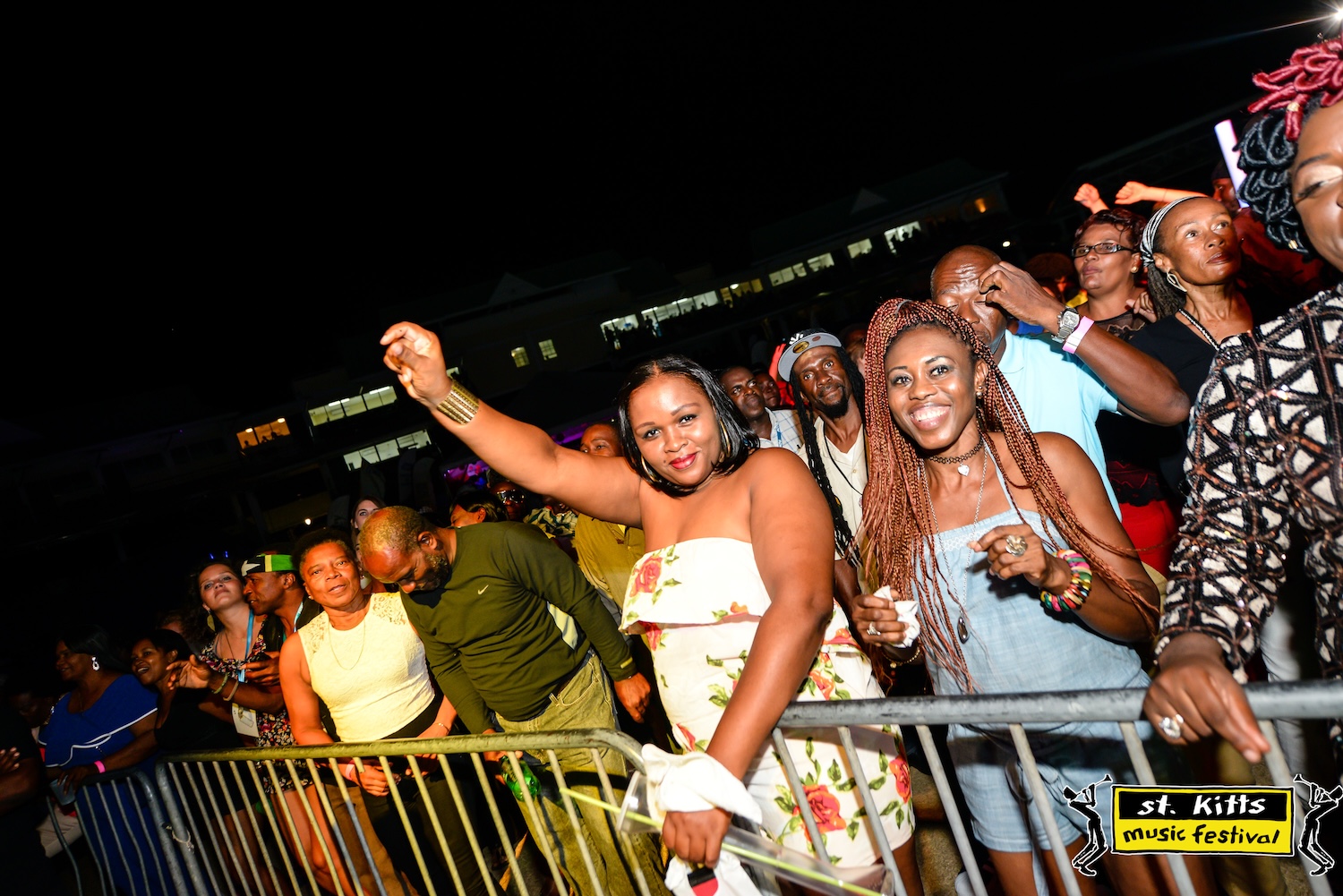
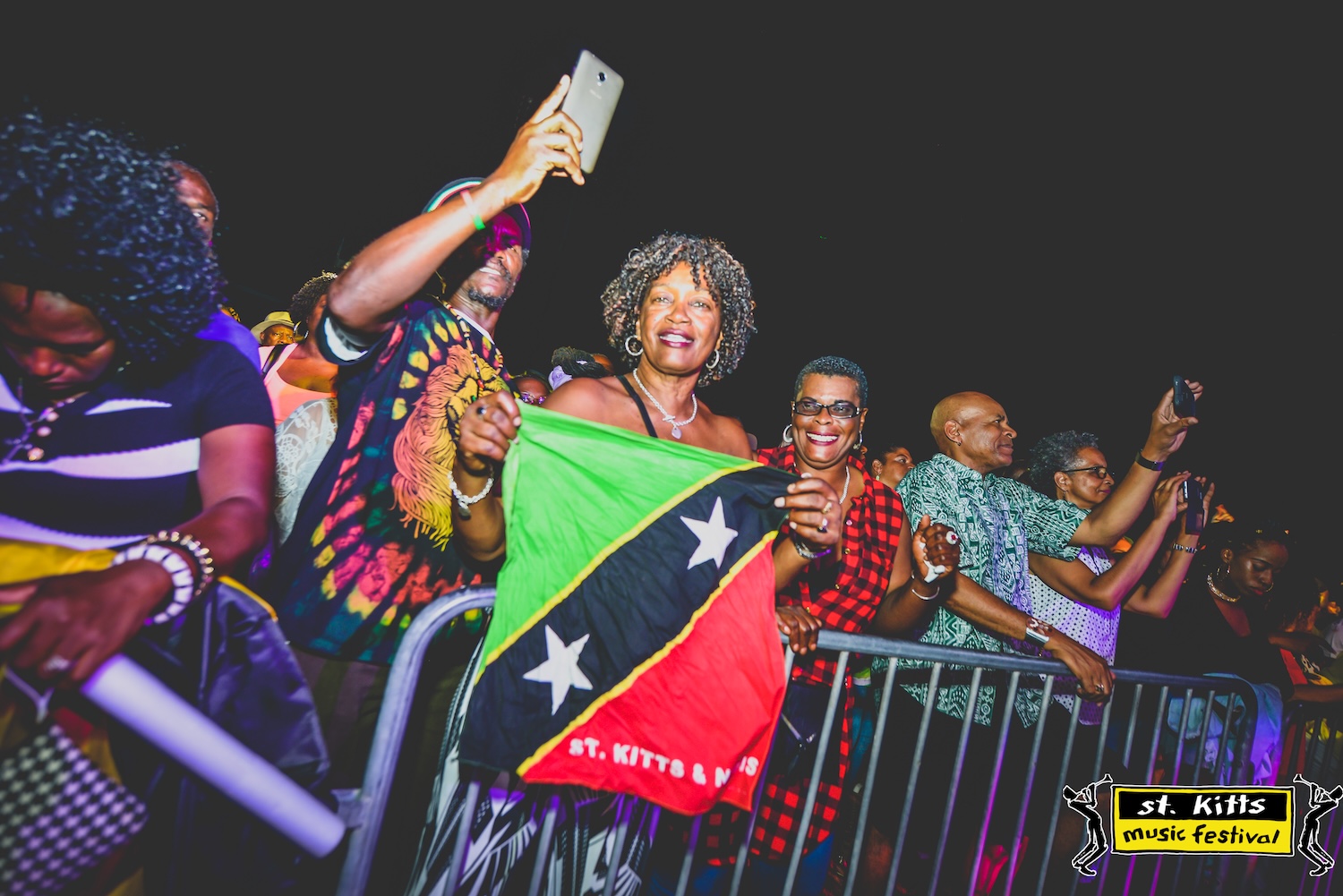
The 28th annual St. Kitts Music Festival returns June 25 through 27, bringing Machel Montano, Steel Pulse, Boyz II Men, Fantasia, Kranium and Tarrus Riley together. Fontenelle is intentional about what the festival represents beyond the stage.
“They tell you to come for the music, but please stay for the food, stay to mix with the local population, stay to learn about our story,” she said. “Saint Kitts is the first island to be colonized in the Caribbean, so we carry a lot of history right there.”
That history is the foundation of the rhythms from that region. Dr. Margarita Lila Rosa, historian and arts and culture critic, describes reggaetón as “a cross-referential genre” — early Puerto Rican Underground music fused Panamanian reggae, Jamaican reggae and New York hip-hop before salsa, jazz and Latin electronic music transformed it by the early 2000s. Reflecting on Tego Calderón’s Abayarde and the era surrounding Daddy Yankee’s Barrio Fino, Rosa said the music gave Afro-diasporic communities “permission to express ourselves freely,” at a time when Caribbean Spanish and Afro-Latino identity were still heavily marginalized in the United States.
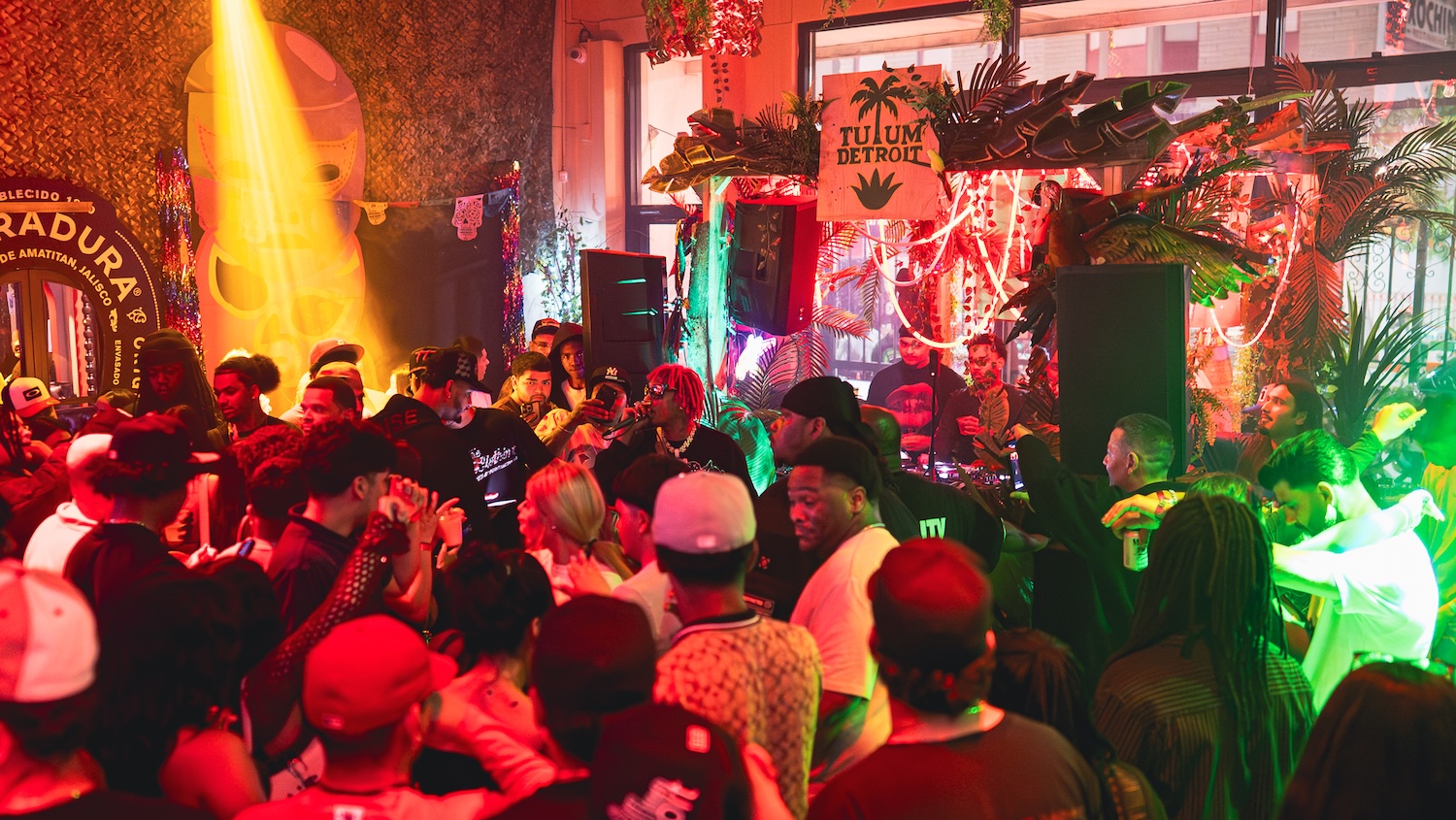
The sound has never stopped traveling. Bad Bunny made Caribbean music impossible to avoid globally. Kali Uchis and Reyna Tropical bring their inspiration into Latin alternative. African artists like Amaarae and Tyla pull dembow and dancehall textures into records consumed by millions. Jamaica’s dancehall queen Spice, St. Kitts’ soca artist Pumpa and USVI artist Pressa continue drawing audiences across festivals, streaming platforms and stages throughout the Caribbean and diaspora — evidence that Caribbean rhythms drive the diasporic loop well beyond streaming algorithms.
“We never left,” said DJ Power, an award-winning DJ and producer who has shared stages with Sean Paul, Cardi B, Burna Boy, Vybz Kartel and Machel Montano. He described dancehall, soca, reggae, bouyon and Latin music as “world music” built on experimentation, movement and “feel-good vibes” that continue shaping pop, R&B and hip-hop.
“From soca to dancehall, reggae to kompa, bouyon, dembow, merengue and reparto — it’s just vibes on vibes. That’s why no matter where you go in the world, people will vibe to it.”
Michael “Reyes Poetry” Reyes, co-founder and creative director of We Are Culture Creators, said the culture gets built in nightlife before it reaches mainstream audiences.
“There’s something rhythmically there that still ties us to being in community,” he said. “Hip-hop is a remix. Salsa is a remix. Young people are just creating, experimenting, mashing things up and making it fresh for the next generation.”
Anka the Siren, DJ and founder of Island Girl Underground, has watched Gen Z rediscover the Black diasporic sound through her sets — bouyon, soca, reggae, bounce and sped-up dancehall edits all in the mix.
“Gen Z is reinterpreting that era through edits, remixes, dances, and more,” she said. “People just have to honor the culture that fed that sound.”