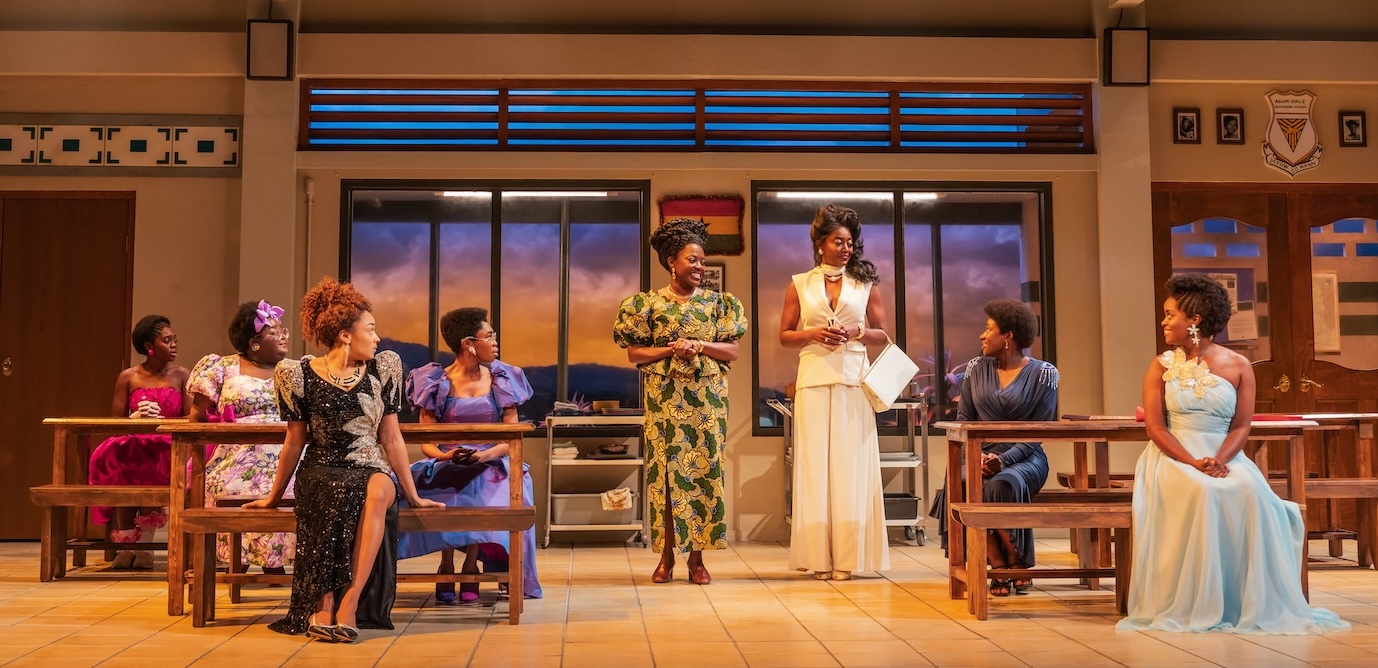
At Aburi Girls Boarding School, everybody has a role to play. There’s the queen bee, the best friend, the new girl, the quiet one, and the girls still figuring out exactly who they want to become. But beneath the familiar high-school archetypes of Jocelyn Bioh’s School Girls; Or, The African Mean Girls Play is something more complicated: young Black girls learning early how beauty, class and ambition can determine your ranking during those formative school years and, ultimately, how you move through the world.
Bioh and director Whitney White, both Tony nominees, have paired up again to bring Bioh’s long-standing coming-of-age dramedy, set against the pursuit of the Miss Ghana 1986 crown, to the Broadway stage. “We’re really thrilled to unite for this play,” Bioh said at a mixer for the production earlier this year. The play is set at a real girls’ boarding school that Bioh’s mother attended in Africa.
Several veteran TV actresses and Broadway staples fill the cast. The Gilded Age star Denée Benton plays Paulina, the queen bee whose ambition for the Miss Ghana crown drives the competition.

“I love playing someone who’s so shamelessly ravenous about what she desires out loud. That feels revolutionary for a girl who’s been told she deserves nothing. Her bitterness is earned because deep down she knows she deserves the world.”
She’s trying to impress Eloise, a pageant recruiter who arrives at Aburi Girls with a mission. She’s played by Patina Miller, fresh off the Raising Kanan series finale.
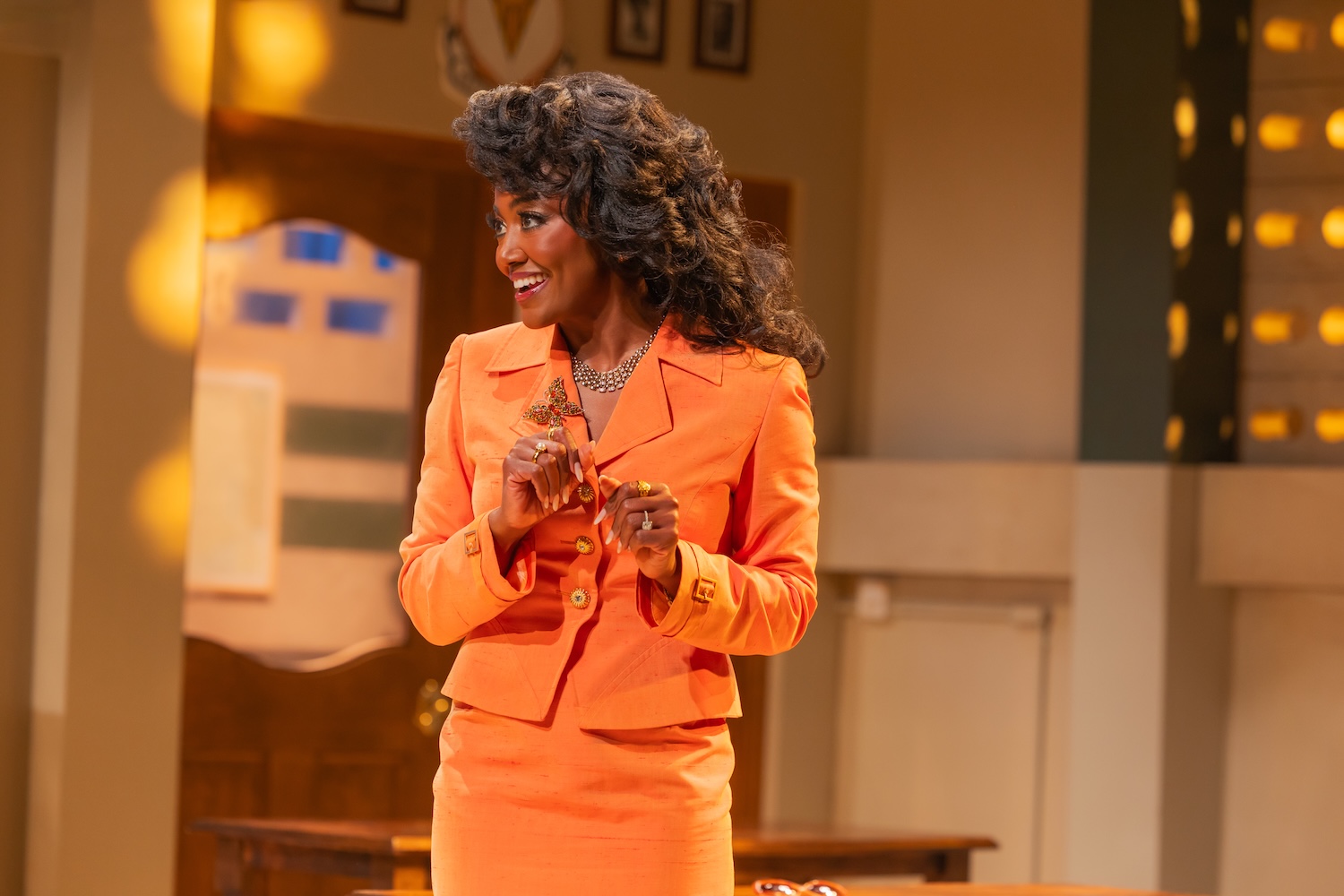
“I like Eloise because she is a woman who wants something for herself. She comes in with her eyes set on finding this girl that could change her life. She’s very ambitious.”
Of course, every high-school hierarchy has the new girl capable of shaking up the status quo. Tony nominee Jasmine Amy Rogers, last seen on Broadway in BOOP! The Musical, steps into that role as Ericka, the American transfer student whose arrival upends the social order at Aburi Girls.
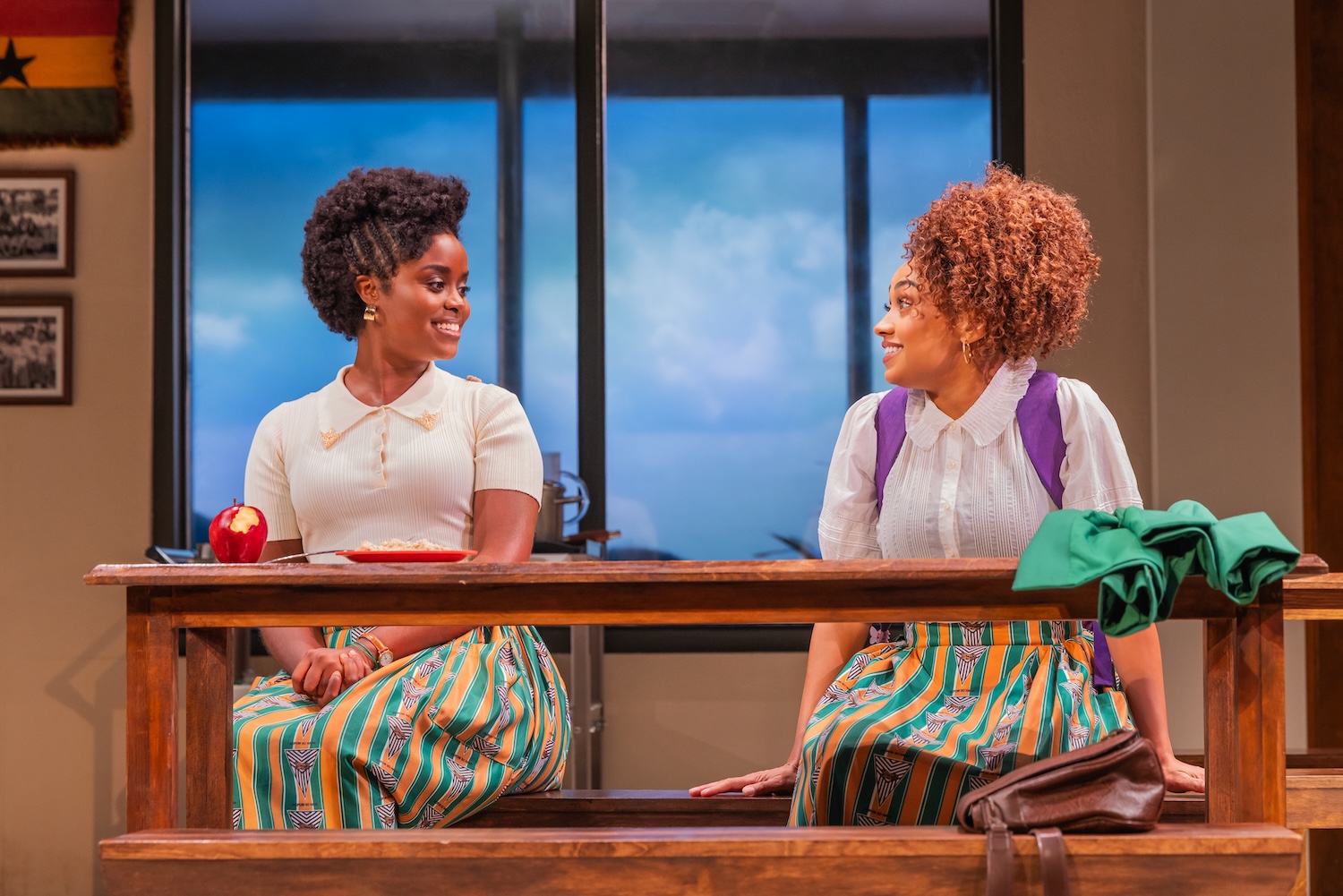
“She’s been through a lot. She’s very tough, but she also has a really good heart underneath all of it. I really love the strength that I’m finding in her.”
Then there are Paulina’s girls. Three actresses making their Broadway debuts take on the complicated business of friendship, loyalty and figuring out where Paulina ends and they begin.
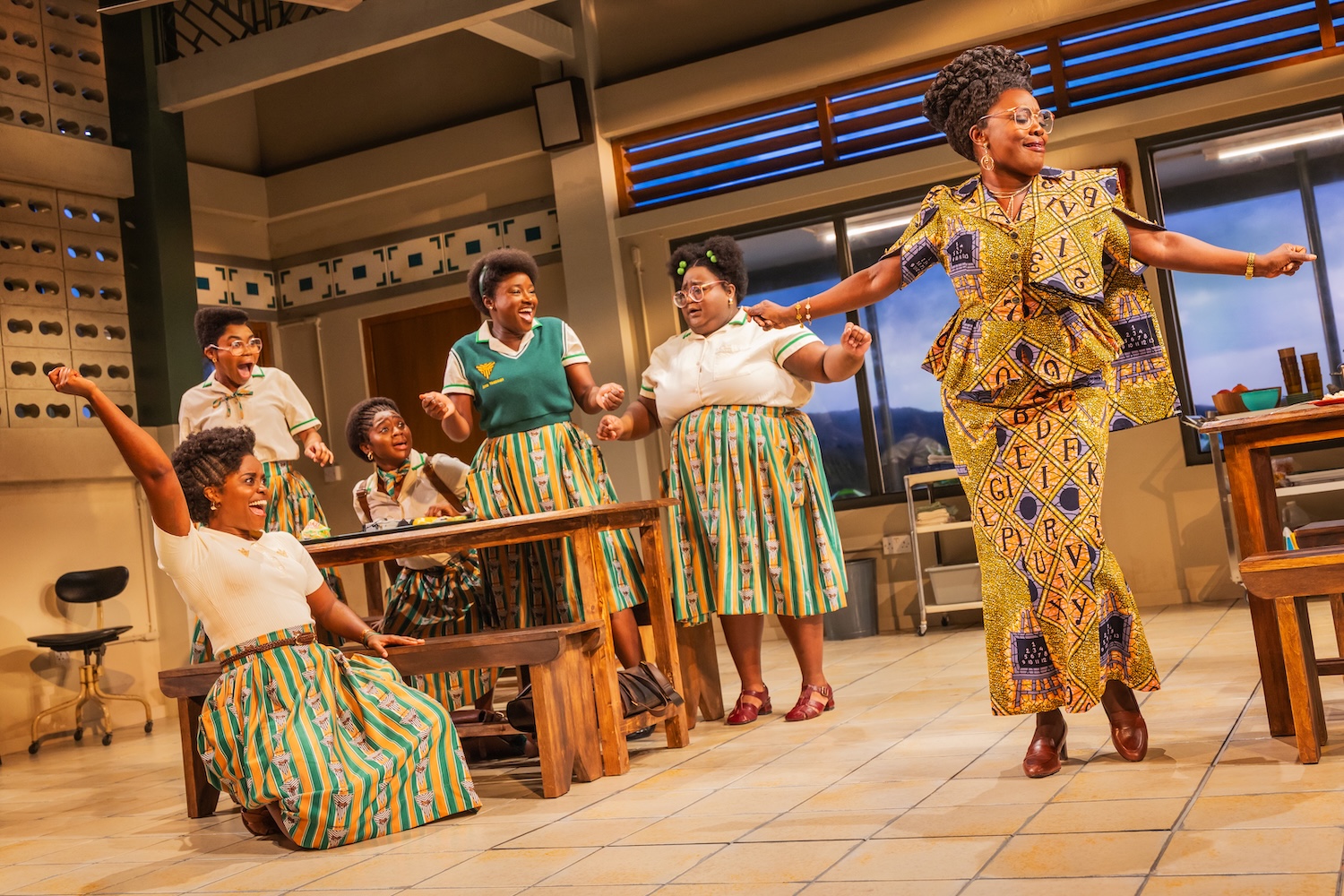
Lucia Aremu plays Ama, Paulina’s best friend, whose confidence and independence begin to set her apart from the school’s reigning queen bee.
“Ama knows who she is and never deviates from that. She just wants to be a better person and continue to grow. In juxtaposition to someone like Paulina, who’s still struggling with being herself, that doesn’t faze Ama.”
Jordan Rice plays Mercy, a young woman trying to figure out how to belong without losing her own sense of self. “She reminds me of me when I was in high school. It’s that coming-of-age question of, ‘Who am I? How do I get accepted, but also make myself an individual?’ I love that she gets to go on that journey throughout the play.”
Niara O’Chere-Sarfo plays Gifty, the sweet-natured friend quietly working to hide her struggles with ADHD and dyslexia, another reminder that fitting in can require its own kind of performance. “Gifty is a total sweet girl, everyone’s best friend for the most part. But she’s trying to keep her head above water around all these other women who are so much older than her. The sweetness kind of melts away from time to time.”
And then there’s Erin Morton. After breaking hearts with her rendition of “Kindergarten Boyfriend” in the New York City stage production of the musical Heathers, she now plays Nana, whose journey through the play is about finding the confidence to speak up and take up space.
“Throughout the show, she finds her courage to stand up for herself, and she learns to love herself. It’s very healing. I get to heal that inner child in me that never got to stand up for myself.”
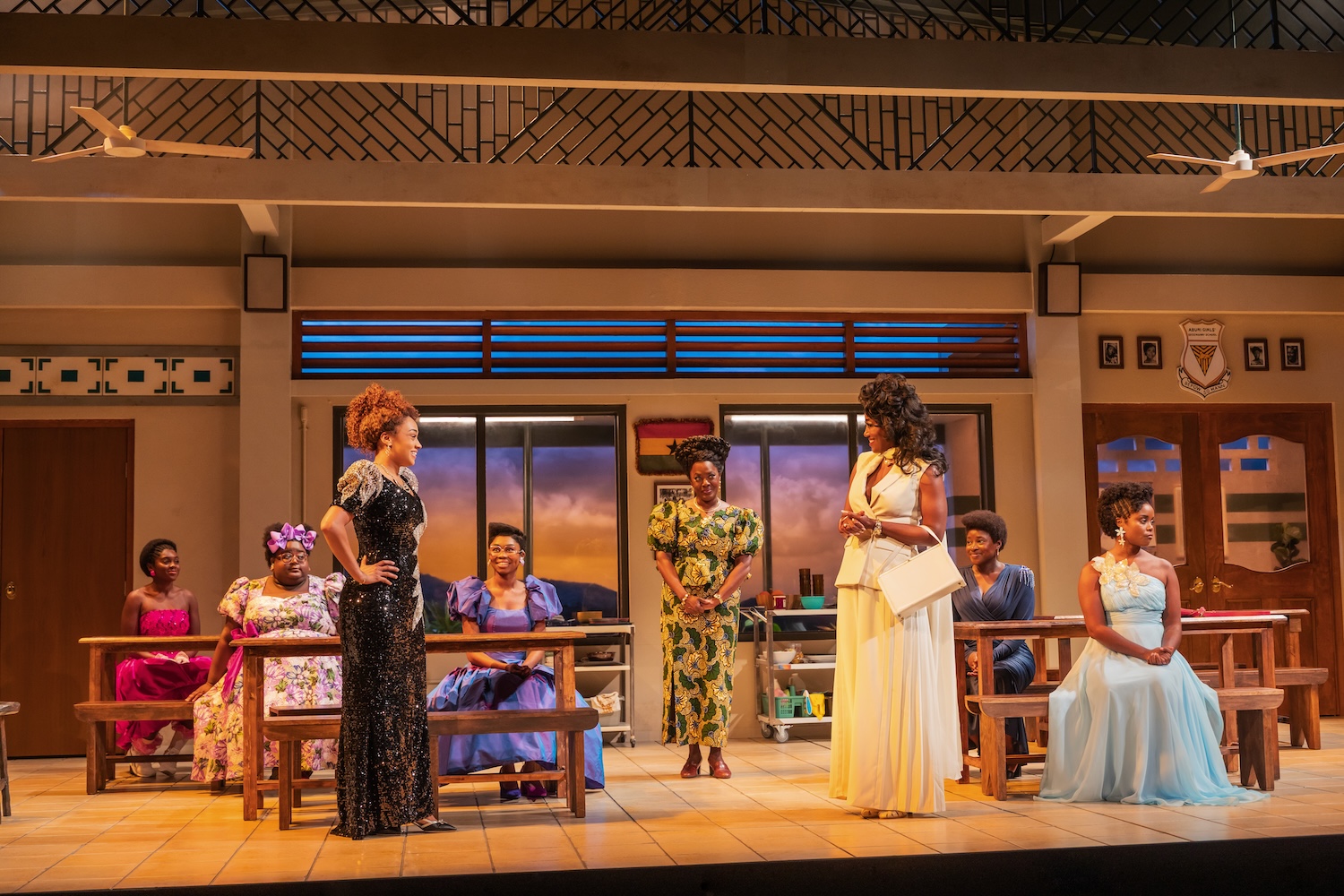
Helping guide these young women toward adulthood is Heather Alicia Simms as Headmistress Francis, the maternal figure at Aburi Girls who recognizes that caring for young Black girls means understanding that each one may need something different.
“Headmistress Francis is everybody’s mom. All of these girls, young women on this campus, are so different, and so I get to mother and parent them differently. I just love that I’m able to pour into them.”
Simms says that responsibility extends beyond the stage. “My first Broadway show was with Whoopi Goldberg, and I felt like she took great care of me. And so I just feel this responsibility to pass that on, because what we do, you know, isn’t the most difficult job in the world, but sometimes it can be emotionally draining,” she shared.
“And so I feel like we should be able to take care of each other, especially as Black women. We need safe spaces we can go into. And so I’m hoping that they feel safe.”
Currently in previews, School Girls; Or, The African Mean Girls Play opens at the Samuel J. Friedman Theatre on September 28 and runs through November 1.