
Love may make the world go around, but money quietly determines what that world actually looks like. It decides where you live, whether you can afford to travel, how you recover from emergencies, when or if you have children, and what kind of future you’re able to build together. Yet despite its influence, finances remain one of the most uncomfortable topics for couples to discuss.
For many of us, talking about money feels deeply personal because it is. Financial habits are often shaped long before we enter romantic relationships, influenced by childhood experiences, family dynamics, cultural expectations, and socioeconomic realities. Some people grew up watching parents stretch every dollar. Others witnessed financial secrecy, debt, or instability. Those experiences don’t disappear once we start dating; they often become the invisible framework through which we view money as adults.
That discomfort comes at a cost. When financial conversations are avoided, assumptions fill the gaps. One partner may prioritize saving while the other values spending experiences. One may carry debt they’re too ashamed to disclose, while the other assumes they’re on equal financial footing. Left unaddressed, those differences can evolve into resentment, mistrust, and conflict.
According to financial activist and Moving Beyond Broke author Dasha Kennedy, better known online as @thebrokeblackgirl, one emotion sits at the center of many unhealthy relationships with money: shame. “If I had to narrow it down to one thing, I’d say shame,” Kennedy says. “So many people carry shame around debt, their income, past financial mistakes, or simply not knowing what they were never taught.”
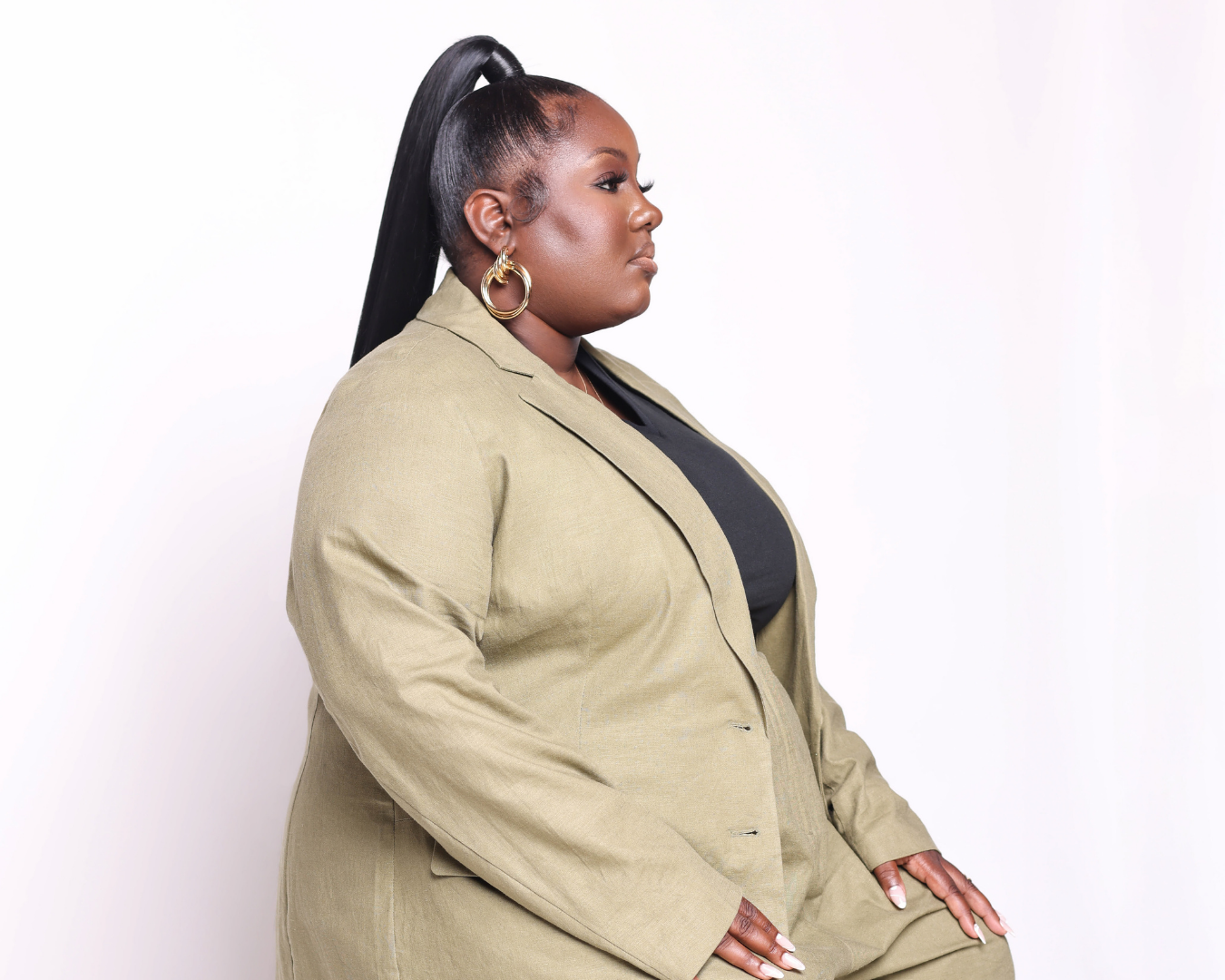
Because money touches nearly every aspect of our lives, from our identity to our sense of security, those feelings can quickly become isolating. Instead of asking questions or seeking support, many people avoid checking their bank accounts, ignore bills, or refuse to discuss finances altogether. Unfortunately, avoidance doesn’t change financial reality. It simply delays confronting it. Kennedy knows that feeling firsthand. In 2017, she publicly shared that she was broke with tens of thousands of followers, a moment she describes as one of the hardest decisions she had ever made. Looking back, she credits that vulnerability with changing the trajectory of her life. “The moment we stop judging ourselves and each other,” she says, “people become more willing to ask questions, learn, and make better financial decisions.”
That openness becomes even more important when another person enters the equation. Too often, couples wait until engagement or marriage to have meaningful conversations about money. By then, financial habits, debt, expectations, and long-term goals have already become intertwined. Kennedy believes those conversations should happen much earlier. “Money conversations should happen as soon as you realize the relationship has potential,” she says. “Before you move in together. Before you start sharing bills and definitely before you get married.”
The goal isn’t to interrogate someone about their finances over dinner on a first date. Rather, it’s about creating enough transparency to determine whether you’re building toward the same future. Financial compatibility has little to do with identical salaries. Instead, it comes down to honesty, shared priorities, and a willingness to make decisions together. Conversations about spending habits, savings goals, credit history, family financial responsibilities, and long-term aspirations aren’t unromantic; they’re foundational. “Money changes how you date,” Kennedy explains. “Money affects where you live, whether you want to have children, how you retire, how you handle emergencies, literally everything.”

Those conversations also require a healthier perspective on personal finances themselves. Kennedy admits that for years she attached her financial circumstances to her sense of self-worth. A low bank balance felt like failure. Debt felt like proof that she wasn’t good enough. She eventually realized that her financial situation wasn’t a character flaw. That mindset shift became the foundation of her book Moving Beyond Broke, which challenges the belief that being broke is a moral failure rather than a financial circumstance that can be addressed through knowledge, intentionality, and consistent action. Changing your relationship with money doesn’t necessarily begin with earning more. Sometimes it starts with paying attention.
“My biggest advice is to spend time with your money instead of avoiding it,” Kennedy says. “Check your accounts. Learn your spending habits. Know your numbers.” That same philosophy applies to relationships. Transparency isn’t simply about revealing what’s in your bank account; it’s about understanding each other’s financial habits before they become shared responsibilities. Knowing your financial reality also shifts you from reacting to planning. Without a clear understanding of where your money is going, every unexpected expense feels like a crisis. Bills seem to appear out of nowhere. Debt continues to grow. Emergencies become overwhelming because there’s no plan in place. When you know your numbers, however, you’re able to prepare rather than panic.
That intentionality extends into everyday habits. A healthy relationship with money doesn’t require perfection or wealth. Instead, it requires consistency. People who maintain positive financial habits aren’t only checking their accounts when they’re worried their card will decline. They regularly review what’s coming in and going out, save and invest what they can, and recognize that progress matters more than perfection. At its core, financial transparency isn’t about spreadsheets or perfectly balanced budgets. It’s about trust. It’s choosing honesty over assumptions and planning over avoidance. When couples understand not only each other’s financial realities but also the stories that shaped them, they’re better equipped to build a future rooted in partnership instead of financial surprises. Because while love may be the foundation of a relationship, financial honesty often determines how strong that foundation can become.