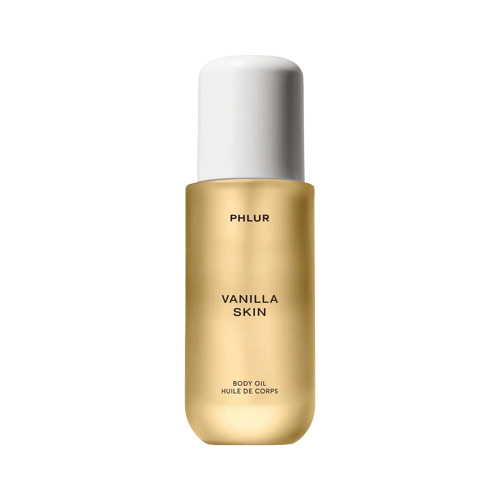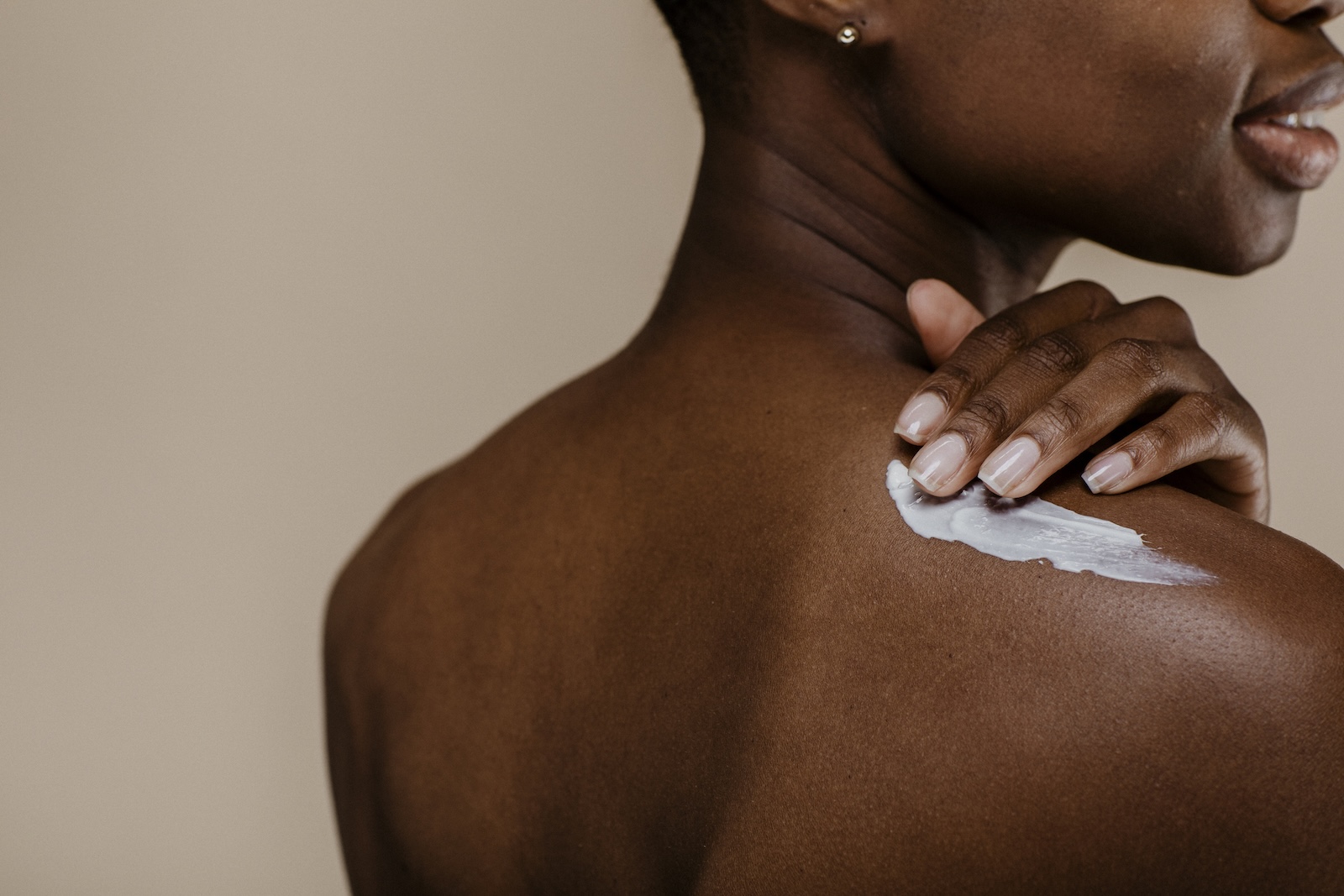
Body care didn’t suddenly become important, it just finally got the attention it always deserved. For years, we were told to prioritize the face while everything below the neck was reduced to a quick lotion and go, as if melanin-rich skin didn’t carry its own set of needs, concerns and rituals.
But if you grew up Black, you already knew better. Ashiness was never an option and moisture was non-negotiable. What’s changed now isn’t the need, it’s the industry finally catching up. Body care has entered a new era, one where serums, acids and targeted treatments are no longer reserved for the face and where the body is treated with the same level of intention, care and frankly respect.
The Longstanding Gap: Why the Body Was Ignored
Ashiness is a culturally cardinal sin which made lotion a star. There never seemed to be a shortage of mass market options centered around hydration and moisture, but anything outside of that wheelhouse just fell flat. Hyperpigmentation, a common issue in melanin-rich skin, had little to no targeted products on shelves, and the few that existed were relegated solely to drugstore body care. No sexy marketing, no chic packaging. Without product options and general knowledge around that skin concern as well as many others, it made tackling darker areas on the body difficult, stigmatized or ignored altogether.
On the other end of things, the face had value. Prioritizing a facial skincare routine simply made sense at the time. It’s one of the most visible parts of the body and often the one where signs of aging are first spotted, so naturally that’s where the focus, money and marketing went.
“There has also been a perception that the body is more resilient and requires less targeted care, which is not necessarily true,” says Dr. Mona Foad, Board-Certified Dermatologist and Founder of MONA Dermatology. “In reality, the skin on the body is still subject to many of the same concerns like dryness, sun damage, pigmentation and texture changes, but it has often been approached in a more simplified way.”
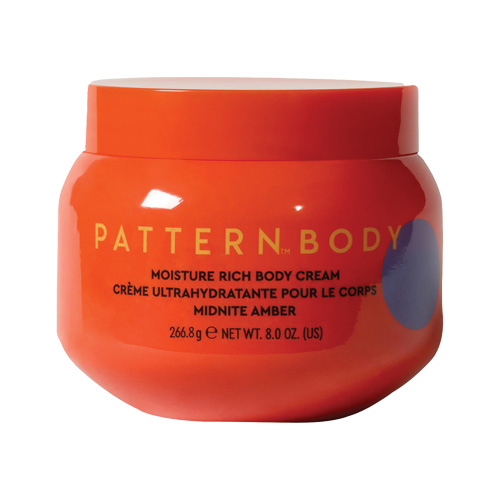
Price: $36
The Rise of Clinical Body Care
These generalizations kept body care on the bench even though many issues like texture, discoloration and acne aren’t exclusively face issues. While skincare for the face has always been popular, the COVID lockdown, increased social media use, a desire for self-care and a need for “maskne” remedies really caused consumers to kick up their beauty purchases. However, as the market became more saturated, something needed to shift.
Brands began looking to the body as the next worthy beauty product frontier. As consumer knowledge around ingredients and formulas increased, that familiarity was applied to body care. A new series of products emerged. These were sleek and included well-known ingredients. The ethos was simple: If you cleanse, tone, treat and moisturize your face, you should also do the same for the body.
“This shift comes from both consumer demand and evolving science,” says Board-Certified Dermatologist Dr. Jenna Queller, MD FAAD and founder of DermWorks. “People are more aware that body skin deserves the same attention as facial skin, and there’s a growing desire for indulgence and self-care beyond the face.”
She continues, “Social media has also amplified discussions about conditions like keratosis pilaris (KP), hyperpigmentation and rough texture, pushing brands to create effective, aesthetically pleasing products that blend efficacy with luxury.”
Dr. Morayo Adisa, MD FAAD, Medical Director Dermatology Physicians Chicago/Kenilworth Dermatology Physicians Chicago, believes that an increase in skincare literacy has played a role in this shift too.
“People are now more aware of concerns like body acne, pigmentation and texture, creating an opportunity for brands to offer luxe, targeted products,” she says.
Additionally, beauty trends amplified by social media like “the everything shower” encourage people to use more than just the basics when thinking about body care.
“People are more informed about ingredients and are looking for products that do more than basic hydration,” says Dr. Foad. “At the same time, there is a greater focus on overall skin health and consistency from head to toe. As a result, brands are responding by creating products that feel more elevated while still addressing real concerns like keratosis pilaris, uneven tone and texture. It reflects a broader understanding that body skin deserves the same level of care and attention as the face.”
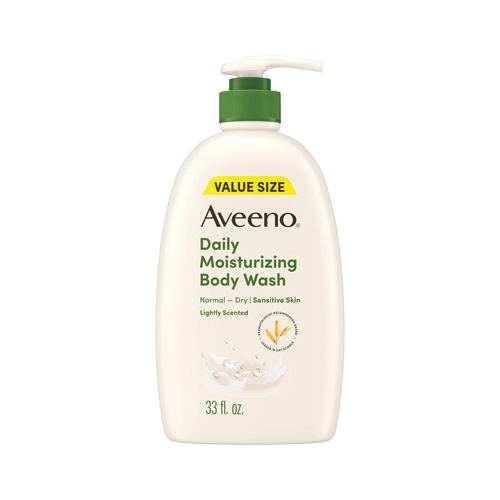
Price: $13
Hyperpigmentation Is Driving the Market
Yet, when it comes to Black body care, one of the biggest drivers is the desire to tackle hyperpigmentation, which can lead to frustration and self consciousness for many. For these experts, hyperpigmentation is actually one of the most common concerns that patients visit for. Dr. Foad details that areas like the inner thighs, underarms and along the bikini line are common areas for treatment.
“Patients are often frustrated because these areas are difficult to treat and prone to recurring irritation,” she says. “Close behind that are texture-related concerns like keratosis pilaris and rough, uneven skin on the arms and legs.”
These body care brands are also realizing that hyperpigmentation is a big consumer skin concern worth investing in.
“New body care products and brands recognize that hyperpigmentation in deeper skin tones is usually a downstream effect of inflammation and the treatment is not a one-size-fits-all,” says Dr. Adisa. “So they are moving towards long-term, barrier-safe correction that is much more appropriate for darker skin tones.”
Not only can harsh ingredients cause irritation and worsen hyperpigmentation, everyday things like friction from clothing and shaving are also culprits since they can trigger melanocytes to produce extra pigment.
“Even low-grade, repetitive trauma like inner thigh friction or ingrown hairs from shaving can lead to persistent darkening over time,” says Dr. Queller.
This is why preventative skincare and actions are just as important as treatment, which can look like using proper shaving techniques and products and using calming, anti-inflammatory products that protect the skin barrier.
Dr. Queller also noticed this change around products that treat hyperpigmentation for the body, especially around the choice of ingredients.
“We’re now seeing more use of ingredients like niacinamide, tranexamic acid, azelaic acid and gentle chemical exfoliants that help even tone without causing excessive irritation,” she says. “Importantly, formulations are becoming more elegant, absorbing well, layering easily and designed for larger surface areas.”
However, it’s important to note that while many of these body care products emulate facial skincare, there are some key differences in treating facial and body discoloration, although the approach is similar in principle. The skin on the body is generally thicker than the skin on the face. This can sometimes make discoloration more persistent and slower to respond to treatment. Also, the body is often exposed to ongoing triggers such as friction, shaving and inflammation, which can make pigmentation more difficult to manage.
“Treatment typically requires a combination of gentle exfoliation, pigment-targeting ingredients and consistent sun protection, along with addressing any underlying triggers,” says Dr. Foad.
Texture, Dryness and the Reality of Melanin-Rich Skin
Skin hydration used to be the beginning and the end of most discussions surrounding melanin-rich skin and body care. Now, this interest in body care is normalizing conversations around topics and issues that once seemed taboo. Discussing chronic dryness, KP and post-inflammatory hyperpigmentation, as well as ways to treat them, is basically as common as chatting with a friend about a new facial serum or moisturizer. Because the reality of melanin-rich skin is that body care needs to go beyond moisturizing. Slathering on a thick cream isn’t always an adequate solution.
For melanin-rich skin, Dr. Foad supports the idea that a body care routine needs to have more than a singular focus. She mentions that while moisturizing is important, it often needs to be combined with gentle exfoliation and targeted ingredients to address concerns like uneven tone or texture.
“This might include using a mild exfoliating product a few times a week, followed by a moisturizer that supports the skin barrier and incorporating ingredients like niacinamide or other tone-evening agents when appropriate,” she says.
She goes on to say that when it comes to routines, “Consistency, barrier support and targeted treatments will always outperform overly complex routines. And importantly, inclusive formulation, especially for melanin-rich skin, needs to remain a priority as this category continues to grow.”

The Luxury Shift: From Drugstore to Investment
While many body care products were relegated to the drugstore aisle and not truly deemed luxury, beauty consumers are now seeking premium options and they’re willing to pay for it. According to a 2025 Nielsen report, “The body care category is experiencing significant growth, mirroring the overall beauty and personal care market. With omnichannel dollar sales reaching $17.2 billion and growing by 6.7 percent year-over-year, body care is keeping pace with total beauty growth.”
The report goes on to say that the body care category in particular seems to be “an engaging category for consumers” and links this interest to buzzy brand partnerships as well as the rising demand for skincare-grade ingredients in body products. Now everyone from mass market to premium and luxury wants in on the body care craze. Sophisticated, targeted formulas are now being bottled in sleek packaging worthy of space on any vanity, a far cry from years past.
The Ritual of It All
The culture of beauty is in constant evolution. Like the beauty boom during Covid, this iteration is also partially due to a desire for ritual-based self-care. It’s about the belief that taking time out of the day to truly care for yourself and your body amid an increasingly chaotic world is a necessary pursuit.
“One thing I always emphasize is that body care does not have to be complicated to be effective. Consistency, gentle care and protecting the skin barrier go a long way. It is also important to be patient,” says Dr. Queller.
Just like with any routine, making it a lifestyle practice positions body care as self-care while also exercising discipline and mindful restoration. Including body care in the full beauty conversation reflects a cultural shift, taking this category from afterthought to a fully realized moment of quiet and calm. It also operates as preventative care both emotionally and aesthetically by maintaining the health and integrity of skin while also keeping it looking and feeling vibrant, even and smooth. When you look good, you feel good.
“Body care is finally being recognized as an extension of skincare, not a separate category,” says Dr. Foad. “The key is approaching it with the same level of thoughtfulness but not overcomplication.”
For my bodycare recommendations, check out the 2026 EBONY Beauty & Grooming Awards.