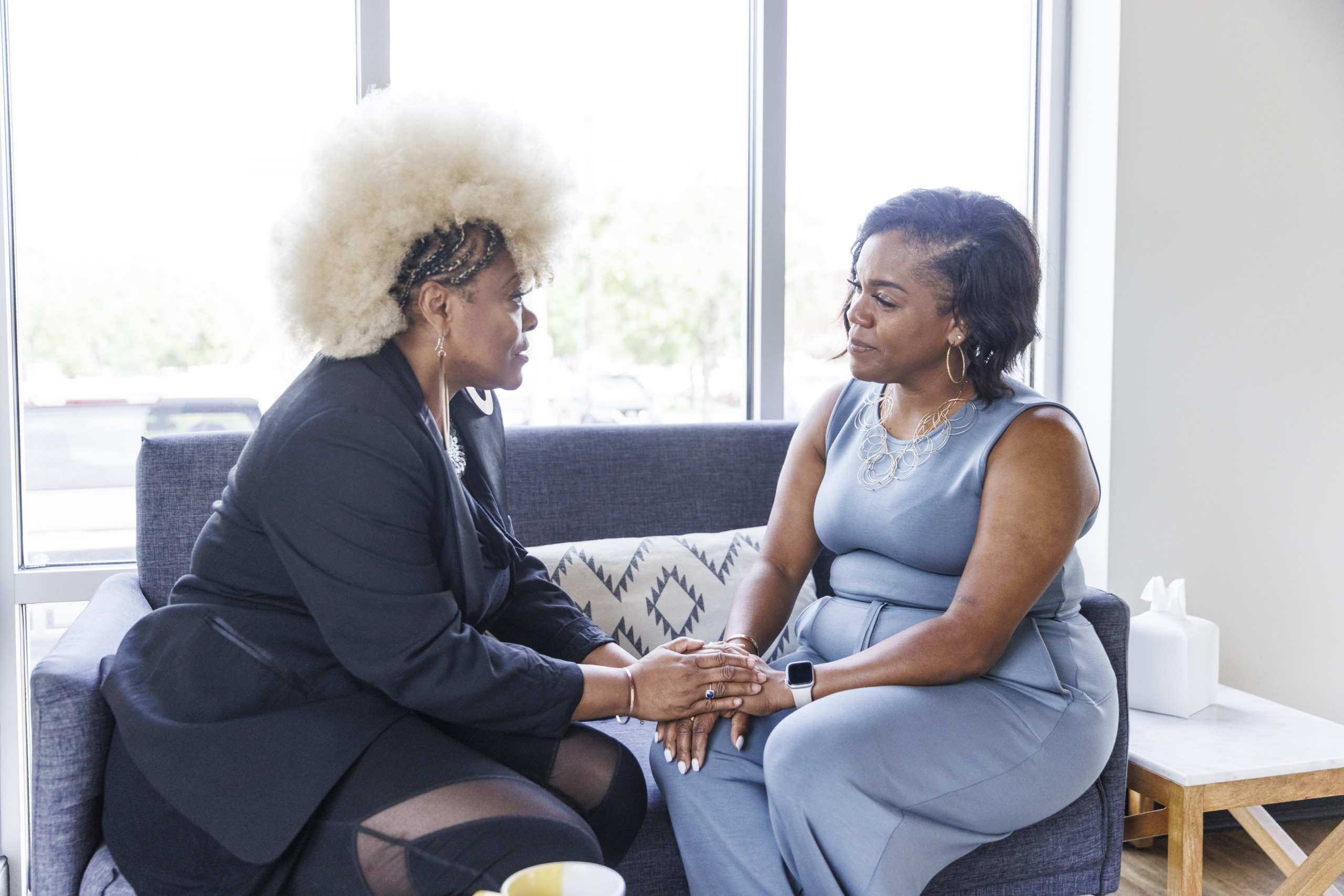
The natural phase of life, typically occurring between the ages of 45 and 55, brings a variety of physical and emotional changes that can affect women’s lives. You got it: today we’re talking about menopause. For many Black women, the silence surrounding menopause is surrounded by cultural stigma, lack of resources and marginalization in healthcare discussions, but there are better efforts to shift those conversations.
According to a study conducted by Black Women’s Health Imperative, 43% of Black women report discrimination or being dismissed by providers. Research shows that Black women experience menopause differently from their white counterparts, often facing more intense symptoms and disparities in access to care, including symptoms for an average of nine years — nearly a decade of physical and emotional strain.
For BWHI’s President and CEO, Joy D. Calloway, MBA, MHSA, the study found her less surprised and more disappointed. “Some of our issues go beyond access, education, and socioeconomic status [because] it shows our healthcare system is built on a platform that has not always been kind to Black women,” she told EBONY.
The hot flashes, night sweats, and mood swings can be exacerbated by stressors in their daily lives, i.e., factors that are amplified by systemic racism and inequalities. Yet, in both personal and public, the conversation about these experiences remains hushed. This silence not only affects women’s health outcomes but also perpetuates a cycle of misunderstanding surrounding menopause. It’s important that we create a supportive environment where Black women can share their experiences and access the information they need. Here are some key reminders for women to continue breaking the fourth wall about menopause.
What is Menopause?
Menopause is the stage in a woman’s life when her menstrual periods permanently cease, and she can no longer become pregnant. It is not a disease or disorder, but rather a natural part of the aging process for women. The period leading up to menopause is known as the menopausal transition or perimenopause.
The transition into menopause typically begins with changes in a woman’s menstrual cycle. Most women start this menopausal transition between the ages of 45 and 55, and it can last several years. The age at which women reach menopause varies, but the average age in the United States is 52. You can confirm that you have reached menopause only after going a full year without a period or any spotting.
The Hot Flashes are Only a Small Part of the Picture
When it comes to media and what’s perpetuated, the most popular thing you see about menopause is the hot flashes. Still, that doesn’t even sum up the actual human experience. From brain fog to anxiety, there are so many things that impact the body, including the quiet part we aren’t saying aloud. “Now add to that, I go to someone whom I should trust, my healthcare provider, and I get dismissed,” she said. “Being dismissed on top of all the other things that are happening, really, creates a more challenging experience than we need to have, and it just further exacerbates the feeling that we are not able to trust the healthcare establishment, that we are not heard when we go there.”
Rip the Band-Aid Off and Have the Conversation
In 2026, we have to understand that communication is everything regarding menopause, and as you get older and become part of a community with others who may be going through the same thing, you have to talk about it. “It’s our responsibility to make sure that our sisters are well informed, educated and equipped, so that as we share in community, we’re sharing good information, we’re sharing science and evidence-backed information, and we are making it a safe space to really share what’s happening with our bodies,” she told EBONY.
Remember, You are Not Alone
For many women, there can be an isolating experience when going through changes within their bodies, and they think nobody in their home will understand. It’s important to get proactive and start looking for additional spaces and communities so you don’t feel alone in this discussion and know there is space for you. “I’m glad that we got Halle Berry and Tabitha Brown are out there talking about this experience,” she said. “We talk about everything else with our girls, and those around us, so let’s make it an okay conversation, because we’re all dealing with it.”
As we navigate the journey of menopause, it is crucial for Black women to break the silence and have open conversations about their experiences. Awareness and education are powerful tools in combating the stigma and marginalization that have historically surrounded this natural phase of life.
“We want to do research around this work and then use the data that we get to inform policy,” Calloway told EBONY. “We want to use the data that we get to educate the community. We want to use the data that we get to advance further research so Black women can stay centered in our healthcare.”
By sharing knowledge, seeking support, and amplifying voices within the community, we can create an environment that promotes understanding and compassion. Embracing these discussions not only benefits individual well-being but also paves the way for healthier futures for generations to come. Let’s continue to lift each other up, advocate for our needs and make menopause a topic of openness and solidarity.