If participation trophies are often blamed for dulling a generation’s understanding of accountability and consequence, then Confederate monuments may be the most elaborate version America ever produced. Many were not erected to record history, but to reassure those unwilling to accept its outcome. The statues raised long after the Civil War were to preserve pride, not truth.
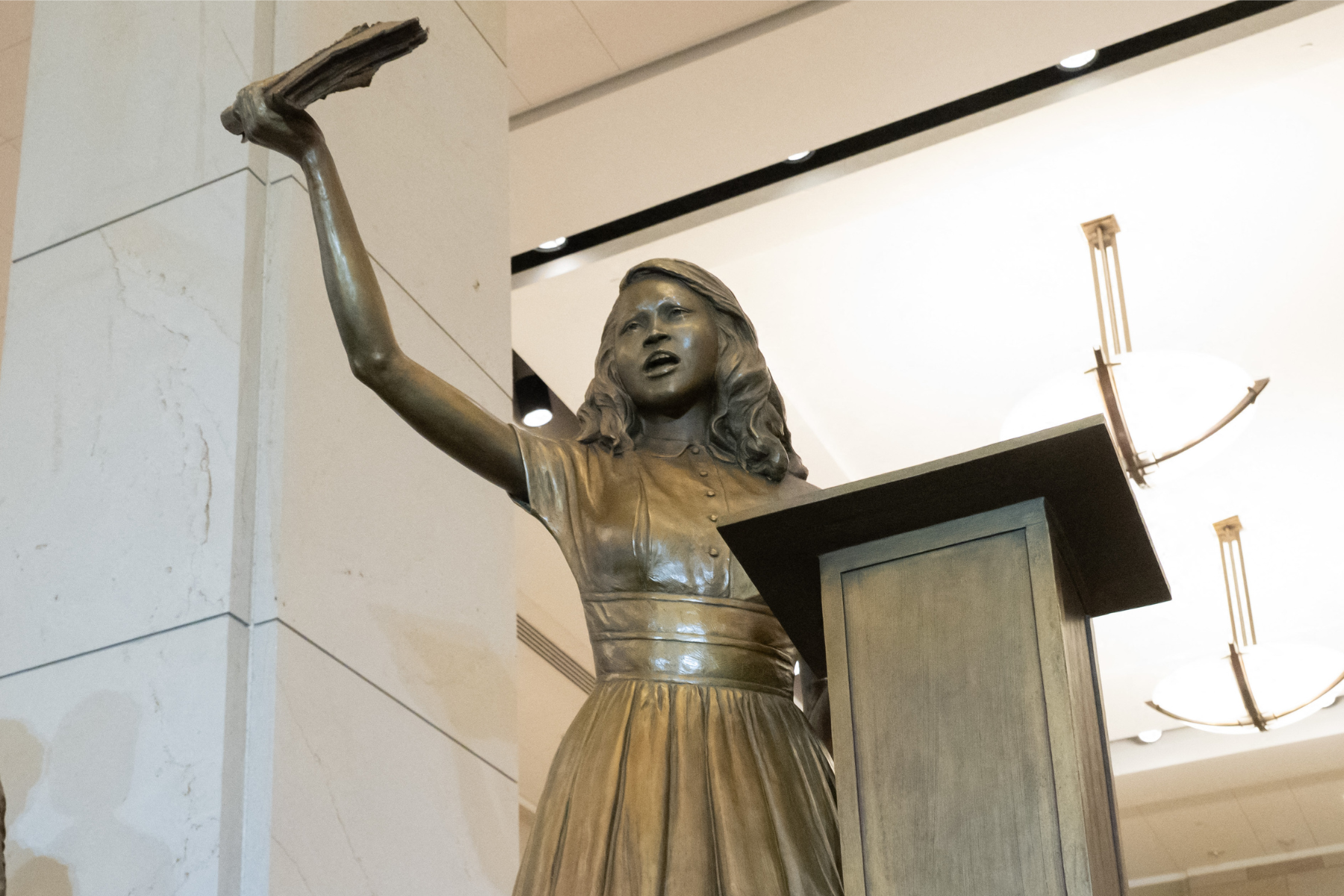
That context matters as a statue of Barbara Rose Johns takes her place in the National Statuary Hall Collection at the U.S. Capitol. Each state is permitted two statues to represent itself. For Virginia, one honors George Washington. The other now honors Johns — a teenage Black girl who led a student strike against segregated schools in 1951. Her statue replaces one of Confederate General Robert E. Lee, which Virginia removed from the collection several years ago.
This was not simply a change in decor. It was a decision about legacy.
For decades, America’s public memory elevated Confederate generals like Lee as shorthand for heritage and leadership. Johns’ inclusion does not erase that history, but it reframes which parts of it deserve national recognition — and who gets to stand in the halls of power as a symbol of American courage.
Sometimes when we think of our history, we forget how young these individuals were when they took their first stand. In 1951, Barbara Rose Johns was just 16-years-old when she organized her classmates at Robert Russa Moton High School in Farmville, Virginia, to protest conditions that Black schools were overcrowded, underfunded, and unsafe compared to their white peers. I’ll say it again for people in the balcony, 16-years old!
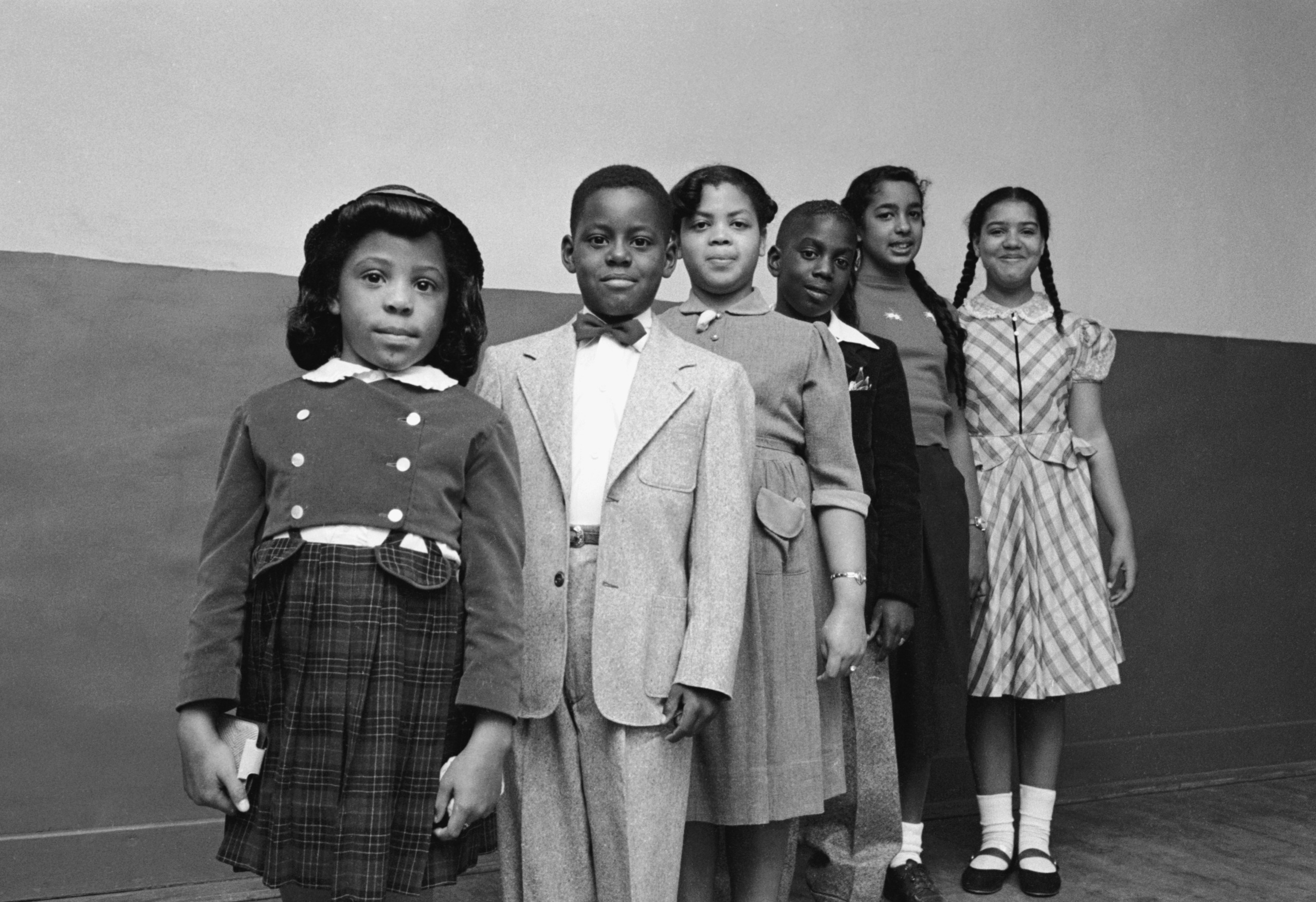
While many teens today are content to collect Labubus, Johns’ action sparked Davis v. County School Board, one of the five cases consolidated into Brown v. Board of Education. She did not act with the expectation of legacy or a desire to be immortalized in stone. She acted out of necessity — perhaps for future generations, but more likely for her own survival. We may never know for certain.
What we do know is that her courage did not come with celebration in real time.
There were no TikTok videos. No invitation to Twitch with whoever your favorite celeb is. Johns’ nonviolent civil disobedience carried real consequences beyond being “cancelled.” After organizing the strike, she faced retaliation so severe that she was sent to live with relatives out of state for her own safety. While her actions helped lead to the legal dismantling of school segregation, the personal cost was immediate and isolating.
Johns died of cancer in 1991, decades before the country found the language — or the comfort — to fully honor her.
Recognition for Johns and many others like her arrived long after the urgency of their resistance and became palatable to the masses. That delay is not incidental. It is part of a pattern.
This is not an indictment of modern youth. Even today, the true catalysts for change are often young people, from students demanding gun reform to climate activists pushing institutions to act; they don’t want participation awards or end-of-the-year pizza parties. They want change. Real change.
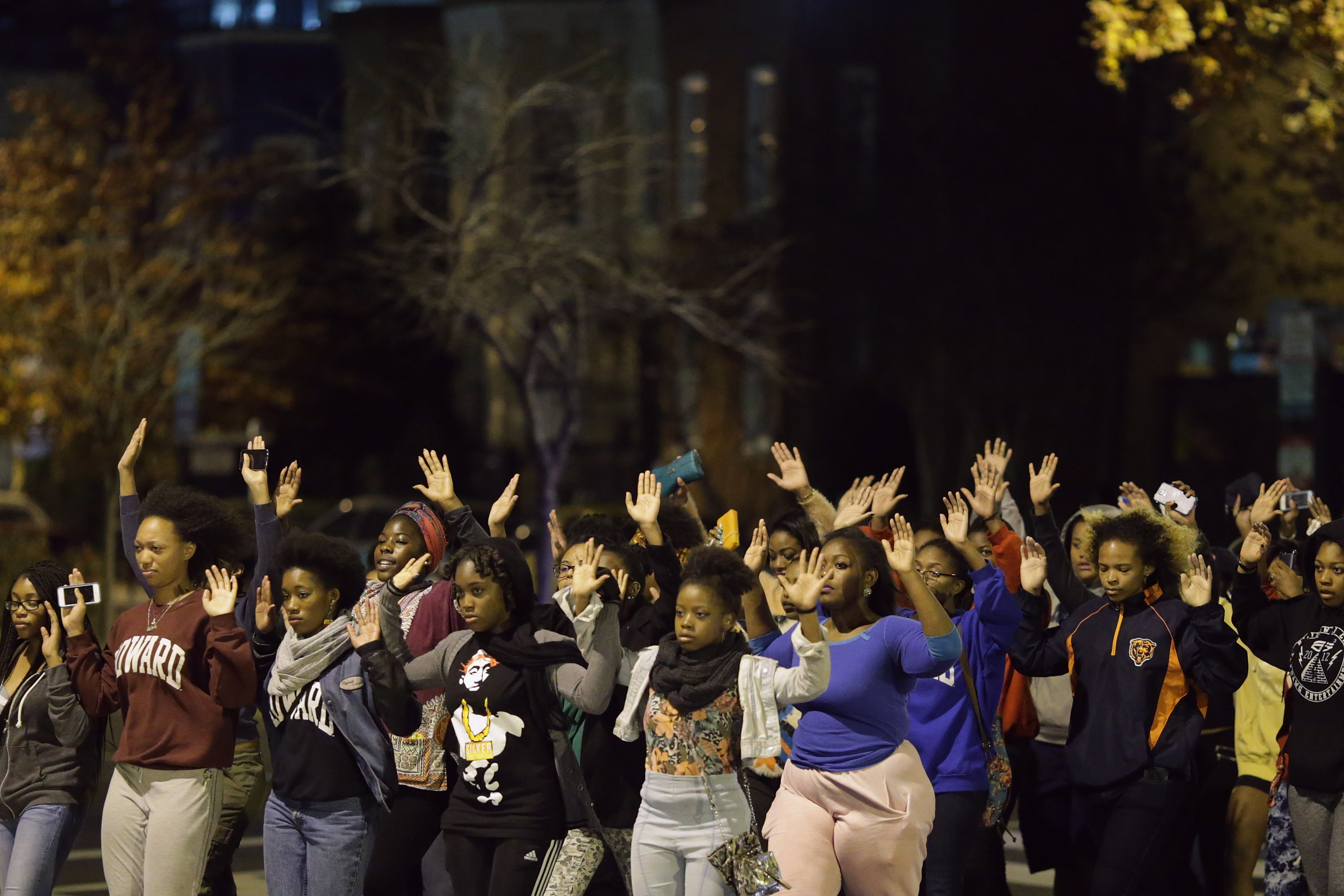
And while today’s youth can sometimes amplify their voices through social media, they are still routinely dismissed as too young, too emotional, too disruptive. Sadly, only after movements succeed — or time passes, or lives are lost — do we elevate these individuals as symbols of bravery and give them their flowers.
The statue of Barbara Rose Johns raises a necessary question: what does it mean to honor youth-led resistance if we are unwilling to listen to young people while they are still resisting?
Johns did not become historic because the country believed in her. She became historic because she acted without that belief. Her story reminds us that progress often requires disobedience and youthful rebellion before it earns consensus.
Her statue replacing Robert E. Lee’s in the Capitol does not correct the past (side note: Lee’s statue was just moved to another museum), but it does gesture toward a reframed future. One that suggests, even amid ongoing efforts to erase Black history and silence Black voices, that some truths are still worth elevating, honoring, and remembering.
But Barbara Rose Johns didn’t ask to be remembered. She asked to be heard.
Now, ensuring that she’s both heard and remembered is her bronzed depiction, holding a tattered book above her head with these words etched into the pedestal: “Are we going to just accept these conditions, or are we going to do something about it?”