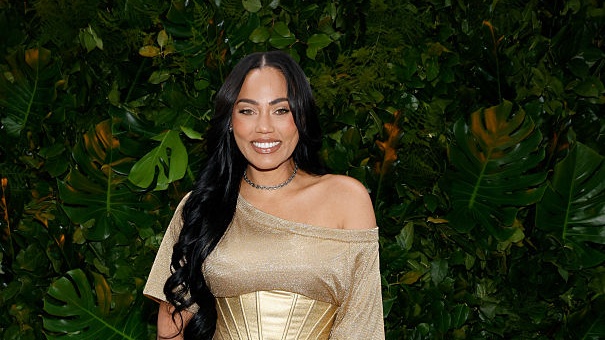
Ayesha Curry’s new romantic comedy film, Second Chance Holiday, premiered via Roku on November 5. The trailer previewed Curry’s character as a dating expert and included a scene of her kissing co-star Matthew Daddario. In response, Gilbert Arenas, Nick Young, and Emmanuel Acho took to their podcast We Said What We Said to publicly criticize her, questioning her role as a wife, the state of her marriage, and brand.
After Stephen Curry called each one out by name, they apologized.
Yet despite directing their criticism at Ayesha Curry, their subsequent apologies largely focused on Stephen Curry; begging the question, are they even sorry?
This exposes how some men continue to treat married women as extensions of their husbands, rather than individuals entitled to their own identities, ambitions, and autonomy.
Ayesha Curry breaks the mold of the traditional housewife, and she’s certainly not the traditional WAG. WAG, an acronym for “wife and girlfriend,” describes the wives and girlfriends of professional athletes. Ayesha Curry exists in a different league. Her ventures span restaurants, production companies, skincare, books, television hosting, cookbooks and cookware, and wine. And now she’s adding actress to the list.
As she should.
Despite Arenas’ belief that women belong in the background, women do not exist as side characters in their own lives. Ayesha’s marriage does not diminish her right to self-fulfillment.
Last year, Curry faced public backlash after admitting that she struggled with feeling confined by the roles of wife and mother. Critics accused her of regretting her family. Many women, including myself, understood exactly what she meant.
We can love our partners, adore our children, and cherish our families without wanting those relationships to define the entirety of our existence. My parents did not raise me to be a wife. But if I chose to marry, they offered me a roadmap for the kind of partnership I deserved.
My mother balanced careers as an elected official, college professor, wife, and mother. My stepfather offered unwavering support. He helped strategize her campaigns, picked my brother and I up from school, and prepared dinners when she lectured.
Most importantly, he respected her autonomy.
When family members made jokes disguised as criticism about my mother “never being home,” he’d simply respond, “No worries, I am.” He didn’t consider her professional ambitions as a threat to their marriage.
He understood that his wife’s success only strengthened, not threatened their union.
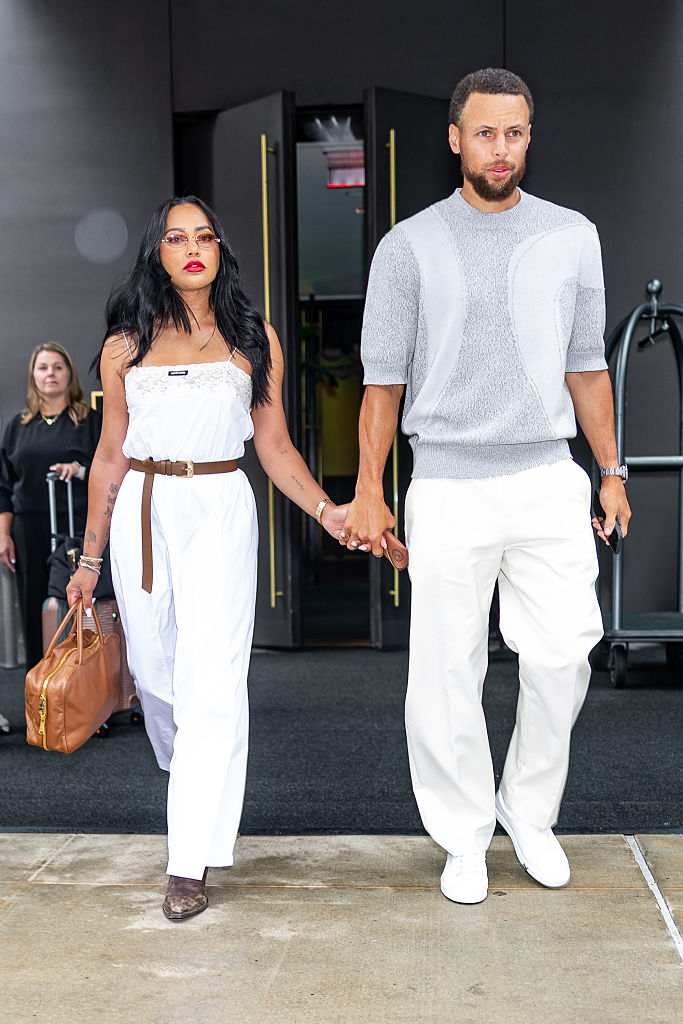
And clearly, Stephen Curry applies this to his partnership. Not all women experience this. Unfortunately, too many women are encouraged to shrink ourselves and temper our ambitions to avoid offending the men we love or hope to love. When we resist those expectations, we’re accused of being selfish, ungrateful, or insufficiently committed to our families.
Fortunately, most of us are not buying it. From Michelle Obama and Gabrielle Union to Sheryl Lee Ralph, Ciara, Simone Biles, and Issa Rae, Black women married to successful and talented men continue to demonstrate that two people can pursue meaningful lives and careers within the same marriage.
Not without public scrutiny, of course. Their visibility has not shielded these women from people questioning their decisions, examining their marriages, or suggesting that their professional ambitions somehow diminish their commitment to their partners.
By apologizing primarily to Stephen, these men reinforced the very expectation they had imposed on Ayesha: that her husband’s decision “to allow” her to work mattered more than her own autonomy.
Stephen Curry was right to defend his wife. But Ayesha Curry should not need her husband’s intervention for people to recognize that she deserves respect. Nor should she have to choose between being a devoted wife and pursuing the ambitions that existed before she became one.
Black women deserve husbands who support their autonomy and their ambition. In the Currys, we’re reminded they can coexist.
Julienne Louis-Anderson writes about the intersection of Black culture, Black history, and Black politics. She can be found on social media @juliennelouisanderson.