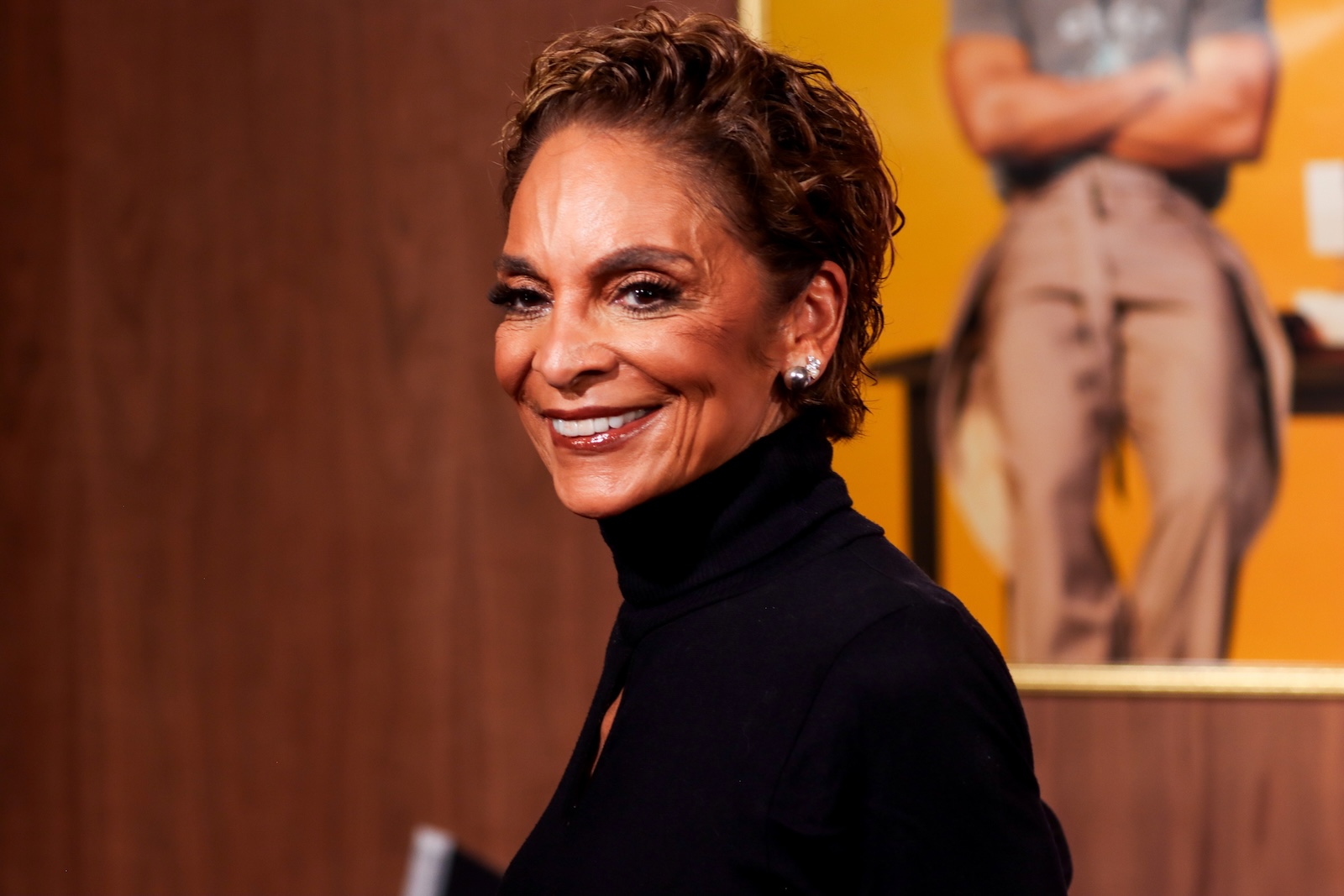
Before timelines, algorithms and comment sections decided everyone’s face was public property, Jasmine Guy was already teaching us what it looked like to be a Black woman with presence. We knew the walk. We knew the voice. We knew the tilt of the head that could make an entire sentence unnecessary. And, of course, we knew Whitley Gilbert, a character so specific, so deliciously dramatic and so beautifully realized that decades later, people can still hear “Dwayne” in Guy’s unmistakable cadence without needing any additional context. But EBONY knew Jasmine beyond Whitley, too. In June 1988, these very pages introduced readers to the actress and dancer behind the Hillman College belle, and over the years, our Johnson Publishing family documented her evolution across JET and EBONY, from actress and dancer to singer, wife, mother and a woman continually defining herself on her own terms.
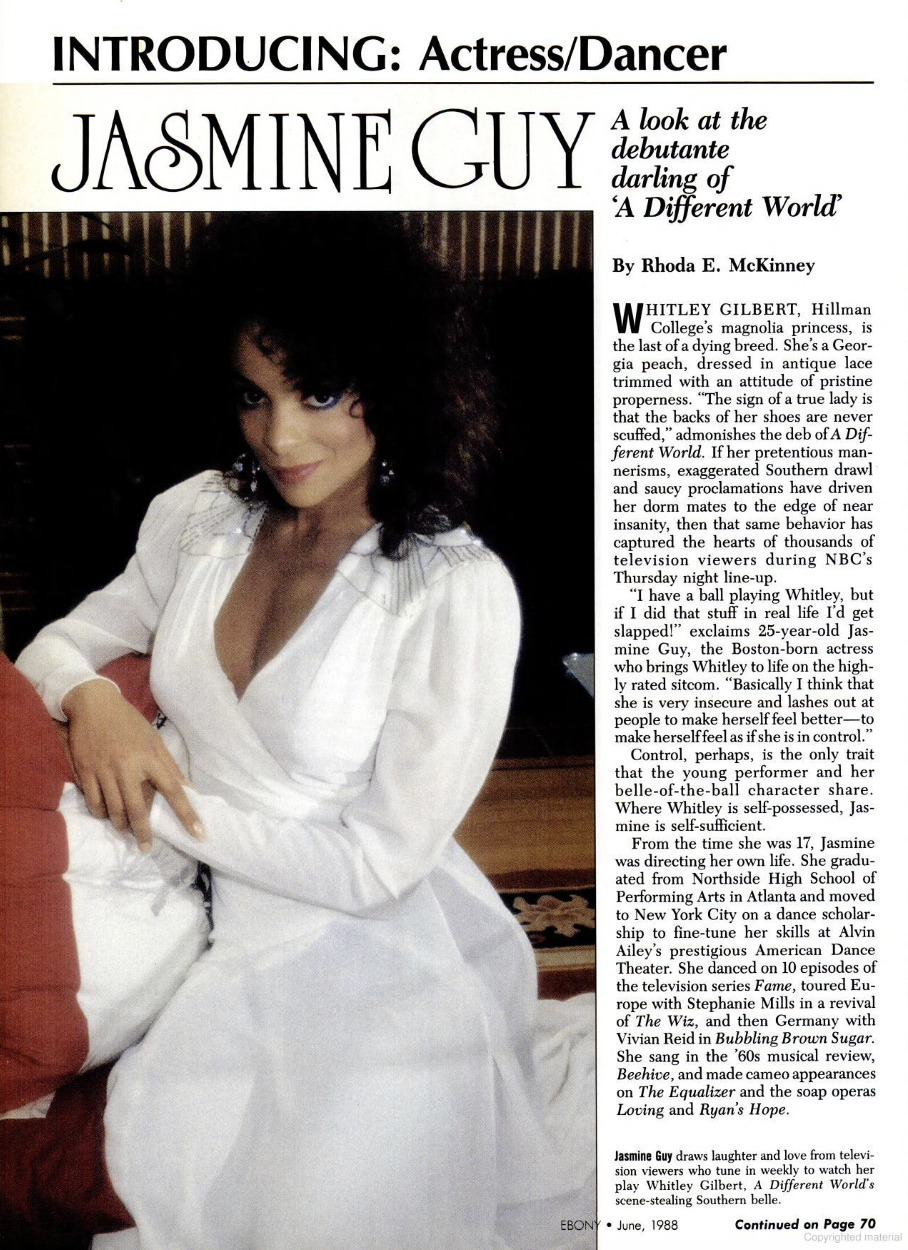
So, Jasmine, consider this a love letter from a publication that has had the privilege of watching you grow up while so many of us grew up watching you.
Lately, social media has been doing what social media too often does: taking a woman’s face, comparing it to photographs taken decades ago and behaving as though discovering that she has aged is some sort of breaking news. Some of the conversation surrounding Guy has been particularly uncomfortable because it does not stop at age. Her biracial identity has also been pulled into the commentary, as if the natural evolution of her appearance is evidence for some larger argument about Blackness, beauty or who supposedly gets to age “well.” It is an ugly little intersection of ageism, colorism and the internet’s exhausting obsession with turning women’s bodies into public referendums.
But what exactly were we expecting Jasmine Guy to do? Remain frozen in 1988? Please use your brains.
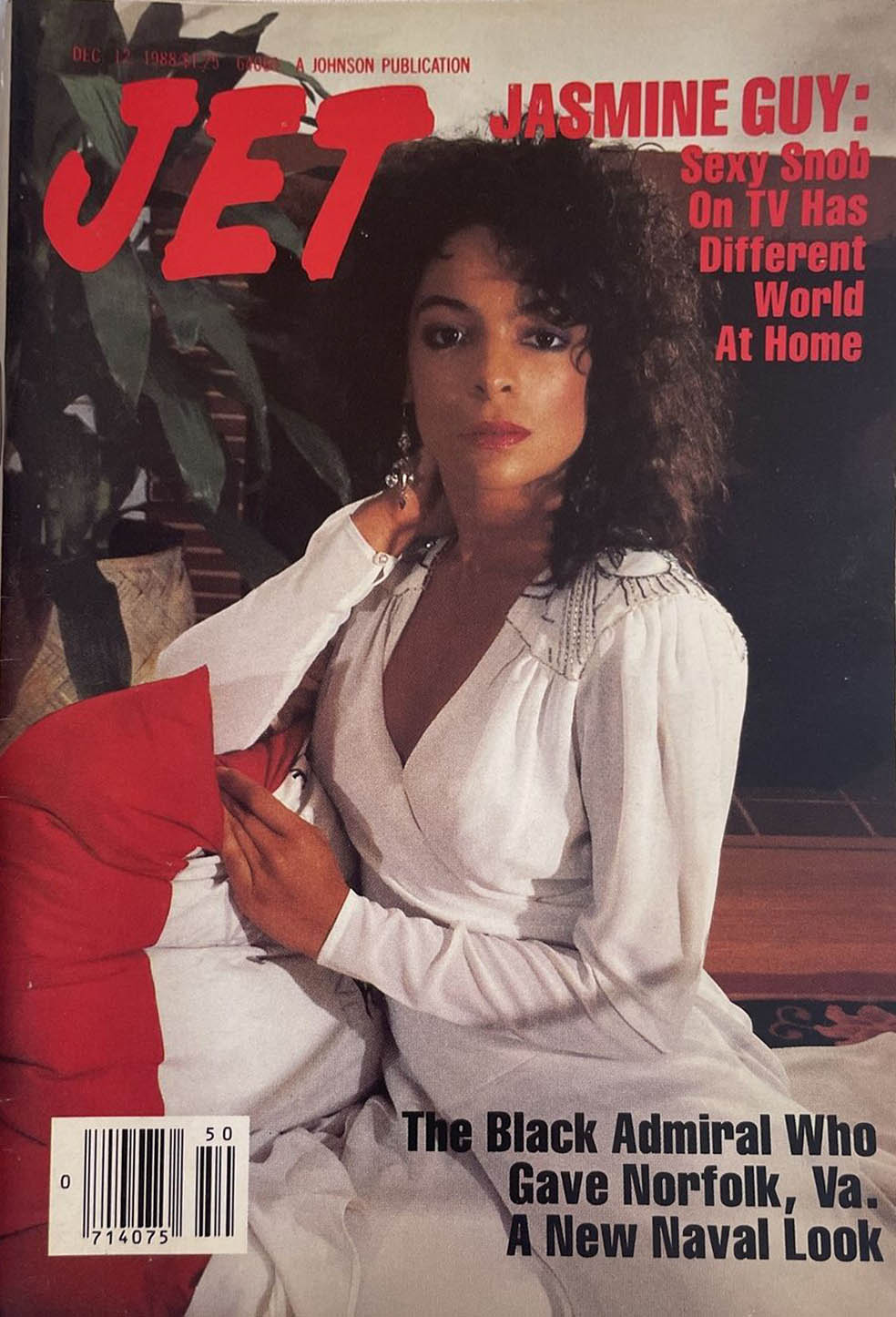
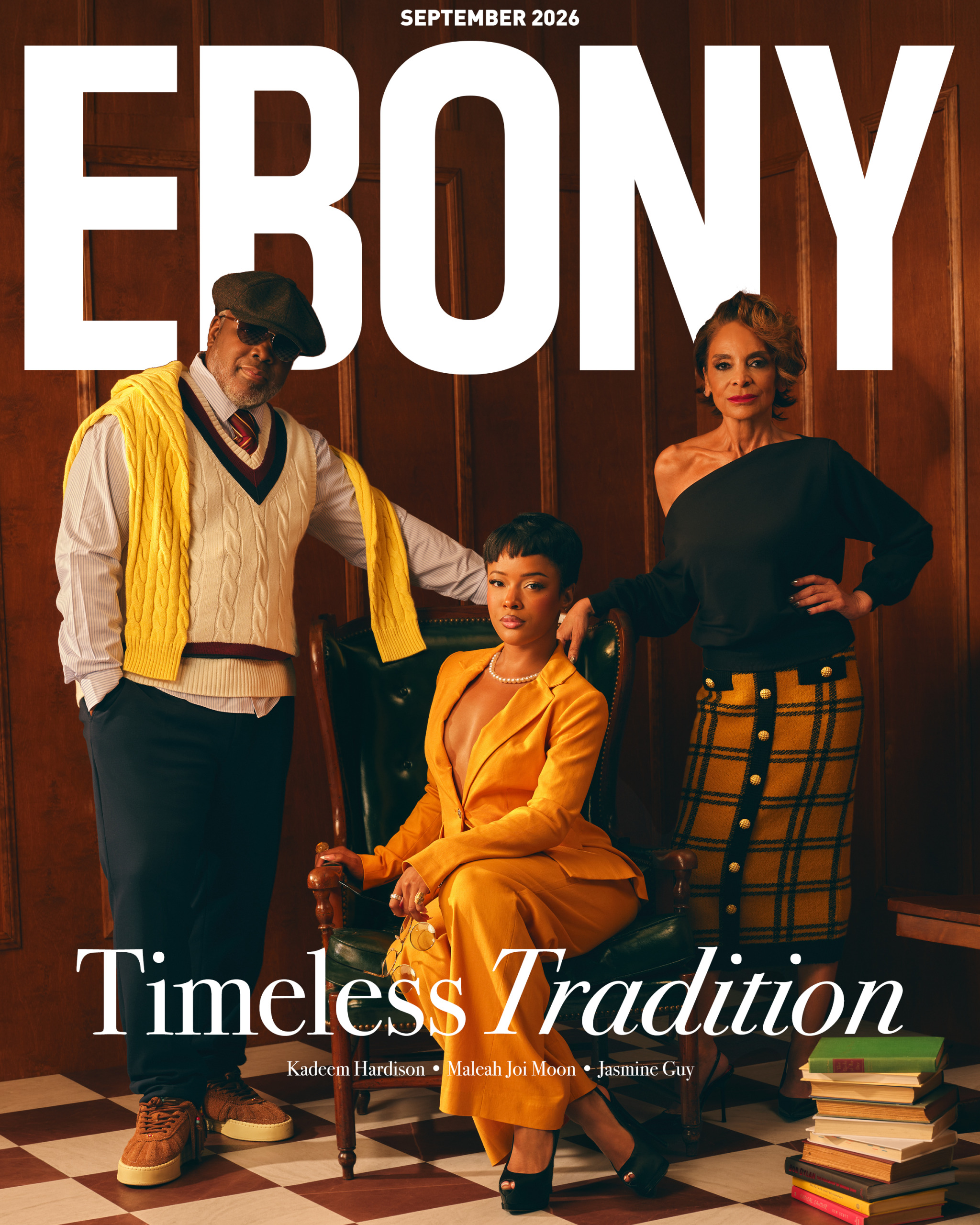
The woman photographed for JET in December 1988 was beautiful. The Jasmine staring confidently into the camera for her December 1990 cover, announcing herself as a serious singer, was beautiful. The woman pictured alongside Kadeem Hardison in 1991 was beautiful. The Jasmine who returned to television in the 1990s was beautiful. The mother EBONY photographed with her daughter Imani in 2001 was beautiful. And in 2026, nearly four decades after EBONY first introduced its readers to the actress and dancer behind Whitley Gilbert, Jasmine returned to our cover alongside her longtime A Different World co-star Kadeem Hardison and a new generation in Maleah Joi Moon, looking every bit as commanding, elegant and deserving of celebration as she ever has. That Jasmine is beautiful, too. None of these women are competing with one another, and one does not become less beautiful simply because another was younger. They are chapters of the same extraordinary life, and we have been lucky enough to witness so many of them. Black women get better with age!
For generations, Black women have been expected to perform an almost impossible version of beauty. Be youthful, but command respect. Be sexy, but never appear to be trying too hard. Embrace your natural features, unless those features fall outside whatever aesthetic the culture is rewarding that particular year. Age gracefully, but apparently do not look like you have aged. And when a Black woman is biracial, arguments she never volunteered to participate in ensue.
Jasmine Guy does not owe us the face she had at 26.
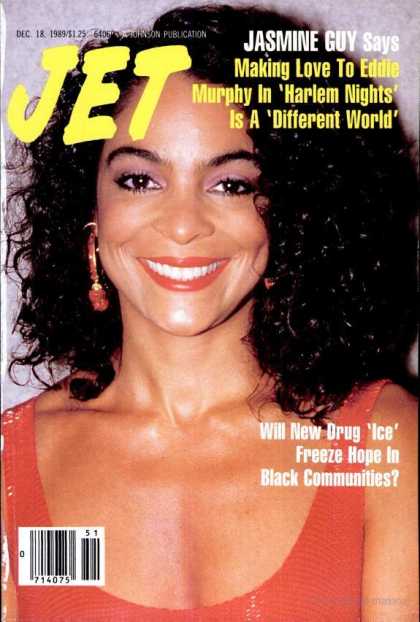
She gave us something much more valuable: a body of work.
She helped make A Different World more than television. Whitley Gilbert became part of the cultural vocabulary of Black America, particularly for a generation that saw Hillman and suddenly imagined themselves at an HBCU. Guy made Whitley ridiculous, vulnerable, aspirational, irritating, hilarious, fashionable and deeply human. She could enter a scene dressed within an inch of her life and deliver comedy through nothing more than posture, then turn around and break your heart. Her career stretched beyond Hillman through dance, music, theater, film and television because Jasmine Guy was never simply the pretty woman playing Whitley. The beauty may have gotten your attention, but the talent is why we are still talking about her nearly four decades later.
Can we talk about fashion for a quick second?
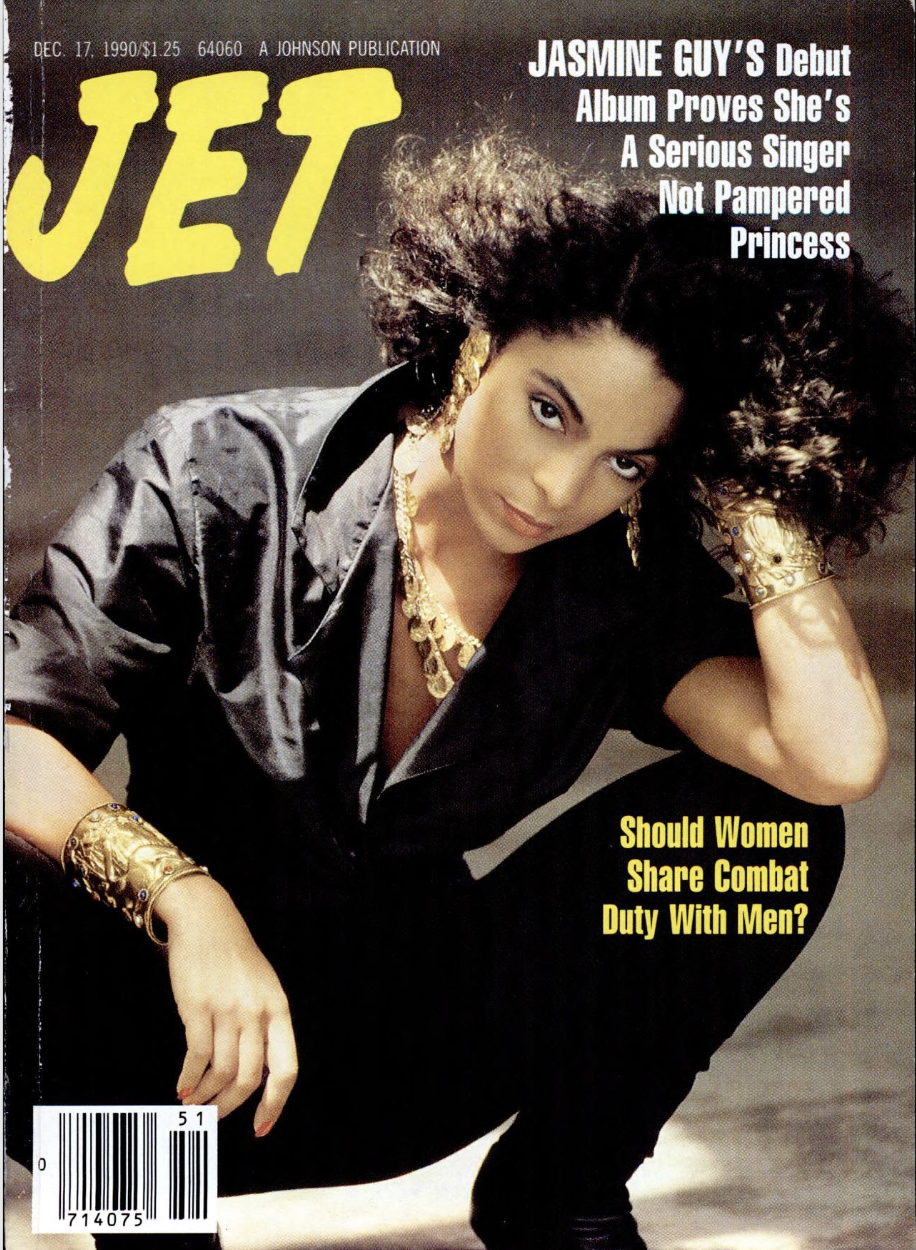
Whitley Gilbert helped give Black women permission to be unapologetically prissy. The hats, suits, pearls, gloves, exaggerated shoulders, fitted dresses and Southern-belle theatrics were not background decoration; clothes were part of the character’s language. At a time when representations of Black style on television were still relatively narrow, Whitley could be bourgeois, feminine, excessive and completely sure that everybody else needed to catch up. Jasmine made that fantasy believable because she wore clothing rather than allowing clothing to wear her. The character made space for the likes of Hilary Banks, Dionne, Regine Hunter and Toni Childs who we’ve coined the Bad & Boguie collective. That same presence followed her onto magazine covers. Pull up those old JET images and you are not simply looking at nostalgia. You are looking at a visual archive of a Black woman becoming.
That is perhaps what makes the current discourse feel so small.
Aging is not the unfortunate epilogue to beauty. Aging is what happens when you are fortunate enough to keep living.
We should want to see our icons at 30, 40, 50, 60, 70 and beyond. We should want their laugh lines. We should want the faces that have changed because lives have happened behind them. Black culture loses something when we only know how to celebrate women through archival photographs of their youngest selves. Jasmine Guy should not have to resemble a JET cover from 1990 for us to recognize the woman who was standing there in the first place.
EBONY certainly knows better.
Our archives hold evidence of Jasmine Guy at different stages of becoming. We photographed the ingénue. We celebrated the star. We documented the career. We saw the mother. And in September 2026, we welcomed her back to the cover of EBONY, not as a nostalgic reminder of the woman she once was, but as the woman she is now. Beside Kadeem Hardison and Maleah Joi Moon, the image connected generations of Black storytelling without asking Jasmine to turn back the clock to participate in it. Now we get the privilege of seeing the woman who lived long enough to become an elder in an industry she helped shape. That is not a downgrade. That is the story.
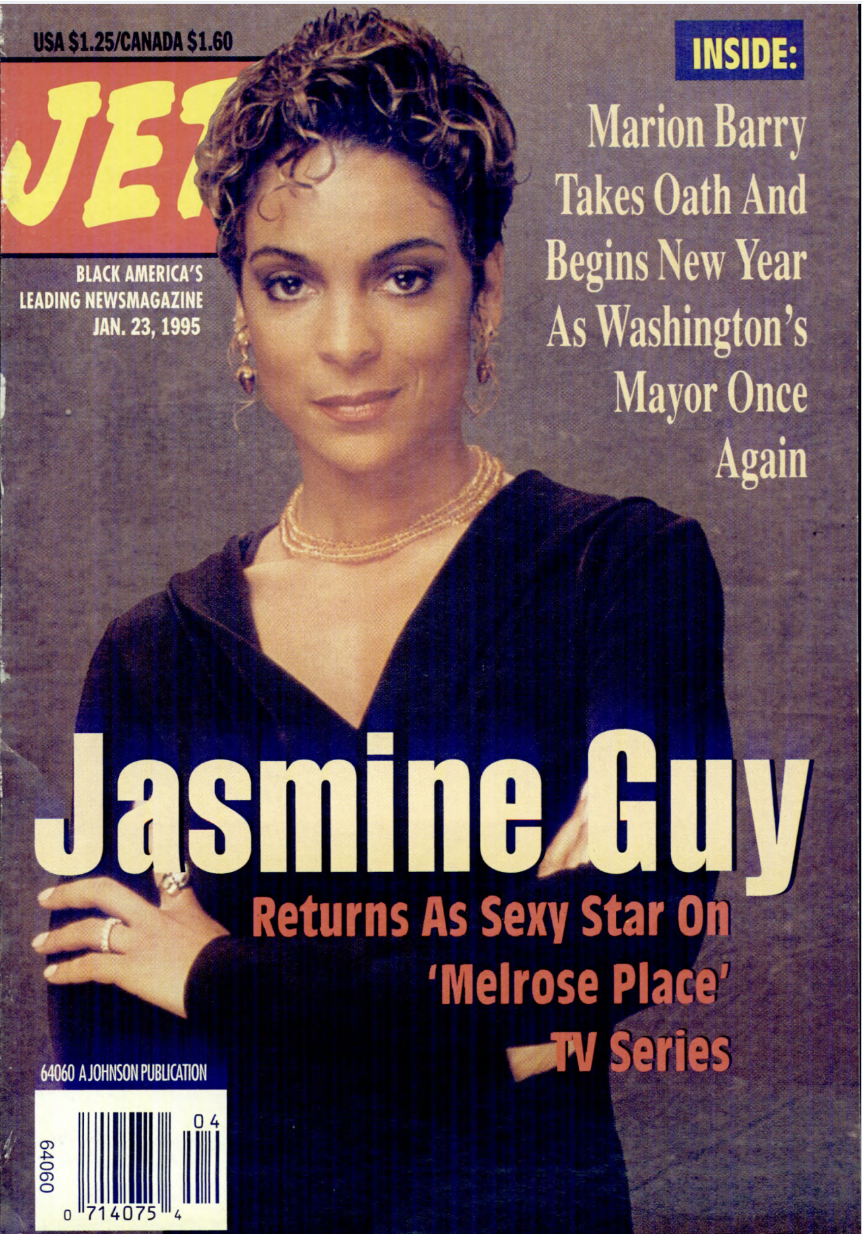
So Jasmine, keep the lines. Keep the years. Keep every version of yourself that got you here. Keep laughing, dancing, acting, teaching, creating and showing up exactly as the woman you are today. Nobody gets to weaponize your age against the beauty they once celebrated, and nobody gets to use your face as a measuring stick for your Blackness.
JET loved you in 1988. EBONY loved you when you graced our pages in 1988, when we photographed you as a mother in 2001, and when we put you back on our cover in 2026. We love you now, not because you managed to stay the same, but because you had the audacity, and the blessing, to change.