Despite maternal health being a prominent state of urgency in the U.S., Black women are at least three times more likely to die from pregnancy-related complications than white women. As these fatal statistics have continued to fluctuate over the years with intricate research, the most daunting question that Black mothers can be left with is “why?”
As our unequal and public health crises continue to expose flaws in systemic racism, many Black mothers and those expecting are often not at ease when receiving medical treatment that can be ignored or dismissed by doctors, who overlook their symptoms. Weathering, known as the lifelong stress of racism, causes premature aging and vulnerability to chronic illnesses such as hypertension and preeclampsia; these are the primary factors of maternal mortality.
But in the face of this disheartening reality, a powerful coalition of Black celebrities has utilized their platforms to shed light on these priority conversations and recurring tragedies while turning pain into purpose. They are not only raising awareness but are also actively pushing for change in the public health system. Here are 10 celebrities who have been vocal and vital in the constant fight for maternal health equity.
Serena Williams
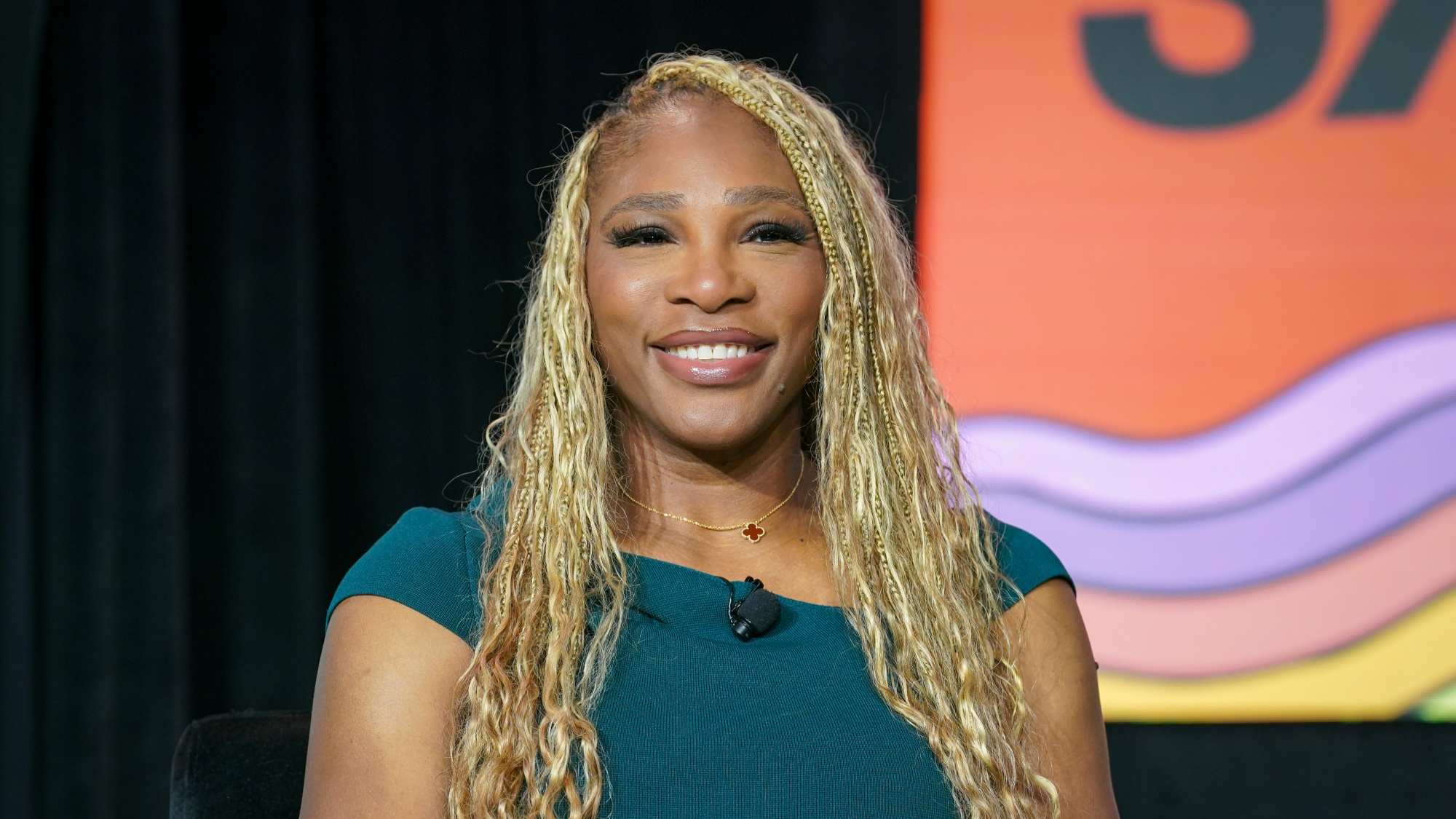
Serena Williams has been extremely vulnerable in sharing her near-fatal childbirth experience, which is often similar to what Black women have often voiced as concerns in maternal health. After giving birth, Williams had to advocate for herself when medical staff initially dismissed her concerns about blood clots, a condition she had a known history of. Williams continues to utilize her experience and platform to speak openly about the disparities Black mothers face.
“Giving birth to my baby, it turned out, was a test for how loud and how often I would have to call out before I was finally heard,” she wrote for Elle Magazine in 2022. “Let me be clear; every mother, regardless of race or background, deserves to have a healthy pregnancy and childbirth.”
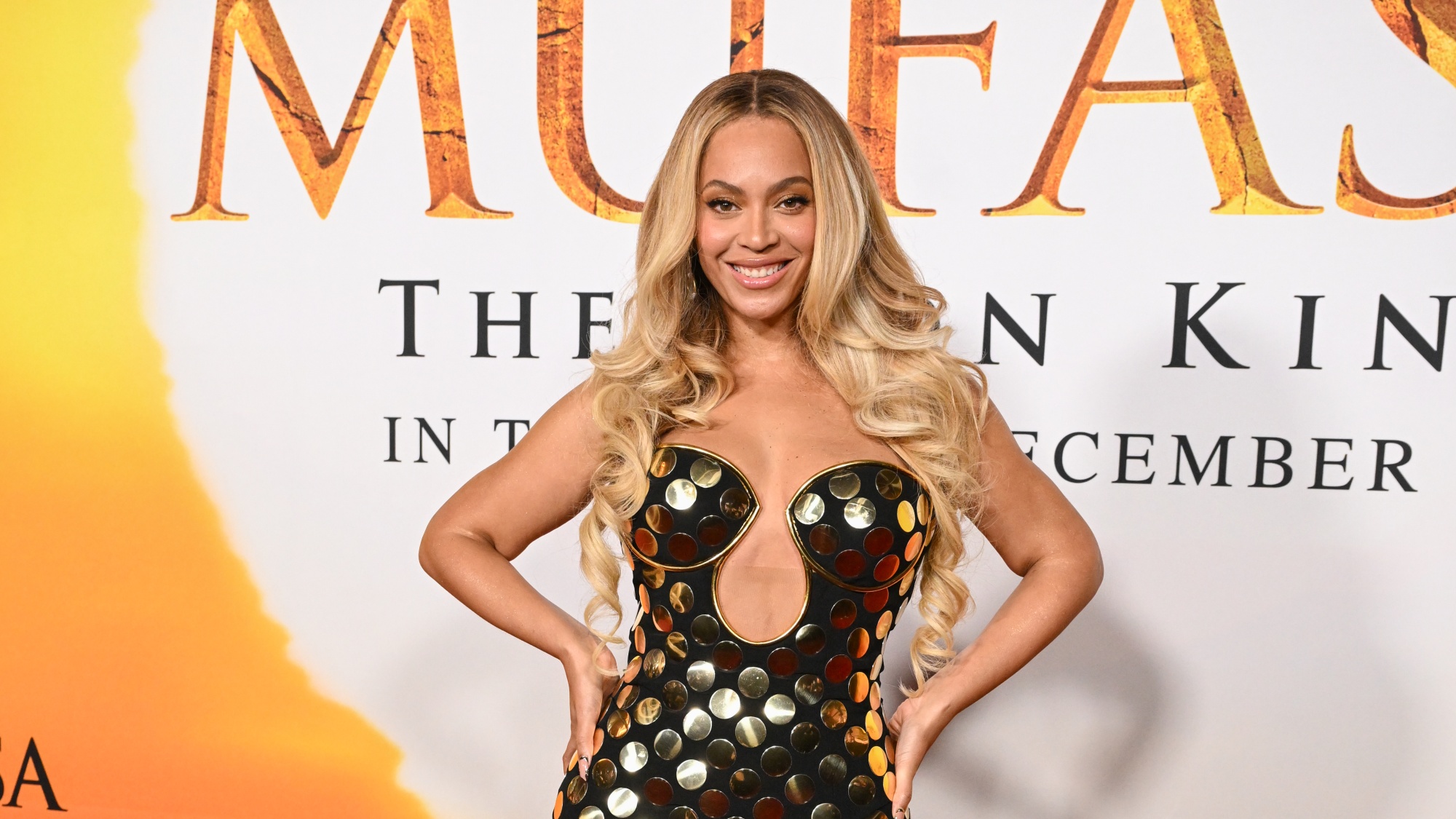
Beyoncé
In her Netflix documentary Homecoming, Beyoncé revealed she developed preeclampsia during her pregnancy, leading to an emergency C-section and further complications. “I was 218 pounds the day I gave birth … I had high blood pressure. I developed toxemia, preeclampsia, and in the womb, one of my babies’ heartbeats paused a few times, so I had to get an emergency C-section,” she said.
“I was in survival mode and did not grasp it all until months later. Today, I have a connection to any parent who has been through such an experience,” she told Vogue in 2018. “My core felt different. It had been major surgery. … I needed time to heal, to recover … During my recovery, I gave myself self-love and self-care, and I embraced being curvier … I accepted what my body wanted to be.”
Allyson Felix
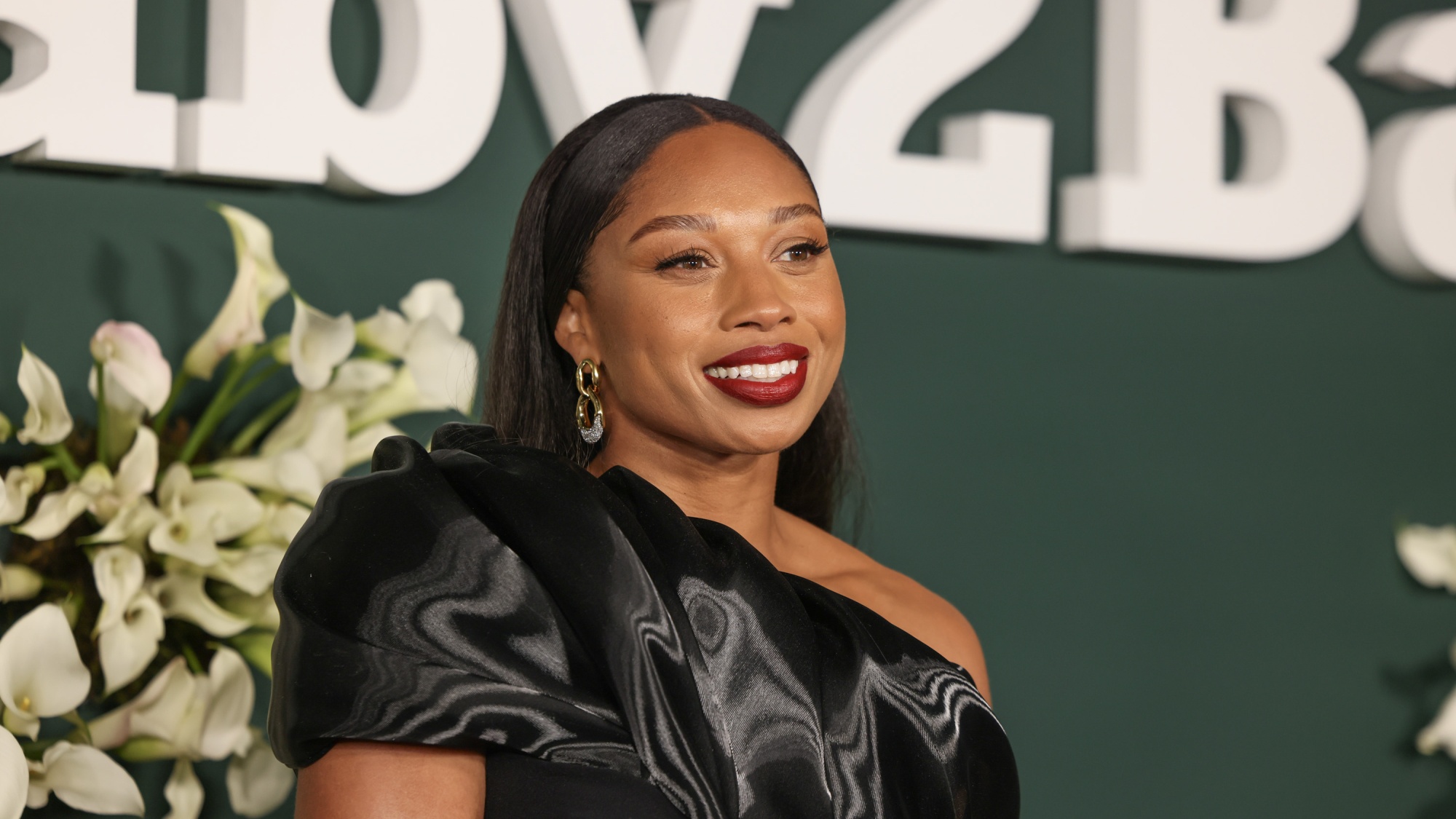
After Olympian Allyson Felix experienced severe preeclampsia, she has continuously expressed her vulnerability and sentiment with mothers as well as those expecting. She has advocated for improved maternal care and benefits within company structures such as Nike, which led to the implementation of new maternity policies that guarantee athlete compensation and bonuses.
“I’m an athlete. I take great care of my body and was in great health. I had a birthing plan. I was at one of the best hospitals in the country. There was no way anything could go wrong, right?” she said. “But my eyes were completely opened to the fact that no one is immune from this reality and that Black women face significantly higher risks — ones I wasn’t really aware of and looking for,” she stated.
“I am extremely proud to be an elite athlete and to have this legacy on the track, but it doesn’t stop there,” Felix said. “I am more than a sprinter. More than an Olympian. I am a mom. If I can use my voice and platform to speak on the inequalities facing Black pregnant women and the Black maternal mortality rate, I absolutely will.”
Michelle Obama
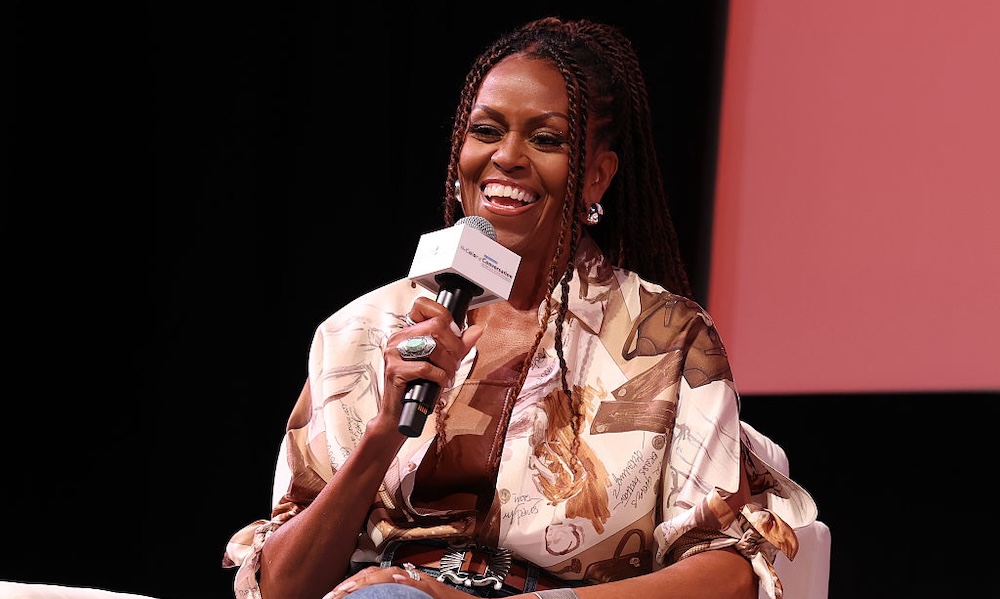
In Michelle Obama’s memoir, Becoming, she revealed that she suffered a miscarriage 20 years ago and struggled with infertility. Despite this, she was able to successfully proceed with IVF to conceive both of her daughters, Malia and Sasha. She doesn’t want women to feel ashamed or blame themselves if they have similar experiences, as well as advocating for maternal health treatment to explore various options that are beneficial.
Ciara
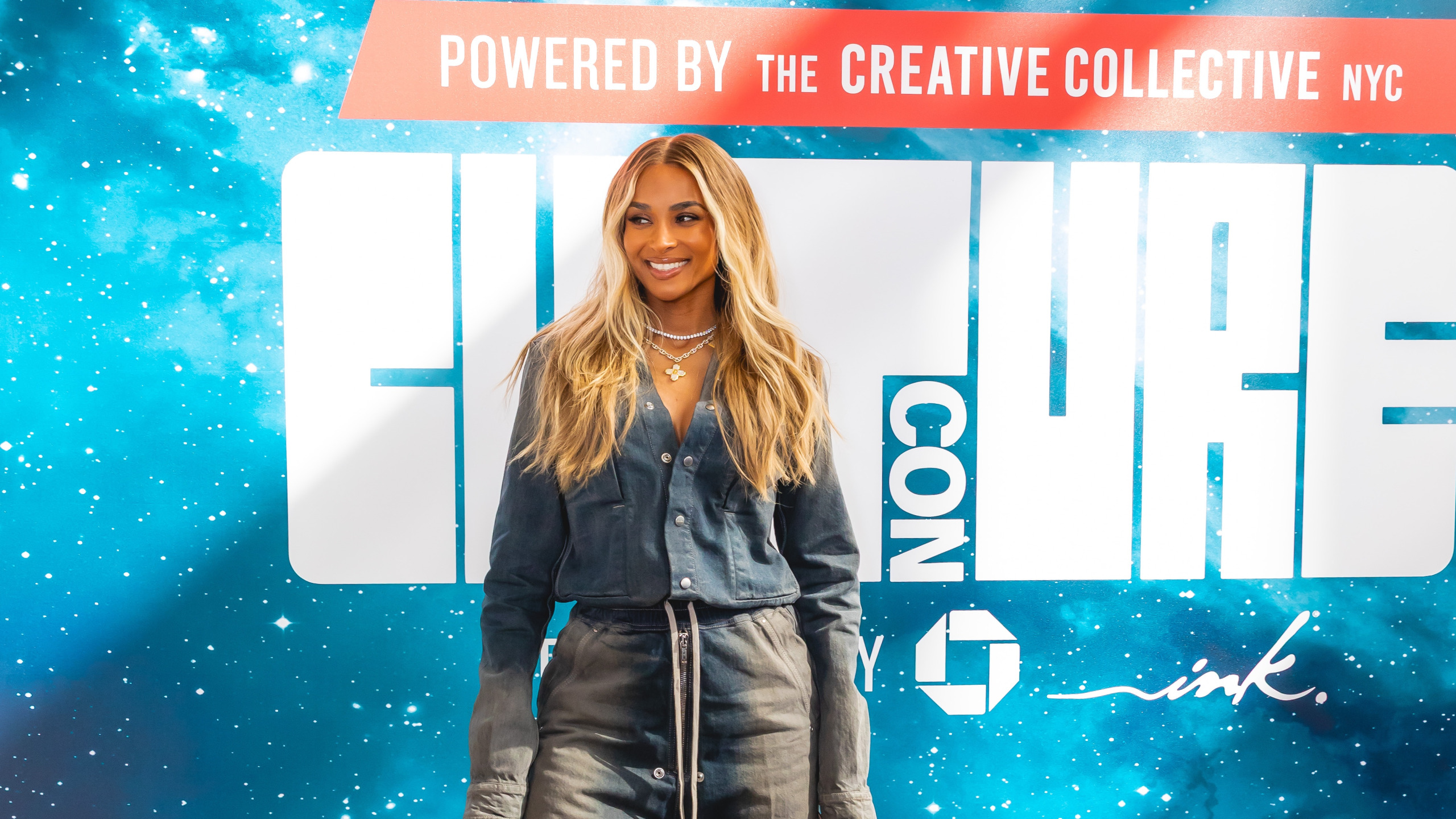
Ciara has used her voice to advocate maternal wellness surrounding postpartum and mental health. She has previously discussed managing her health conditions such as Diastasis Recti and the process of retraining her muscles throughout postpartum. She often utilizes her social media platforms to document her fitness journeys and maternal health conversations.
Gabrielle Union
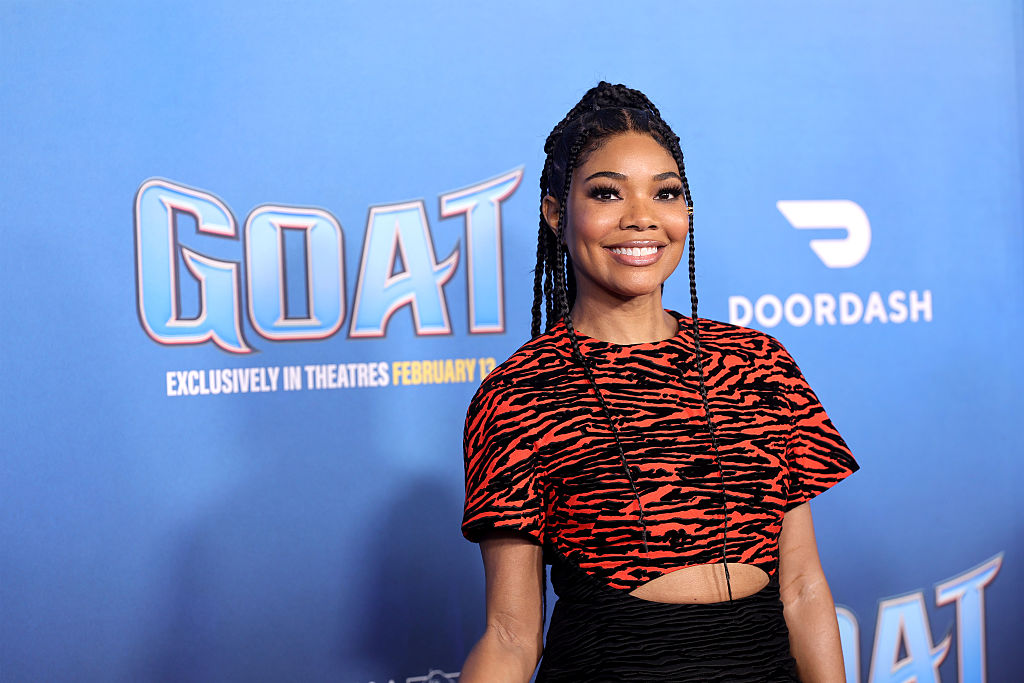
Gabrielle Union has been extremely transparent regarding her advocation for surrogacy and navigating motherhood by redefining what it means to you. Previously, she described her body as a prisoner of IVF after she experienced numerous miscarriages. She doesn’t want women to suffer in silence and encourages important conversations regarding the emotional, physical, and mental health challenges surrounding maternal health.
Teyana Taylor
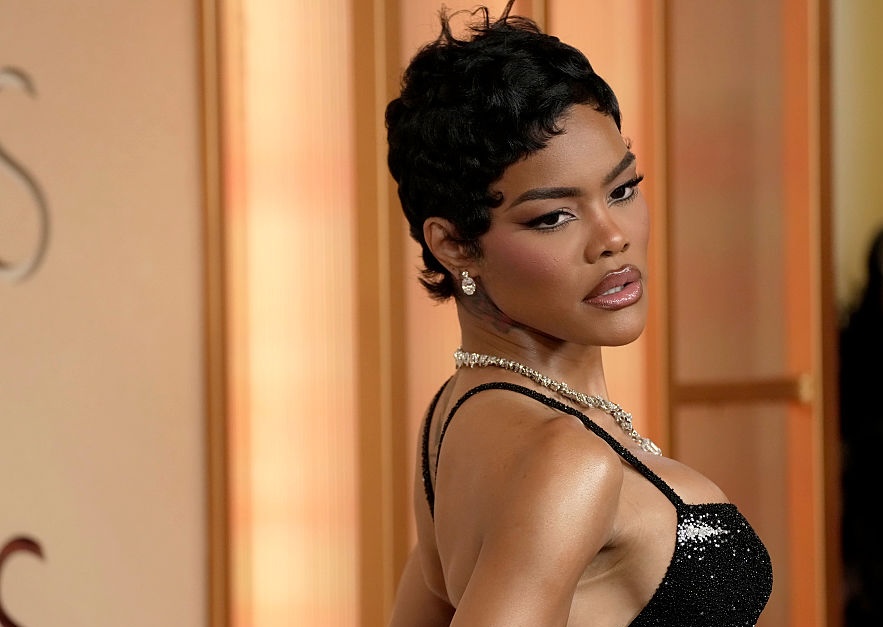
Teyana Taylor’s home birth story where she delivered her child in her bathroom with her ex-husband definitely captured public attention. Since then, she’s been consistently vocal about her maternal health surrounding postpartum depression, high-risk births, and societal pressures that can often come with overwhelming expectations that’s placed upon motherhood.
Porsha Williams
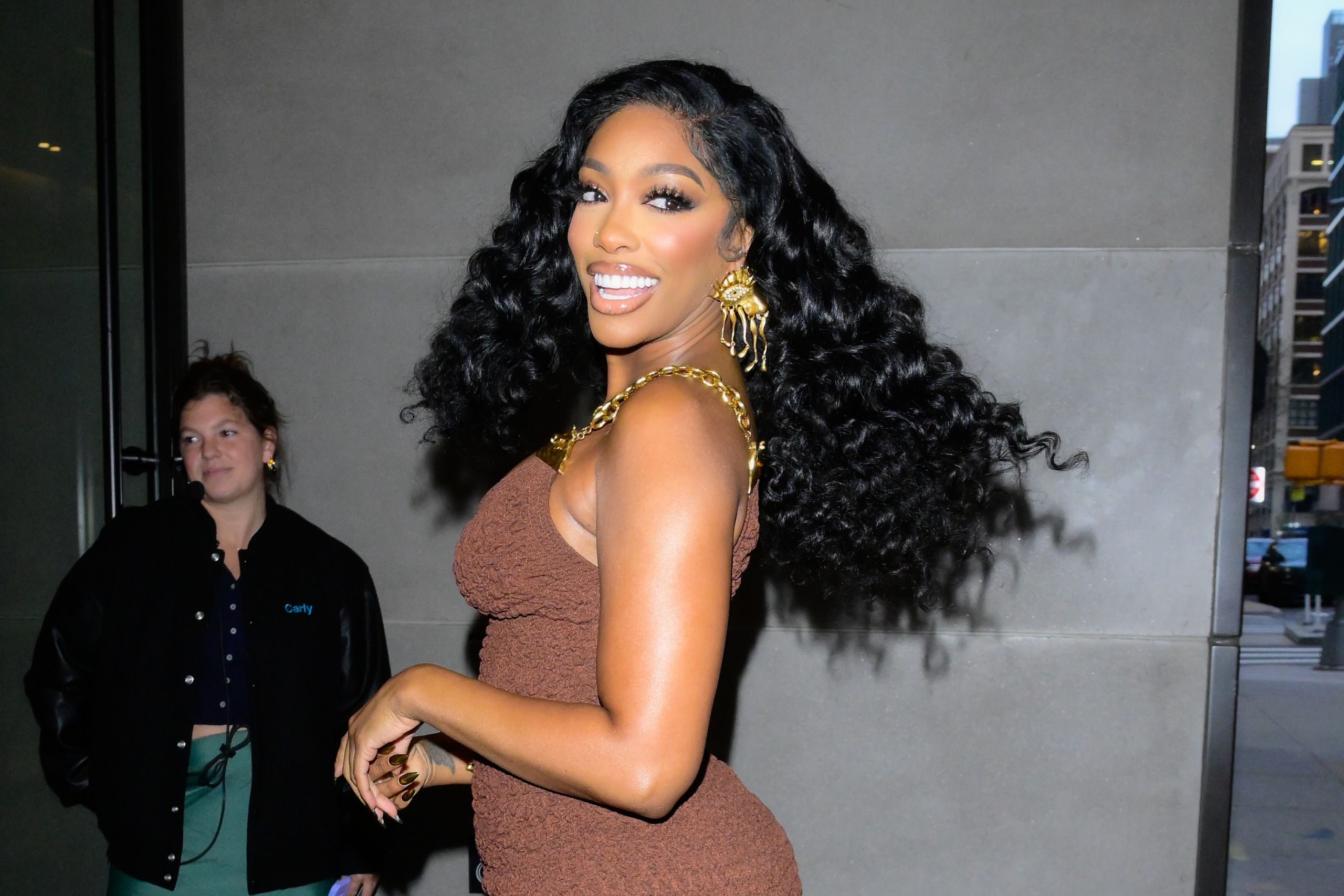
Porsha Williams has spoken previously regarding her struggles with preeclampsia and postpartum depression. She has sparked further maternal health discussions regarding complications with fibroids, which can impact fertility and advocacy, to embrace postpartum bodies. As she’s shared her experiences with being dismissed by healthcare professionals, she continuously empowers women to trust themselves while seeking proper care.
Viola Davis
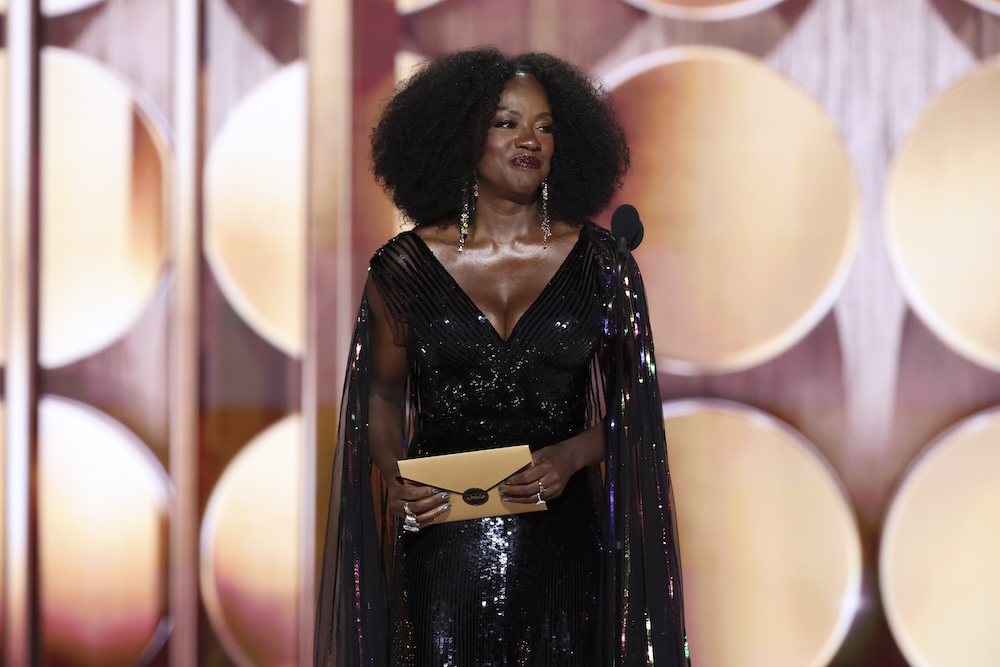
Viola Davis has utilized her platform to advocate for concerns regarding maternal health through awareness and storytelling. She narrated and supported the documentary The Ebony Canal, which dissects the integral maternal health crisis that continuously impacts the Black and brown communities. Furthermore, she pushes conversations surrounding maternal health toward accountability in systematic inequities and elevates the urgency of our women.
Keke Palmer
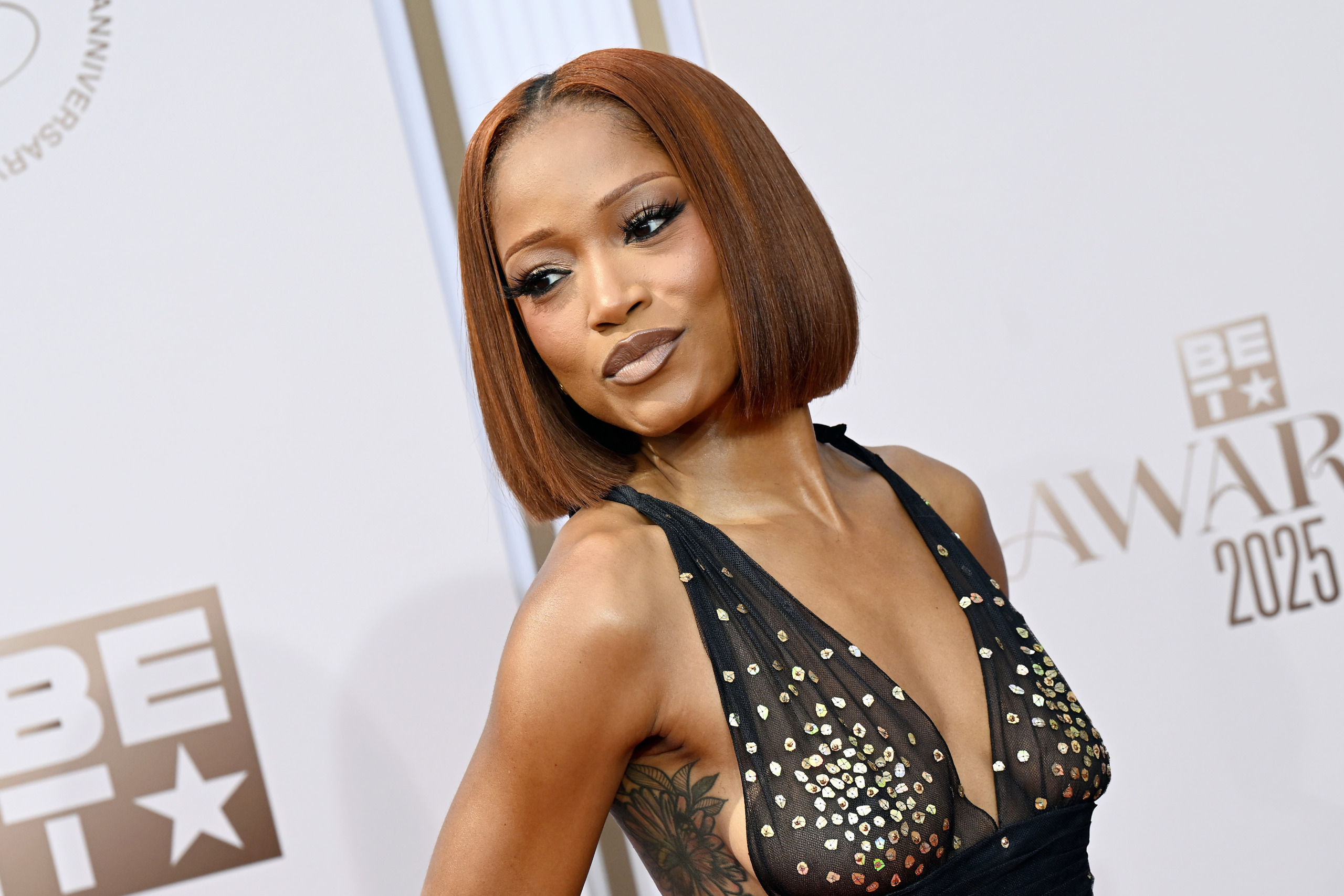
Keke Palmer’s authenticity speaks volumes as she advocates for normalizing the true reality of postpartum instead of conforming to societal pressures of “bouncing back” almost immediately. She encourages women to give themselves grace and patience while navigating one of the most vulnerable seasons that a woman can go through. She rediscovered a new version of herself that she didn’t know existed until after motherhood and she advocates that having a supportive village is essential through maternal health.
While awareness is only the first step, it is a powerful one. When Black women speak and are heard, they don’t just change narratives. They save lives.