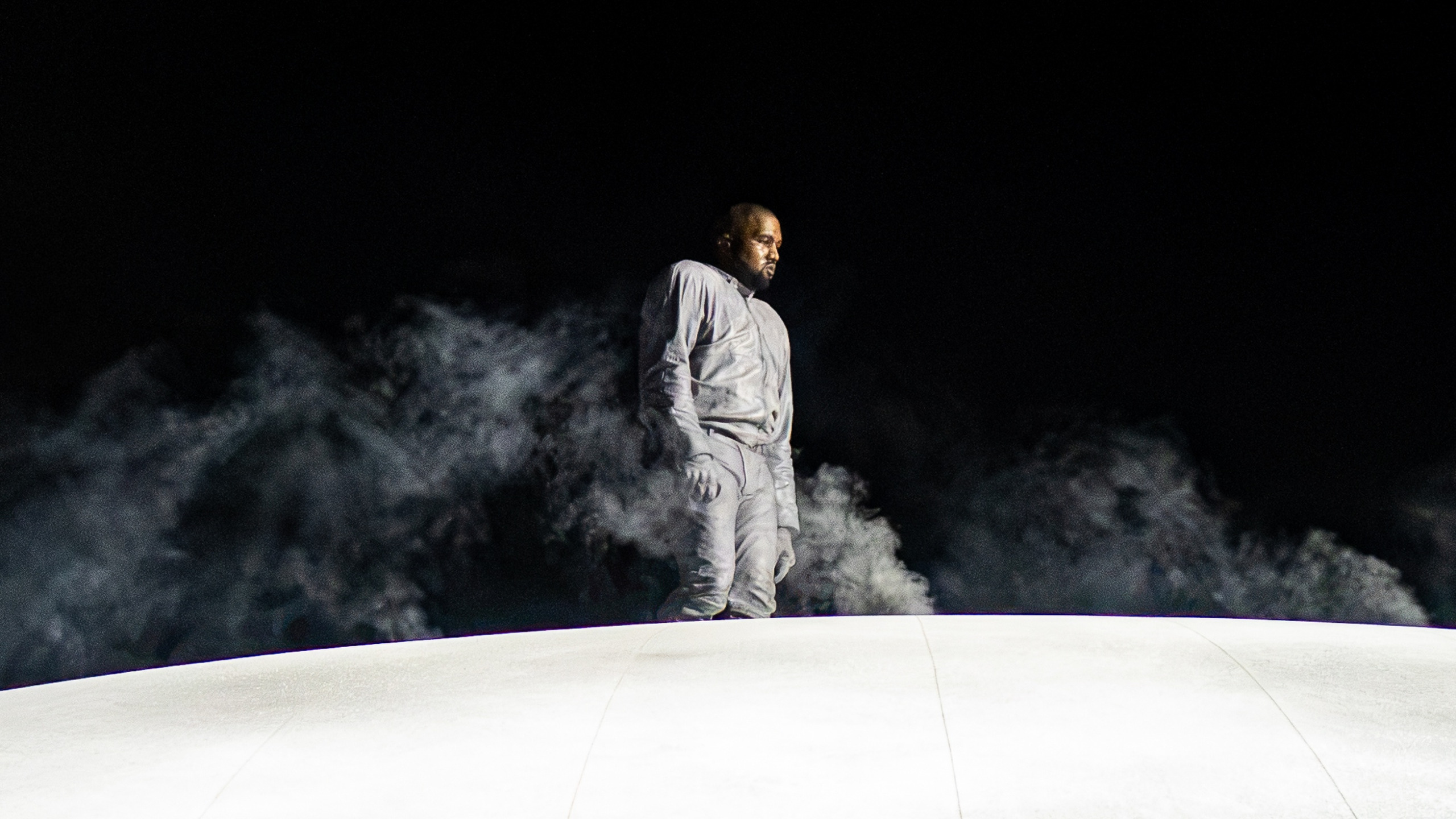
Seventy-one thousand voices shook Chicago’s Soldier Field as Ye, the artist formerly known as Kanye West, stood at its center, atop a large spherical stage in collaboration with Aus Taylor. Songs like “Heartless,” “Good Life,” “I Wonder,” and “Jesus Walks” erupted from the Chicago crowd, where fans rapped and sang along to a catalog that shaped more than two decades of culture.
Across two nights, Travis Scott, Future, 2 Chainz, Common, Rick Ross, Lupe Fiasco, Chief Keef, Twista and more joined him to perform. Among the surprise guests were Big Sean and Kid Cudi, two of his former proteges with whom he has publicly feuded with in recent years. By the end of Ye’s two-night homecoming, approximately 142,000 fans had packed the stadium to welcome him back home. “Canceled” may have described Ye’s standing with corporations, but it could not describe the scene in Chi-town. While the industry closed its doors, Chicago filled every seat.
Less than 15 months prior, Ye’s X (formerly Twitter) account was suspended for offensive statements and imagery, including declaring himself a Nazi, professing his love for Hitler and posting the Nazi-popularized Swastika symbol. Three years earlier, Adidas, Gap and JPMorgan severed ties with the Chicago icon following his remarks. Those consequences cost Ye partnerships and institutional support, but the scene at Soldier Field revealed a different story.
Corporate Backlash Did Not Erase Cultural Loyalty
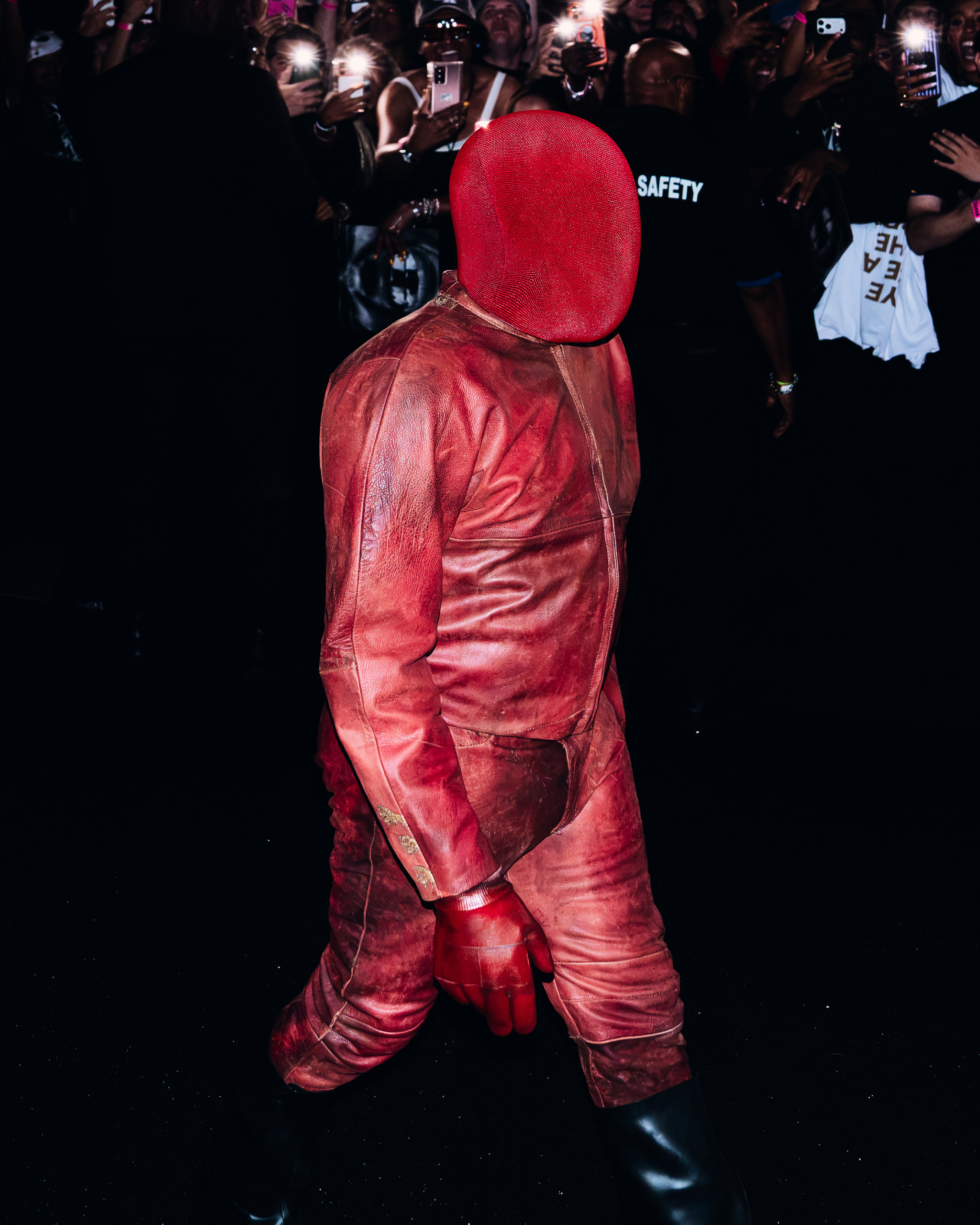
Despite his controversial statements, the “Power” musician’s commercial comeback shows the gap between online condemnation and the public’s day-to-day view. Online, Ye’s criticism creates the impression of a collective verdict, amplified by trending posts, suspended accounts and calls for boycotts. In real life, people of all ages joined together to celebrate the cultural impact of his music. The homecoming show reflected a shared celebration, not the public reckoning shared online.
Approximately 148,000 tickets were sold over two nights at his first US concert this year at SoFi Stadium in April, and 118,000 people saw him perform in Istanbul, reportedly setting a record for the largest-attended concert in history, according to Turkey Today. More than 60,000 attended his Alamodome show in San Antonio in July. This does not necessarily indicate approval of his previous statements, but it shows that public outrage over statements and consumer behavior can coexist, at least for Ye.
Beyond the stage, YEEZY footwear has returned to major retail through JD Sports and Finish Line, further demonstrating his sustained commercial appeal, but this only proves personal demand, not personal transformation. This reflects a broader pattern. Sold-out stadiums and renewed retail demand display that widespread online criticism has not resulted in cultural abandonment. The real test is not whether audiences return. It is whether Ye consistently rejects the rhetoric he once promoted and uses his influence differently moving forward.

Forgiveness and Redemption are Not The Same
Ye’s road to potential redemption was initiated in January when he advertised a public apology in the Wall Street Journal, addressing “those I’ve hurt,” prior to the release of his most recent album, Bully. “Some of the people I love the most, I treated the worst,” he said. “You endured fear, confusion, humiliation, and the exhaustion of trying to love someone who was at times unrecognizable. Looking back, I became detached from my true self.”
Ye denounced his previous embrace of Nazism and cited his bipolar disorder in connection to his near-fatal 2002 car accident, inspiring his song “Through The Wire.” He later expanded on that apology in an interview with Vanity Fair. The “Preacher Man” rapper explained that many of his most hurtful statements derived from a manic episode.
“When you’re manic, you really don’t think that you’re sick. You think that everyone else is deeply overreacting,” he told Vanity Fair. “You feel like you’re seeing the world so much more clearly on things, when in reality you’re losing your grip entirely. That’s what it felt like at that time.”
Ye added that he did not fully recognize the magnitude of his actions until the episode had ended. This is not the first time he has apologized for hurtful statements, but what appears to be different now is his willingness to speak candidly about his diagnosis, accept responsibility and acknowledge the work required to manage his condition. That honesty may create room for understanding and forgiveness, but redemption must be demonstrated through sustained accountability.

The Black Community’s Complex Relationship with Ye
Earlier in his career, Ye did more than make music that Black communities embraced. His debut album, The College Dropout, challenged the conventional norms surrounding education and success. Songs like “All Falls Down,” “Spaceship,” and “Jesus Walks” explored materialism, faith, and the pressure of proving one’s worth in American society. At a time when hip-hop struggled to understand his vision, his self-assured bravado insisted that a Black producer from Chicago could be not only a rapper but a global creative leader without shrinking himself to meet anyone’s expectations.
His rise to superstardom felt communal. Black listeners saw their own aspirations and struggles in his music, resulting in a success that represented creative freedom and self-belief. However, his later moments of anti-blackness complicated that relationship. His 2018 assertion that slavery was “a choice” reduced centuries of enslavement and systemic oppression to a matter of individual choice. It felt like a betrayal from an artist whom the Black community helped champion. The contradiction between an artist who once provided a voice to the Black community and later diminished it is what any road to redemption must confront.
This complex history adds weight to Ye’s Wall Street Journal apology. “In that fractured state, I gravitated toward the most destructive symbol I could find, the swastika, and even sold t-shirts bearing it.. regret and am deeply mortified by my actions in that state and am committed to accountability, treatment, and meaningful change,” he said.
Ye also offered context for his mental-health journey, explaining the difficulty in finding proper dosage and medication. The National Institute of Mental Health (NIMH) cites that some people with bipolar disorder may need to try several medications before finding the one that works best. In 2022, only 37.9 percent of Black adults with a mental illness received treatment, compared to 56.1 percent of White adults, per NIMH data. “I’ve been put on and taken off of many medications,” he told Vanity Fair. “That’s just part of the journey.”
While the context deepens the public’s understanding of the circumstances surrounding his behavior, it does not erase the impact. The Black community may remain invested in Ye’s artistry and cultural legacy, and may even choose to forgive him, but redemption will ultimately be measured through sustained accountability and changed behavior. This requires consistently rejecting anti-Black and antisemitic rhetoric, remaining committed to treatment, and using his influence to repair, rather than repeat the harms he’s caused. Whether Ye is willing to pursue that deeper transformation will only become clear over time.