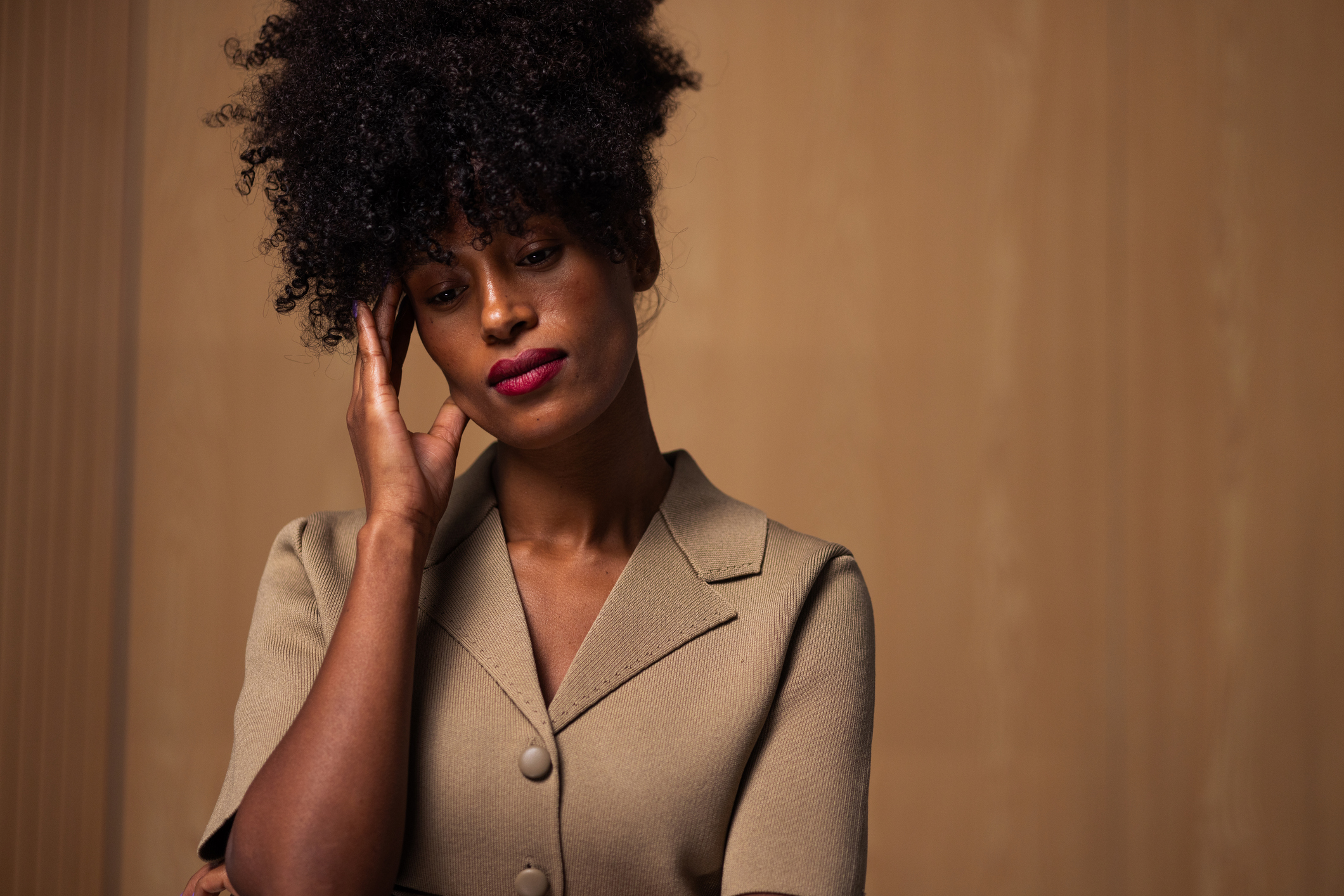
For decades, Black women have consistently shown up to save democracy, organize communities, raise families, protect institutions, and vote even when the country gives them very little reason to believe the system will protect them. And this consistency has often yielded little return on investment.
In the 2024 presidential election, Black women did it again. 92% of Black women voted for Kamala Harris, according to CBS News exit polling, once again making Black women the Democratic Party’s most loyal and politically dependable constituency.
But this level of consistency should not be confused with satisfaction.
Behind the turnout numbers is a growing sense of political exhaustion that feels less like temporary frustration and more like emotional burnout. A recent focus group conducted by Navigator Research on May 20, 2026, involving Black women who voted for Harris in 2024 or who identify as Democrats or Democratic-leaning voters, revealed something Democrats and political strategists should take seriously: many Black women are beginning to feel like the country they keep rescuing is no longer interested in rescuing them.
One respondent described the absurdity of this lopsided relationship through her economic reality. “Having two incomes and still not being able to make ends meet is insane,” she said while discussing how even basic spending now requires constant calculation.
These women were not detached from politics. If anything, they were consumed by it. During the focus group, they discussed inflation, healthcare costs, AI replacing jobs, voting rights, racism, reproductive freedom and the emotional exhaustion of living in a country that increasingly feels unstable and hostile.
Another participant, a single mother dealing with kidney-related health issues, described the emotional toll of trying to navigate today’s job market while unemployed. “You won’t even give me a chance to get the experience I need or show you the skills that I have,” she said.
Black Women Are Tired of Performing Faith in a Democracy That Feels Transactional
For years, Black women have been framed as the moral center of American politics. Every election cycle, headlines celebrate them for “saving democracy,” particularly in swing states and urban voting centers. Yet the focus group conversations suggest many Black women are growing weary of being treated like democracy’s emergency contact.
Healthcare and affordability emerged repeatedly throughout the discussions as symbols of the disconnect they experience. Another respondent criticized rising healthcare costs and pharmaceutical profits while everyday people struggle to survive.
“The doctors are getting richer, big pharma’s making millions every year. We’re getting no benefit from that,” she said.
Another participant from Mississippi described living in a community where hospitals closed, businesses disappeared, and residents must drive nearly an hour just to access basic medical care or employment opportunities. “We’re dying. There’s nothing here,” she said.
Turn The Cameras Off and Do the Work
Participants also expressed growing frustration with performative politics, particularly the kind of election-season outreach that treats Black communities as cultural staging grounds instead of places deserving sustained investment. Several women criticized politicians who suddenly appear in Black neighborhoods flanked by celebrities, curated playlists, church visits, and viral campaign moments while failing to materially engage those same communities once the election is over.
“It’s the pandering with the celebrities that we don’t care about because they got money,” one participant explained. “It should be more of them actually being in the community.”
Too often, Black voters, especially Black women, culture is embraced while their communities remain underfunded and economic opportunity disappears.
The deeper tension is that many Black women no longer see proximity as proof of commitment. Taking photos in Black spaces, quoting Black cultural references, or standing beside Black celebrities no longer automatically translates into trust.
Real trust requires consistency and leaders who are visible outside election cycles and invested beyond optics. Shared identity is no longer enough to guarantee political loyalty or civic enthusiasm. Increasingly, Black women are asking a far more difficult and substantive question of politicians: beyond performing familiarity with Black culture, are you actually willing to materially fight for Black people once the cameras leave?
Many Black Women Believe America Is Regressing in Real Time
Perhaps the most emotionally charged moments in the focus groups emerged when participants discussed fear.
Fear that racism is becoming more publicly acceptable. Fear that voting rights are being weakened intentionally. Fear that reproductive freedom is disappearing. Fear that the country is becoming more hostile toward difference itself.
“They want to send us back to the ’50s,” one of the respondents noted while discussing the current political climate.
Another participant connected modern voting restrictions to historical Black political suppression. “My grandma’s family died and we’re going back now in 2026,” she said while discussing efforts to weaken voting protections and redraw political districts in ways that could dilute Black voting power.
One respondent from Mississippi described feeling relieved after a judge temporarily stalled redistricting efforts she believed would dilute Black voting power in rural communities. Still, the broader feeling throughout the conversations was that many Black women increasingly believe America is moving backward socially and politically in real time.
That fear is also reshaping how many consume political information altogether.
Several participants admitted they stopped watching cable news because it became psychologically exhausting and instead chose to consume information through TikTok, Instagram, YouTube commentary, podcasts and algorithm-driven social media feeds. For many of the women, political awareness no longer feels empowering. It feels emotionally consuming. Staying informed has become tied to anxiety, frustration and the constant psychological weight of navigating a country that increasingly feels unstable and hostile. Politics is no longer experienced as an occasional civic responsibility. It has become ambient stress woven into timelines, notifications, conversations and everyday survival.
Yet despite the exhaustion, many participants still expressed a deep awareness of what disengagement could cost future generations. That contradiction may ultimately define the political mood of many Black women heading into the 2026 elections. They are frustrated by political systems that repeatedly depend on their turnout while failing to address the realities shaping their lives materially. They are emotionally drained by symbolic gestures that rarely translate into structural change. Still, beneath the disappointment remains historical memory. Many Black women continue to engage politically not because they believe American democracy has fully honored them, but because they understand exactly how dangerous America can become when it stops pretending to.