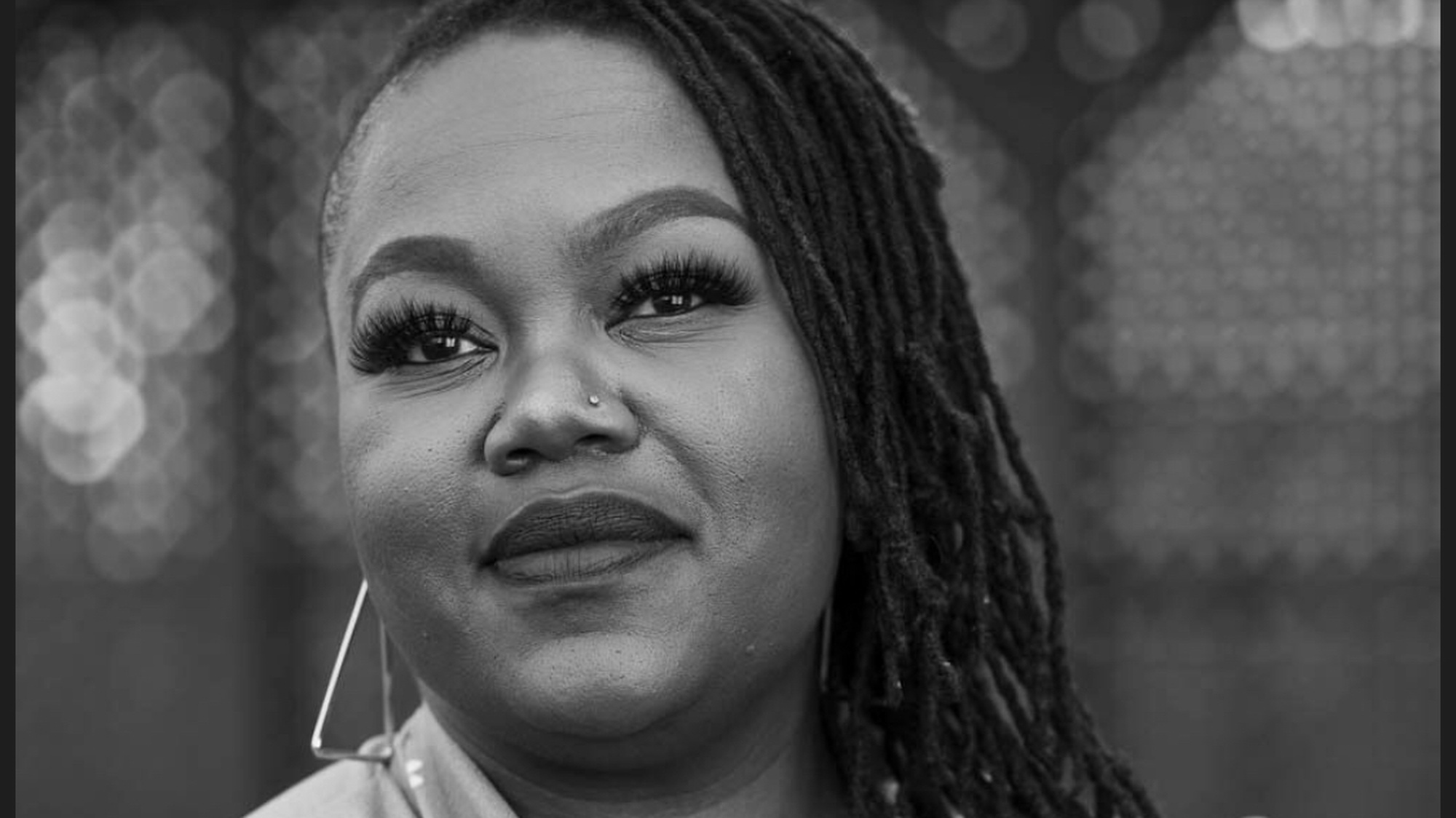
Black birthing people in the United States are fighting for their lives and for their joy. Leseliey Welch, co-founder of Birth Detroit and co-founder and CEO of Birth Center Equity (BCE), whose journey into maternal health began far from home, in a public hospital in Durban, South Africa. In 1998, as a research assistant at King Edward Hospital, witnessing firsthand how global inequities shaped who lived, who died, and who got access to basic care.
“What I learned at that time was that health was about more than good doctors, and that it was about whose lives we value and how much, and it was also about finance and money,” she told EBONY.
That realization pushed her away from a traditional medical path and into public health, with a focus on health behavior, health education, and women’s and reproductive health, later adding business administration to her toolkit. During her graduate studies, she encountered doulas and midwives for the first time, and attended a birth as a volunteer doula—an experience she says changed everything. “The truth is we can birth safely out of the hospital, but most people don’t know that, and now it is imperative that we know that and that we use what we know to shift the culture of birth, because our lives depend on it,” she said.
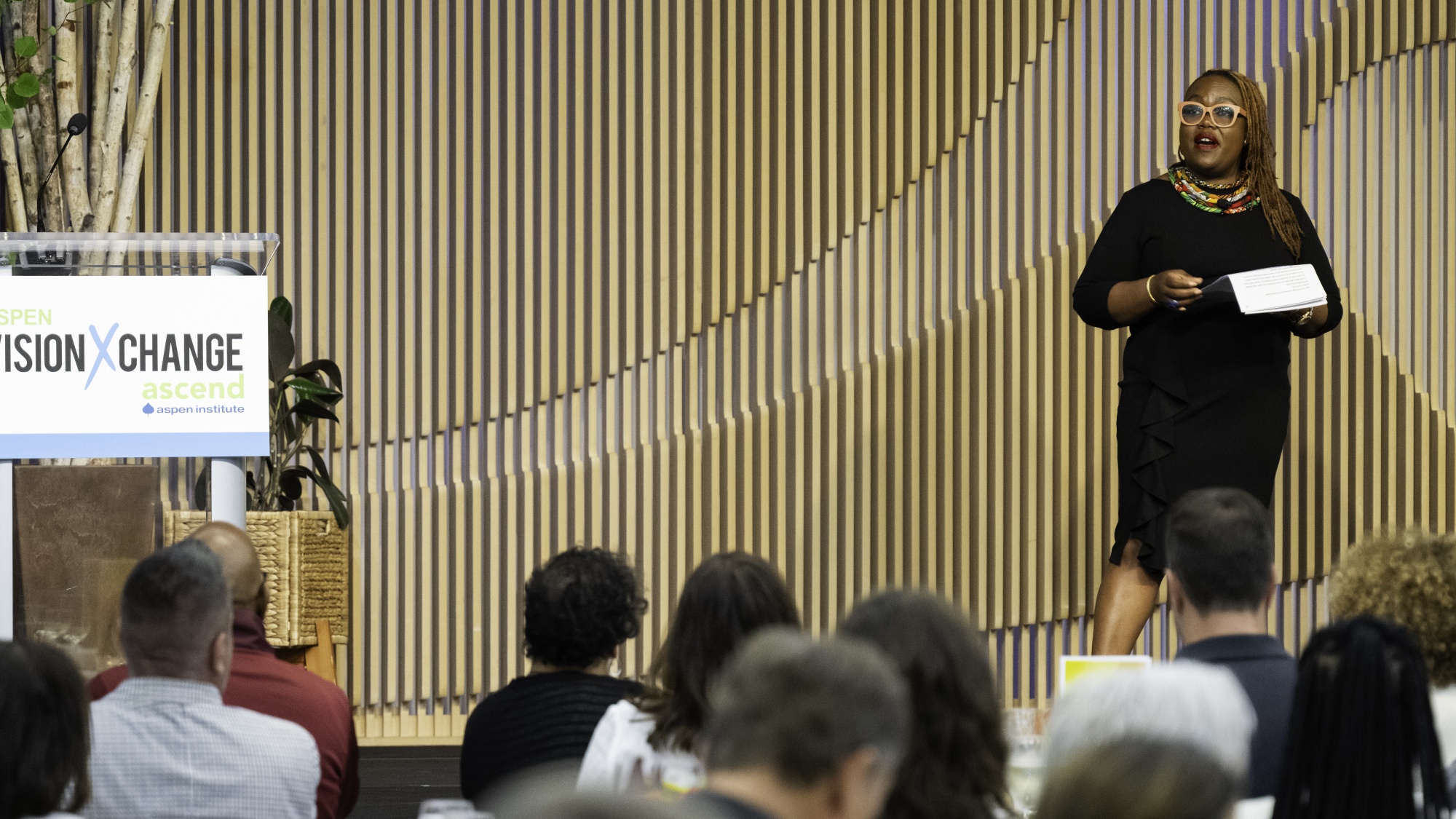
Welch’s commitment is also deeply personal. Her first child was born prematurely and spent time in the NICU. Her work in public health administration revealed another stark truth: while decades of evidence show that midwifery care leads to better birth outcomes—fewer cesareans, fewer preterm births, higher breastfeeding rates, more respectful care—resources were not flowing to midwives or birth centers, especially in Black communities.
Birth Center Equity was born in April, 2020, during the early weeks of the COVID-19 pandemic. “I understand, there’s inequity in birth outcomes, but there’s also a stark inequity in birth options, and there were no birth centers in my community,” she told EBONY. “People told us it was not possible, we couldn’t do it, nobody would fund it, and we said, No, that is actually not true, and we’re going to do this.”
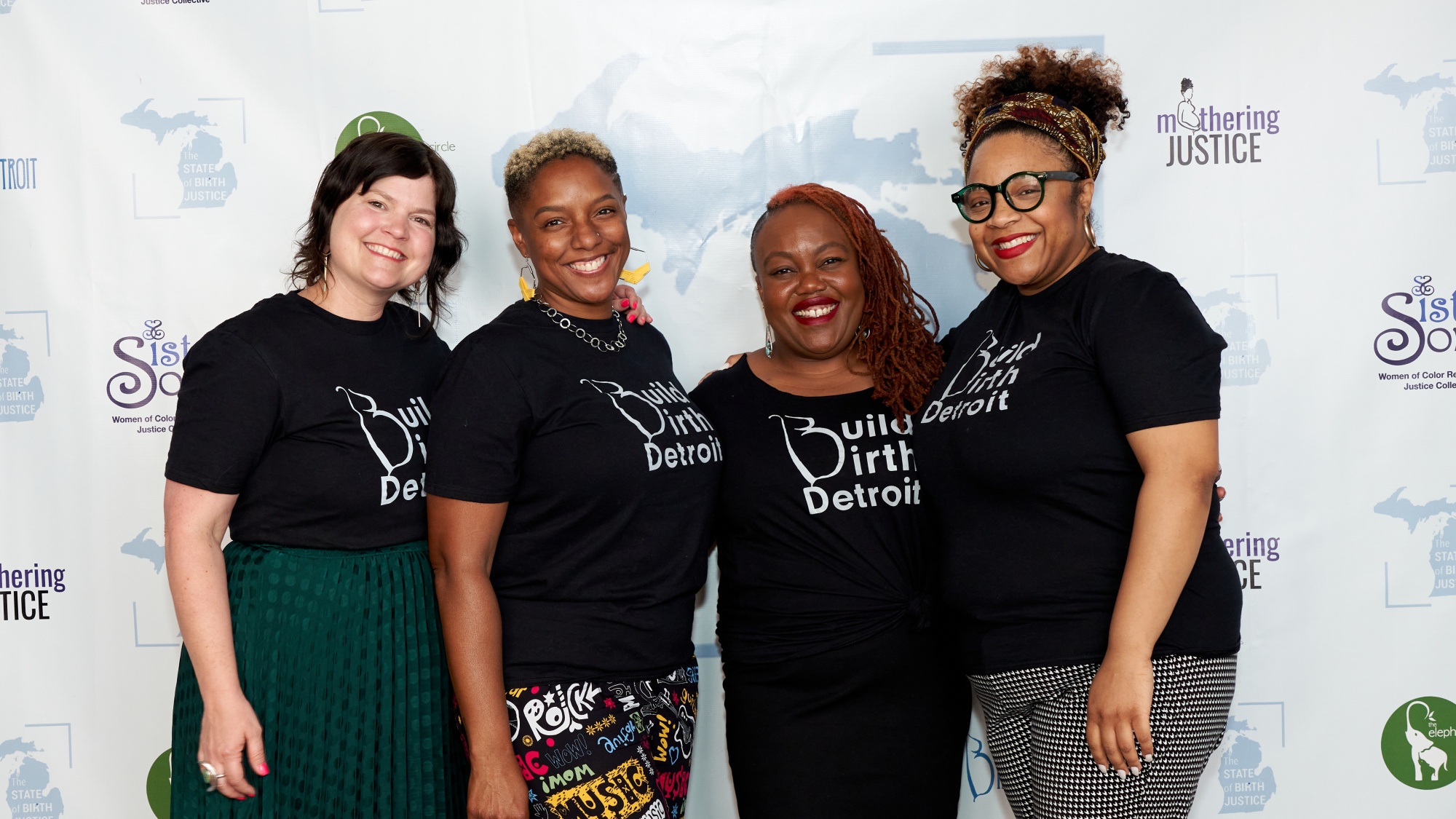
Welch’s commitment to midwifery and birth equity is not just a professional endeavor; it’s a deeply personal mission rooted in her own experiences. She advocates for policy reforms that could transform healthcare systems and improve birth options for families, and that starts with funding.
“Financing is critical, and I will say that it is not true that the resources don’t exist,” she said. “We have a billion-dollar health care industry in the United States. It is just not all allocated in the best interest of families, and it is not allocated in particular in the best interest of women, children and people of color.”
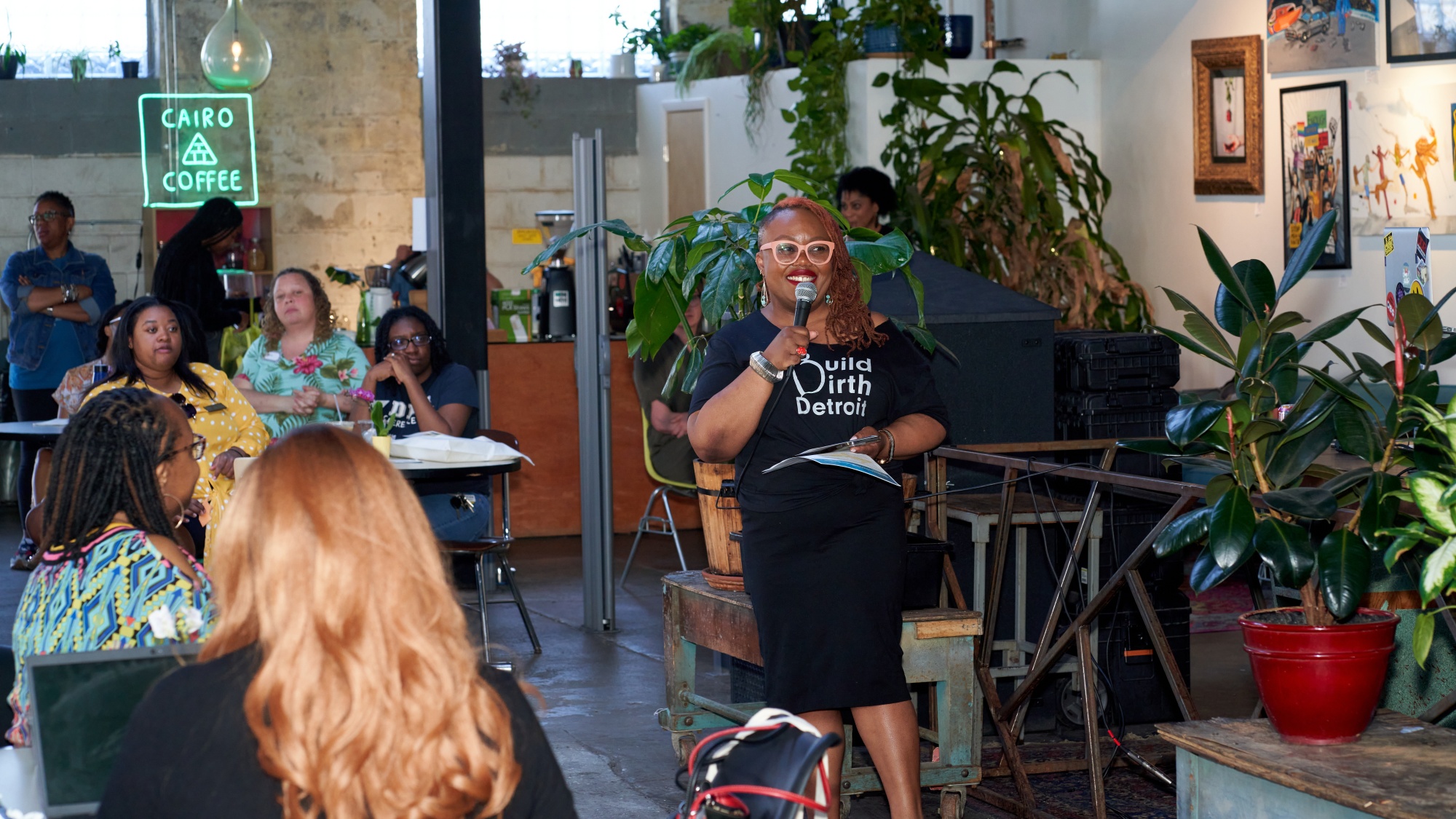
Welch is clear that philanthropy alone cannot sustain this vision. She calls for sweeping policy change—from federal bills like the Black Maternal Health Momnibus and Midwives for MOMS Act, to state-level reforms that would allow midwives to practice to the full extent of their credentials and roll back restrictive certificate-of-need laws.
“We cannot rely upon philanthropy in perpetuity to do what our health care systems and our government should be doing for population health,” she said. “As a public health professional, I firmly believe that midwifery care and birth centers are a strategy for population health improvement.”
Beyond survival and systems, Welch insists on joy as a measure of success. At Birth Detroit and across the BCE network, she says, the goal is not just for people to make it through childbirth alive, but for them to feel loved, respected and at home. Transforming birth, for Welch, means building a future where Black families don’t have to fight for that feeling, and it should be the standard.