For generations, Black-owned media have documented our stories when few others would. But as layoffs sweep through newsrooms, advertising dollars shrink, and anti-DEI sentiment reshapes corporate priorities, many of those institutions are fighting for survival. Brands are having to significantly decrease their workforce. Journalists are being laid off in droves and increasingly pushed toward becoming personal brands on social media when many simply want to focus on reporting the news.
Among the most pertinent obstacles hindering Black media are investment scarcity and the rapidly evolving technological landscape. This has left media companies more vulnerable than usual. In part, this is due to the anti-DEI regime we’re facing as a community, which is yet another hurdle to equity. Without essential resources like funding, the industry as a whole faces potential erasure, which is already creating gaps in representation, employment, and access to reliable information in real time. What’s most disappointingly familiar in all of this is that we have always been expected to do more with less.
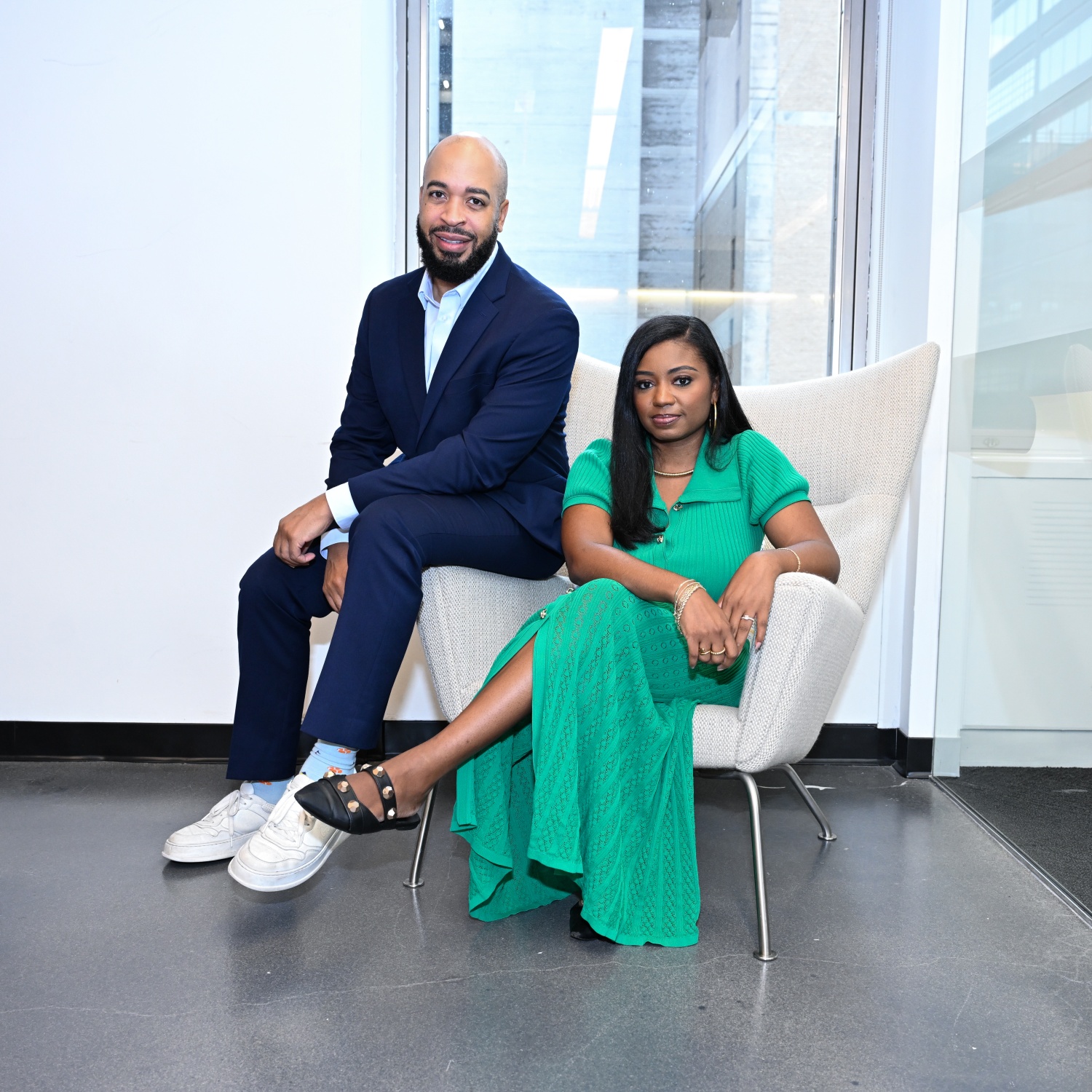
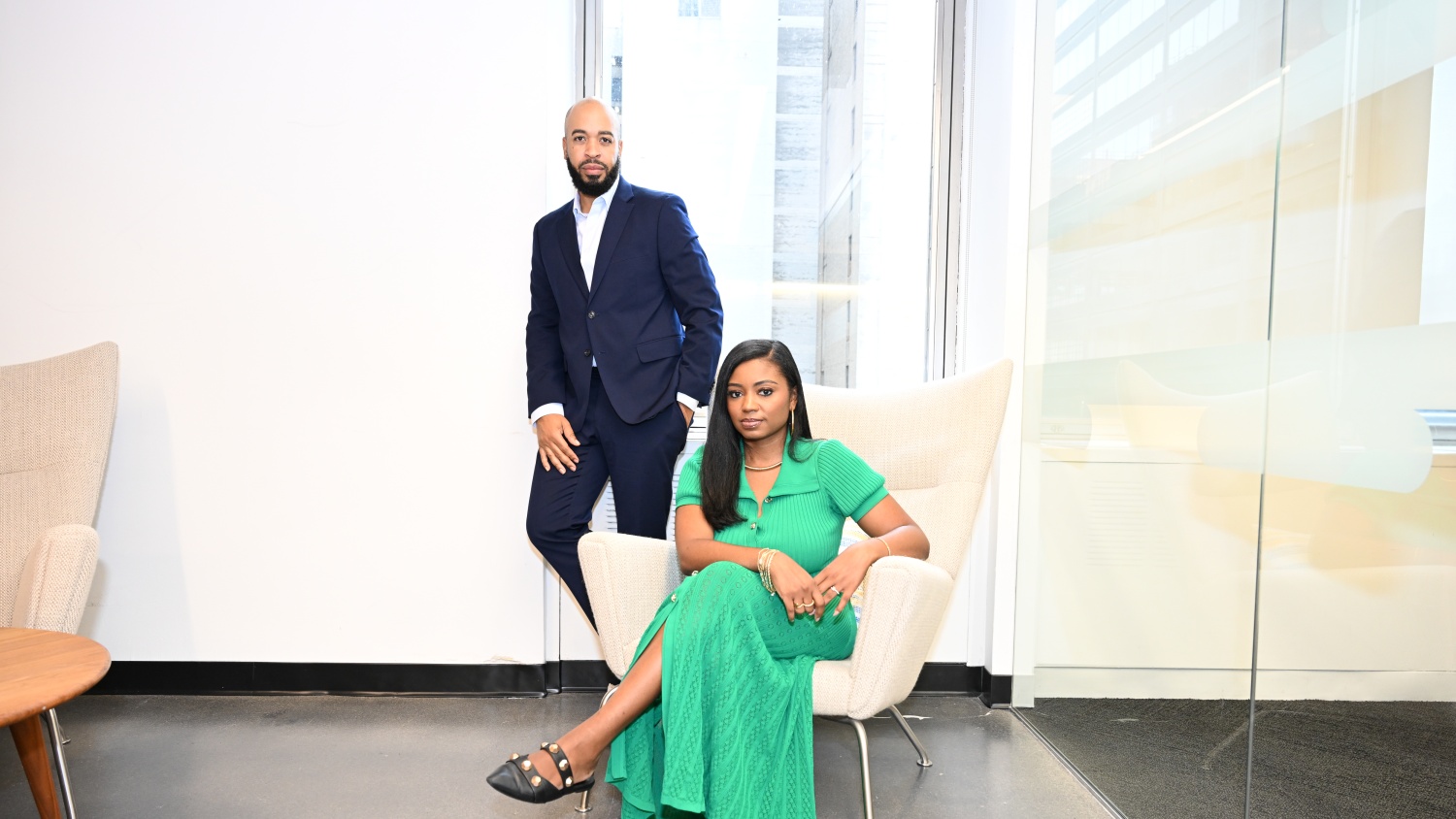
Still, founders Rhonesha Byng and Dévon Johnson have stepped up to help fill in the gaps through their Black-Owned Media Equity and Sustainability Institute (BOMESI). Together, Byng and Johnson have created unique opportunities with their accelerator program to increase the number of diverse and Black-owned media companies while ensuring each is positioned to operate sustainably.
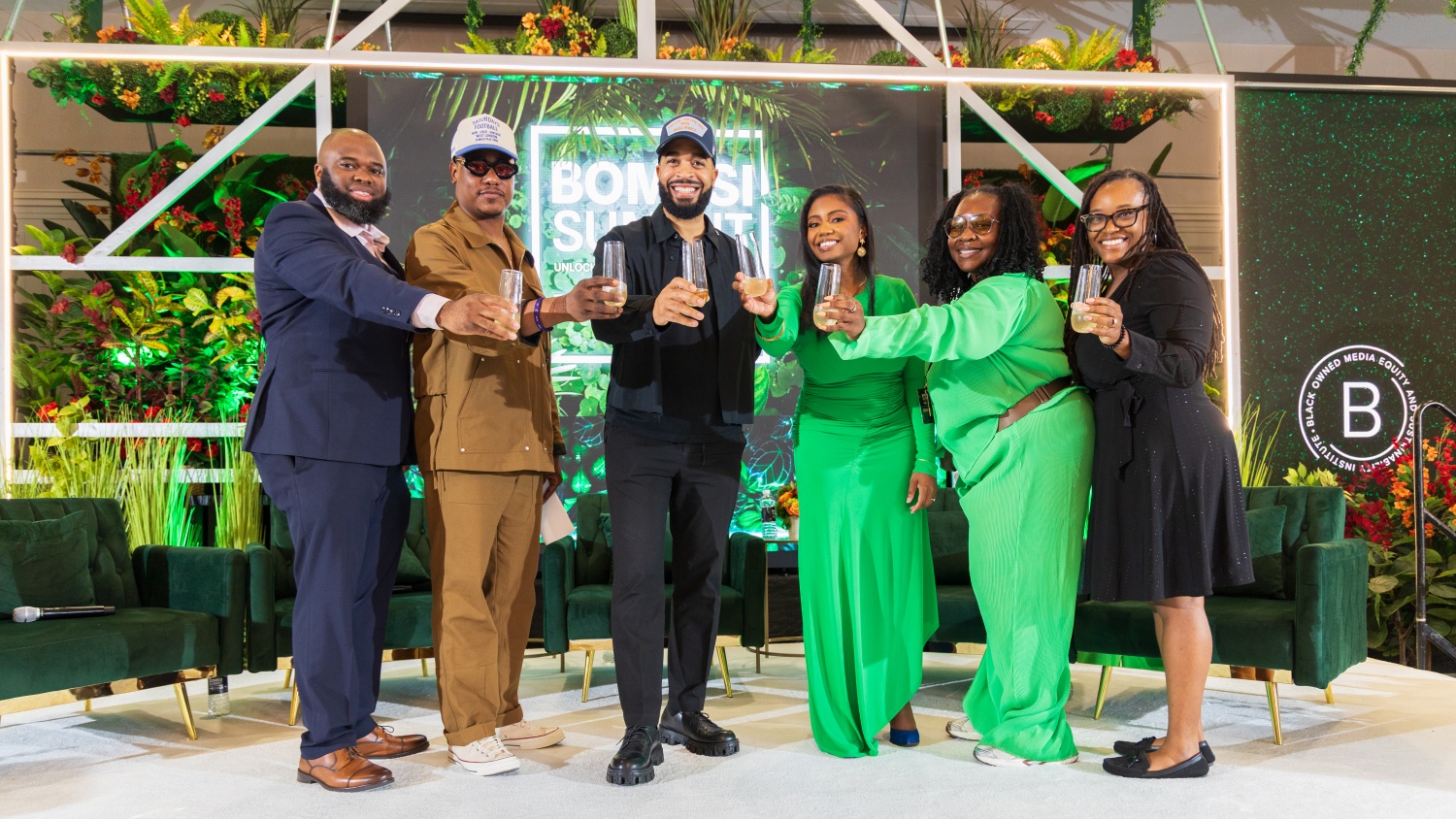
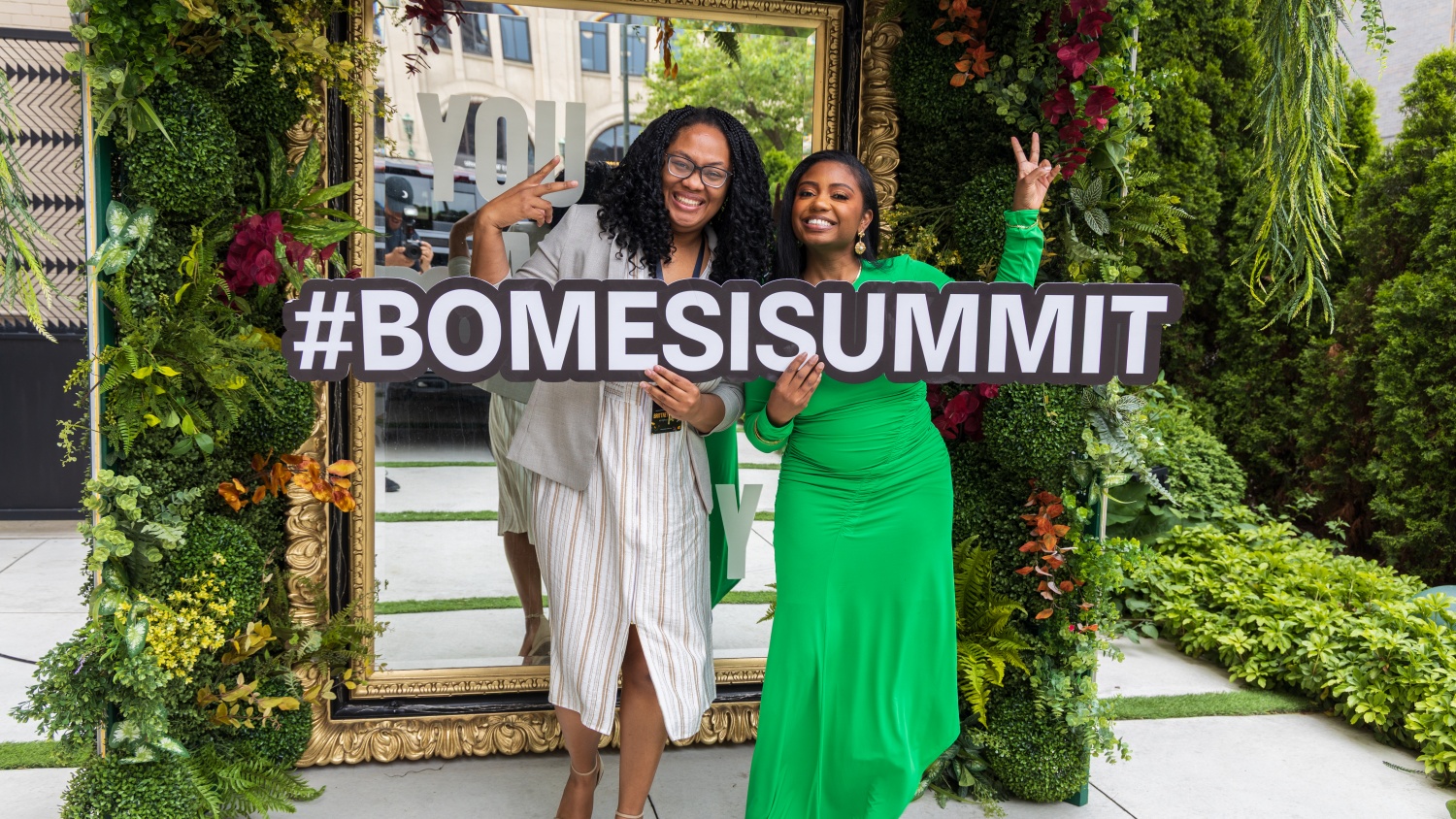
As industry veterans, their combined experience allows them to pass along practical knowledge while building a community designed to support founders and media companies alike. One of the ways they’re providing access to resources made to support media companies and those working within the industry is through the annual BOMESI Summit. This year’s theme is Mobilizing Culture: The 5.3 Trillion Opportunity For Media & Brands and it’s happening June 3 through June 6 in Detroit, MI. The theme references the growing economic influence of multicultural consumers and the opportunity Black-owned media companies have to help brands reach those audiences authentically.
Beyond the in-person summit, BOMESI offers accessibility in the form of their accelerator program and the next cohort opens in June. “The accelerator program is the opportunity to really go deep, it’s a white glove experience of how to level up the advertising in the business side of your media company,” Byng told EBONY. “It’s about three months of training and mentorship in addition to having your cohort support you through the journey.”
What makes BOMESI’s approach especially impactful is the emphasis on sustainability beyond a singular event or short-term visibility. “We wanted to make sure the output of our accelerator was a little different,” Johnson said. “So, throughout the year we have webinars and training. We facilitate meetings and partnerships where there’s opportunities for deal flow. We actually have them make money in partnership.”
The organization itself was built with intentionality from the very beginning. “BOMESI as a brand started off as a nonprofit to support the ecosystem of Black owned media,” Johnson said. “We started with a small list of Black-owned sites that grew to 350 plus outlets.”
As Black media companies continue navigating an industry that often excludes them from the very conversations they help shape, BOMESI is creating something many founders and journalists have long needed: community, transparency, and access. “We create accountability through community conversation and transparency,” Byng said. At its core, BOMESI is about ensuring Black-owned media companies are not only seen, but sustained.