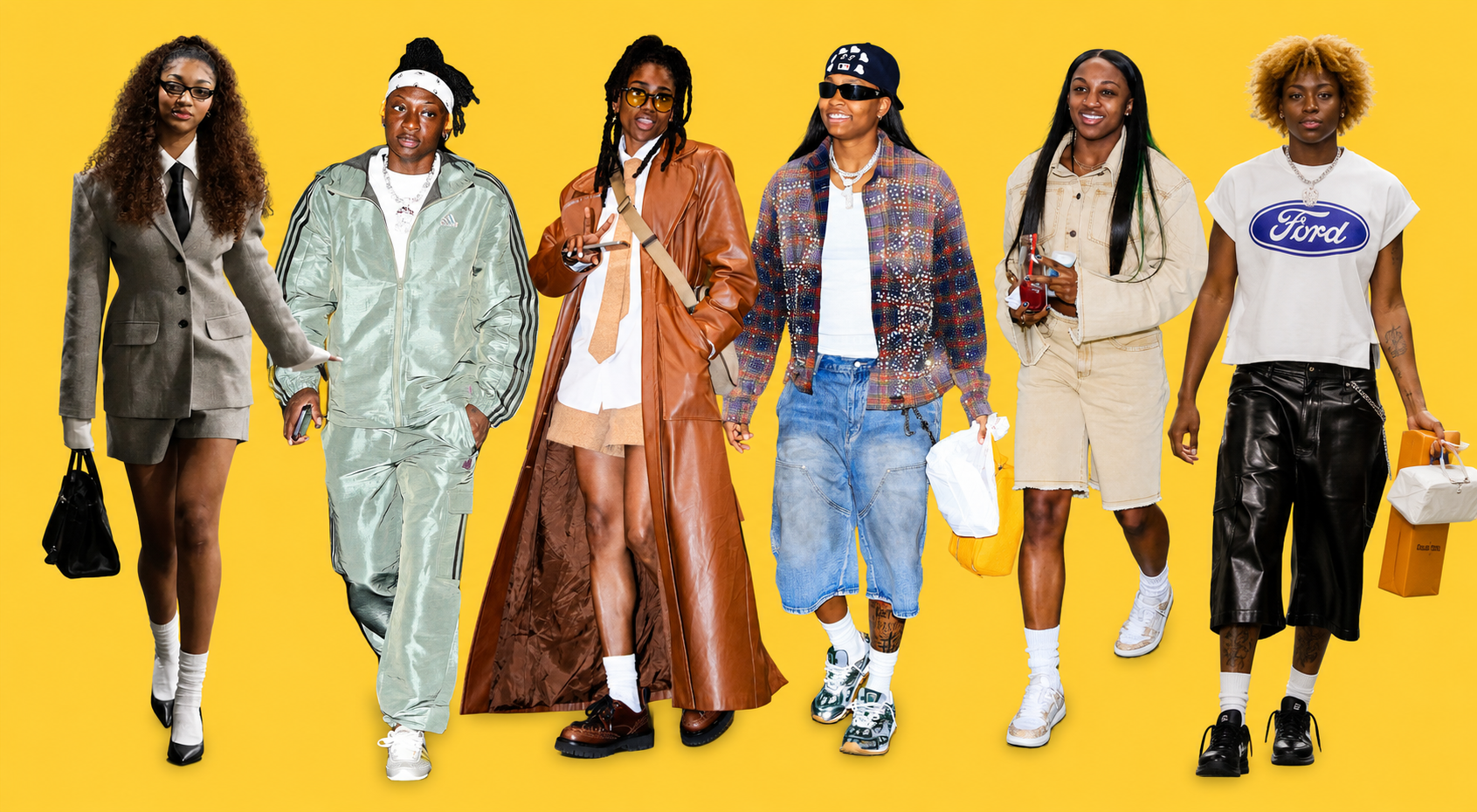
Over the past decade, the tunnel has quietly transformed into one of fashion’s most influential runways. What was once a quick walk from the team bus to the locker room has become a carefully documented display of personal branding, luxury fashion, and cultural influence. In the Women’s National Basketball Association, especially, tunnel style is no longer treated like an accessory to the game. In many ways, it has become part of the spectacle itself.
Long before luxury fashion houses were rushing to partner with athletes, Black players understood the power of presentation. Wilt Chamberlain moved through the world with a polished swagger rooted in sharp tailoring and old-school sophistication. Allen Iverson transformed the NBA tunnel into a reflection of hip-hop’s growing dominance with oversized jerseys, baggy denim, fitted caps, and diamond jewelry that felt authentic to the communities many players came from. The league responded with a dress code in 2005, a moment many still view as a direct response to the visibility of Black style and self-expression.
Athletes today are no longer expected to simply perform on the court. They are brands, image-makers and cultural tastemakers. And behind many of these polished public images are Black stylists and creative directors who helped fashion houses recognize the influence athletes carry. Figures like stylist Kesha McLeod and stylist-designer Rachel Johnson were instrumental in helping luxury brands understand the marketing power athletes possessed long before it became standard industry practice. Their relationships with houses like Thom Browne helped create pathways for athletes like LeBron James to be viewed as fashion fixtures, not just sports stars.
A pivotal moment arrived during the 2018 NBA Playoffs when James, J.R. Smith, and Jordan Clarkson arrived in coordinated Thom Browne suits, turning a pregame arrival into a full-fledged fashion moment. But the groundwork had already been laid years earlier by players like James, Russell Westbrook, James Harden and Carmelo Anthony, all of whom understood that personal style could expand their influence far beyond basketball.
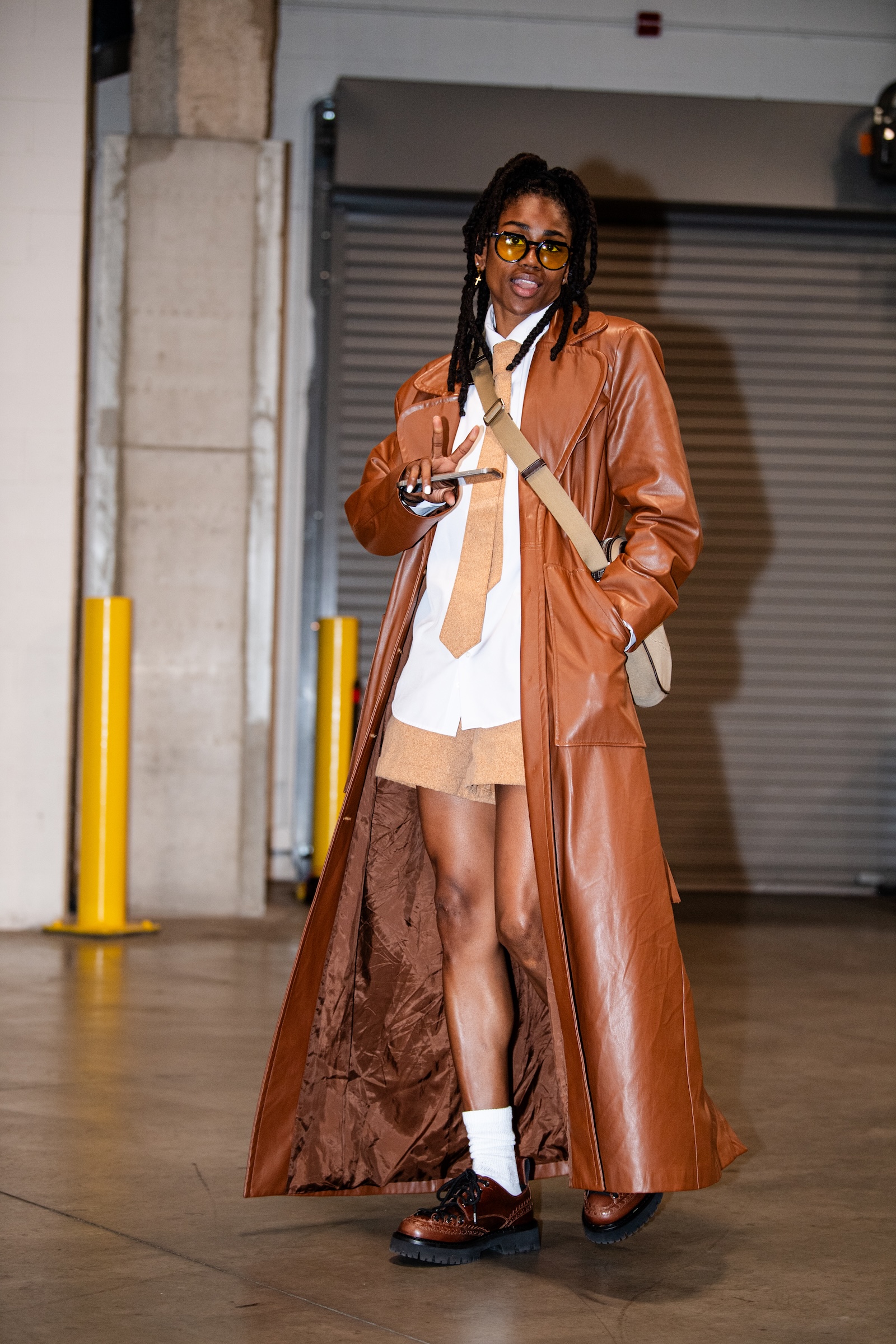
The WNBA eventually took that blueprint and made it entirely its own. “In some instances, the tunnel walk and the tunnel fits are more exciting than the games,” former WNBA star Sheryl Swoopes once told me in a previous interview for ESSENCE. During her era, a T-shirt and basketball shorts were enough before tipoff. Today, tunnel arrivals feel closer to a moving editorial campaign. Players walk into arenas dressed in custom tailoring, archival runway pieces, emerging Black designers, and luxury handbags that immediately ignite conversation across Instagram and TikTok.
The numbers explain why fashion finally started paying attention. The WNBA saw a reported surge in viewership between 2024 and 2025, and brands quickly realized women’s basketball was no longer niche. Partnerships followed just as fast. Skims announced a multiyear partnership with the WNBA in 2023. Mielle Organics followed with its own league partnership the next year. Most recently, Coach became the WNBA’s official luxury handbag partner, a collaboration prominently displayed during this year’s WNBA Draft when Azzi Fudd arrived in a custom Coach look styled alongside Sydnee Paige.
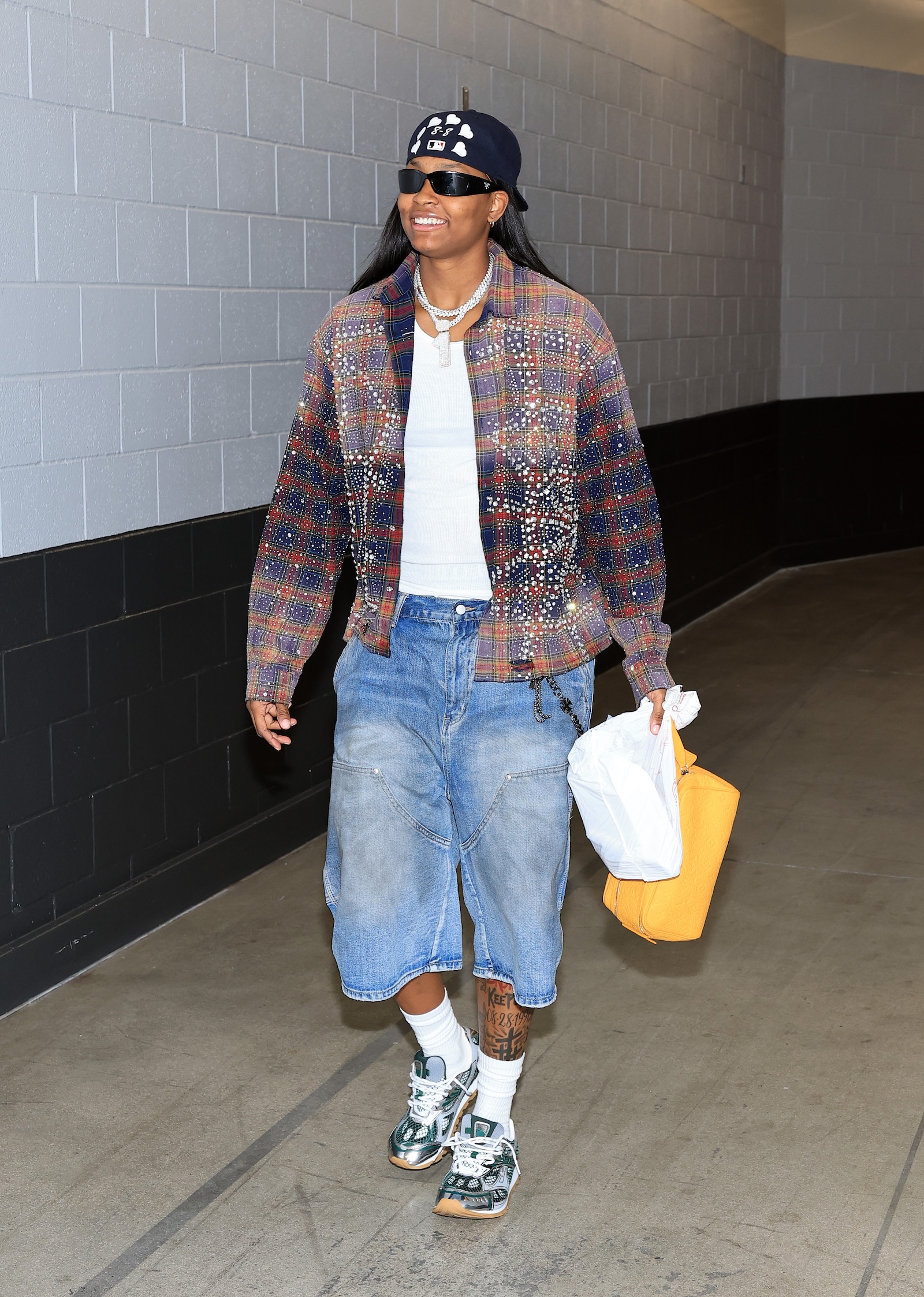
But these partnerships are about more than clothes and accessories. They represent visibility, financial opportunity, and long overdue investment in women athletes, particularly Black women athletes who have historically shaped culture without receiving the same level of compensation or recognition.
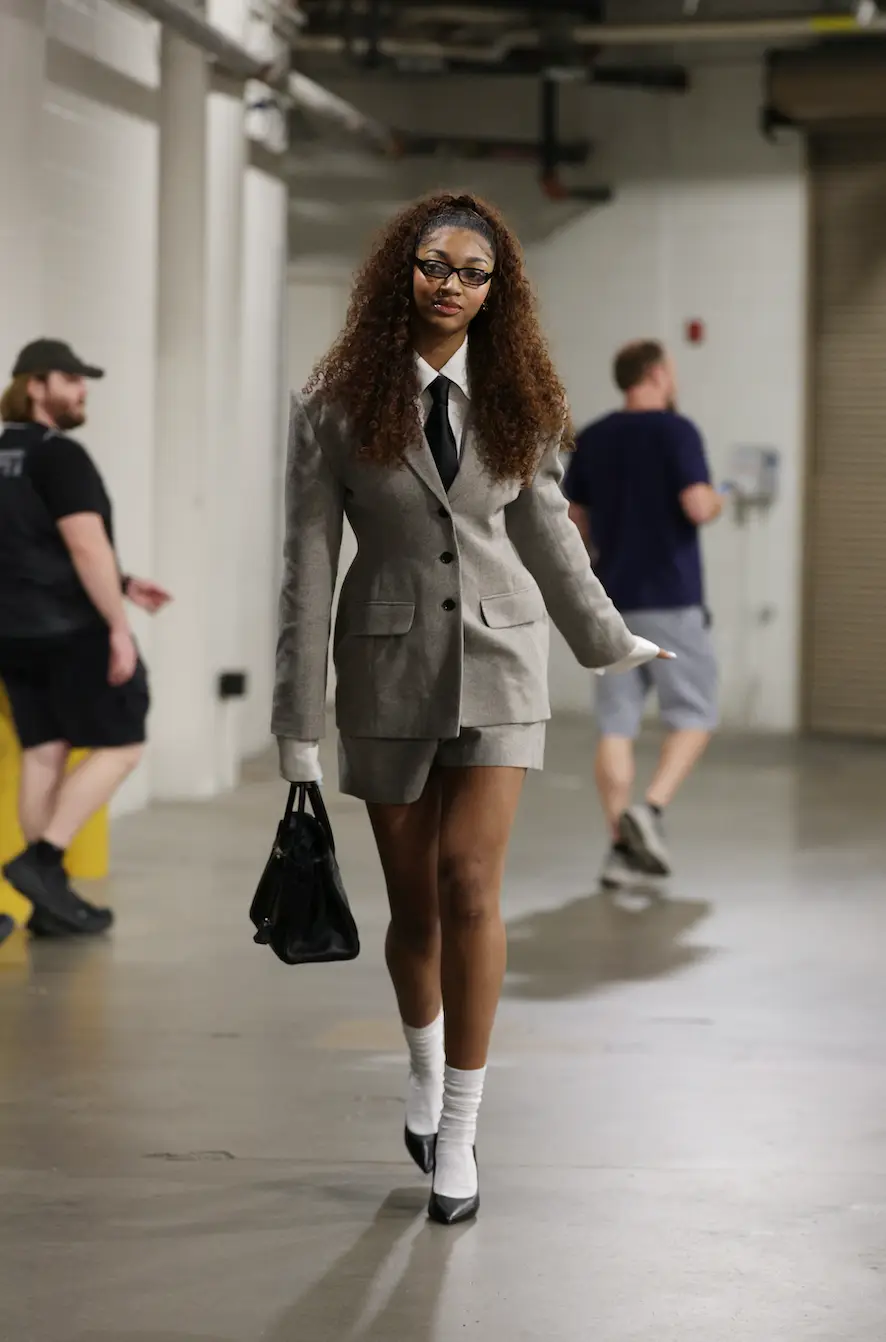
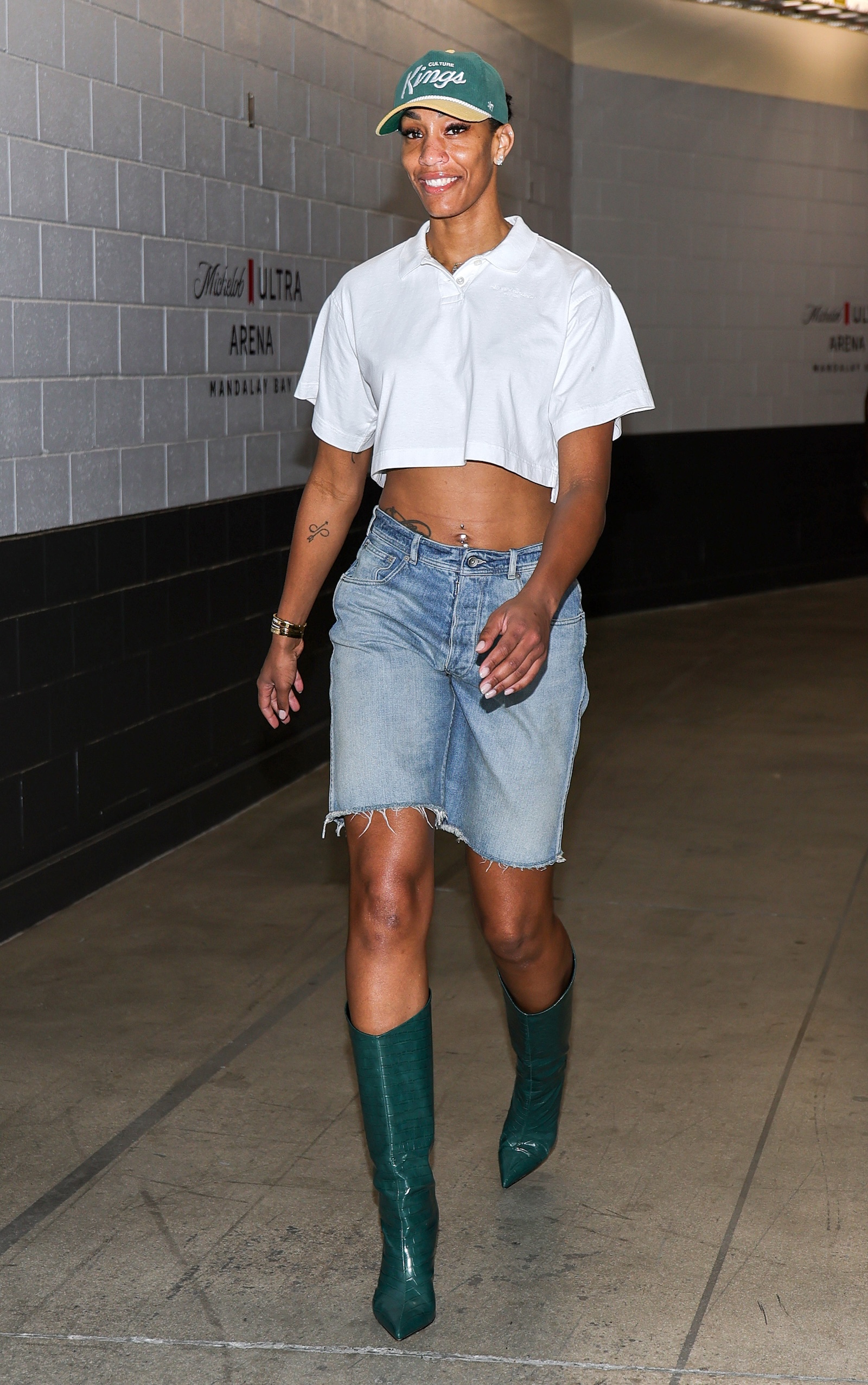
That shift is especially visible through players like A’ja Wilson and Angel Reese. Wilson’s partnership with stylist Amadi Brooks helped position her as one of the league’s most fashion-forward stars through custom Sergio Hudson suiting and elevated luxury looks that reflected both power and femininity. Reese, meanwhile, has become one of the most talked-about style personalities in professional sports altogether. Whether she’s attending the Met Gala in custom designer looks or assembling tunnel outfits herself, Reese understands what many modern athletes now recognize: the tunnel is no longer just an entrance. It’s a media opportunity.
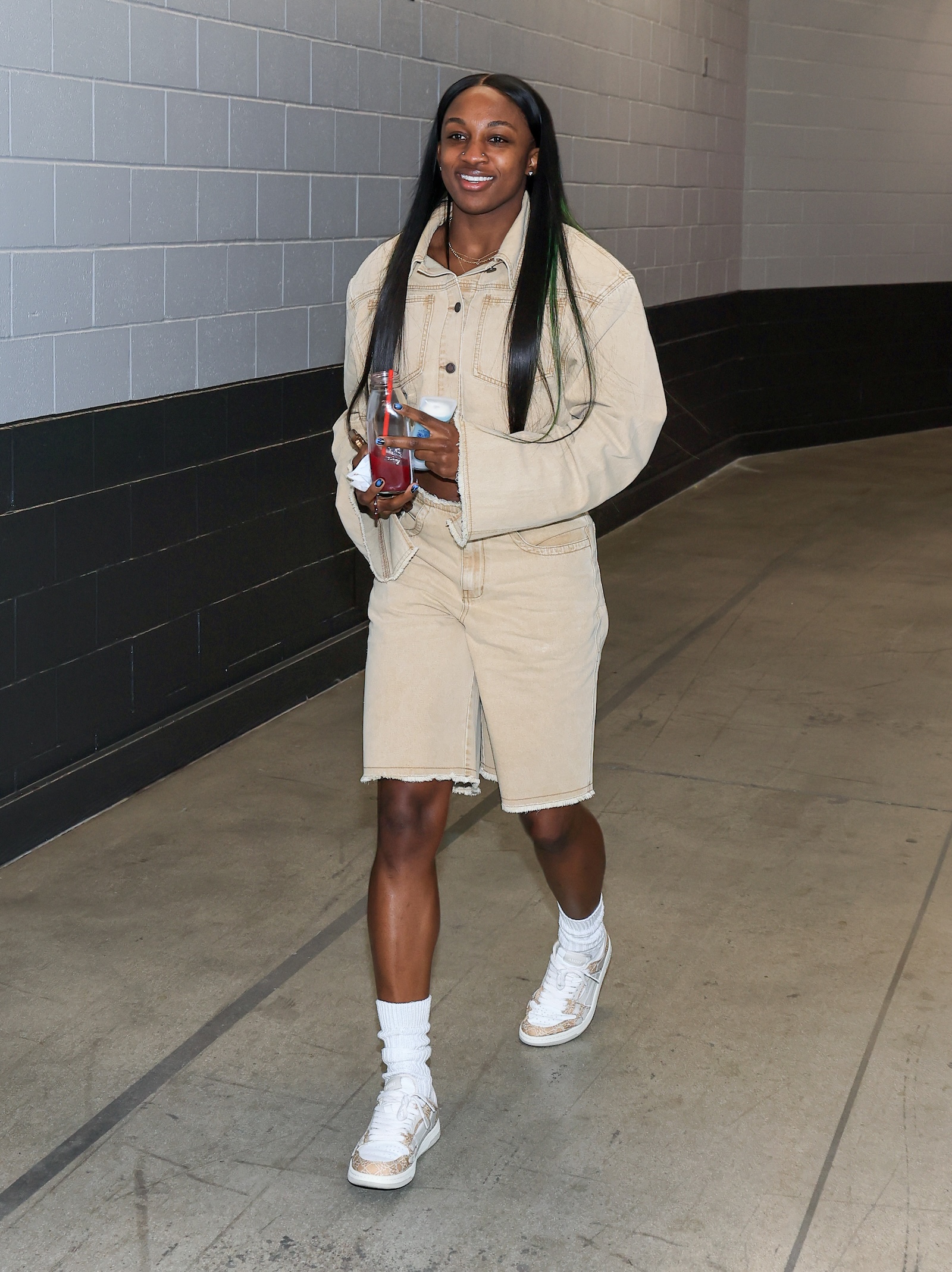
Accounts like @hertunnel, created by Velissa Vaughn, have also helped turn WNBA arrivals into fully documented fashion archives, giving players and stylists a dedicated platform that treats their looks with the same seriousness traditionally reserved for celebrities and runway models. The result is an ecosystem where athletes are no longer forced to separate performance from personality. They can exist as competitors, fashion muses, entrepreneurs, and cultural figures all at once.
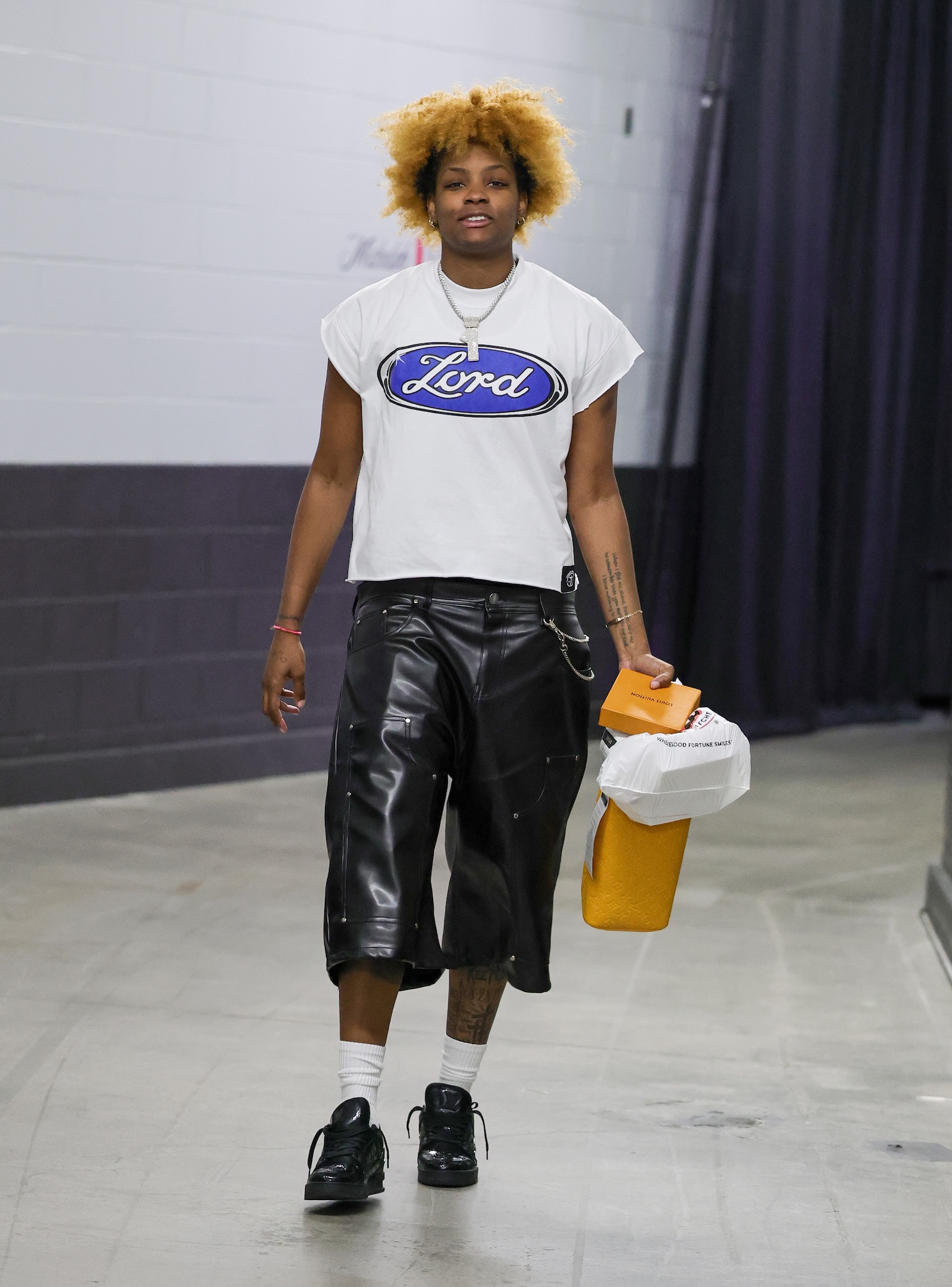
Fashion in the W works because it feels personal. One player may lean toward sharp tailoring while another gravitates toward streetwear, archival luxury, or emerging Black designers. That individuality is precisely what makes the tunnel compelling. It reflects the larger evolution happening across sports, where athletes are reclaiming ownership over how they present themselves to the world.
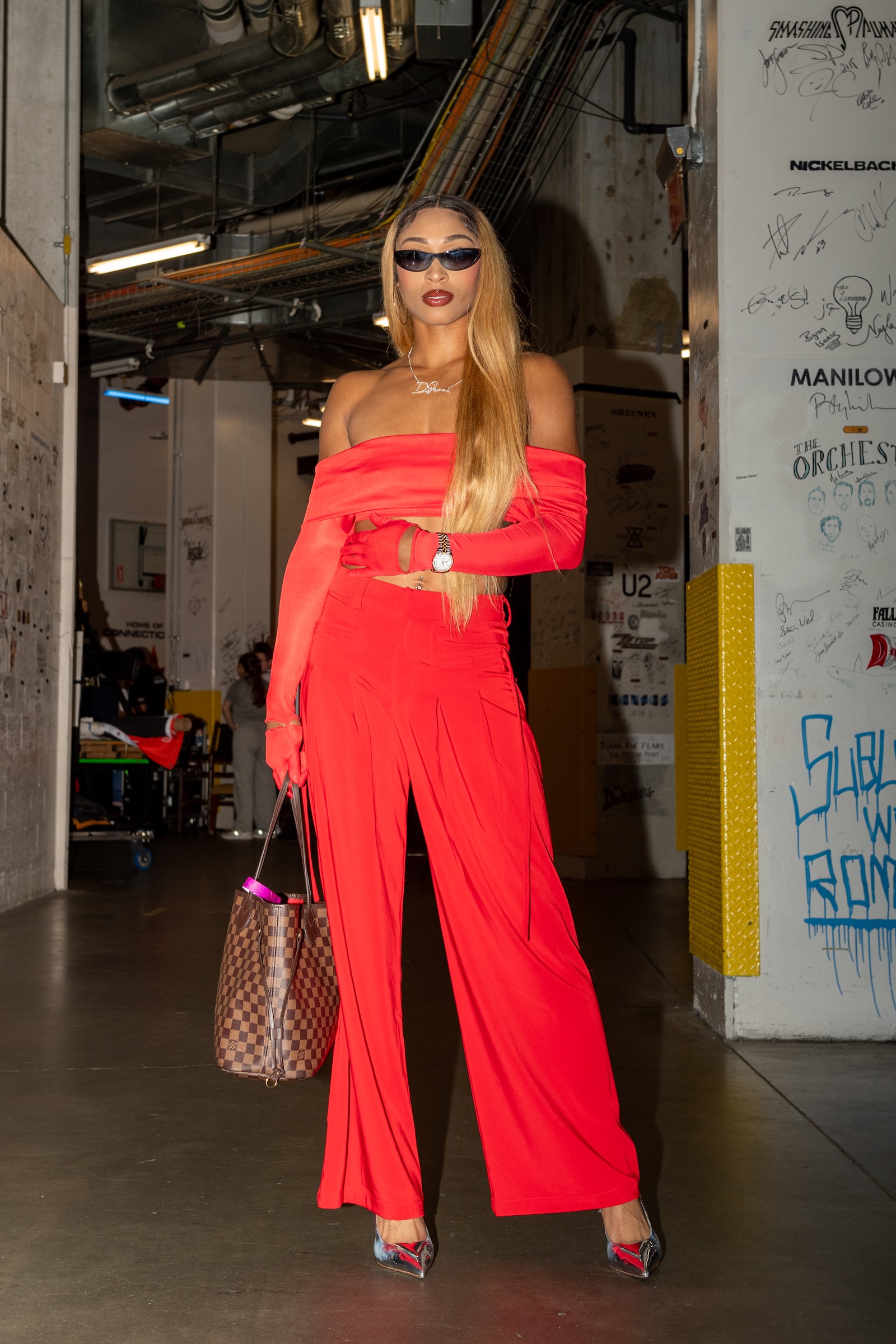
And maybe that’s the real story here. The tunnel was never just about the clothes. It became proof that Black athletes, especially Black women athletes, were always worthy of luxury attention, campaign dollars, and cultural reverence. Fashion is simply finally catching up.