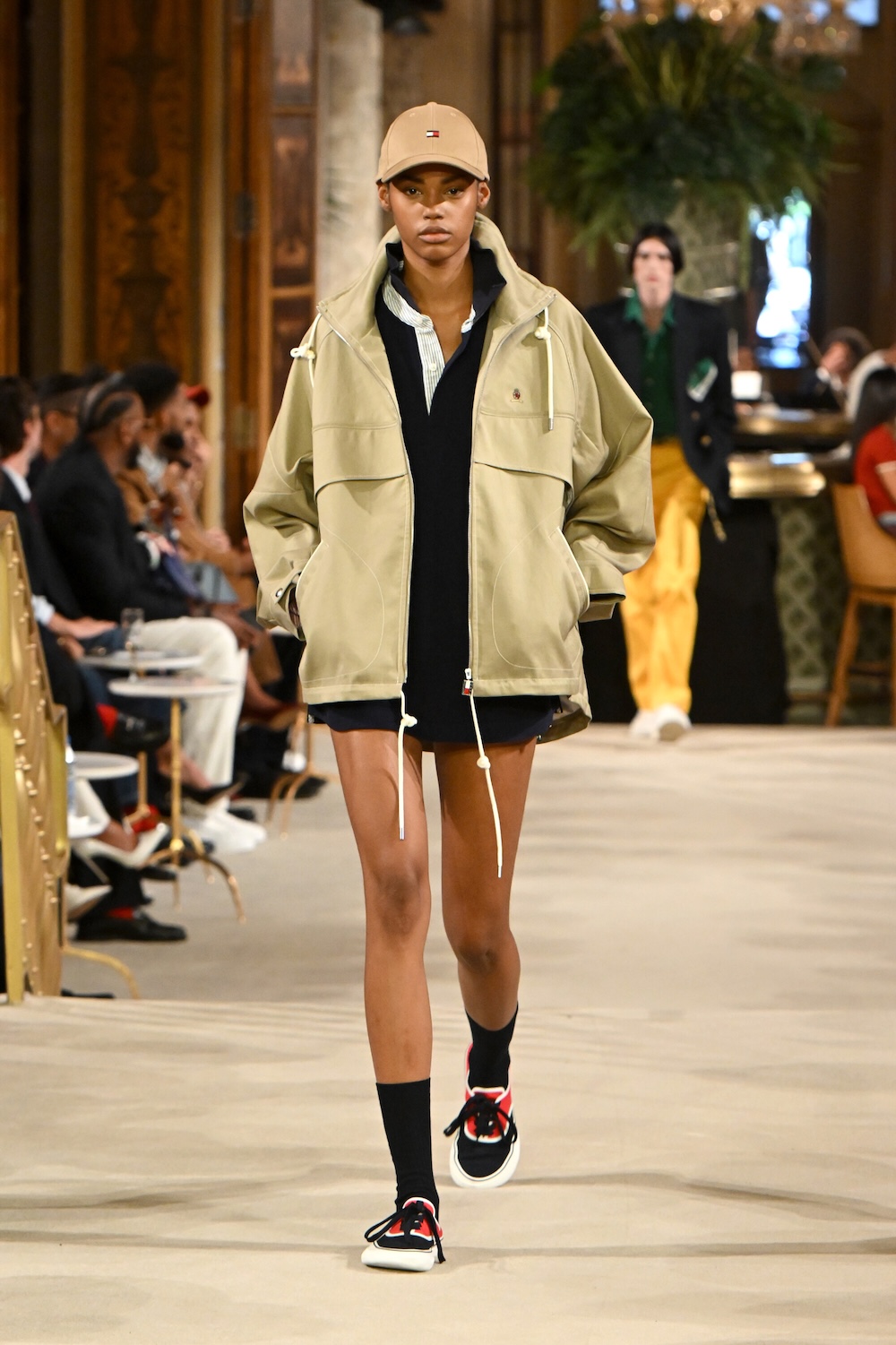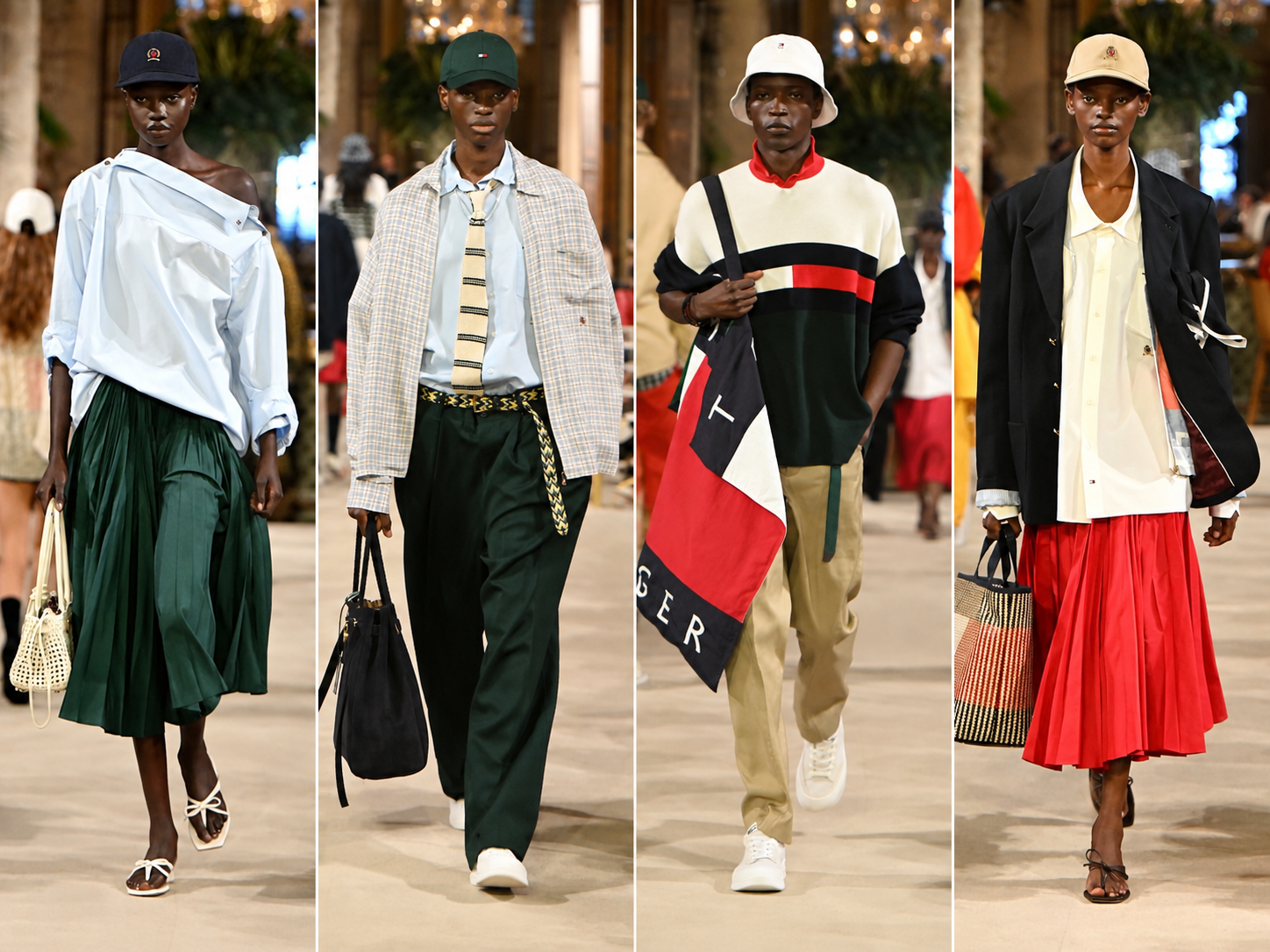
Tommy Hilfiger knows better than most that prep has never belonged to just one crowd. Over the last four decades, the designer’s polos, rugby shirts, chinos and red, white and blue insignia have moved from country clubs to hip-hop videos, college campuses to city blocks, picking up new meaning with every generation that decided to wear them differently. For Spring 2027, Hilfiger leaned directly into that history, bringing his latest collection to The Plaza Hotel and asking what American prep looks like when the people who inherited it are allowed to rewrite the rules.
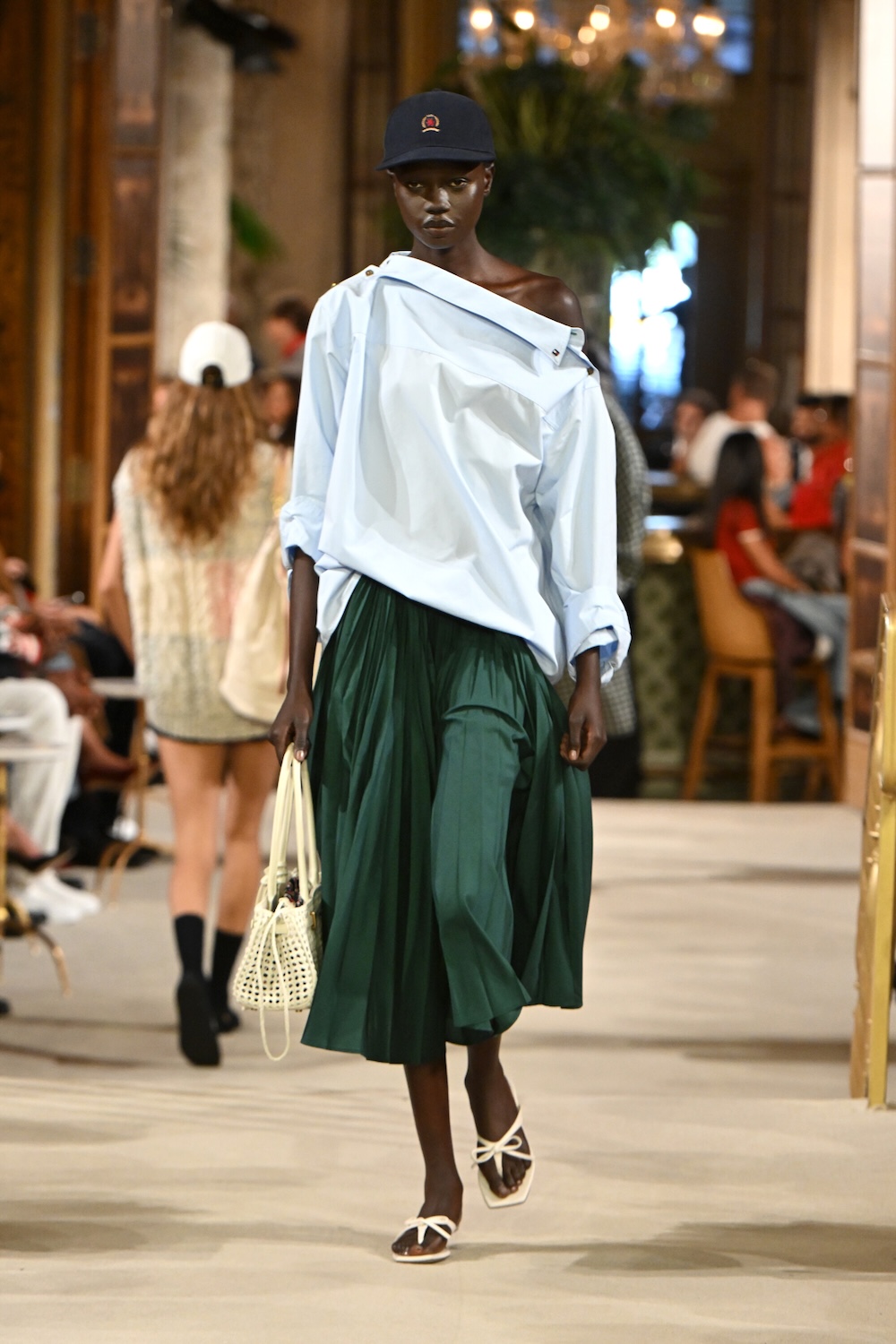
“For 40 years, I’ve been inspired by the style of New Yorkers, how the people of the city take the classics and make them their own,” Hilfiger said. “This season, The Plaza is our playground, where Tommy icons feel remixed and refined for today.”
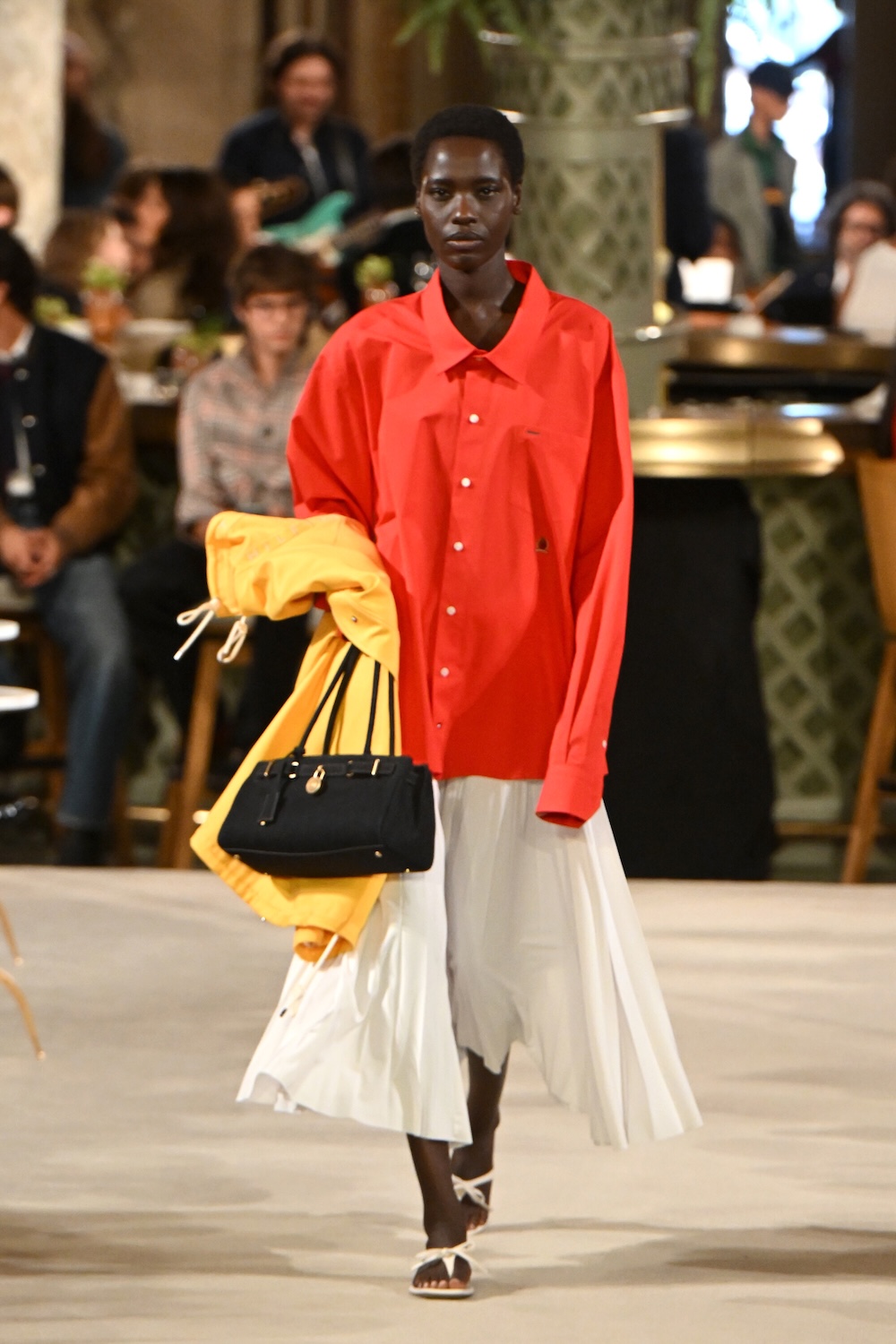
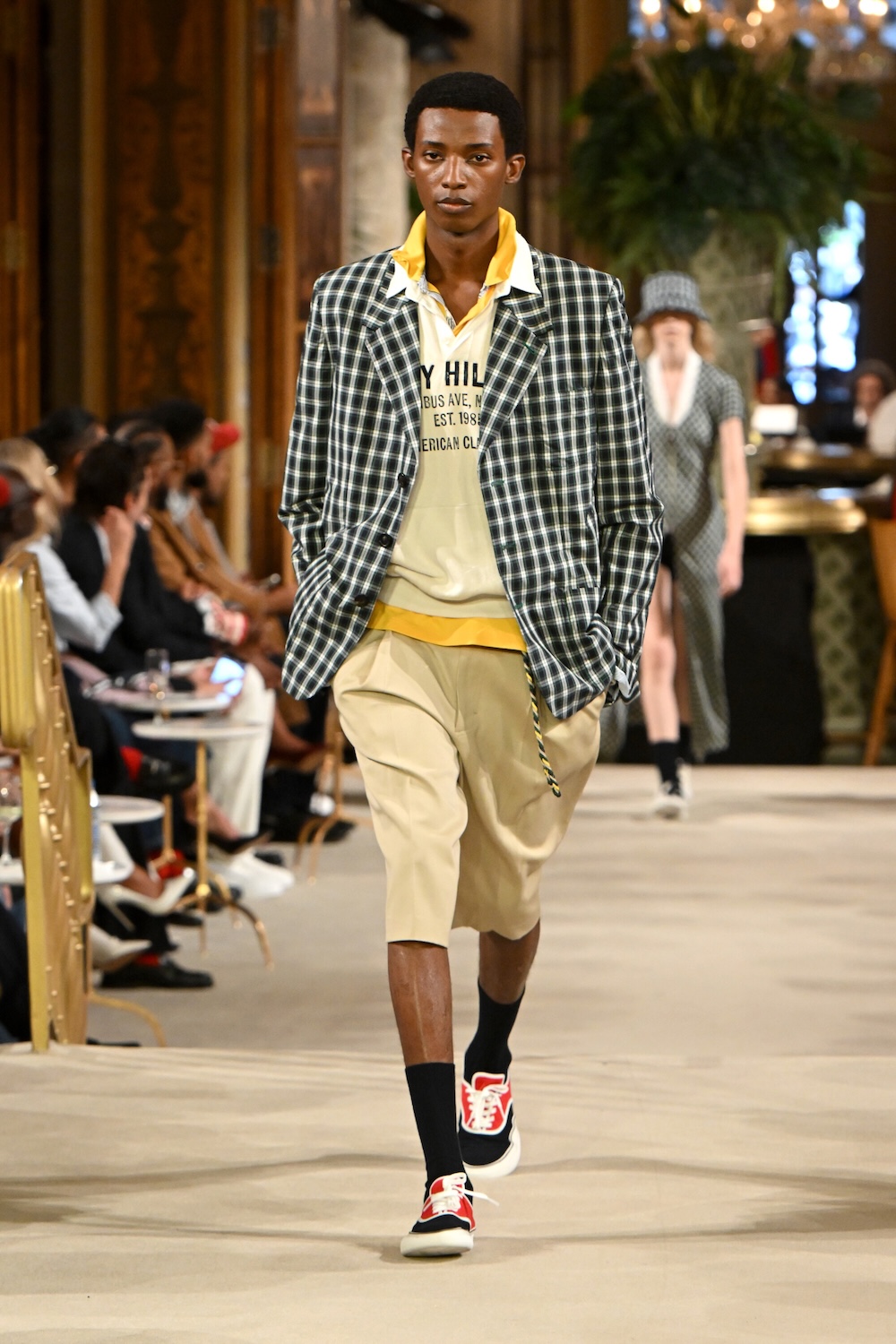
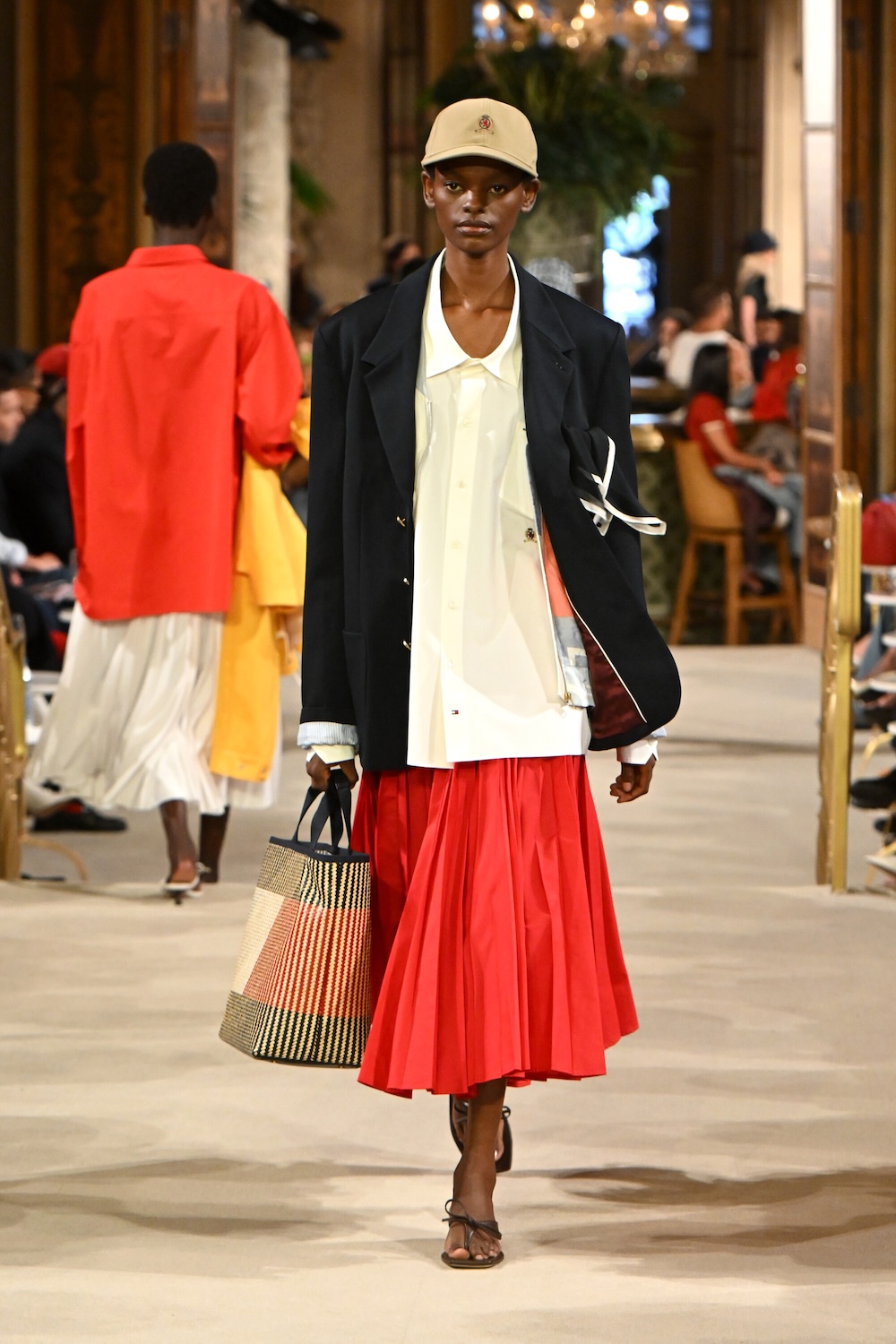
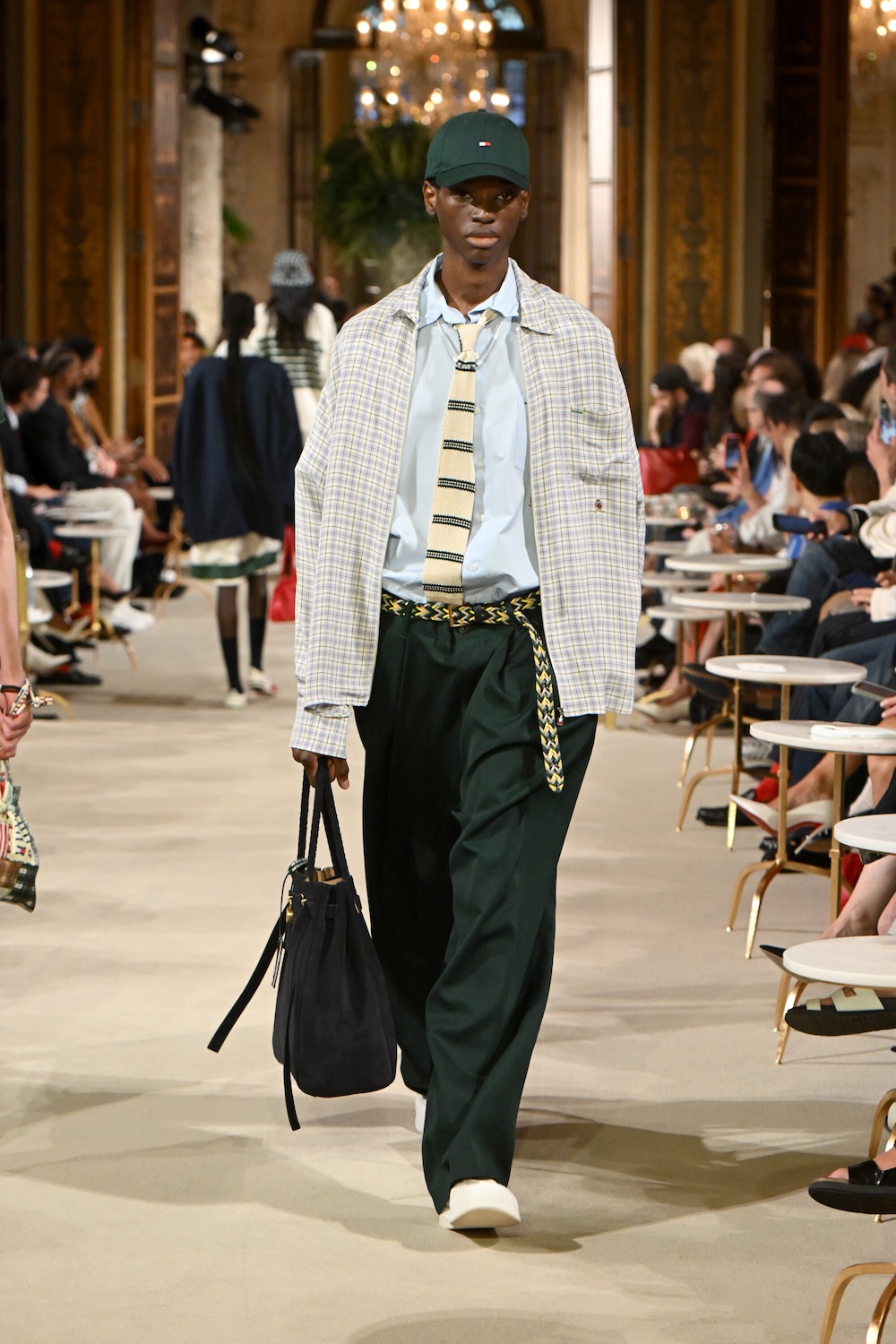
That remix was evident almost immediately. The brand’s signature red, white and blue remained, but vivid yellows and greens disrupted the expected Americana. Rugby dresses were color-blocked, Oxford shirts arrived in Ithaca stripes and tartan appeared across blazers and Ivy jackets. Polos swung from shrunken to oversized, while chinos became high-cut hot shorts or were reconstructed with denim-inspired twisted seams. Even the Tommy flag appeared softer this season, faded and washed across superfine suede, silk-cashmere and oversized totes.
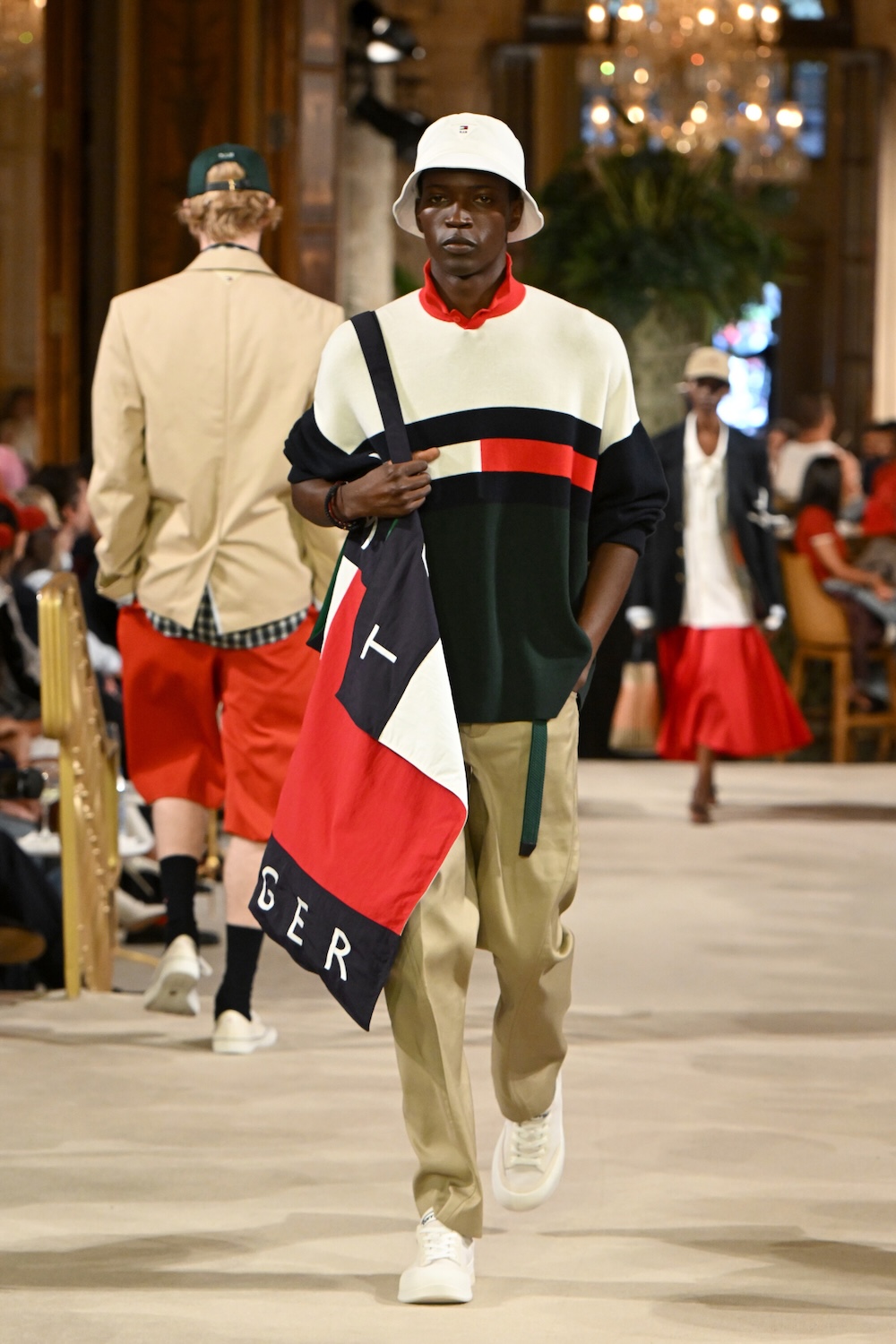
The styling helped keep all that prep from becoming too precious. Collars were popped, proportions played against one another and polished pieces were grounded with ’90s-inspired skate sneakers, boat shoes, penny loafers and leather pool slides. It was the kind of wardrobe that could theoretically belong inside The Plaza, but looked like it might leave the hotel at midnight and end up somewhere downtown by 2 a.m.
That tension between establishment and youth culture has always been central to the Tommy Hilfiger story. Few American fashion brands have been adopted, reinterpreted and ultimately transformed by hip-hop quite like Tommy. Michael Rainey Jr., who attended the show, understands that relationship from the perspective of someone who grew up in New York with the brand already embedded in the culture.
“Tommy is one of those brands that’s always been part of the culture,” Rainey told EBONY. “Especially growing up in New York, you know the history and how connected it is to hip-hop and American style in general.”
For Rainey, that relationship started long before Fashion Week invitations and front-row appearances. “Yeah, definitely,” he said when asked if he wore Tommy growing up. “Tommy was one of those brands you always knew growing up. The logo was everywhere, and you saw people you looked up to wearing it, especially in music and hip-hop. It represented that classic American style, but the culture really made it its own.”
That last point is perhaps the most important. Tommy Hilfiger may have created the clothes, but generations of young people, particularly Black consumers and hip-hop artists in the 1990s and early 2000s, helped rewrite what those clothes represented. Prep stopped belonging exclusively to country clubs and Ivy League campuses. Oversized Tommy polos, rugby shirts, denim and logo-heavy sportswear entered a completely different visual language, one that continues to inform how the brand presents itself today.
Spring 2027 seemed conscious of that exchange. The guest list itself moved between fashion, entertainment and sports, with Gigi Hadid opening the show as Kate Moss, Camila Cabello, JISOO, Carmelo Anthony and New York Knicks players Josh Hart, Karl-Anthony Towns and Miles McBride watched from the front row. Romeo Beckham closed the runway before Slayyyter, dressed in red shirting, cropped shorts, a necktie and knee-high black boots, turned the finale into a pop performance with “Dance.”
Rainey’s own approach to fashion reflects the freedom that has increasingly replaced rigid ideas about how men are expected to dress. “I’d say my style is pretty versatile. It really depends on the day and where I’m going,” he said. “Being in the spotlight taught me that fashion is really another way to express yourself. You can have fun with it and step outside of what people normally expect from you.”
In many ways, that sentiment could describe Hilfiger’s Spring 2027 collection itself. The clothes were recognizable, but they weren’t interested in behaving exactly as expected. At The Plaza, a monument to a particular version of New York elegance, Tommy Hilfiger reminded us that American style has always been most interesting when people take its rules, remix them and make them their own.