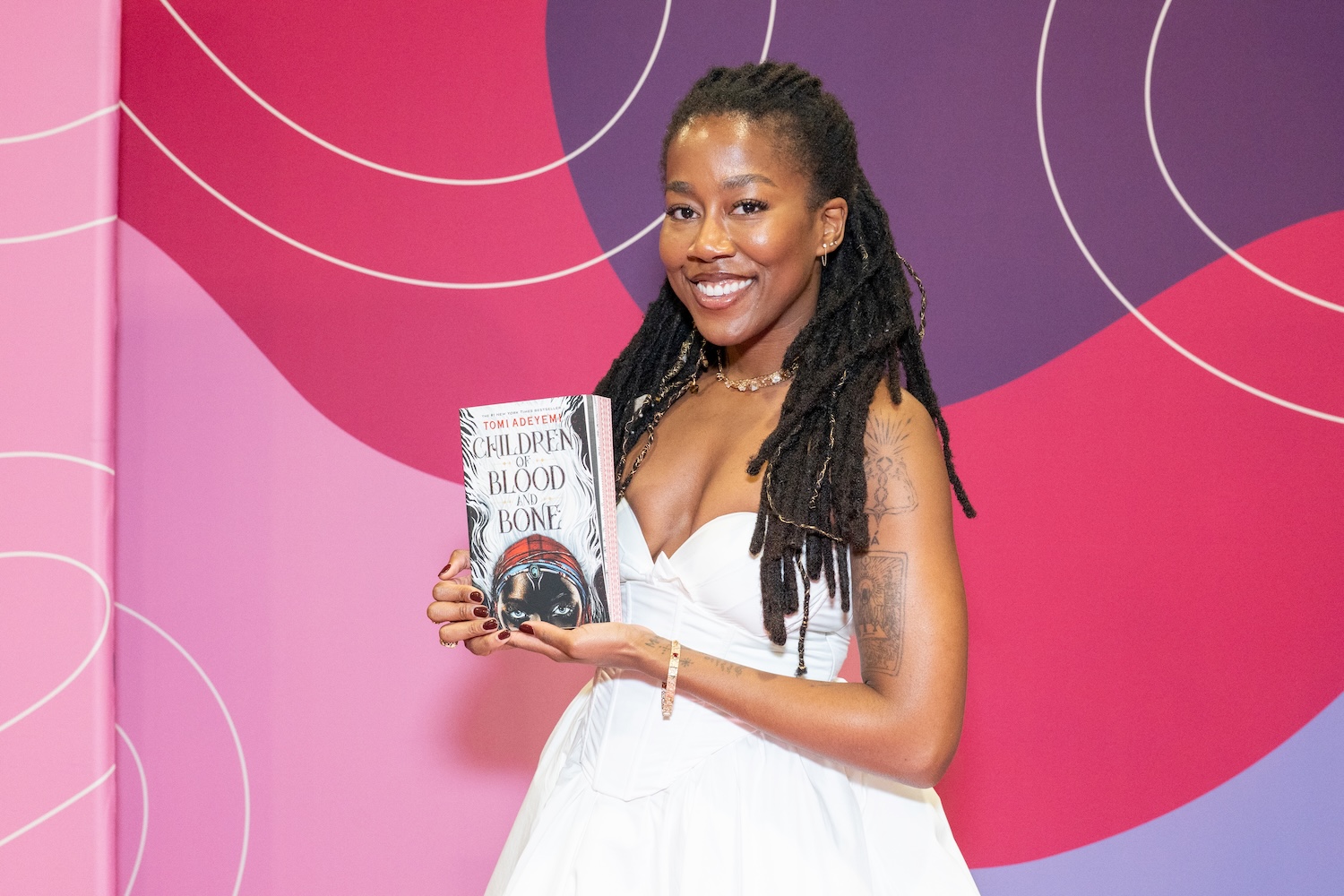
When the film adaptation of Children of Blood and Bone was first announced, author Tomi Adeyemi was thrilled at the prospect of bringing it to the screen. The first book in her Legacy of Orïsha series, Children of Blood and Bone puts dark-skinned Black girls at the center of the magic, drawing on Yoruba mythology and West African traditions to show that epic fantasy can reach far beyond European folklore.
The movie doesn’t arrive in theaters until January 15, 2027, but over the past few months, Adeyemi has made her stance about it very clear by publicly distancing herself from the adaptation.
In July 2026, Adeyemi shared social media posts explaining why she had stopped promoting the upcoming film, noting, “There is a reason I will not post anything about the adaptation of my work.”
Among them were screenshots of messages to Amandla Stenberg, whose casting as Princess Amari had sparked a debate about colorism. The writer also said she had experienced painful behind-the-scenes conflict, a statement she would double down on in a video later that month.
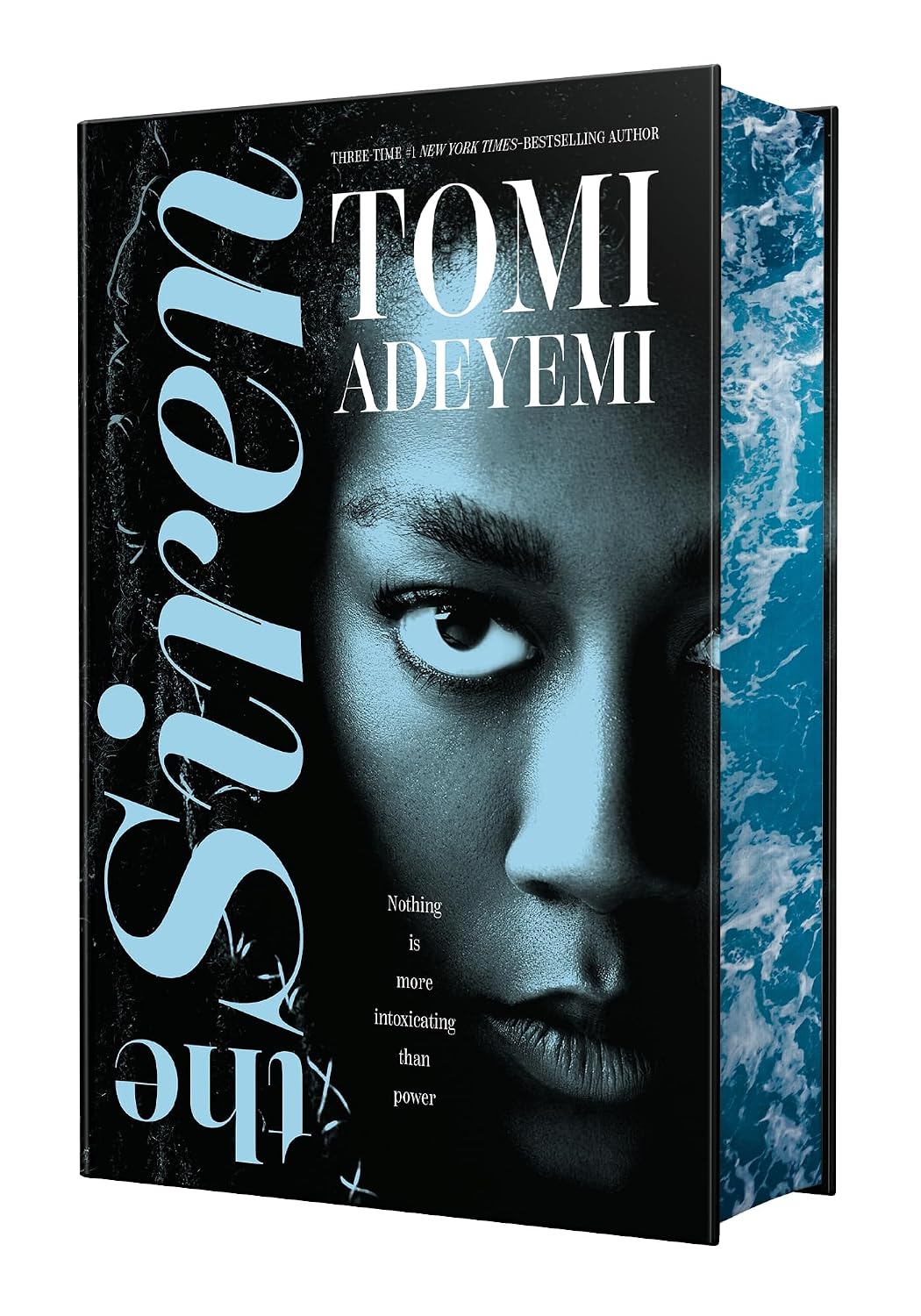
With her latest book, The Siren, out this week, the writer sat down with The Guardian to talk about her work and clarify why she reacted the way she did to the upcoming movie.
“With a film, the director makes every decision,” Adeyemi told The Guardian. “With my book I can talk about every choice down to the commas, because that’s truly in my hands. So there’s nothing for me to add, other than the clarity that these aren’t my choices.”
Adeyemi doubled down on her decision not to see the film, and when asked if she would ever adapt another of her books for the screen, she simply answered, “Never.”
A person is entitled to speak their piece and stand their ground when they feel wronged, as Adeyemi did. But in group chats filled with fellow authors and Hollywood creatives, there’s debate about how she delivered the news and whether it could derail future opportunities for Black writers to get their projects greenlit.
One author shared with EBONY, “When an author hands Hollywood their book, they’re not just handing over intellectual property—they’re handing over a piece of themselves. I absolutely support Tomi advocating for her experience, but I also understand the concern about what repeated public criticism of the process could mean in an industry that is already incredibly cautious about where it puts its money and whose stories it chooses to bring to the screen.”
Added a TV executive producer: “I respect Tomi’s experience with this process. What I don’t want is for that experience to become the defining conversation around what this film represents…I think there’s an important conversation here about the learning curve that comes with adaptation. A book and a film are fundamentally different creative processes, and there should be honest conversations with authors about what it means when their work moves into another medium.”
For the creatives who spoke with EBONY, the opportunity for authors of color to see their literary work become big-screen magic remains rare. Not every author gets the opportunity Adeyemi or a Kennedy Ryan gets. Some fear that writers new to the business could get a no when trying to get their work brought to screen, with Hollywood choosing instead to stick with more established authors who already understand how the industry works.
But they also believe adaptations will continue, even if that means going the TV route or into independent filmmaking, where authors may be able to negotiate more creative control.
“IP remains one of the engines of this business. My hope is that we learn from this experience and don’t lose sight of the bigger story: this movie exists, and a generation of kids will get to see African mythology on a scale many of us never had growing up.”
And one determined TV producer currently working on her first feature film script declared, “Will this mean that those of us who are dedicated to creating for the big screen may have to find new ways to jump old hurdles? Yes. Will we stop? No.”