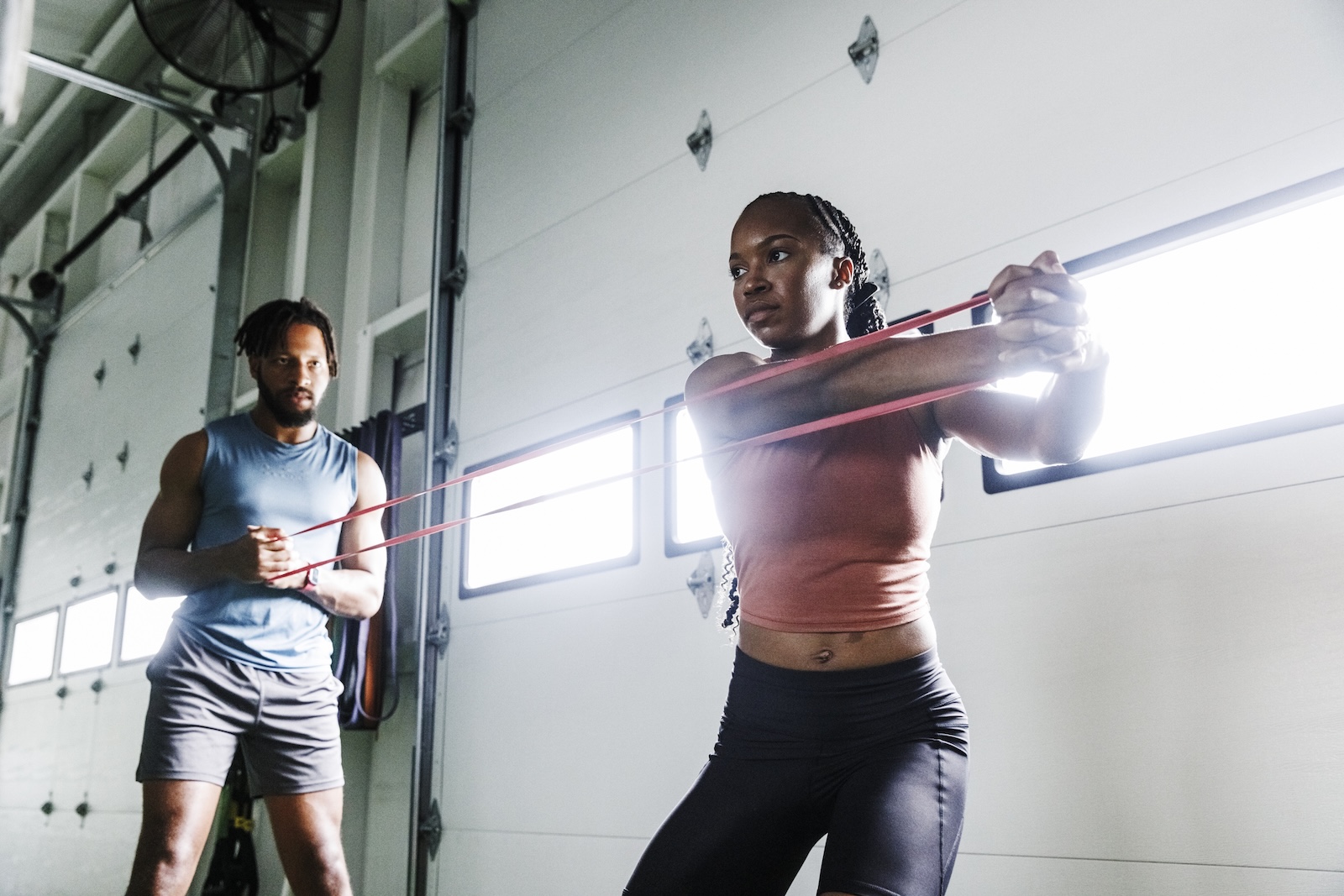
When it comes to eras, workout clothes have had several. From the brightly colored French-cut leotards and opaque Lycra tights worn by fitness icons like Jane Fonda to the matching low-rise velour sets that dominated the late ’90s and early 2000s, athletic fashion has reinvented itself more than a few times. The late 2010s and early 2020s, meanwhile, have been defined by matching two-piece sets crafted from polyester blends, nylon and elastane fabrics designed to move with the body.
While their quick-drying composition certainly helped, performance technology alone wasn’t what turned matching Lululemon sets and ALO one-pieces into status symbols. Their body-contouring silhouettes, aspirational branding and ability to make even a grocery run look like a wellness retreat helped fuel what can only be described as a generational run.
But lately, there’s been a shift in the tide. The workout girlies are turning their backs on nylon, spandex and other synthetic fabrics. In their place, natural workout materials are dominating wellness corners of the internet, though everything is not always what it seems. Because sometimes the natural route kind of stinks. Literally.
One athletic aesthetic, in particular, has captured the internet’s attention: the flowy, mismatched, all-cotton workout looks that defined the early 2000s. In an era dominated by compression, sculpting and second-skin silhouettes, many consumers are yearning for workout clothing that feels a little less restrictive and a little more lived-in.
Fashion’s current obsession with nostalgia has spared almost nothing, and workout apparel is no exception. But our collective fascination with the aughts isn’t the only force driving the cotton-first movement. Growing concerns around sustainability, microplastics and synthetic materials have encouraged many shoppers to reconsider what’s hanging in their closets.
Now, some of that skepticism is understandable. Polyester is a synthetic fiber derived from petroleum-based materials, which has made it a growing target for consumers concerned about environmental impact and microplastic exposure. And when brands are charging upward of $100 for leggings and sports bras made from synthetic fabrics, consumers are naturally asking more questions about what they’re paying for.
Yet while fashion and wellness influencers have embraced cotton as the healthier alternative, performance and comfort aren’t always the same thing.
Many of the Y2K-inspired workout sets currently making the rounds online are cotton-based. Cotton is often praised for its natural composition, softness and lack of synthetic fibers. Unfortunately, when it comes to high-intensity exercise, the material isn’t without its drawbacks.
For as many strengths as cotton has, one of its biggest weaknesses is how it interacts with sweat. Once natural fibers come into contact with moisture, things get soggy fast. Cotton is highly hydrophilic, meaning it readily absorbs water. Unlike performance fabrics, however, it doesn’t efficiently move that moisture away from the body. Instead, it holds sweat against the skin, creating a damp environment that can trap odor-causing bacteria and leave workouts feeling less comfortable than intended.
Polyester and other performance fabrics, on the other hand, are engineered to wick moisture away from the body and dry quickly. They’re also generally more durable over time, which can improve a garment’s overall cost per wear.
Hot Pilates, run clubs, weightlifting, Hyrox races and marathon training groups. Whatever form your athletic pursuits take, one thing is clear: fitness is the sexiest and sweatiest social trend right now. From 75 Hard challenges to sweet potatoes and ground beef filling TikTok meal-prep videos, our For You Pages are looking more and more like a modern-day fitness infomercial with every swipe. Even Tae Bo is finding its way back into the conversation.
But while we’re bringing back the workouts of yesteryear, we don’t necessarily have to bring back the drawbacks that came with them. Below, we’ve rounded up workout gear that delivers breathability, moisture-wicking performance and just enough retro charm to satisfy your Y2K nostalgia.
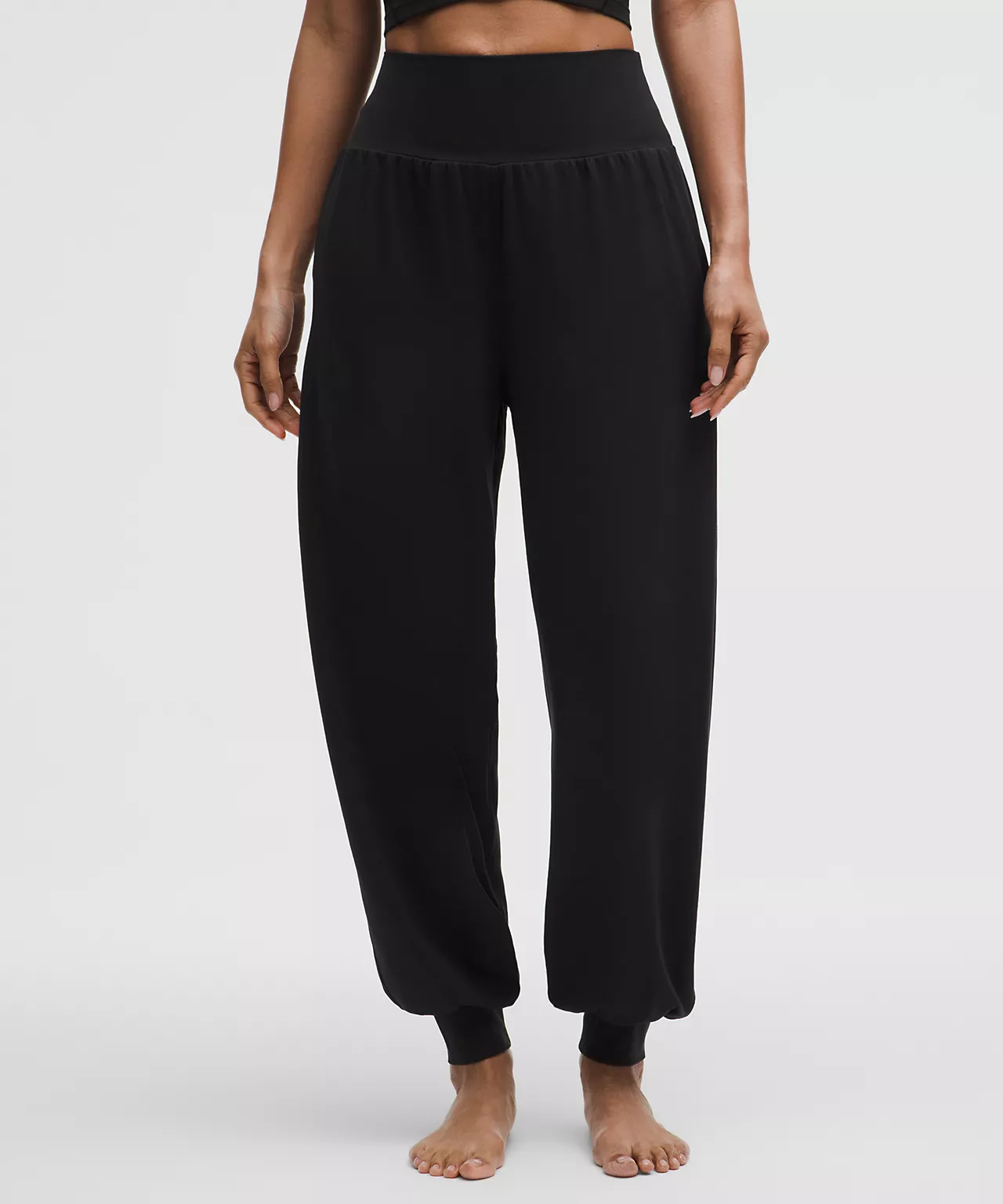
If you like the loose-fitting vibe of cotton workout pants, these drapey yoga joggers with sweat-wicking Lyrca keep things dry while allowing consistent airflow during modified Chaturangas and shaky plank sequences.
Price: $118
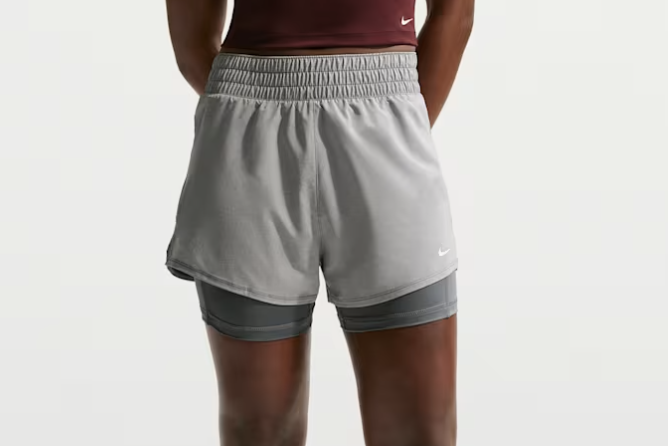
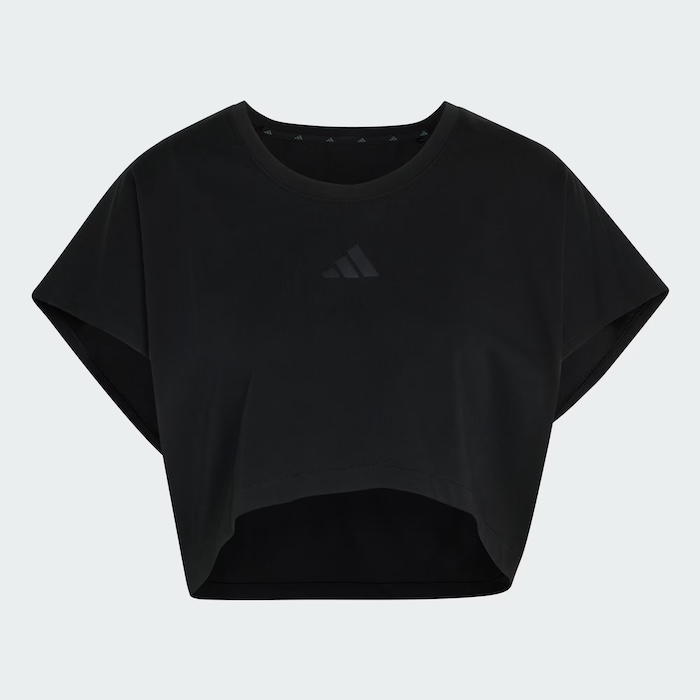
If you really want to incorporate cotton into your workout wardrobe, consider microdosing it as a lightweight cover-up. Since cotton absorbs sweat, natural fibers make a great option for an easy throw-on option before the real huffing and puffing begins.
Price: $40
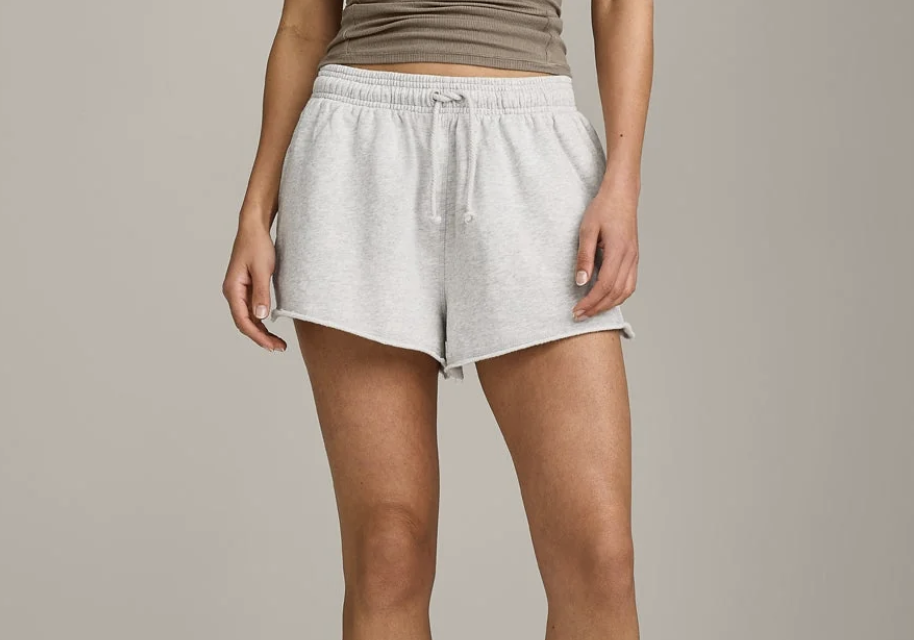
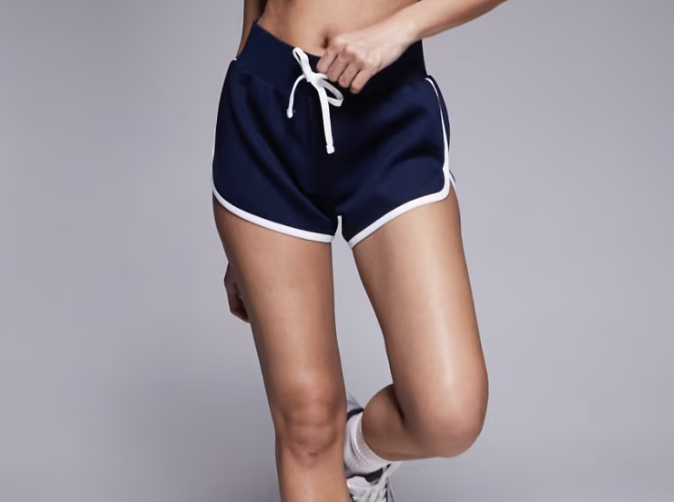
If a nostalgic aura is the driving factor behind your workout selections, these cotton vintage shorts are a great addition to any active-wear arsenal. The cotton composition makes it great for active rest days, whether that’s getting in your 10,000 steps or taking a short bike ride to the local farmers’ market. You don’t have to cut cotton out completely; just be mindful of which workouts best suit it.
Price: $45
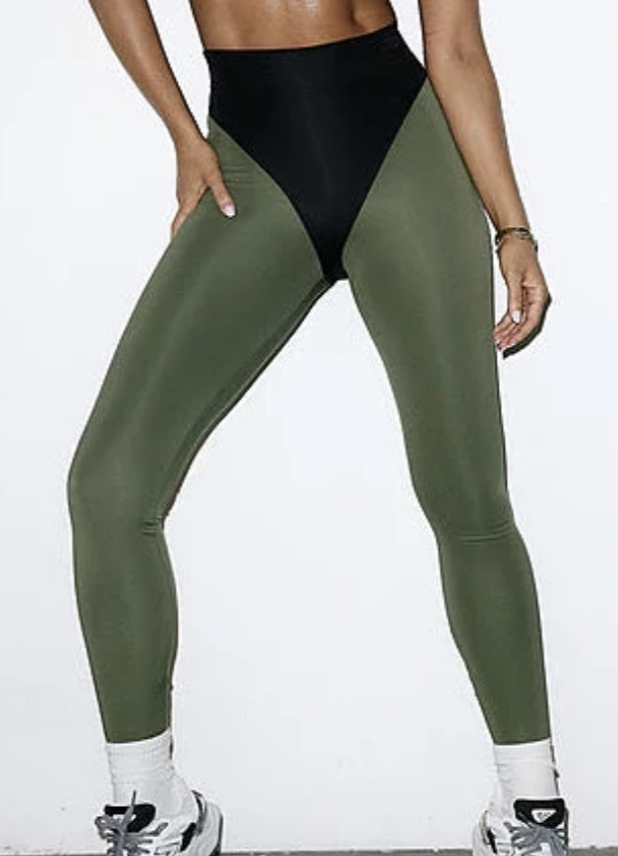
By and large, the aughts have dominated the recent aesthetic sphere, but the 80s have also found themselves on a moodboard or two, as evidenced by the return of retro-inspired high-cut working underwear and colorblocking tights. These HÉROS 80s Leggings are made with 83% Recycled Polyester, which, say it with me, isn’t inherently a bad thing.
Price: $145
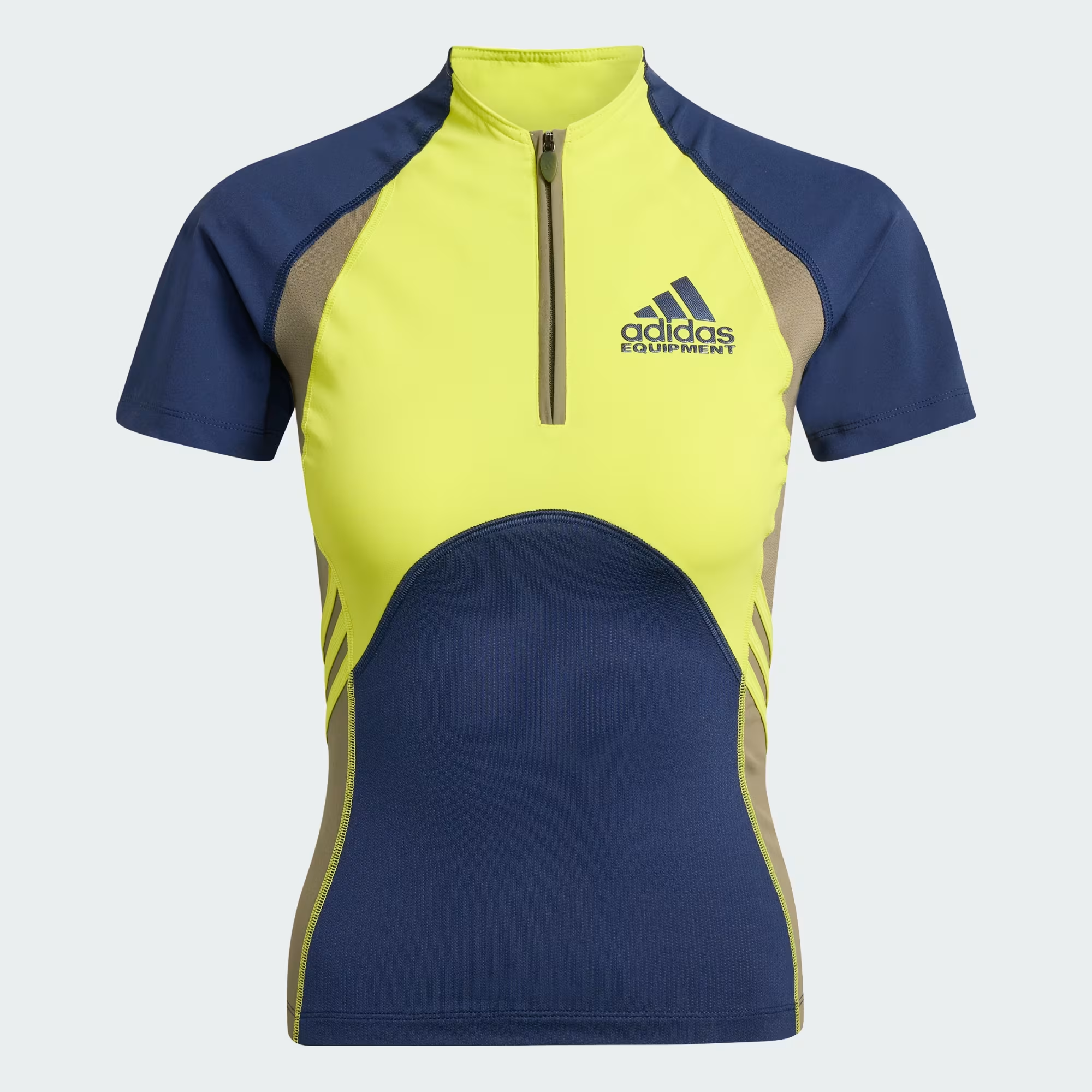
Beyond material composition, bright, contrasting colors largely marked the early 2000s workout wardrobe, and this layered biker-style shirt nails it with yellow paneling and accompanying Three Stripes.